
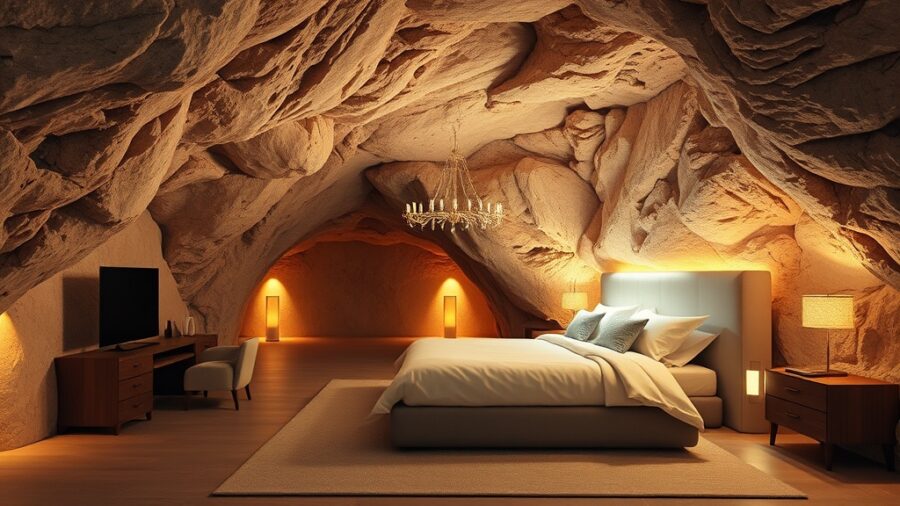
Experience the Extraordinary: Why a Cave Hotel Stay is Unique
When it comes to memorable travel experiences, a cave hotel stay unique offers a fascinating blend of nature, history, and luxury. Imagine waking up to the soft glow of the morning sun filtering through rock formations, surrounded by the ancient stories that these caves hold. Cave hotels, found in various parts of the world, provide not just a place to sleep but an immersive experience that connects travelers to the earth in a way few accommodations can.
This article will explore the intriguing world of cave hotels, delving into what makes these stays so unique, highlighting some of the top cave hotels around the globe, and discussing their rich history and culture. Additionally, we will cover what to expect during your stay and provide practical tips for making the most of your cave hotel experience.
Whether you are an adventurer seeking the thrill of staying in a natural setting or a traveler looking for something out of the ordinary, cave hotels promise an unforgettable escape. Prepare to embark on a journey through the fascinating realm of these subterranean sanctuaries.
Introduction to Cave Hotels
What are Cave Hotels?
Cave hotels are accommodations built within or around natural caves, providing a unique lodging experience that merges comfort with the rugged charm of nature. These hotels can be found in several countries, often in regions with rich geological formations. The concept dates back centuries, with various cultures utilizing caves for shelter, storage, and living space.
Today, modern cave hotels combine traditional architecture with contemporary amenities. From luxurious suites to rustic rooms, they cater to a range of budgets and preferences. The innovative designs often incorporate natural elements, creating a seamless transition between the indoors and the breathtaking landscapes outside.
Where Are They Located?
Cave hotels can be discovered in diverse regions worldwide, with some of the most famous locations including:
- Cappadocia, Turkey: Renowned for its fairy-tale landscape, Cappadocia is home to numerous cave hotels carved into soft volcanic rock.
- Matera, Italy: Known for its ancient cave dwellings, Matera offers a unique blend of history and modernity in its cave accommodations.
- Algarve, Portugal: This region features stunning cliffside caves with luxury hotels that provide breathtaking ocean views.
- Granada, Spain: The caves of Sacromonte offer travelers a chance to experience traditional Andalusian culture in unique cave houses.
What Makes a Cave Hotel Stay Unique?
Connection to Nature
One of the most compelling reasons to choose a cave hotel is the deep connection to nature it offers. Staying in a cave allows guests to experience the geological wonders of the earth up close. The natural temperature control of caves keeps the rooms cool in summer and warm in winter, enhancing comfort while promoting sustainability.
Moreover, the acoustics of caves create a tranquil environment where guests can enjoy the soothing sounds of nature, such as rustling leaves and flowing water. This unique atmosphere fosters relaxation, making it an ideal retreat for those looking to unwind.
Historical Significance
Many cave hotels are steeped in history, adding an intriguing layer to the experience. For instance, some caves have been inhabited for thousands of years. In Cappadocia, the rock formations served as hiding places for early Christians, while in Matera, the Sassi cave dwellings reflect the region’s prehistoric roots.
Staying in a cave hotel often comes with opportunities to learn about the local culture and heritage. Many establishments offer guided tours, allowing guests to explore ancient rock churches, frescoes, and archaeological sites nearby, enriching their understanding of the region’s history.
Top Cave Hotels Around the World
Cappadocia Cave Suites, Turkey
Cappadocia Cave Suites is a luxurious hotel located in the heart of Cappadocia. This unique accommodation features beautifully designed rooms carved from the region’s soft volcanic rock. Guests can enjoy stunning views of the fairy chimneys and valleys while indulging in modern amenities.
The hotel also offers a range of activities, including hot air balloon rides, guided tours of the Göreme Open-Air Museum, and wine tasting in the region’s vineyards, making it an ideal base for exploring Cappadocia.
Sextantio Le Grotte della Civita, Italy
Nestled in Matera, Sextantio Le Grotte della Civita is a stunning hotel that embraces the region’s history. The hotel consists of restored cave dwellings that reflect the traditional architecture and lifestyle of the Sassi. Each room is uniquely designed, preserving the authentic charm of the caves while providing contemporary comfort.
Guests can immerse themselves in the local culture through various experiences, such as cooking classes, guided tours of Matera’s UNESCO World Heritage sites, and wine tastings featuring regional wines.
The History and Culture of Cave Hotels
Ancient Origins
The use of caves as dwellings dates back to prehistoric times. Early humans sought refuge in caves for protection against the elements and predators. Over time, these natural formations became more than just shelters; they evolved into complex living spaces. In regions like Cappadocia, entire communities were carved into the rock, with churches, homes, and storage areas.
As civilizations advanced, some caves transitioned from functional living spaces to places of worship and cultural significance. The intricate frescoes found in many cave churches today are a testament to the artistic and spiritual endeavors of past societies.
Modern Adaptations
In recent decades, cave hotels have emerged as a popular niche in the hospitality industry. The blend of history and modern luxury attracts travelers seeking unique experiences. Many cave hotels have adapted ancient designs to incorporate modern comforts while preserving the historical essence of the caves.
This evolution reflects a growing trend among travelers who value authenticity and cultural experiences. As sustainability becomes increasingly important, cave hotels serve as an eco-friendly lodging option, utilizing natural materials and minimizing environmental impact.
What to Expect During Your Cave Hotel Stay
Room Features and Amenities
While each cave hotel is unique, guests can generally expect a blend of rustic charm and modern luxury. Rooms often feature:
- Natural stone walls and ceilings that provide a unique aesthetic.
- Comfortable furnishings, including luxury bedding and modern bathrooms.
- Unique decor that reflects local culture and history.
- Access to amenities such as spas, pools, and fine dining restaurants.
Some cave hotels also offer unique experiences, such as private hot tubs with stunning views, outdoor terraces, and spaces for yoga or meditation.
Activities and Experiences
A stay at a cave hotel is not just about the accommodation; it’s also about the experiences that come with it. Many cave hotels are situated near breathtaking landscapes and cultural sites, offering guests a variety of activities such as:
- Hot air balloon rides over scenic landscapes, particularly popular in Cappadocia.
- Guided hiking tours to explore local geology and flora.
- Cultural experiences like cooking classes, pottery workshops, and traditional music performances.
- Wine tours to sample local varieties, especially in regions famous for viticulture.
Conclusion
A cave hotel stay is undoubtedly a unique experience that combines natural beauty, rich history, and modern luxury. From the stunning landscapes of Cappadocia to the ancient dwellings of Matera, these accommodations provide an extraordinary opportunity to connect with the earth and immerse oneself in local culture.
Travelers seeking something out of the ordinary will find that a cave hotel stay not only offers a place to rest but also invites exploration and discovery. Whether you are a history buff, an adventurer, or simply someone looking for a serene escape, cave hotels promise an unforgettable experience that lingers long after your departure.
Frequently Asked Questions
1. Are cave hotels suitable for families?
Yes, many cave hotels offer family-friendly accommodations with spacious rooms and activities suitable for all ages. It’s advisable to check specific hotel policies regarding children and available amenities.
2. What should I pack for a cave hotel stay?
Pack comfortable clothing suitable for exploring, as well as layers to accommodate varying temperatures inside the cave. Don’t forget a good camera to capture the stunning surroundings!
3. Is it safe to stay in a cave hotel?
Yes, cave hotels are designed with safety in mind. They adhere to modern building codes and are equipped with necessary safety features. Always check reviews and ratings for peace of mind.
4. Can I find luxury cave hotels?
Absolutely! Many cave hotels offer luxurious accommodations with upscale amenities, including fine dining and spa services. Research your options to find one that meets your preferences.
5. What is the best time to visit cave hotels?
The best time to visit varies by location. Generally, spring and fall offer mild weather, making it ideal for outdoor activities. Research your chosen destination for specific seasonal highlights.
Recap
- Cave hotels provide a unique blend of nature, history, and luxury.
- They are located in stunning regions around the world, such as Cappadocia and Matera.
- Guests can expect a mix of rustic charm and modern amenities.
- Activities often include cultural experiences, outdoor adventures, and culinary delights.
- Staying in a cave hotel is an eco-friendly option that connects travelers to the earth.
- Many cave hotels offer family-friendly accommodations and luxury options.
- Visiting during spring or fall typically enhances the experience.
- Each cave hotel has its unique charm and history, making it a memorable stay.