
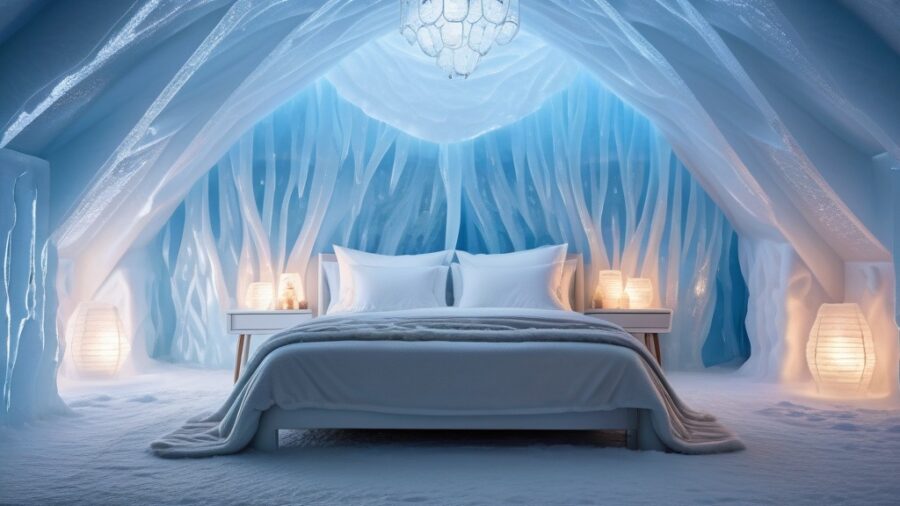
Ice Hotel Travel Unique: A Journey into the Extraordinary
When it comes to unique travel experiences, few can compare to staying in an ice hotel. These architectural marvels, constructed entirely from ice and snow, offer guests a magical retreat that blends luxury with the raw beauty of winter landscapes. In this article, we will explore the fascinating world of ice hotel travel, delving into their history, the top ice hotels around the globe, activities you can enjoy, and crucial tips for planning your visit.
Imagine sleeping on a bed made of ice, surrounded by intricate ice sculptures that glow under soft lighting. The allure of ice hotels lies not only in their unique accommodations but also in the unforgettable experiences they provide. As we embark on this journey, you will learn everything you need to know about these frosty getaways, ensuring that your trip is as memorable as the destination itself.
From the history that birthed these stunning hotels to the best places to experience them, this comprehensive guide will equip you with knowledge and insights. Prepare to uncover the unique charm of ice hotels and learn how to make the most of your icy adventure.
Introduction to Ice Hotels
What Are Ice Hotels?
Ice hotels are temporary structures built from large blocks of ice and snow, often located in cold climates where winter temperatures allow them to maintain their form. These hotels typically open during the winter months, attracting visitors seeking a unique and immersive experience. The first ice hotel, Hotel de Glace, was built in Quebec, Canada, in 2001, setting the stage for a new trend in hospitality.
Guests at ice hotels can enjoy various amenities, including ice bars, themed rooms, and even spa services, all designed to enhance the experience of staying in a frozen environment. The hotels are often adorned with stunning ice sculptures created by talented artists, adding an element of artistry to the icy surroundings.
The Appeal of Ice Hotels
The appeal of ice hotels goes beyond their aesthetic charm. For many, it represents a once-in-a-lifetime experience that combines adventure with luxury. Staying in an ice hotel allows visitors to connect with nature in a way that is both exhilarating and peaceful. Moreover, the quiet ambiance of a snow-covered landscape can be incredibly soothing, offering a contrast to the hustle and bustle of everyday life.
Additionally, ice hotels often provide unique activities, such as snowmobiling, ice fishing, and guided tours of the surrounding winter wonderland. These experiences create lasting memories and make the trip even more worthwhile.
The History of Ice Hotels
The Birth of Ice Hotels
The concept of ice hotels can be traced back to ancient traditions where igloos were constructed as temporary shelters. However, the modern ice hotel movement began in the late 20th century. In 1989, the first ice hotel was built in Sweden, known as the Icehotel. This pioneering establishment laid the groundwork for what would become a global phenomenon.
Over the years, various ice hotels have emerged across the globe, each bringing its unique twist to the concept. For instance, Hotel de Glace in Canada opened its doors in 2001, becoming the first ice hotel in North America. These hotels have evolved to include luxurious amenities, art installations, and innovative designs, attracting thousands of visitors each year.
Evolution and Innovations
As ice hotels gained popularity, they began to incorporate more sophisticated designs and sustainability practices. Many ice hotels now feature eco-friendly materials and energy-efficient practices, ensuring that their environmental impact is minimized. Ice hotels are typically rebuilt each year, which allows them to refresh their designs and incorporate new trends, making each visit a unique experience.
For example, the Icehotel in Sweden undergoes a complete renovation every winter, with new artistic themes created by different artists. This cyclical nature of ice hotels not only contributes to their uniqueness but also showcases the creativity and innovation within the hospitality industry.
Top Ice Hotels Around the World
Icehotel, Sweden
Located in Jukkasjärvi, the Icehotel in Sweden is perhaps the most famous ice hotel in the world. It has been a popular tourist destination since its inception in 1989. Each winter, artists from around the globe come to create stunning ice sculptures and themed rooms, making every visit a brand new experience. The hotel features an ice bar, ice chapel, and even an ice art gallery, all constructed from ice sourced from the nearby Torne River.
Visitors can enjoy a range of activities, including snowmobiling, dog sledding, and ice fishing. The hotel also offers guided tours, allowing guests to learn about the artistry involved in creating the intricate ice sculptures.
Hotel de Glace, Canada
Hotel de Glace, located in Quebec, Canada, is another top contender in the world of ice hotels. First opened in 2001, it features beautifully designed rooms, an ice bar, and a stunning ice slide. The hotel is renowned for its breathtaking ice sculptures and themed suites, which change every year.
One of the unique features of Hotel de Glace is its ability to offer year-round experiences, including a summer version of the hotel that features a high-tech, insulated structure that allows visitors to experience the magic of ice without freezing temperatures. The hotel is also committed to sustainability, using local materials and energy-efficient practices.
Activities to Enjoy at Ice Hotels
Winter Sports and Adventures
Staying at an ice hotel is not just about the unique accommodations; it also offers an array of exciting activities. Winter sports enthusiasts can indulge in snowmobiling, cross-country skiing, and snowshoeing. Many ice hotels have partnerships with local adventure companies, providing guided excursions for guests.
For instance, visitors at Icehotel in Sweden can embark on thrilling snowmobile tours through the Arctic wilderness, while those at Hotel de Glace can experience dog sledding, a traditional method of transportation in snowy regions. These activities not only provide adventure but also allow guests to appreciate the stunning natural landscapes surrounding the hotels.
Relaxation and Unique Experiences
In addition to adventurous activities, ice hotels also offer opportunities for relaxation and unique experiences. Many ice hotels feature ice bars where guests can sip cocktails served in glasses made of ice. This experience is complemented by the stunning ambiance created by the ice sculptures and mood lighting.
Guests can also enjoy spa services, including massages and wellness treatments, often offered in heated areas of the hotel. These experiences allow visitors to unwind while still enjoying the unique atmosphere of their icy surroundings. Additionally, some ice hotels offer workshops where guests can learn about ice sculpting or traditional winter crafts, adding a personal touch to their stay.
Planning Your Ice Hotel Trip
Best Time to Visit
When planning your trip to an ice hotel, it’s essential to consider the best time to visit. Most ice hotels operate from late December to early April, depending on the climate and weather conditions. The peak season typically falls between January and March, when the ice structures are at their most stunning and activities are in full swing.
However, visiting during the shoulder season can also offer a unique experience, with fewer crowds and potentially lower prices. Each hotel has its specific opening dates and events, so it’s advisable to check their websites for the latest information before booking your stay.
Booking Your Stay
Booking a stay at an ice hotel can be done through their official websites or through travel agencies specializing in unique accommodations. It’s recommended to book in advance, especially during peak season, as rooms can fill up quickly. Additionally, consider package deals that include activities, meals, and excursions to enhance your experience.
Travelers should also be aware of the different types of accommodations available. Many ice hotels offer a range of room options, from standard ice rooms to luxurious suites featuring unique designs and additional amenities. Choosing the right accommodation will ensure a comfortable and memorable stay.
What to Pack for an Ice Hotel Stay
Essential Clothing and Gear
Packing for an ice hotel stay requires careful consideration of the cold temperatures. Essential clothing items include thermal layers, insulated jackets, waterproof pants, and sturdy winter boots. It’s crucial to layer your clothing to ensure comfort in varying temperatures.
Accessories like hats, gloves, and scarves are also vital, as they help retain body heat. Additionally, packing moisture-wicking socks can help keep your feet warm and dry throughout your stay. Consider bringing a sleeping bag designed for extreme temperatures, as some ice hotels provide bedding but may not offer the same level of warmth as traditional accommodations.
Other Important Items
In addition to clothing, there are other essential items to pack for your ice hotel adventure. A good camera is a must for capturing the stunning ice sculptures and landscapes. Don’t forget a portable charger, as cold temperatures can drain batteries quickly. If you plan on participating in outdoor activities, consider packing sunscreen and sunglasses to protect against the sun’s reflection off the snow.
Finally, bringing personal items such as toiletries and any medications you may need is essential. While many ice hotels offer basic amenities, having your preferred products can enhance your comfort during your stay.
The Environmental Impact of Ice Hotels
Sustainability Practices
As unique as ice hotels are, they also raise questions about their environmental impact. Many ice hotels are committed to sustainability, utilizing local materials and minimizing waste. For instance, they often harvest ice from nearby rivers, ensuring that the resources used are natural and readily available.
Additionally, ice hotels are typically temporary structures that are rebuilt each year, minimizing their long-term impact on the environment. This cyclical nature allows for the preservation of the surrounding ecosystem while providing a unique experience for visitors.
Challenges and Considerations
Despite their sustainability efforts, ice hotels still face challenges related to climate change. Warmer winters and fluctuating temperatures can affect the construction and longevity of these hotels. Many ice hotels are now actively participating in conversations around climate change and are seeking innovative ways to adapt their practices.
Moreover, the tourism industry must balance the desire for unique experiences with the responsibility to protect natural resources. By promoting awareness and encouraging sustainable tourism practices, ice hotels can continue to thrive while preserving the environment for future generations.
Conclusion and Key Takeaways
In conclusion, ice hotel travel offers a truly unique and unforgettable experience for those seeking adventure and luxury in a winter wonderland. From the fascinating history of ice hotels to the top destinations around the world, it is clear that these frosty retreats have captured the imagination of travelers. Visitors can enjoy a variety of activities, from thrilling winter sports to relaxing spa treatments, ensuring that their stay is both exciting and rejuvenating.
Planning your trip requires careful consideration of factors such as timing, accommodation options, and what to pack. With proper preparation, you can fully immerse yourself in the magic of ice hotels, creating memories that will last a lifetime. As the world continues to change, ice hotels are striving to maintain their commitment to sustainability, ensuring that these extraordinary experiences remain available for generations to come.
Frequently Asked Questions about Ice Hotels
1. Are ice hotels safe to stay in?
Yes, ice hotels are designed with safety in mind. They are constructed using solid blocks of ice and snow, and temperatures inside the hotel are maintained at a comfortable level. Guests are provided with insulated sleeping bags and bedding to ensure warmth during their stay.
2. What amenities can I expect at an ice hotel?
Amenities at ice hotels vary but often include ice bars, themed rooms, hot tubs, and spa services. Many ice hotels also offer guided tours and winter activities, enhancing the overall experience for guests.
3. Can I visit an ice hotel in the summer?
While most ice hotels operate only during the winter months, some, like Hotel de Glace, offer summer experiences in insulated structures that mimic the ice hotel ambiance without freezing temperatures. It’s best to check with individual hotels for availability.
4. What is the best way to get to an ice hotel?
Accessibility varies by location, but many ice hotels are reachable by car or public transport. Some hotels offer shuttle services from nearby airports or train stations, making it easier for guests to reach their winter destination.
5. How do ice hotels maintain their structures?
Ice hotels are rebuilt every winter using fresh ice harvested from nearby rivers or lakes. The construction usually begins in November, and the hotels remain operational until they naturally melt in the spring. This cycle allows for unique designs and artistic expressions each year.
Recap
- Ice hotels offer a unique and luxurious experience in winter landscapes.
- The first ice hotel, Icehotel, was established in Sweden in 1989.
- Top ice hotels include Icehotel in Sweden and Hotel de Glace in Canada.
- Activities at ice hotels range from winter sports to relaxation and spa services.
- Planning your trip involves considering the best time to visit and what to pack.
- Sustainability practices are a priority for many ice hotels, minimizing their environmental impact.
- Staying in an ice hotel is a safe and memorable experience for adventurers and luxury seekers alike.
This content is informative and does not substitute for medical or psychological evaluation or treatment.