
Introduction
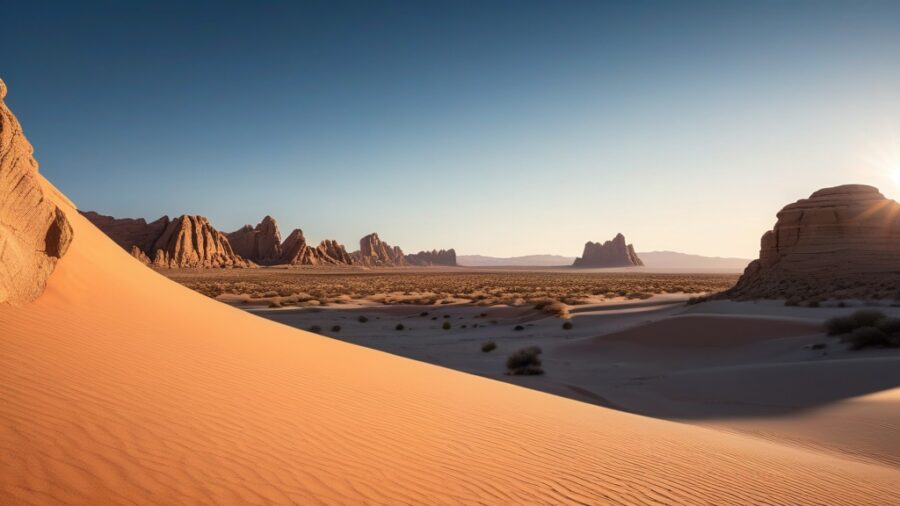
Desert travel offers an unparalleled opportunity to explore unique landscapes that are both breathtaking and diverse. From the rolling dunes of the Sahara to the rugged canyons of the American Southwest, deserts are home to some of the most stunning vistas on the planet. In this article, we will delve into the allure of desert travel, examining the unique landscapes, cultural experiences, and adventure activities that await travelers in these arid regions.
As you embark on this journey through the world’s deserts, you will discover not only the natural beauty that defines these environments but also the rich cultures and histories that thrive in such challenging conditions. Whether you’re a seasoned traveler or planning your first desert adventure, there is much to learn and experience. This article will equip you with the knowledge you need to make the most of your desert travels.
By the end of this guide, you will understand why desert travel is not just about the landscapes, but also about the stories and experiences that shape our understanding of these unique regions. Prepare to be inspired as we explore the wonders of desert travel and the unique landscapes that await you.
The Allure of Desert Travel
Deserts, with their vast open spaces and dramatic scenery, have a magnetic appeal for many travelers. The sense of isolation and tranquility found in these regions allows for a unique experience of nature. Many people are drawn to the stark contrast between the arid land and the vibrant colors that emerge during sunrise and sunset.
Natural Beauty and Serenity
The natural beauty of deserts is often underestimated. For instance, the Sahara Desert spans over 9 million square kilometers and hosts a variety of ecosystems, including sand dunes, rocky plateaus, and salt flats. The serenity found in such expansive landscapes is unlike anything in more populated areas. Travelers often find solace in the quietude, making it a perfect destination for reflection and rejuvenation.
Unique Flora and Fauna
Deserts are also home to a range of unique flora and fauna that have adapted to survive in extreme conditions. For example, the Sonoran Desert in North America is known for its diverse plant life, including the iconic saguaro cactus, which can live for over 150 years. These adaptations showcase the resilience of life in harsh environments and can be a fascinating aspect of desert travel.
Unique Landscapes of the World’s Deserts
The landscapes found in deserts vary widely, offering a rich tapestry of natural wonders. Each desert has its own characteristics that make it unique, from towering sand dunes to rugged mountain ranges.
Sand Dunes and Rocky Formations
One of the most iconic features of deserts is the sand dune. For instance, the Namib Desert in Namibia is home to some of the tallest sand dunes in the world, such as Dune 45, which rises approximately 170 meters. These dunes, shaped by the wind, create a mesmerizing landscape that changes constantly. In contrast, the Atacama Desert in Chile features rocky formations and salt flats, showcasing a different kind of beauty.
Canyons and Valleys
Deserts also boast impressive canyons and valleys that tell the story of geological processes over millions of years. The Grand Canyon, carved by the Colorado River, is a prime example of the stunning landscapes found in desert regions. Stretching 277 miles long and reaching depths of over a mile, this natural wonder is a testament to the power of erosion and offers breathtaking views at every turn.
| Desert | Key Features | Location |
|---|---|---|
| Sahara | Vast sand dunes, oases | Africa |
| Namib | Tall sand dunes, unique wildlife | Namibia |
| Atacama | Salt flats, multi-colored rocks | Chile |
| Sonoran | Saguaro cacti, diverse wildlife | United States/Mexico |
| Grand Canyon | Deep canyon, layered rock formations | United States |
Cultural Experiences in Desert Regions
Exploring the cultural aspects of desert regions adds a profound dimension to your travels. Many deserts are inhabited by indigenous communities whose cultures and traditions have adapted to the harsh environments.
Indigenous Cultures and Traditions
In the Sahara, for instance, the Tuareg people have thrived for centuries, mastering the art of navigation across vast sand seas. Their rich traditions, including music, storytelling, and craftsmanship, offer travelers a glimpse into a way of life that is deeply connected to the desert. Engaging with local communities can enhance your travel experience and provide insights into their customs and challenges.
Festivals and Events
Many desert regions host unique festivals that celebrate their culture and heritage. The Oasis Festival in Morocco, for example, brings together music, art, and wellness in a stunning desert setting. Events like these allow visitors to immerse themselves in local traditions while enjoying the beauty of the desert landscape.
Adventure Activities in the Desert
Deserts are not only about serene landscapes; they are also playgrounds for adventure enthusiasts. A variety of activities can be enjoyed, catering to different levels of thrill-seeking.
Sandboarding and Dune Bashing
For those seeking adrenaline, sandboarding down the towering dunes of the Namib Desert or embarking on a dune bashing adventure in the Dubai Desert can be exhilarating. These activities provide a fun way to experience the unique topography of deserts while enjoying the stunning views they offer.
Hiking and Stargazing
Hiking in desert regions can lead to breathtaking vistas and unique geological formations. For instance, the Joshua Tree National Park in California features numerous trails that showcase the desert’s beauty. Additionally, deserts are renowned for their clear night skies, making stargazing an unforgettable experience. The lack of light pollution allows for stunning views of the Milky Way and other celestial wonders.
| Activity | Description | Best Locations |
|---|---|---|
| Sandboarding | Sliding down sandy dunes on a board | Namib Desert, Dubai |
| Dune Bashing | Off-road driving over sand dunes | Dubai Desert |
| Hiking | Exploring desert landscapes on foot | Joshua Tree, Grand Canyon |
| Stargazing | Observing celestial bodies in clear skies | Various desert locations |
Planning Your Desert Travel
Planning a trip to the desert requires careful consideration to ensure a safe and enjoyable experience. The unique challenges posed by these environments necessitate thorough preparation.
Best Times to Visit
The best time to visit most deserts is during the cooler seasons, typically from late fall to early spring. For example, the Death Valley in California can reach scorching temperatures during summer months, making it less suitable for travel. Planning your visit during these cooler months allows for more comfortable exploration.
Essential Gear and Safety Tips
When traveling in desert regions, it’s important to pack appropriate gear. Essential items include plenty of water, sunscreen, a wide-brimmed hat, and sturdy footwear. Additionally, understanding basic safety tips, such as navigating with a map and compass, can enhance your experience and ensure your safety.
Conclusion
Desert travel opens the door to unique landscapes and cultural experiences that are unparalleled. From the vast expanses of sand dunes to the intricate histories of indigenous peoples, deserts offer a wealth of experiences for any traveler. The adventure activities available, coupled with the breathtaking natural beauty, make these regions a must-visit for those seeking something different.
As you plan your journey, remember to embrace the challenges and delights that come with desert travel. With the right preparation, you can explore these remarkable landscapes while gaining a deeper understanding of the cultures and communities that inhabit them. Your desert adventure awaits!
FAQ
What is the best time to travel to the desert?
The best time to visit most desert regions is during the cooler months, typically from late fall to early spring. This allows for more comfortable temperatures while exploring the unique landscapes.
What activities can I do in the desert?
Desert activities include sandboarding, dune bashing, hiking, and stargazing. Each of these activities offers a unique perspective on the desert environment and can cater to different adventure levels.
Are there any health precautions I should take when traveling to the desert?
Yes, it is important to stay hydrated and protect yourself from the sun. Bring plenty of water and apply sunscreen frequently to avoid sunburn and heat-related illnesses.
Can I experience local culture in desert regions?
Absolutely! Many desert regions are home to indigenous communities that offer rich cultural experiences through local customs, festivals, and traditions. Engaging with these communities can enhance your travel experience.
How should I prepare for a desert trip?
Preparation for a desert trip includes packing appropriate gear, understanding the terrain, and researching the best times to visit. Essential items include water, sunscreen, and a map for navigation.
- Desert travel reveals unique landscapes and cultural experiences.
- Sand dunes and rocky formations are highlights of desert geography.
- Engaging with local cultures enriches the travel experience.
- Adventure activities offer excitement in desert environments.
- Preparation is key for a safe and enjoyable desert trip.
- Exploring deserts can lead to stunning stargazing opportunities.
- Traveling during cooler months enhances comfort and enjoyment.
- Deserts are home to diverse flora and fauna, showcasing resilience.
This content is informative and does not replace medical or psychological evaluation or treatment.