
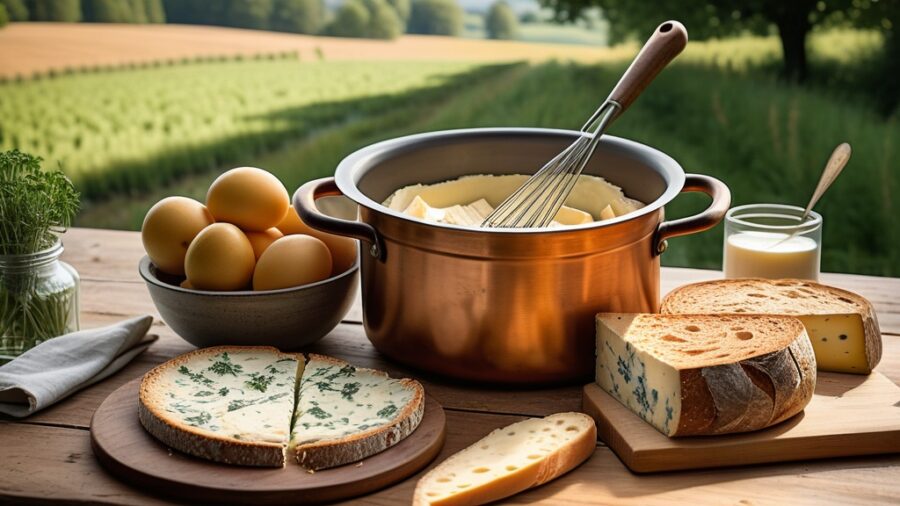
French Cuisine Culinary Heritage: A Deep Dive into Its Rich History
French cuisine culinary heritage is a treasure trove of flavors, techniques, and traditions that have evolved over centuries. This vibrant culinary culture reflects the diversity of the French landscape and the influence of its history, making it one of the most celebrated cuisines globally. In this article, we will explore the historical roots of French cuisine, key techniques that define it, influential dishes, regional variations, and the role of French cuisine in modern gastronomy.
As we delve into this fascinating topic, you will discover how French culinary heritage has shaped not only the culinary landscape of France but also the global food scene. From the classic sauces to the intricate pastry techniques, understanding these elements will provide a greater appreciation for the artistry involved in French cooking. By the end of our journey, you will have a comprehensive understanding of what makes French cuisine a pillar of culinary excellence.
Join us as we embark on this flavorful journey through the rich tapestry of French culinary heritage, where tradition meets innovation, and every dish tells a story.
The Historical Roots of French Cuisine
The Influence of Geography and Climate
The historical roots of French cuisine are deeply intertwined with the country’s diverse geography and climate. France is home to a variety of landscapes, from coastal regions to mountainous terrains, each contributing unique ingredients and cooking methods. For instance, the coastal areas of Brittany are famous for their seafood, while the fertile plains of the Loire Valley provide an abundance of fresh produce.
The climate also plays a significant role in determining what ingredients are available in different regions throughout the year. This regional diversity has led to distinct culinary practices that highlight local ingredients, making French cuisine a mosaic of flavors and traditions. The use of fresh herbs, vegetables, and proteins reflects the seasonal changes and local abundance, creating a cuisine that is both dynamic and rooted in its environment.
Historical Events Shaping French Cuisine
The evolution of French cuisine has been significantly influenced by historical events. The **Middle Ages** marked the beginning of a more structured approach to cooking, with the introduction of spices and new ingredients brought by trade routes. The Renaissance period further enhanced culinary practices, as the French court embraced refined dining and elaborate presentations, leading to the establishment of haute cuisine.
During the **18th century**, the French Revolution brought about significant changes in society, including the democratization of food. Chefs who once served the aristocracy began to open restaurants, making fine dining accessible to the general public. This shift not only popularized French cuisine but also led to the creation of iconic dishes that remain staples today.
Key Techniques in French Culinary Arts
Classic Cooking Techniques
French culinary heritage is renowned for its foundational cooking techniques that form the basis of many culinary schools worldwide. Techniques such as **sautéing, braising, roasting,** and **poaching** are essential skills that every chef must master. These methods not only enhance the flavors of ingredients but also allow for creativity in presentation and combination.
For example, sautéing involves cooking food quickly in a small amount of fat, allowing the natural flavors to shine through. This technique is often used with vegetables and proteins, creating dishes that are both vibrant and flavorful. Braising, on the other hand, is a slow-cooking method that tenderizes tougher cuts of meat, infusing them with rich flavors from the cooking liquid.
The Art of Sauces and Stocks
One of the cornerstones of French cuisine is the preparation of sauces and stocks. The **mother sauces**—béchamel, velouté, espagnole, hollandaise, and tomato—serve as the foundation for countless derivative sauces that elevate dishes to new heights. Mastering these sauces is essential for any aspiring chef, as they showcase the depth and complexity of French flavors.
Stocks, whether made from meat, fish, or vegetables, provide the base for many soups and sauces. The process of creating a rich stock requires time and attention to detail, as it involves simmering bones or vegetables with aromatic herbs and spices to extract maximum flavor. This technique reflects the importance of foundational skills in French culinary heritage, where quality ingredients and patience are key to achieving culinary excellence.
| Technique | Description | Examples |
|---|---|---|
| Sautéing | Cooking quickly in a small amount of fat | Vegetable stir-fry, chicken piccata |
| Braising | Slow cooking in a covered pot with liquid | Beef bourguignon, coq au vin |
| Poaching | Cooking gently in simmering liquid | Poached eggs, poached salmon |
| Creating Sauces | Combining ingredients to enhance flavor | Hollandaise for eggs benedict, béchamel for lasagna |
Influential French Dishes and Their Origins
Classic French Dishes
French cuisine is replete with iconic dishes, each carrying a rich history and cultural significance. One of the most celebrated is **coq au vin**, a dish that dates back to ancient times. Traditionally made with rooster braised in red wine, it embodies the rustic flavors of rural France. This dish highlights the importance of using local ingredients while showcasing the technique of braising.
Another classic is **ratatouille**, a vegetable medley that originates from the Provence region. Made with seasonal vegetables such as zucchini, eggplant, and bell peppers, ratatouille is a testament to the French philosophy of celebrating fresh produce. Its roots can be traced back to humble beginnings, yet it has evolved into a symbol of French culinary artistry.
Modern Interpretations of Traditional Dishes
As French cuisine continues to evolve, chefs are reinterpreting traditional dishes with modern twists. For instance, the humble **quiche** has transcended its origins as a simple egg and cream tart to become a gourmet dish found in upscale restaurants. Variations now include a range of fillings, from smoked salmon to seasonal vegetables, reflecting contemporary tastes and dietary preferences.
Similarly, desserts like **crème brûlée** have seen creative adaptations, with flavors such as lavender or passion fruit being introduced. These modern interpretations demonstrate how French culinary heritage remains dynamic, allowing chefs to innovate while respecting traditional techniques and flavors.
Regional Variations in French Cooking
Exploring French Regions
French cuisine is not monolithic; it varies greatly by region, each boasting its own specialties, ingredients, and cooking styles. In the northern region of **Normandy**, the cuisine is heavily influenced by the sea, featuring dishes like **moules marinières** (mussels in white wine) and creamy **Camembert** cheese. The region’s rich dairy products and seafood reflect its coastal geography.
In contrast, the southern region of **Provence** is known for its vibrant flavors, utilizing ingredients such as olives, garlic, and herbs de Provence. Here, dishes like **bouillabaisse**, a traditional fish stew, highlight the abundance of fresh seafood and aromatic herbs that characterize the region’s culinary identity.
Distinct Ingredients and Cooking Styles
Each French region prides itself on specific ingredients that shape its culinary landscape. For example, the **Alsace** region, bordering Germany, is known for its use of sauerkraut and sausages, reflecting its cultural influences. In contrast, **Burgundy** is famous for its rich wines and hearty beef dishes, such as **beef bourguignon**, which utilize locally sourced ingredients to create robust flavors.
This regional diversity not only enhances the complexity of French cuisine but also reveals the deep connection between culture, geography, and food. Understanding these variations enriches our appreciation for the culinary heritage of France and the stories behind each dish.
| Region | Specialty Ingredients | Iconic Dishes |
|---|---|---|
| Normandy | Seafood, dairy | Moules marinières, Camembert |
| Provence | Olives, garlic, herbs | Bouillabaisse, ratatouille |
| Alsace | Sauerkraut, sausages | Choucroute garnie |
| Burgundy | Wines, beef | Beef bourguignon, coq au vin |
The Role of French Cuisine in Modern Gastronomy
Influence on Global Culinary Trends
French cuisine has long been considered the cornerstone of modern gastronomy. Its techniques, flavors, and presentation styles have influenced chefs and culinary schools worldwide. The emphasis on technique and precision in French cooking serves as a foundation for many culinary arts programs, shaping the next generation of chefs.
Moreover, the rise of **nouvelle cuisine** in the 1970s marked a significant shift towards lighter dishes and more creative presentations. This movement emphasized fresh ingredients, artistic plating, and a focus on flavor over heavy sauces, influencing how cuisine is approached globally. Today, many chefs draw inspiration from French culinary principles, adapting them to their local cultures and ingredients.
The Michelin Guide and Culinary Recognition
The **Michelin Guide**, established in 1900, has played a pivotal role in the recognition of French cuisine on the global stage. This prestigious guide awards Michelin stars to restaurants based on the quality of their food, service, and overall dining experience. Receiving a Michelin star is considered one of the highest honors in the culinary world, and many chefs aspire to achieve this recognition.
The impact of the Michelin Guide extends beyond France, as it has inspired culinary excellence worldwide. Many countries now have their own Michelin Guide, further spreading the influence of French culinary heritage and elevating the standards of fine dining globally.
Conclusion
In conclusion, the rich tapestry of French cuisine culinary heritage is a testament to the country’s diverse geographical influences, historical events, and culinary techniques. From its deep-rooted history to its modern interpretations, French cuisine continues to captivate and inspire food lovers around the world. The classic techniques, iconic dishes, and regional variations showcase the complexity and richness of this culinary tradition.
As we move forward in the culinary landscape, the influence of French cuisine remains strong, shaping global culinary trends and inspiring chefs to push the boundaries of creativity while honoring tradition. By understanding the historical roots and key techniques of French cuisine, we gain a greater appreciation for the artistry involved in every dish and the cultural significance behind each flavor.
FAQ
What are the core principles of French cuisine?
The core principles of French cuisine include the emphasis on high-quality ingredients, mastering fundamental cooking techniques, and the importance of presentation. Classic techniques such as sautéing, braising, and creating sauces form the foundation of French culinary arts.
How has French cuisine influenced global cooking?
French cuisine has influenced global cooking by introducing techniques and flavors that have been adopted worldwide. Culinary schools often base their programs on French cooking methods, and many chefs incorporate French principles into their own culinary practices.
What are some iconic French dishes?
Some iconic French dishes include coq au vin, ratatouille, bouillabaisse, and crème brûlée. Each dish reflects the rich history and regional diversity of French cuisine, showcasing the use of local ingredients and traditional cooking techniques.
What is the significance of the Michelin Guide?
The Michelin Guide is significant because it recognizes the quality of dining experiences and culinary excellence. Receiving a Michelin star is considered a prestigious honor, influencing chefs and restaurants to strive for high standards in food and service.
How does regional variation affect French cuisine?
Regional variation affects French cuisine by introducing unique ingredients, cooking styles, and traditional dishes that reflect the local culture and geography. Each region has its own specialties, contributing to the overall diversity of French culinary heritage.
Recap
- French cuisine culinary heritage is a blend of history, geography, and culture.
- Key techniques include classic cooking methods and the art of sauces.
- Iconic dishes like coq au vin and ratatouille have deep historical roots.
- Regional variations highlight distinct ingredients and cooking styles across France.
- French cuisine continues to influence modern gastronomy globally.
- The Michelin Guide plays a crucial role in recognizing culinary excellence.
- Understanding French cuisine enriches our appreciation for culinary artistry.
- French cooking emphasizes quality ingredients and meticulous techniques.
This content is informative and does not substitute for medical or psychological evaluation or treatment.