
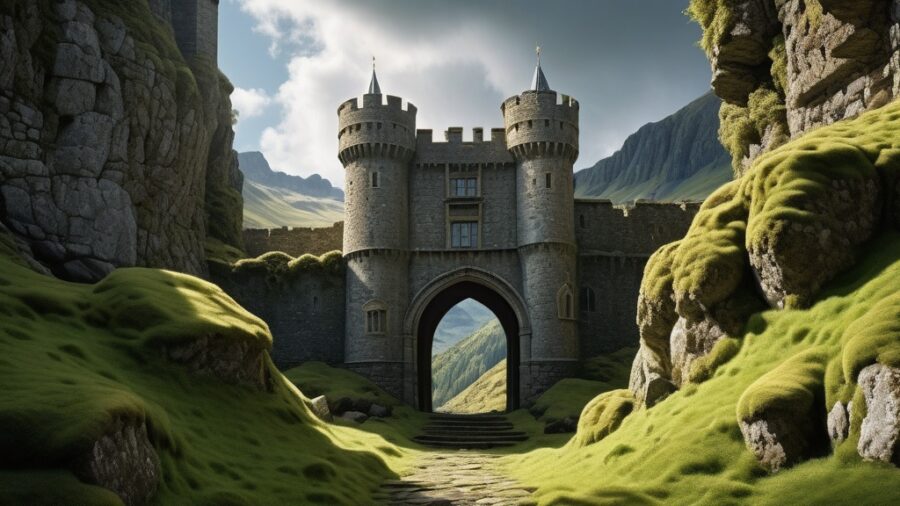
Introduction to Medieval Castles
Medieval castles represent a fascinating chapter in history, encapsulating the essence of power, protection, and architectural ingenuity. These grand structures serve as a testament to the social and political dynamics of their time, showcasing the evolution of medieval castles history architecture through various periods. From their origins in the early Middle Ages to their transformation in the late period, castles were not merely residences but strategic fortifications that shaped the landscape of Europe.
In this article, we will delve deep into the history of medieval castles, examining their origins, distinctive architectural features, and the various types that emerged throughout the centuries. Additionally, we will explore the critical roles these structures played in society, highlight some of the most famous castles across Europe, and discuss the evolution of castle architecture over time. Finally, we will address the ongoing efforts in preservation and restoration, ensuring that these historical marvels endure for future generations.
By the end of this exploration, readers will gain a comprehensive understanding of medieval castles, their architectural significance, and their lasting impact on cultural heritage. Join us as we embark on this journey through time and discover the grandeur of medieval castles.
The Origins of Medieval Castles
The Early Beginnings
The origins of medieval castles can be traced back to the 9th century when the need for fortified structures became apparent amid the turmoil of invasions and conflicts. The first examples were simple wooden structures, often built on elevated ground, which provided strategic advantages for defense. These early castles, known as motte-and-bailey castles, consisted of a raised earthwork (motte) topped with a wooden or stone keep and an enclosed courtyard (bailey).
As the feudal system began to take shape, the demand for more permanent and fortified residences increased. By the 11th century, stone castles began to emerge, offering enhanced durability and protection against sieges. The advent of stone construction marked a significant turning point in medieval castles history architecture, paving the way for the impressive stone fortifications that would dominate the landscape.
The Role of Feudalism
The rise of feudalism was a driving force behind the proliferation of castles throughout Europe. Lords and nobles required fortified homes to protect their lands and assert their authority over vassals. Castles became symbols of power and wealth, often strategically located to control trade routes and agricultural resources. This period saw a rapid expansion in castle construction, with various regions developing their unique styles influenced by local materials and architectural practices.
By the 12th century, the design of castles began to evolve, incorporating advanced defensive features such as curtain walls, towers, and arrow slits. This evolution reflected the changing nature of warfare and the increasing sophistication of siege tactics. Castles became more than just residences; they were critical components of military strategy, shaping the geopolitical landscape of medieval Europe.
Architectural Features of Medieval Castles
Defensive Structures
The architecture of medieval castles was primarily focused on defense, which is evident in their various fortifications. Key features included thick stone walls, often several meters high, designed to withstand attacks. Towers were strategically placed at corners or along walls to provide vantage points for archers and soldiers. The introduction of battlements allowed defenders to shield themselves while launching projectiles at attackers.
Another significant defensive feature was the drawbridge, which provided access to the castle while allowing for quick closure during a siege. Moats, often filled with water, further enhanced security by creating a physical barrier against invaders. These elements combined to create formidable strongholds that could endure prolonged attacks.
Residential and Functional Spaces
Beyond their defensive capabilities, medieval castles also served as residences for noble families. The interior of these structures was designed to accommodate various functions. Great halls were the heart of social life, hosting feasts, gatherings, and judicial proceedings. These halls were often adorned with tapestries and banners, reflecting the status of the inhabitants.
Living quarters for the lord and his family were typically located in the upper levels, providing privacy and security. Servants and soldiers were housed in separate quarters, ensuring a clear hierarchy within the castle. The layout of these spaces not only catered to the needs of the inhabitants but also reinforced the social order that defined medieval society.
Types of Medieval Castles
Motte-and-Bailey Castles
Motte-and-bailey castles represent one of the earliest types of medieval fortifications. Characterized by their earthworks, these castles typically featured a motte (a raised mound) topped with a wooden keep and an adjacent bailey enclosed by a wooden palisade. This design allowed for rapid construction and could be easily defended against attackers.
Initially popular in England and France during the 11th century, motte-and-bailey castles gradually evolved into more complex structures as the need for durability increased. The transition from wood to stone became evident, and modifications included the construction of stone keeps and fortified walls.
Stone Castles
As medieval society progressed, stone castles became the predominant form of fortification. These structures were built to withstand sieges and were characterized by their robust stone walls and intricate designs. The transition to stone construction allowed for greater architectural complexity, including the addition of towers, crenellations, and advanced defensive mechanisms.
Stone castles varied in design based on regional influences, but they typically featured a central keep surrounded by a curtain wall. Notable examples include the Tower of London and Edinburgh Castle, both of which showcase the grandeur and military significance of stone castle architecture.
The Role of Castles in Society
Military Function and Defense
Castles played a crucial role in the military landscape of medieval Europe. They served as command centers for local lords, allowing for effective control over their territories. The strategic placement of castles along borders or key trade routes enabled lords to monitor movement and respond swiftly to threats.
During periods of conflict, castles acted as sanctuaries for local populations seeking refuge from invading forces. The garrisons stationed in castles provided protection and maintained order within the surrounding areas. This military function reinforced the importance of castles in the feudal system, solidifying the power of the nobility.
Political and Social Influence
Beyond their military significance, castles were symbols of political power and status. Nobles used their castles to assert dominance over vassals and demonstrate their wealth. The grandeur of a castle often reflected the lord’s standing within the feudal hierarchy, with intricate designs and lavish interiors serving as markers of prestige.
Castles also functioned as centers of administration, where lords conducted legal matters and resolved disputes. The presence of a castle often shaped the development of towns, as communities grew around these fortified structures. This relationship between castles and society underscores their multifaceted roles in medieval life.
Famous Medieval Castles Around Europe
Neuschwanstein Castle
Located in Bavaria, Germany, Neuschwanstein Castle is one of the most iconic examples of romanticized medieval architecture. Commissioned by King Ludwig II in the 19th century, it reflects a blend of medieval styles and fairy-tale aesthetics. The castle’s picturesque setting amidst the Alps has made it a popular tourist destination, attracting millions of visitors each year.
Despite being built in the late 19th century, Neuschwanstein draws heavily from medieval designs, showcasing features such as turrets, balconies, and intricate stonework. Its story reflects the enduring fascination with medieval castles and their architectural legacy.
Château de Chambord
Situated in the Loire Valley of France, the Château de Chambord is a masterpiece of Renaissance architecture infused with medieval elements. Commissioned by King Francis I in the early 16th century, this castle features a distinctive double helix staircase and a facade adorned with ornate details.
Chambord exemplifies the transition from medieval to Renaissance architecture, showcasing the evolution of design principles while retaining the defensive characteristics of earlier castles. Its grandeur and artistic significance have earned it recognition as a UNESCO World Heritage Site.
The Evolution of Castle Architecture
From Fortifications to Palaces
The evolution of castle architecture reflects the changing needs and values of society. Initially designed for defense, castles gradually transformed into symbols of luxury and prestige. As the threat of invasion diminished, the focus shifted from military functionality to comfort and aesthetics.
By the late Middle Ages, castles began to incorporate elements of Renaissance architecture, such as symmetry and classical proportions. This transition marked a departure from the austere designs of earlier centuries, as noble families sought to showcase their wealth through ornate decorations and expansive gardens.
Architectural Innovations
Throughout history, architectural innovations played a pivotal role in shaping castle designs. The introduction of gunpowder in the late medieval period necessitated adaptations to castle fortifications. Walls had to be thickened, and new shapes such as star forts emerged to counteract artillery fire.
Additionally, the use of architectural features such as bastions and angled walls became prevalent, allowing for improved defense against siege tactics. The evolution of castle architecture is a testament to the adaptability of design in response to changing military technology and societal needs.
Preservation and Restoration of Castles Today
The Importance of Preservation
As historical landmarks, medieval castles face numerous challenges regarding preservation and restoration. Many castles have succumbed to the ravages of time, with structural deterioration posing significant risks. Preservation efforts are essential to maintain the integrity of these structures and ensure their survival for future generations.
Organizations and governments across Europe have initiated various restoration projects, focusing on both structural stability and the authenticity of historical features. These efforts aim to balance the need for modern accessibility with the integrity of the original architecture.
Challenges and Successes
Restoring medieval castles is not without its challenges. Funding limitations, environmental factors, and the complexities of historical accuracy can complicate preservation efforts. However, successful projects, such as the restoration of Carcassonne in France, demonstrate the potential for revitalizing these iconic structures.
Through careful planning and collaboration with historians and architects, many castles have been brought back to life, allowing visitors to experience their historical significance. These efforts not only preserve architectural heritage but also contribute to local economies through tourism.
Conclusion
In conclusion, the study of medieval castles reveals a rich tapestry of history, architecture, and societal evolution. From their humble beginnings as wooden fortifications to their transformation into grand stone structures, castles have played a pivotal role in shaping the landscape of Europe. Their architectural features reflect the changing dynamics of warfare, politics, and culture throughout the ages.
Furthermore, the ongoing efforts in preservation and restoration highlight the importance of safeguarding these historical landmarks for future generations. As we continue to explore the legacy of medieval castles, we gain insights into the societal values and architectural innovations that defined an era. Understanding this history allows us to appreciate the significance of these structures as more than mere relics of the past, but as living testaments to human ingenuity and resilience.
FAQ
What is the primary purpose of medieval castles?
The primary purpose of medieval castles was to serve as fortified residences for the nobility, providing protection against invasions and serving as military strongholds. They were also centers of administration and symbols of power within the feudal system.
What are the different types of medieval castles?
There are several types of medieval castles, including motte-and-bailey castles, stone castles, and concentric castles. Each type evolved based on the needs of the time and the materials available for construction.
Which famous castles are notable in Europe?
Notable castles in Europe include Neuschwanstein Castle in Germany, Château de Chambord in France, and Edinburgh Castle in Scotland. Each of these castles showcases unique architectural features and historical significance.
How has castle architecture evolved over time?
Castle architecture has evolved from simple wooden structures to complex stone fortifications. Over time, designs incorporated defensive innovations, transitioned to more luxurious features, and adapted to changes in military technology.
What are the challenges in preserving medieval castles?
Challenges in preserving medieval castles include funding limitations, environmental damage, and the need for historical accuracy in restoration efforts. Successful preservation often requires collaboration between historians, architects, and local governments.
- Medieval castles were primarily built for defense and residence.
- The motte-and-bailey design was one of the earliest castle forms.
- Stone castles became prominent in the 11th century and featured advanced defensive structures.
- Castles served as symbols of power and status within feudal society.
- Famous examples include Neuschwanstein Castle and Château de Chambord.
- Castle architecture evolved to include luxury and aesthetic features over time.
- Preservation efforts are crucial for maintaining historical integrity.
- Challenges in restoration include funding and environmental factors.