
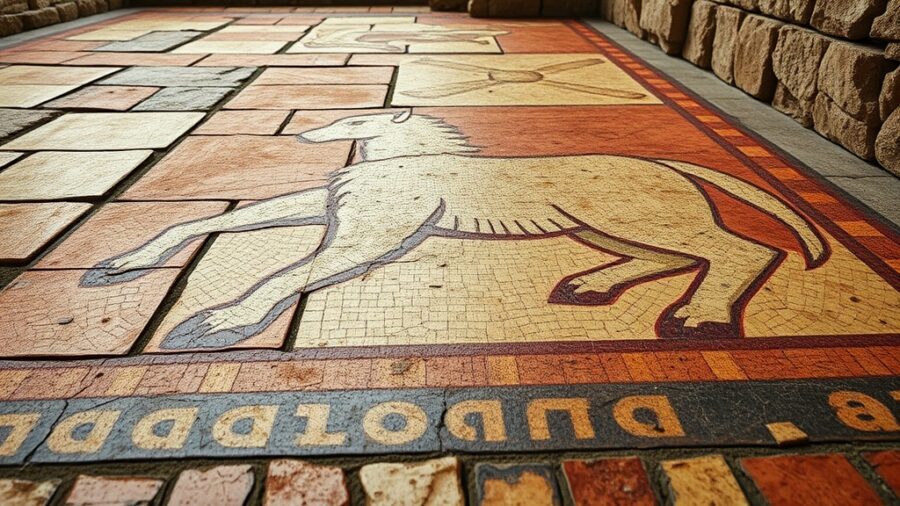
Roman Mosaic Art Floors: A Timeless Craft
Roman mosaic art floors represent a unique and enduring aspect of ancient artistic expression, showcasing the exceptional craftsmanship and aesthetic sensibilities of the Romans. These intricate designs, made from small pieces of colored stone, glass, or ceramics, not only adorned the floors of villas and public buildings but also served as a medium for storytelling and cultural representation. In this article, we will delve into the history, techniques, materials, and significance of Roman mosaic art floors, exploring their impact on modern design and the challenges faced in their preservation.
The art of creating mosaics dates back thousands of years, but it reached its zenith during the Roman Empire, particularly from the 1st century BC to the 4th century AD. As we journey through the evolution of this art form, you will discover how these vibrant floors played a vital role in Roman architecture and everyday life. Furthermore, we will examine famous examples and the techniques that have allowed these artworks to endure through the ages.
By the end of this article, readers will gain a comprehensive understanding of Roman mosaic art floors, their historical significance, and the ongoing efforts to preserve this invaluable heritage for future generations. Whether you are an art enthusiast, a historian, or simply curious about ancient cultures, you will find rich insights and inspiring stories within these pages.
The Historical Significance of Roman Mosaic Art
Roman mosaic art floors were not merely decorative; they held substantial cultural and historical significance. They served as a reflection of the social status of their owners, with more elaborate mosaics typically found in the homes of the wealthy. The themes depicted in these mosaics often carried deeper meanings, illustrating mythology, daily life, and nature.
Symbolism and Cultural Reflection
The designs used in Roman mosaics were often symbolic. For instance, motifs such as the medusa or the lion represented protection and power, while nature scenes depicted harmony with the environment. These themes allowed the Romans to communicate their values and beliefs through art.
Historical Context and Development
The development of mosaic art can be traced back to the Greeks, but it was the Romans who perfected the technique. By the 1st century BC, mosaics became a prominent feature in Roman architecture, particularly in Pompeii and Herculaneum. The remains of these cities revealed exquisite mosaic floors that have provided historians with insights into Roman life.
Techniques Used in Creating Roman Mosaic Floors
The creation of Roman mosaic floors involved a meticulous process that required skill and precision. This craft included several distinct techniques, which contributed to the diversity of designs seen in Roman mosaics. Understanding these techniques is essential for appreciating the artistry involved.
Tesserae Placement
At the heart of mosaic creation is the use of tesserae, small pieces of stone, glass, or ceramics. Artisans would carefully select and cut these materials to achieve the desired colors and textures. The placement of tesserae was crucial, as it determined the overall composition and visual impact of the mosaic.
Grouting and Finishing
Once the tesserae were laid out, artisans applied grout to secure them in place. This step was not only functional but also contributed to the aesthetic finish of the floor. The grouting process ensured durability, allowing many mosaics to survive to this day. Techniques varied by region, with some artisans experimenting with patterns and shading to enhance depth and realism.
| Technique | Description | Materials Used |
|---|---|---|
| Tesserae Placement | Arranging small pieces to create designs. | Stone, glass, ceramics. |
| Grouting | Applying material to secure tesserae. | Mortar, cement. |
Materials Commonly Used in Roman Mosaics
The choice of materials played a pivotal role in the vibrancy and durability of Roman mosaic art floors. The Romans utilized a variety of natural and manufactured materials that contributed both to the aesthetic appeal and the longevity of their mosaics.
Natural Stones
Natural stones, such as marble, limestone, and slate, were commonly used in mosaics due to their availability and durability. Marble, in particular, was prized for its wide range of colors and patterns, allowing artisans to create intricate designs that showcased their skill.
Glass and Ceramics
In addition to stone, glass tesserae became increasingly popular in the later years of the Roman Empire. These colorful glass pieces could be produced in various hues and were often used to create more vibrant mosaics. Ceramic tiles, known as opus signinum, were also utilized, particularly for their ease of production and versatility.
Famous Examples of Roman Mosaic Art Floors
Throughout the Roman Empire, numerous examples of exquisite mosaic art floors have been discovered, each telling a unique story of the culture and artistry of the time. These mosaics serve as a testament to the skill and creativity of Roman artisans.
The Alexander Mosaic
One of the most famous examples is the Alexander Mosaic, discovered in the House of the Faun in Pompeii. This large mosaic, which depicts the battle between Alexander the Great and Darius III, is renowned for its detailed portrayal of movement and emotion. It showcases the high level of skill achieved by Roman mosaicists and is a significant piece of historical art.
The Villa Romana del Casale
Another remarkable site is the Villa Romana del Casale in Sicily, which features one of the most extensive collections of Roman mosaics in the world. Among its many floors, the bikini girls mosaic stands out, depicting women engaged in athletic activities. This mosaic not only highlights the sophistication of Roman art but also offers insights into gender roles in ancient society.
The Impact of Roman Mosaic Art on Modern Design
The influence of Roman mosaic art floors extends far beyond their historical context, impacting modern design and architecture in various ways. Contemporary artists and designers often draw inspiration from the colors, patterns, and themes found in Roman mosaics.
Revival in Contemporary Art
In recent years, there has been a revival of interest in mosaic art, with modern artists incorporating traditional techniques into their work. The use of mosaic installations in public spaces, such as parks and plazas, reflects a growing appreciation for this ancient art form. Modern mosaics often blend traditional motifs with contemporary themes, creating a dialogue between past and present.
Interior Design Trends
In interior design, the use of mosaic tiles has gained popularity for both aesthetic and functional purposes. Homeowners and designers are increasingly opting for mosaic floors and backsplashes, often inspired by Roman designs. The versatility of mosaic patterns allows for creative expression while maintaining a connection to historical artistry.
Preserving Roman Mosaic Art: Challenges and Solutions
The preservation of Roman mosaic art floors presents numerous challenges due to environmental factors, human activity, and the passage of time. Protecting these cultural treasures is essential to ensure future generations can appreciate their beauty and historical significance.
Environmental Threats
Factors such as pollution, moisture, and temperature fluctuations can damage mosaic floors. Many ancient sites are exposed to natural elements that contribute to their deterioration. For instance, the mosaics in Pompeii have faced challenges due to volcanic ash and erosion.
Conservation Efforts
Various conservation efforts are underway to protect and restore Roman mosaics. These initiatives often involve careful cleaning, stabilization, and documentation of existing mosaics. Organizations and governments collaborate to develop strategies that balance tourism with preservation, ensuring that these historical works remain intact.
Conclusion
In conclusion, Roman mosaic art floors are a remarkable testament to the creativity, skill, and cultural significance of ancient Roman society. From their intricate designs to the materials used, these mosaics offer a glimpse into the past, reflecting the values and beliefs of their time. As we continue to explore the history and impact of Roman mosaics, it becomes clear that their legacy endures, influencing modern design and art.
The challenges of preserving these exquisite works of art highlight the need for ongoing efforts to protect our cultural heritage. As we appreciate the beauty of Roman mosaic art, we must also commit to ensuring its survival for future generations to explore and enjoy.
FAQ about Roman Mosaic Art Floors
What are Roman mosaic art floors made of?
Roman mosaic art floors are primarily made of small pieces called tesserae, which can be crafted from stone, glass, or ceramics. The choice of materials varies depending on the desired aesthetic and location of the mosaic.
How were Roman mosaics created?
The creation of Roman mosaics involved selecting and cutting tesserae, arranging them into intricate designs, and securing them with grout. This process required a high level of skill and artistic vision.
Where can I find famous Roman mosaics today?
Famous Roman mosaics can be found in several archaeological sites, including Pompeii and the Villa Romana del Casale in Sicily. Many museums also house significant collections of Roman mosaics.
What themes are common in Roman mosaics?
Common themes in Roman mosaics include mythology, nature, and daily life. These themes reflect the cultural values and beliefs of Roman society, often serving as a form of storytelling.
How is Roman mosaic art relevant today?
Roman mosaic art continues to inspire modern design and architecture. Contemporary artists and designers often incorporate mosaic techniques and themes into their work, creating a bridge between ancient and modern art.
Recap of Key Points
- Roman mosaic art floors are a significant aspect of ancient Roman culture.
- These mosaics utilized various materials, including stone, glass, and ceramics.
- Famous examples include the Alexander Mosaic and Villa Romana del Casale.
- Modern design has been influenced by the patterns and techniques of Roman mosaics.
- Preservation efforts are crucial for maintaining these historical artworks.
- Roman mosaics reflect cultural values and beliefs through their themes and designs.
- The craft of mosaic-making showcases the exceptional skill of Roman artisans.
- Ongoing conservation initiatives strive to protect these treasures for future generations.