
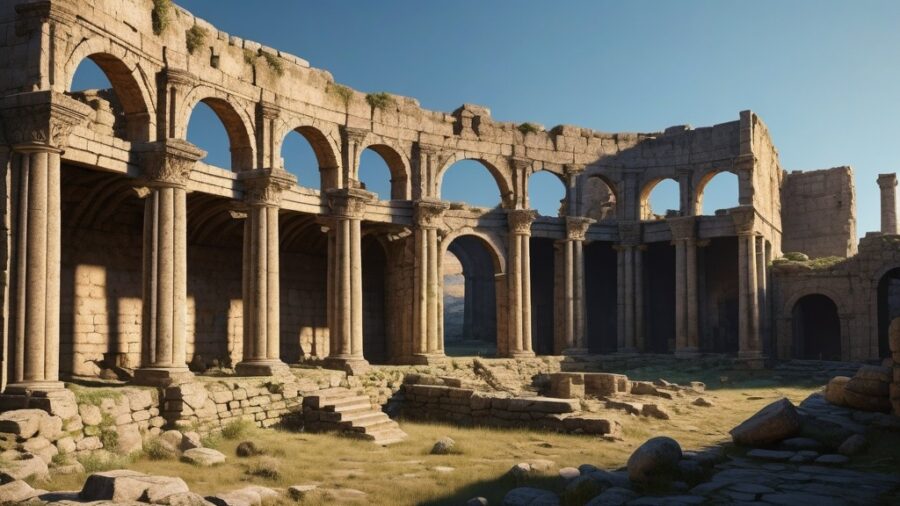
Exploring Ruins Travel: A Journey to Ancient Wonders
Ruins travel is not just a trip; it’s an adventure into the heart of history, where every stone tells a story. If you are captivated by the allure of ancient civilizations, embarking on a journey to witness these ancient wonders can be life-changing. This article will guide you through the significance of these ruins, highlight the top ancient sites to visit, and provide practical tips for planning your adventure.
As you delve into the world of ruins travel, you will discover how these ancient structures serve as a bridge to our past, offering invaluable insights into the cultures that built them. From the majestic pyramids of Egypt to the sprawling ruins of Machu Picchu, the remnants of ancient civilizations invite travelers to explore their mysteries.
In this article, you will learn about the importance of ancient ruins, the cultural insights they provide, and the sustainable practices necessary for preserving these sites. Prepare to immerse yourself in the rich tapestry of history and culture that awaits you on your ruins travel adventure.
The Significance of Ancient Wonders
Understanding Historical Context
The significance of ancient wonders lies in their ability to connect us with our past. These structures often symbolize the cultural identity of civilizations that thrived long ago. For instance, the Colosseum in Rome reflects the architectural ingenuity and social structure of Ancient Rome, while the Great Wall of China showcases the country’s defensive strategies against invasions.
Many ancient ruins also serve as a testament to human resilience and creativity. The construction techniques and artistry found in places like Petra in Jordan reveal the advanced skills of ancient builders. Understanding the context in which these structures were built enhances our appreciation of their significance.
Educational Value of Ancient Ruins
Visiting ancient ruins is an educational experience that transcends traditional learning. These sites provide firsthand insights into historical events, social customs, and daily life of ancient peoples. For example, the ruins of Pompeii offer a snapshot of Roman life frozen in time, giving visitors a unique perspective on the past.
Moreover, many ruins are associated with historical narratives that are crucial for understanding world history. The Acropolis in Greece, for instance, symbolizes the birthplace of democracy and philosophy, making it a vital location for students of history and politics alike.
Top Ancient Ruins to Visit
Must-See Ancient Sites Around the World
When planning your ruins travel, there are several iconic sites that should be on your itinerary. Here are some of the top ancient ruins worth visiting:
- Chichen Itza, Mexico – A UNESCO World Heritage Site, famous for its pyramid, El Castillo, which served as a temple to the god Kukulcan.
- Stonehenge, England – A prehistoric monument that continues to intrigue historians and archaeologists with its mysterious origins.
- Machu Picchu, Peru – An Incan city set high in the Andes Mountains, renowned for its sophisticated dry-stone construction.
- Angkor Wat, Cambodia – The largest religious monument in the world, originally built as a Hindu temple before transforming into a Buddhist site.
Off-the-Beaten-Path Ruins
While the world’s most famous ruins attract millions of visitors, there are numerous lesser-known sites that offer a more intimate experience. Consider these hidden gems:
- Hampi, India – A UNESCO World Heritage Site, Hampi boasts stunning ruins of the Vijayanagara Empire amidst a surreal landscape.
- Palmyra, Syria – Once a thriving trade city, Palmyra features impressive temples and colonnades, though it has suffered from conflict in recent years.
- Tikál, Guatemala – Ancient Mayan city known for its towering temples and rich biodiversity, making it a perfect destination for both history and nature lovers.
Cultural Insights from Ancient Ruins
Art and Architecture
The art and architecture found in ancient ruins provide profound insights into the cultural values and technological advancements of the time. For instance, the intricate carvings at Borobudur in Indonesia narrate Buddhist teachings, while the frescoes of Knossos in Crete reveal aspects of Minoan life.
Studying these artistic expressions allows modern visitors to connect with the ethos of ancient civilizations. The architectural styles, materials used, and the layout of these sites often reflect the social hierarchies and religious beliefs of their inhabitants.
Religious Significance
Many ancient ruins hold deep religious significance, serving as places of worship and pilgrimage throughout history. The Temple of Karnak in Egypt, for example, was dedicated to the god Amun and features massive columns and hieroglyphs that tell stories of gods and pharaohs.
Similarly, the Great Mosque of Samarra in Iraq, with its iconic spiral minaret, represents the Islamic architectural legacy. Such sites not only offer spiritual insights but also highlight the interwoven nature of culture and religion in ancient societies.
Planning Your Ruins Travel Adventure
Researching Destinations
Before embarking on your ruins travel adventure, thorough research is essential. Start by identifying the ancient sites that resonate with your interests, whether they are historical, architectural, or cultural. Resources such as travel blogs, documentaries, and guidebooks can provide valuable insights.
Additionally, consider the best times to visit these sites. Many ancient ruins are located in regions with distinct climates, and visiting during the off-peak season can enhance your experience by avoiding large crowds.
Logistics and Travel Tips
Once you have decided on your destinations, focus on the logistics of your trip. This includes booking flights, accommodations, and transportation. Many ancient ruins offer guided tours, which can enrich your experience by providing expert knowledge and historical context.
Don’t forget to prepare for the physical demands of visiting these sites. Comfortable footwear, hydration, and sun protection are essential for exploring the often rugged terrain around ancient ruins.
Sustainable Practices in Ruins Exploration
The Importance of Preservation
As travelers, it is our responsibility to ensure that the ancient sites we cherish are preserved for future generations. Sustainable tourism practices are crucial in protecting these cultural treasures from the impacts of over-tourism and environmental degradation.
Preservation efforts often involve collaboration between local governments, cultural organizations, and communities. Initiatives such as visitor education programs and conservation projects help safeguard the structural integrity and cultural significance of ancient ruins.
How to Travel Sustainably
When visiting ancient ruins, adopt sustainable travel practices. This can include:
- Choosing eco-friendly accommodations that prioritize sustainability.
- Participating in guided tours that focus on conservation and education.
- Respecting local customs and regulations, such as staying on designated paths and minimizing waste.
By making conscious choices, you can enjoy your ruins travel experience while contributing to the preservation of these invaluable cultural sites.
Conclusion
In conclusion, ruins travel offers an unparalleled opportunity to connect with the past and explore the remnants of ancient civilizations. The significance of these ancient wonders extends beyond their physical structures; they embody the stories, art, and cultural values of humanity’s history. From top-tier sites like Machu Picchu to hidden gems like Hampi, each location provides a unique lens through which we can understand our world.
As you plan your adventure, remember the importance of sustainable practices in preserving these sites for future generations. By traveling mindfully and respecting the cultural heritage of each location, you can contribute to the ongoing legacy of ancient wonders. Embrace the journey, and let the echoes of history guide you as you explore the ruins of our past.
FAQ about Ancient Ruins Travel
1. What are the top ancient ruins to visit?
Some of the top ancient ruins include Machu Picchu in Peru, Chichen Itza in Mexico, and Angkor Wat in Cambodia. Each site offers unique insights into ancient cultures and architectural marvels.
2. How can I travel sustainably when visiting ancient ruins?
To travel sustainably, choose eco-friendly accommodations, participate in guided tours focused on conservation, and respect local customs. Minimizing waste and staying on designated paths also contribute to preservation efforts.
3. Why are ancient ruins significant?
Ancient ruins are significant because they provide insights into historical events, cultural practices, and technological advancements. They serve as a connection to our past and help us understand the evolution of human civilization.
4. What should I prepare for when visiting ancient ruins?
Prepare by researching your destination, booking accommodations and transportation in advance, and packing essentials like comfortable shoes, water, and sun protection. Being physically ready for exploration is also crucial.
5. Are there lesser-known ancient ruins worth visiting?
Yes, sites like Hampi in India and Tikál in Guatemala offer incredible historical experiences away from the crowds. These hidden gems often provide a more intimate connection to ancient cultures.
Recap of Key Points
- Ruins travel offers a unique glimpse into ancient civilizations.
- Understanding the historical context enhances appreciation for ancient wonders.
- Top ancient sites include Machu Picchu, Chichen Itza, and Angkor Wat.
- Cultural insights can be gained through art, architecture, and religious significance.
- Sustainable practices are vital for preserving ancient ruins for future generations.
- Thorough research and preparation are key for a successful travel experience.
- There are numerous lesser-known ruins that provide profound historical insights.
- Traveling mindfully contributes to the ongoing legacy of cultural heritage.