
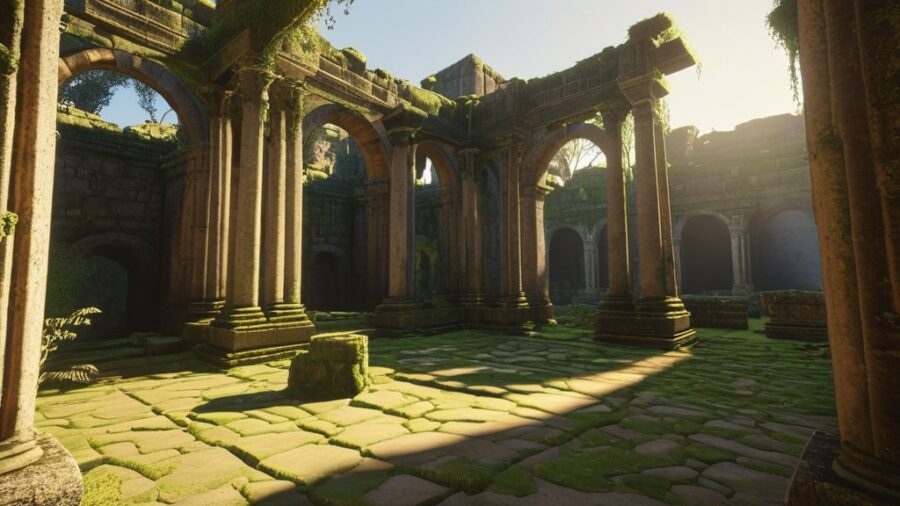
Ruins Travel: Exploring Ancient Wonders of the World
Traveling to ancient ruins is not just a journey through time, but an exploration of the magnificence and complexity of past civilizations. The term ruins travel ancient wonder encapsulates the allure of these historical sites that have stood the test of time. This article will delve into the significance of ancient ruins, highlighting the top wonders to visit, and providing essential tips for planning your trip. Moreover, we will explore cultural insights, preservation efforts, and conclude with a comprehensive FAQ section to enhance your understanding of ancient travels.
As we embark on this exploration, it is crucial to recognize that ancient ruins are not merely remnants of bygone eras; they represent the ingenuity, artistry, and cultural richness of the civilizations that built them. From the majestic pyramids of Egypt to the intricate temples of Angkor Wat, each site tells a story that transcends generations. This article serves as your guide to uncovering these stories while ensuring a meaningful experience during your travels.
In the following sections, we will cover the importance of these ancient sites, the best destinations to visit, and practical advice on how to prepare for your journey. Additionally, we will touch upon the cultural insights that can enrich your travel experience and the ongoing preservation efforts that aim to sustain these wonders for future generations. Let’s begin this journey into the heart of our world’s ancient heritage.
The Significance of Ancient Ruins
Understanding Cultural Heritage
Ancient ruins serve as a cultural heritage that connects us to our past. They embody the architectural and artistic achievements of ancient civilizations, providing insights into their social structures, beliefs, and daily lives. UNESCO recognizes over 1,100 sites worldwide as World Heritage Sites, many of which are ancient ruins. These sites are essential for understanding human history and the evolution of societies.
Historical Context and Impact
The impact of ancient ruins extends beyond their aesthetic appeal. For example, the Colosseum in Rome, completed in AD 80, is a powerful symbol of the Roman Empire’s architectural prowess and social dynamics. It hosted gladiatorial contests and public spectacles, highlighting the empire’s values and societal structures. Similarly, the Great Wall of China, built over several dynasties, represents the strategic military endeavors and the unification efforts of the Chinese states.
Moreover, these structures have often been focal points for tourism and education, contributing significantly to local economies. According to the World Tourism Organization, heritage tourism has grown exponentially, with millions visiting ancient ruins each year. This influx not only promotes cultural exchange but also raises awareness about the importance of preserving these sites for future generations.
Top Ancient Wonders to Visit
1. The Great Pyramid of Giza
The Great Pyramid, located in Egypt, stands as the last of the Seven Wonders of the Ancient World still in existence. Built around 2560 BC, it originally stood at 146.6 meters and was the tallest man-made structure for over 3,800 years. Visitors to this site can explore the intricate chambers within and learn about the construction techniques that have fascinated researchers for centuries.
2. Machu Picchu
Nestled high in the Andes Mountains of Peru, Machu Picchu is a 15th-century Inca citadel that showcases the sophisticated engineering and agricultural practices of the Inca civilization. Discovered in 1911 by American historian Hiram Bingham, this UNESCO World Heritage Site attracts over 1.5 million visitors annually. The breathtaking views and the well-preserved ruins offer a unique glimpse into Inca life.
3. Petra
Petra, located in Jordan, is famous for its rock-cut architecture and water conduit system. Established as early as the 5th century BC, it served as a major trading hub. The iconic Treasury, with its intricate façade, is a must-see. Visitors can hike through the Siq, a narrow gorge that leads to this stunning archaeological site, experiencing the magic of Petra firsthand.
| Ancient Wonder | Location | Year Built | Visitor Count (Annual) |
|---|---|---|---|
| The Great Pyramid of Giza | Egypt | 2560 BC | 14 million |
| Machu Picchu | Peru | 15th century | 1.5 million |
| Petra | Jordan | 5th century BC | 1 million |
Planning Your Trip to Ancient Ruins
Researching Your Destination
Before embarking on your journey to ancient ruins, thorough research is essential. Understanding the history and significance of each site will enhance your appreciation and experience. Online resources, travel guides, and documentaries can provide valuable insights. Additionally, consider reading personal blogs or reviews from fellow travelers who have visited these sites.
Logistics and Travel Arrangements
When planning your trip, consider the best time to visit each site. For example, the ideal time to visit Machu Picchu is during the dry season from May to September. Booking flights, accommodations, and guided tours in advance can also help streamline your travel experience. Furthermore, familiarize yourself with local customs and regulations to ensure a respectful visit to these sacred sites.
- Book flights and accommodations early
- Research the best visiting seasons
- Consider guided tours for in-depth knowledge
- Respect local customs and regulations
- Prepare for varying weather conditions
Cultural Insights on Ancient Civilizations
The Role of Religion and Spirituality
Religion played a pivotal role in shaping ancient civilizations. Temples and pyramids often served as religious centers where rituals and ceremonies took place. For instance, the Temple of Karnak in Egypt, dedicated to the god Amun, was a site of immense spiritual significance. Understanding the religious context of these ruins can offer deeper insights into the values and beliefs of ancient societies.
Social Structures and Daily Life
The architecture of ancient ruins often reflects the social hierarchies and daily life of the civilizations that constructed them. The layout of cities like Pompeii reveals much about Roman life, from public baths to marketplaces. Exploring these aspects can provide a holistic view of how people lived, worked, and interacted in ancient times.
Preservation Efforts for Ancient Sites
The Importance of Conservation
Preserving ancient ruins is crucial for maintaining cultural heritage and educating future generations. Many sites face threats from environmental factors, tourism, and urban development. Organizations like UNESCO and local governments work tirelessly to implement conservation strategies, ensuring these wonders remain intact.
Community Involvement and Awareness
Community involvement plays a significant role in preservation efforts. Local populations often engage in stewardship programs, raising awareness of the importance of protecting these sites. Educational initiatives, such as workshops and tours, help foster a sense of responsibility and pride among residents and visitors alike.
Conclusion
Traveling to ancient ruins offers a unique opportunity to connect with history and explore the remarkable achievements of past civilizations. From the Great Pyramid of Giza to the ruins of Petra, each site holds stories that enrich our understanding of humanity. As we plan our journeys, it is essential to approach these sites with respect and a commitment to preservation.
As we conclude this exploration of ruins travel and ancient wonders, remember that every visit is not just a personal journey, but also a step towards safeguarding our shared heritage. By valuing and protecting these sites, we ensure that future generations can continue to learn from and appreciate the wonders of our past.
FAQs about Ruins Travel and Ancient Wonders
1. What is the best time to visit ancient ruins?
The best time to visit often depends on the specific site and its location. For example, sites in Egypt are best visited during the cooler months from October to April, while Machu Picchu is ideal from May to September when the weather is dry.
2. Are guided tours necessary for visiting ancient ruins?
While not always necessary, guided tours can enhance your experience by providing valuable insights and context. Knowledgeable guides can share the historical significance and fascinating stories behind the ruins, making your visit more meaningful.
3. What should I wear when visiting ancient sites?
Comfortable, weather-appropriate clothing is essential. Many ancient sites require a fair amount of walking, so sturdy footwear is recommended. Additionally, consider cultural norms; some sites may require modest clothing as a sign of respect.
4. How can I help preserve ancient ruins during my visit?
To help preserve these sites, adhere to local regulations, avoid touching or climbing on ruins, and refrain from littering. Supporting local conservation efforts and respecting the cultural significance of the site are also vital ways to contribute.
5. Are there any safety concerns when visiting ancient ruins?
While most ancient sites are safe for tourists, it is always wise to stay aware of your surroundings. Follow local guidelines, avoid isolated areas, and keep your belongings secure to ensure a safe and enjoyable visit.
Recap of Key Points
- Ancient ruins provide cultural heritage and historical insights.
- Top ancient wonders include the Great Pyramid of Giza, Machu Picchu, and Petra.
- Thorough research and planning enhance the travel experience.
- Understanding the cultural context enriches visits to ruins.
- Preservation efforts are crucial for maintaining ancient sites.
- Visitor responsibility includes respecting local customs and conservation practices.
- Guided tours can enhance understanding of historical significance.
- Traveling to ancient ruins is an opportunity to connect with our past.