
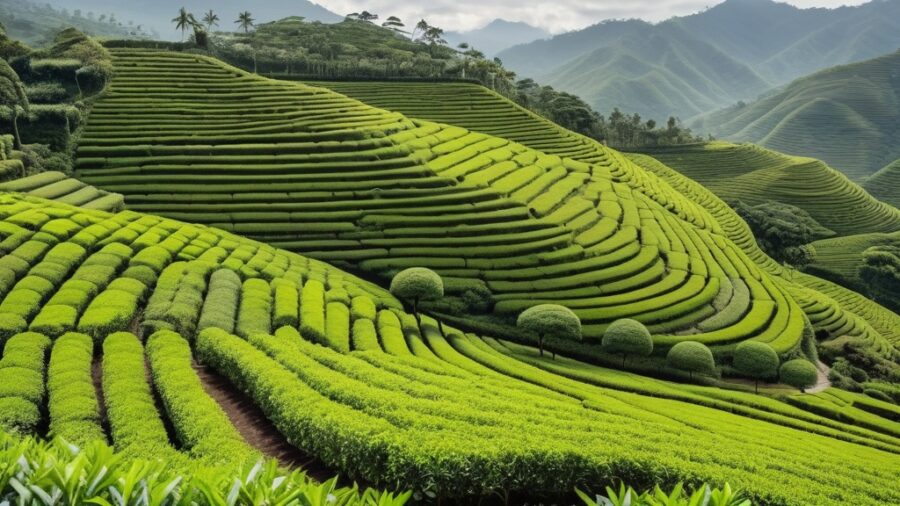
Tea Travel Plantation Visits: An Immersive Journey into the World of Tea
The world of tea travel plantation visits offers a unique opportunity for enthusiasts and casual drinkers alike to explore the rich history, culture, and production of one of the world’s most consumed beverages. As we embark on this journey, we will delve into the intricate processes behind tea production, the cultural significance of tea in various societies, and the best destinations to experience these plantations firsthand. Whether you are a seasoned tea lover or a curious traveler, this guide will provide insights into what to expect and how to make the most of your visit.
Tea plantations are not merely agricultural sites; they are living museums that tell the story of a region’s heritage and agricultural practices. From the lush landscapes of Sri Lanka to the rolling hills of Darjeeling, tea plantations are rich in both biodiversity and cultural narratives. This article aims to unravel the layers of experience you can expect when visiting a tea plantation, along with practical tips on planning your trip.
Moreover, as sustainability becomes increasingly essential in tourism and agriculture, we will highlight how modern tea plantations are adopting eco-friendly practices. By understanding the importance of these practices, visitors can appreciate their role in supporting sustainable tourism. Join us as we explore the fascinating world of tea plantation visits, where every cup tells a story.
The Cultural Significance of Tea Plantations
Historical Context of Tea Cultivation
Tea has a profound historical significance that dates back thousands of years. Originating in China around 2737 BC, tea was initially used for medicinal purposes before evolving into a cultural staple. By the 17th century, tea had made its way to Europe, where it became a symbol of sophistication and social status.
In countries like India, Sri Lanka, and China, tea plantations serve as a reminder of colonial history and economic transformation. For instance, the British established tea plantations in India during the 19th century, profoundly impacting local economies and cultures. Today, these plantations are not only centers of production but also vital components of the cultural identity of regions like Assam and Darjeeling.
Tea in Cultural Rituals and Traditions
The role of tea in cultural rituals is significant across various societies. In Japan, the traditional tea ceremony, or ‘Chanoyu,’ emphasizes harmony, respect, purity, and tranquility. This ceremony is a meticulous process that reflects the deep respect the Japanese hold for tea.
In China, tea is often served during family gatherings and celebrations, symbolizing respect and unity. These cultural practices surrounding tea highlight its importance beyond mere consumption; it is a medium of connection and tradition. Understanding these rituals can enhance your appreciation during your visits to tea plantations, where these traditions may be demonstrated.
Planning Your Visit: Best Destinations for Tea Lovers
Top Tea Plantation Destinations
When it comes to tea travel plantation visits, certain regions stand out for their breathtaking landscapes and rich tea heritage. Among the most notable destinations are:
- Darjeeling, India: Known for its high-altitude tea, Darjeeling offers stunning views of the Himalayas along with its world-renowned teas.
- Nuwara Eliya, Sri Lanka: Often referred to as “Little England,” this region boasts lush, picturesque tea estates that produce some of the finest Ceylon tea.
- Hangzhou, China: Famous for its Longjing tea, Hangzhou combines beautiful scenery with rich cultural experiences.
- Assam, India: The largest tea-producing region in India, Assam’s plantations are known for their robust black teas.
Best Time to Visit Tea Plantations
Timing is essential when planning your tea plantation visit. Generally, the best time to visit is during the harvest season, when the tea is fresh and the plantations are bustling with activity. For example, in Darjeeling, the first flush occurs between March and April, while the second flush is harvested from May to June. In Sri Lanka, the best months are typically from January to March and July to September.
Visiting during these times not only provides an opportunity to witness the harvesting process but also allows you to enjoy the freshest tea. Furthermore, consider local festivals or events that celebrate tea, as they can add a unique cultural dimension to your visit.
What to Expect on a Tea Plantation Tour
Guided Tours and Experiences
Tea plantation tours are designed to provide visitors an immersive experience into the world of tea. Most tours begin with a guided walk through the lush fields, where knowledgeable guides explain the various types of tea plants and the growing process. Visitors can often participate in plucking tea leaves, offering a hands-on experience.
After the tour, you may have the chance to witness the tea processing stages, including withering, rolling, and drying. Many plantations also have tasting sessions, where you can sample different varieties of tea, learning about their flavor profiles and brewing techniques.
Educational Insights into Tea Production
Visiting a tea plantation is not just about the scenery; it is also an educational experience. Many plantations offer workshops and seminars on topics such as tea tasting, the health benefits of tea, and the environmental impacts of tea production. This educational aspect enhances the overall experience and provides deeper insights into the complexities of tea cultivation.
For example, some plantations might focus on organic practices, educating visitors about how sustainable methods can lead to higher quality tea while preserving the environment. Engaging in these educational experiences can deepen your appreciation for the beverage and the efforts that go into producing your favorite teas.
Sustainable Practices in Tea Plantations
Importance of Sustainability in Tea Production
As global awareness of environmental issues grows, sustainable practices in tea production have become increasingly important. Many tea plantations are adopting methods that minimize environmental impact, such as organic farming, integrated pest management, and water conservation techniques. These practices not only benefit the environment but also improve the quality of the tea produced.
For instance, organic tea plantations avoid synthetic fertilizers and pesticides, relying on natural alternatives to promote soil health and biodiversity. This not only protects the ecosystem but also enhances the flavor profiles of the tea. Visitors to these sustainable plantations can gain valuable insights into how their choices as consumers can positively impact the environment.
Community Engagement and Fair Trade Practices
Sustainable tea plantations often engage with local communities, ensuring that the benefits of tea production extend beyond the plantations themselves. Fair trade practices, for example, ensure that tea workers receive fair wages and work in safe conditions. By supporting such plantations, visitors contribute to ethical tourism and the welfare of local communities.
Many plantations offer programs that allow visitors to interact with the workers, gaining firsthand knowledge of their stories and contributions. This engagement fosters a deeper understanding of the social aspects of tea production, making your visit more meaningful.
Conclusion: Embracing the Tea Experience
Tea travel plantation visits offer a profound opportunity to connect with nature, culture, and history. From the lush green hills of Darjeeling to the serene landscapes of Nuwara Eliya, these visits immerse travelers in the world of tea in ways that go beyond mere consumption. Understanding the cultural significance and sustainable practices of tea production enhances the overall experience, transforming a simple visit into a journey of discovery.
As you plan your own tea plantation visit, consider the various factors that contribute to a fulfilling experience. Engage with local traditions, participate in educational activities, and support sustainable practices. By doing so, you not only enrich your own journey but also contribute positively to the communities and environments that produce this beloved beverage.
FAQ about Tea Travel Plantation Visits
1. What should I wear when visiting a tea plantation?
It is advisable to wear comfortable clothing and sturdy shoes, as plantation tours often involve walking through fields and uneven terrain. A hat and sunscreen are also recommended for sun protection.
2. Can I purchase tea directly from the plantations?
Yes, most tea plantations have shops where visitors can purchase fresh tea. This is often a great way to buy high-quality tea at reasonable prices while supporting the local economy.
3. Are tea plantation tours suitable for families?
Absolutely! Many plantations offer family-friendly tours with activities suitable for children, such as tea tasting and educational workshops. It can be a fun learning experience for all ages.
4. How long should I plan for my visit to a tea plantation?
A typical visit can last anywhere from 2 to 4 hours, depending on the activities and tours available. It’s best to check the plantation’s schedule in advance to plan accordingly.
5. Do I need to book my tea plantation visit in advance?
While some plantations accept walk-in visitors, it is recommended to book in advance, especially during peak seasons. This ensures you secure a spot for guided tours and tastings.
Recap
- Tea plantation visits provide a unique cultural and educational experience.
- Understanding the historical context of tea enhances appreciation during visits.
- Planning is key; consider the best destinations and timings for visits.
- Engaging in guided tours offers insights into tea production and local traditions.
- Sustainability is crucial; many plantations focus on eco-friendly practices.
- Community engagement and fair trade practices are essential for ethical tourism.
- Purchasing tea directly from plantations supports local economies.
- Advanced booking is advisable for a seamless visit experience.