
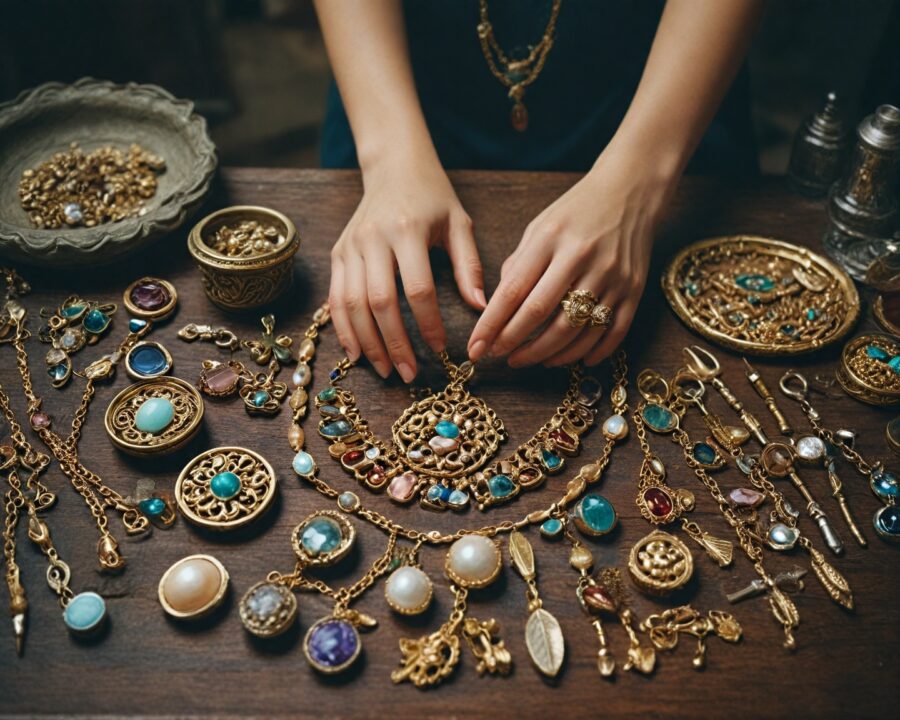
Introduction to Gold as a Travel Souvenir
Gold has long been cherished across civilizations for its beauty, rarity, and worth. As one of humanity’s earliest metals known to be used in decorative arts and trade, gold continues to captivate people today. It is not only a symbol of wealth and opulence but also plays a central role in crafting items that hold both cultural and personal significance. Among travelers, gold souvenirs represent a tangible link to a place’s culture and history, made even more special when purchased directly from local artisans.
Travel souvenirs capture our nostalgia, serving as reminders of journeys and new experiences. In this context, gold souvenirs have a particularly powerful allure. Whether they come in the form of jewelry, coins, or ornate sculptures, these collectibles allow travelers to bring home a piece of the regions they visit. Unlike other materials, gold’s radiant glow and enduring value ensure that these items become cherished mementos.
The process of selecting gold souvenirs often involves delving into storytelling and tradition, offering travelers more than just an acquisition—it offers an opportunity to understand and appreciate the cultural dimensions connected to the purchase. With each piece, there is a narrative waiting to be uncovered, whether it traces back to an ancient society’s craftsmanship techniques or highlights a modern interpretation of a historical design.
For regional artisans, crafting gold souvenirs is more than a business; it is a continuation of ancestral skills and cultural expression. In various parts of the world, these artisans work meticulously to keep their traditions alive, while also inviting visitors to take part in their communities’ heritage. The exchange between traveler and artisan not only supports local economies but also fosters a deeper global appreciation for cultural crafts.
Historical Significance of Gold in Different Cultures
Gold has played an integral role in numerous cultures throughout history. From the ancient Egyptians to the empires of the Aztecs and the opulent courts of Europe, gold has not only served as a status symbol but also held spiritual and religious significance. Throughout history, it has been the metal of choice for royalty and the divine.
In Ancient Egypt, gold was believed to be the flesh of the gods, particularly associated with the sun god Ra. Reserved for the elite, it was used in funerary masks, jewelry, and ceremonial artifacts. The pharaohs were often entombed with lavish amounts of gold to accompany them into the afterlife, thus highlighting its importance in spiritual beliefs.
Similarly, in pre-Columbian civilizations of South America, such as the Incas and the Aztecs, gold was regarded as a sacred material. Incan rulers were known to create elaborate gold artifacts that were used in religious ceremonies and buried with the dead. The cultural reverence for gold extended far beyond economic or aesthetic dimensions, intertwining with their cosmic view and understanding of the world.
Europe also has a long-standing appreciation for gold, often linked with the divine right of kings and the wealth of empires. During the Renaissance, goldsmithing became an art form, with demand for intricate jewelry and decorative items growing among elites. This era also saw the refinement of techniques that further cemented gold’s status as the ultimate precious metal, inspiring modern gold crafts worldwide.
Popular Regions Known for Gold Jewelry and Crafts
Certain regions around the world have become synonymous with high-quality gold jewelry and craftsmanship, each offering a unique array of styles and techniques. These regions not only produce stunning pieces but also embody the cultural essence of gold crafting that has been honed through generations.
Asia
India is world-renowned for its exquisite gold jewelry, particularly the intricate designs seen during weddings and festivals. Traditional Indian goldsmithing often involves combining gold with precious stones and pearls, creating masterpieces that carry both aesthetic and cultural significance. The Gold Souk in Dubai is another prominent hub, showcasing a dazzling array of gold objects ranging from traditional designs to contemporary styles.
Africa
In Africa, the Akan people of Ghana are known for their historical connection to gold. The region’s famous Gold Coast provides an array of traditional pieces, often used in ceremonial events. The craftsmanship reflects the cultural narrative of wealth, power, and spirituality, deeply embedded in the Akan society.
Europe
Italy is recognized for its venerable goldsmithing traditions, particularly in Tuscany and Vicenza. These areas produce exceptional gold jewelry, combining modern styles with age-old techniques. Moreover, Turkish gold jewelry, characterized by intricate filigree work, is highly sought after, reflecting a fusion of ancient influences and modern trends.
Together, these regions offer travelers not only a wide variety of choices but also an opportunity to connect with the nuanced histories and cultures embedded within each gold piece.
Unique Gold Jewelry Styles from Around the World
As gold finds itself at the heart of various cultures, diverse styles have emerged, each echoing the essence of its respective traditions. These styles not only bring forth visual delight but also offer insight into cultural heritage and innovation.
Indian Kundan and Polki
Kundan and Polki are traditional styles of Indian jewelry representing timeless grace and opulence. Kundan involves setting uncut gemstones into pure gold foil, resulting in highly ornate designs that are integral to Indian bridal attire. Polki employs similar techniques with raw, uncut diamonds, offering a rustic aesthetic that echoes ancient royal regalia.
Italian Etruscan
In Italy, Etruscan jewelry seeks inspiration from ancient the Etruscan civilization, known for its exquisite filigree and granulation techniques. This style often incorporates intricate detail and luxurious designs that reflect the grandeur of ancient artistry. Modern iterations resonate with those seeking a connection to antiquity through contemporary jewelry.
African Ashanti
The Ashanti Region in Ghana is noted for its traditional ‘beaded’ or ‘stamped’ gold ornaments. Typically involving fob, pendants, and bracelets, these designs showcase elegant geometric patterns or motifs, often steeped in symbolic meanings. The craftsmanship reflects a blend of artistry and cultural stories passed down over centuries.
These unique styles illustrate not only the diversity in gold craftsmanship but also the global reach of cultural exchange and appreciation through gold jewelry.
The Craftsmanship Behind Handmade Gold Souvenirs
Crafting gold souvenirs involves a meticulous process that underscores both skill and tradition. The artisans engaged in such work typically possess knowledge passed down through generations, ensuring that cultural narratives are cohesively woven into each piece crafted.
Design and Planning
The artistry begins with design and planning, which involves careful consideration of cultural motifs, symbolism, and intended wearers. In regions such as India and the Middle East, traditional motifs are often embellished with storytelling elements, integrating mythology or historical narrative into the design. Skilled artisans sketch detailed blueprints, taking into account the precision required to bring the design to life.
Artisanship and Technique
The crafting process demands not just technical skills but also a creative dedication to the craft. Techniques such as engraving, filigree work, embossing, and enameling reveal the artisans’ expertise. Many styles involve painstaking manual labor as seen in regions like Italy and Turkey, where delicate features are crafted using traditional tools and techniques, revealing a dedication to both beauty and heritage.
Quality and Finalization
Upon final assembly, the crafted piece undergoes quality checks to ensure its resilience and adherence to design aesthetics. Artisans in places such as Vicenza have specific quality benchmarks, where a piece’s cultural significance also contributes towards its final assessment. Thus, the commercialization of gold objects often transitions from craftsmanship into narratives of tradition, inviting both locals and travelers to partake in these cultural stories.
How to Choose Authentic Gold Souvenirs
Selecting authentic gold souvenirs involves more than just identifying the quality of gold; it requires knowledge of craft integrity and the cultural context of each piece. Here are some guidelines for choosing genuine articles that resonate with authenticity:
Understanding Gold Purity
Awareness of gold purity is foundational when purchasing. Generally, gold purity is defined using karat ratings, with 24 karat representing pure gold. However, due to the softness of pure gold, blending it with other metals to form 18 karat or 14 karat objects is common. Always verify purity certifications, often offered by reliable merchants.
Identifying Craft Techniques
Authenticity extends to traditional craftsmanship where origin-specific techniques signify a piece’s genuineness. For instance, identifying filigree work in Turkish designs or polki settings in Indian jewelry can guide buyers in selecting pieces that represent authentic heritage. Engaging with artisans or knowledgeable sellers to learn these techniques often provides deeper insight into the item’s authenticity.
Consider Cultural Authenticity
An informed purchase also involves an understanding of the cultural narratives or traditions behind the item. This might include recognizing specific symbols relevant to a culture or event, enhancing personal value beyond material aspects.
By incorporating these aspects, travelers can choose souvenirs that authentically represent the regions and traditions they seek to cherish.
Cultural Stories and Traditions Behind Gold Crafts
Embedded within every piece of gold craft is often a story that speaks to the cultural values, history, and traditions of its origin. These stories and traditions are what differentiate a simple commercial item from a cherished cultural artifact.
Mythological Narratives
In many cases, the designs of gold crafts draw from mythological stories passed down through generations. For example, many Southeast Asian gold items depict motifs from ancient legends and spiritual tales, providing a visual representation of cultural beliefs.
Ceremonial Importance
Gold plays a vital role in numerous cultural ceremonies worldwide, from weddings to festivals. In India, for instance, the “Maang Tikka” is a gold jewelry piece worn by brides, symbolizing divinity and strength. Understanding its ceremonial context offers insight into the cultural significance beyond its physical beauty.
Symbols of Power and Status
Throughout history, gold crafts have served as symbols of power and status. In African cultures, gold ornaments were used to signify leadership or rank within the tribal hierarchy. Explorations into these narratives reflect the complex social structures historically associated with gold.
Through engaging with these intrinsic stories, travelers not only enhance their appreciation for their chosen souvenirs but also foster a greater understanding of global cultural diversity.
The Economic Impact of Gold Souvenir Trade
The trade of gold souvenirs has far-reaching impacts on local and global economies. It not only supports artisanal communities but also contributes significantly to tourism markets worldwide.
Local Economic Contributions
At the local level, gold crafts provide a means of livelihood for numerous artisans and their communities. The economic support they gain often helps sustain traditional techniques and cultural knowledge, which in turn, stimulates sustainable development in those regions.
Tourism and Market Dynamics
The global demand for authentic gold souvenirs boosts tourism in regions known for their gold crafts. Markets, such as the Grand Bazaar in Istanbul or Dubai’s Gold Souk, contribute vast sums to local economies through tourism-generated revenue. These interactions further enhance cultural exchange and understanding.
Challenges and Opportunities
Despite its benefits, the industry faces challenges including fluctuating gold prices and ethical sourcing issues. However, as demand for responsibly crafted goods increases, it presents opportunities for community-driven initiatives and fair trade practices to serve both local economies and global consumers.
Overall, the gold souvenir trade acts as a bridge between economic resilience and cultural preservation, fostering mutual benefits for artisans and admirers alike.
Sustainable Practices in Gold Crafting
The increasing awareness over environmental issues has prompted both consumers and artisans to consider sustainability in gold crafting practices. Several strategies have emerged to minimize ecological impact and promote responsible production.
Ethical Sourcing
Consumers are progressively seeking ethically sourced gold, encouraging artisans and merchants to adopt transparent sourcing practices. This involves tracing gold back to its origins, ensuring it is mined sustainably and that miners are paid fair wages.
Eco-friendly Production Techniques
Artisans are turning towards environmentally benign techniques that reduce chemical usage and waste. For example, using traditional methods like handpanning for extracting gold without mercury offers a sustainable alternative to industrial mining.
Community-driven Initiatives
Initiatives that engage local communities in crafting practices not only promote sustainability but also preserve cultural knowledge. Organizations and cooperatives working through fair-trade practices provide artisans with the tools and resources needed for sustainable production.
Such practices not only align with conscious consumer trends but also with sustaining the rich heritage connected with gold craftsmanship.
Tips for Preserving and Caring for Gold Souvenirs
Proper care of gold souvenirs ensures they remain brilliant and timeless, preserving their cultural and sentimental worth.
Routine Cleaning
Regular cleaning with mild soap and warm water helps maintain their luster. Avoid abrasive cloths; instead, use a soft, non-scratching material to gently clean and polish the surface.
Safe Storage
Store gold items in a dry, temperature-controlled environment. Use fabric-lined boxes or pouches to prevent scratching and discoloration. Each piece should be stored separately to avoid potential damage.
Professional Maintenance
Consider professional cleaning services for more intricate jewelry, particularly those embedded with stones or subsidiary metals. Professionals can also inspect for structural integrity, catching early signs of wear that could be remedied before significant damage occurs.
By following these tips, travelers can ensure their gold souvenirs remain as captivating as the day they were acquired.
FAQ
How do I verify the authenticity of gold souvenirs?
To verify authenticity, inspect for hallmarks or certifications indicating purity and origin. Consulting with knowledgeable vendors or experts in traditional craftsmanship can also provide guidance on the genuine nature of gold souvenirs.
Can I travel with gold jewelry easily?
Yes, but it is important to declare valuable gold items at customs upon entering a country to avoid potential legal issues. Always carry documentation like receipts and certificates to verify authenticity and ownership where needed.
Are antique gold souvenirs more valuable?
Antique gold souvenirs may hold higher value due to age, rarity, and craftsmanship. However, this also depends on condition, historical significance, and market demand, making expert evaluation crucial.
How is gold’s cultural significance preserved in modern designs?
Contemporary designers often incorporate traditional motifs and techniques into their works, maintaining cultural ties. This fusion creates modern aesthetics enriched with historical relevance, providing continuity in gold craftsmanship.
What is the impact of choosing fair-trade gold souvenirs?
Choosing fair-trade gold supports ethical mining practices, ensures fair compensation for artisans, and contributes to environmental conservation efforts. It further encourages the global shift towards more responsible consumer choices.
What should I look for in a reputable gold dealer?
Seek dealers with transparency regarding sourcing and craftsmanship, those who provide certifications, and who have a positive reputation within their community. Such assurance often reflects ethical practices and genuine craftsmanship.
Recap
The appreciation for gold souvenirs extends beyond their material value, diving deep into a world of cultural heritage, artisanal skill, and sustainable practices. Understanding the historical and cultural significance behind gold jewelry aids in appreciating its intricate beauty and value. As travelers experience diverse global traditions, gold souvenirs offer a unique memento reflective of the regions visited. The consideration of ethical sourcing, preservation, and care underscores not only the preciousness of these items but also the importance of contributing positively to cultural preservation and economic growth.
Conclusion: The Lasting Appeal of Gold in Travel Souvenirs
The allure of gold in travel souvenirs remains as potent today as in ancient times, owing much of its appeal to the unique blend of beauty, cultural significance, and personal sentiment these items embody. As travelers traverse a world rich in variance and tradition, they encounter cultures that offer not only beautiful craftsmanship but deeply woven narratives, where gold acts as both a material art form and a custodian of cultural identity.
In this globalized era, the tales and techniques passed down through generations manifest in each crafted piece. These souvenirs stand as testimonies to continued cultural resilience and creativity, inviting admiration and support from those who prioritize heritage over mere possession. Consequently, the purchase of gold souvenirs becomes not just an act of economic exchange but a gesture of cultural connection.
Ultimately, the enduring charm of gold souvenirs lies in their ability to transcend the boundaries of time and place, inviting every owner to explore the stories behind the gleaming artifacts. They provide a tactile, tangible link to places visited, moments experienced, and people encountered—eternalized in a precious gilded form that bridges the past and present, heritage and modernity.