
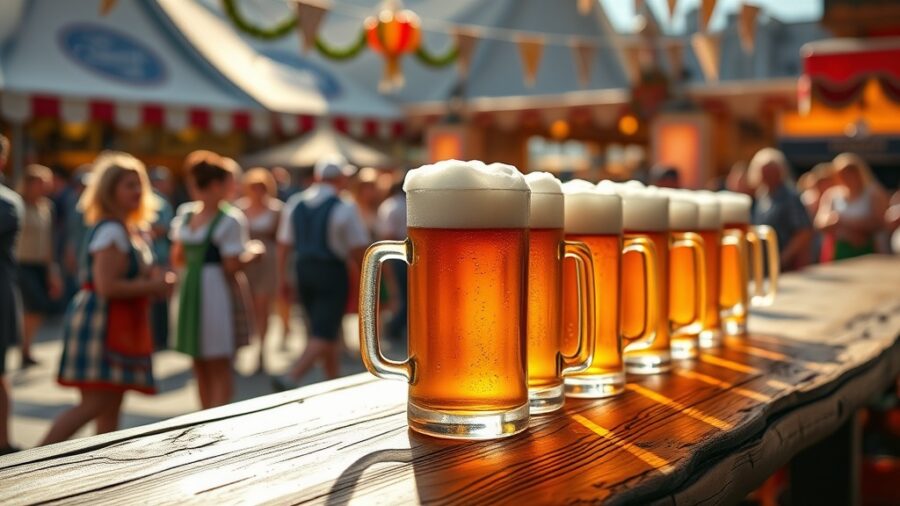
German Oktoberfest Beer Tradition: A Deep Dive
The German Oktoberfest beer tradition is a celebration steeped in history, culture, and, of course, beer. Originating in Munich, this iconic festival is the world’s largest beer festival, attracting millions of visitors each year. In this article, we will explore the rich history behind Oktoberfest, the essential role that beer plays in its festivities, and the various types of beer that are served. We will also delve into the regulations governing these brews and the cultural significance they hold in German society.
As we navigate through the sections, you will discover fascinating facts about the origins of Oktoberfest, including key dates and events that shaped its evolution. Additionally, we will examine the specific breweries that participate, the strict requirements for beer that can be served, and how Oktoberfest has influenced beer culture worldwide. Whether you are a beer enthusiast or simply interested in learning more about this vibrant tradition, this comprehensive guide will provide you with valuable insights.
Join us as we raise a glass to the German Oktoberfest beer tradition, uncovering its importance beyond just a mere celebration. You will learn about the distinct characteristics of Oktoberfest beers, the cultural nuances surrounding the festival, and what makes it a unique experience for both locals and tourists alike.
Historical Background of Oktoberfest
Origins of Oktoberfest
Oktoberfest traces its origins back to October 12, 1810, when Crown Prince Ludwig of Bavaria married Princess Therese of Saxe-Hildburghausen. The citizens of Munich were invited to join in the festivities, which included horse races, music, and abundant food and drink. This initial celebration laid the groundwork for what would become an annual tradition, with the festival expanding over the years to include a wider array of attractions and activities.
As the years progressed, Oktoberfest transformed from a royal wedding celebration into a public festival. By the 1850s, it had become a prominent cultural event, attracting people from all over Germany and beyond. The festival’s popularity continued to grow, leading to the establishment of beer tents, amusement rides, and various entertainment options that we associate with Oktoberfest today.
Key Milestones in Oktoberfest History
Throughout its history, Oktoberfest has undergone numerous changes and adaptations. The introduction of the first beer tent occurred in 1818, and by the mid-19th century, several breweries began to participate actively, contributing to the festival’s beer offerings. Notable milestones include:
- 1810: The inaugural Oktoberfest is held to celebrate the royal wedding.
- 1818: The first official beer tent opens, marking the start of a new tradition.
- 1850s: Oktoberfest expands significantly, including carnival rides and games.
- 1910: The festival celebrates its centenary, attracting over 1.5 million visitors.
Today, Oktoberfest attracts around 6 million visitors annually, making it a significant event in the global calendar of beer festivals.
The Role of Beer in Oktoberfest Celebrations
Beer as a Central Element
Beer is undoubtedly the heart of Oktoberfest celebrations, with a wide variety of brews available for attendees to enjoy. Each year, the official Oktoberfest beer is brewed according to strict regulations that ensure its quality and authenticity. This unique beer is typically a Märzen style, characterized by its rich malt flavor and amber color. The consumption of beer during the festival is not merely about quenching thirst; it’s a cultural ritual that brings people together, fosters camaraderie, and celebrates Bavarian heritage.
During the festival, visitors can indulge in beer from six major breweries, all of which are located within the city limits of Munich. These breweries include:
- Paulaner
- Spaten-Franziskaner
- Hofbräu
- Augustiner-Bräu
- Löwenbräu
- Giesinger Bräu
Beer Tents and the Oktoberfest Experience
The festival features 14 large and 20 smaller beer tents, each offering a unique atmosphere and experience. These tents can accommodate thousands of visitors and are often filled to capacity during peak times. The tents serve not only beer but also traditional German foods, such as pretzels, sausages, and roast chicken, enhancing the overall experience.
Live music is another integral part of the beer tent experience, with bands performing traditional Bavarian tunes, polkas, and contemporary music. The lively atmosphere encourages dancing and socializing, making it a festive environment where both locals and tourists can celebrate together.
Types of Beer Served at Oktoberfest
Understanding Märzen Beer
The beer served at Oktoberfest is primarily the Märzen style, which has its roots in Bavaria. This style is brewed in March and lagered until the festival in late September and early October. Märzen beers are known for their full-bodied flavor, smooth finish, and higher alcohol content, typically ranging from 5.8% to 6.3%. The brewing process involves using a higher amount of malt, which contributes to the beer’s rich caramel and toasty notes.
Regional Variations and Other Styles
While Märzen is the official beer style of Oktoberfest, visitors also have the opportunity to sample other regional beers. Some breweries may offer variations, such as light beers (Helles), wheat beers (Weißbier), and even dark beers (Dunkel). Each brewery showcases its unique interpretation of the Oktoberfest beer, allowing guests to explore a range of flavors while adhering to the festival’s regulations.
Notably, the beer must meet the criteria set forth by the Reinheitsgebot, the German Beer Purity Law of 1516, which allows only water, barley, hops, and yeast in the brewing process. This commitment to quality ensures that each pint served at the festival is of the highest standard.
Oktoberfest Beer Regulations and Breweries
Strict Beer Standards
The Oktoberfest beer regulations are stringent, ensuring that only the finest quality beer is served at the festival. To be considered official Oktoberfest beer, it must be brewed within the city limits of Munich and meet specific criteria established by the festival organizers. These regulations dictate that the beer must be a Märzen, brewed according to the Reinheitsgebot, and have a minimum alcohol content of 6%.
Each brewery that participates in Oktoberfest must undergo a rigorous selection process, ensuring that they adhere to these standards. This attention to detail not only preserves the integrity of the festival but also reinforces the cultural significance of beer in Bavarian society.
Participating Breweries and Their Heritage
As mentioned earlier, six major breweries are allowed to serve beer at Oktoberfest. Each of these breweries has a rich history and a distinctive brewing philosophy:
| Breweries | Year Established | Notable Beer Styles |
|---|---|---|
| Paulaner | 1634 | Märzen, Hefe-Weißbier |
| Spaten-Franziskaner | 1397 | Märzen, Helles |
| Hofbräu | 1589 | Märzen, Dunkel |
| Augustiner-Bräu | 1328 | Märzen, Helles |
| Löwenbräu | 1383 | Märzen, Helles |
| Giesinger Bräu | 2006 | Modern Craft Beers |
Each brewery brings its own unique style and flavor to Oktoberfest, contributing to the diverse beer culture of the festival. This variety allows attendees to experience a wide range of tastes while celebrating a rich tradition.
Cultural Significance of Oktoberfest Beer
Oktoberfest as a Cultural Event
The cultural significance of Oktoberfest extends far beyond the beer itself. It is a celebration of Bavarian identity, heritage, and community. The festival serves as a platform for showcasing traditional Bavarian culture, including music, dance, and culinary delights. Locals and visitors alike come together to celebrate their shared love for beer and the unique customs that define Bavarian life.
Oktoberfest also plays a vital role in the local economy, generating millions of euros in revenue each year. The festival supports numerous local businesses, from breweries to food vendors and artisans. This economic impact further underscores the importance of Oktoberfest in promoting Bavarian culture and sustaining its traditions.
Global Influence of Oktoberfest
Oktoberfest’s popularity has transcended geographical boundaries, inspiring similar celebrations around the world. Cities such as Cincinnati, Denver, and even Sydney host their own versions of Oktoberfest, reflecting the festival’s global appeal. These events often feature traditional German music, food, and, of course, beer, allowing attendees to partake in the festivities regardless of their location.
This globalization of Oktoberfest not only promotes beer culture but also fosters cross-cultural connections, bringing people together in celebration of a shared passion for brewing and Bavarian traditions.
Conclusion
The German Oktoberfest beer tradition is a remarkable celebration that encapsulates centuries of history, culture, and community spirit. From its humble beginnings as a royal wedding celebration to its status as the world’s largest beer festival, Oktoberfest has evolved into a global phenomenon that continues to attract millions of visitors each year.
Throughout this article, we explored the origins of Oktoberfest, the vital role of beer in the festivities, the various types of beer served, and the stringent regulations that govern its production. We also highlighted the cultural significance of the festival and its influence on beer culture worldwide. By participating in Oktoberfest, individuals not only enjoy exceptional brews but also become part of a vibrant tradition that celebrates Bavarian heritage.
Frequently Asked Questions about Oktoberfest Beer
1. What is the main type of beer served at Oktoberfest?
The main type of beer served at Oktoberfest is Märzen, a traditional Bavarian beer brewed specifically for the festival. It is characterized by its rich malt flavor and higher alcohol content, typically ranging from 5.8% to 6.3%.
2. How many breweries participate in Oktoberfest?
Six major breweries are allowed to serve beer at Oktoberfest. These breweries include Paulaner, Spaten-Franziskaner, Hofbräu, Augustiner-Bräu, Löwenbräu, and Giesinger Bräu.
3. Is Oktoberfest only held in Munich?
While the original Oktoberfest is held in Munich, many cities around the world host their own versions of the festival, celebrating Bavarian culture and beer. These events often feature traditional music, food, and drinks.
4. What food is typically served at Oktoberfest?
Oktoberfest features a variety of traditional German foods, including pretzels, sausages, roast chicken, and various regional specialties. These dishes complement the beer and enhance the festive atmosphere.
5. How can I participate in Oktoberfest?
To participate in Oktoberfest, you can visit the festival in Munich during its running from late September to the first weekend in October. Alternatively, check for local Oktoberfest celebrations in your area, where you can enjoy similar traditions and festivities.
Recap
- Oktoberfest originated in 1810 as a royal wedding celebration.
- Beer is a central element, with Märzen being the primary style served.
- Strict regulations ensure the quality and authenticity of Oktoberfest beer.
- Six major breweries participate, each with a rich heritage.
- Oktoberfest plays a significant role in Bavarian culture and the local economy.
- The festival’s global influence has inspired similar celebrations worldwide.
- Traditional foods complement the beer, enhancing the overall experience.
- Visitors can enjoy a unique blend of history, culture, and community spirit at Oktoberfest.