
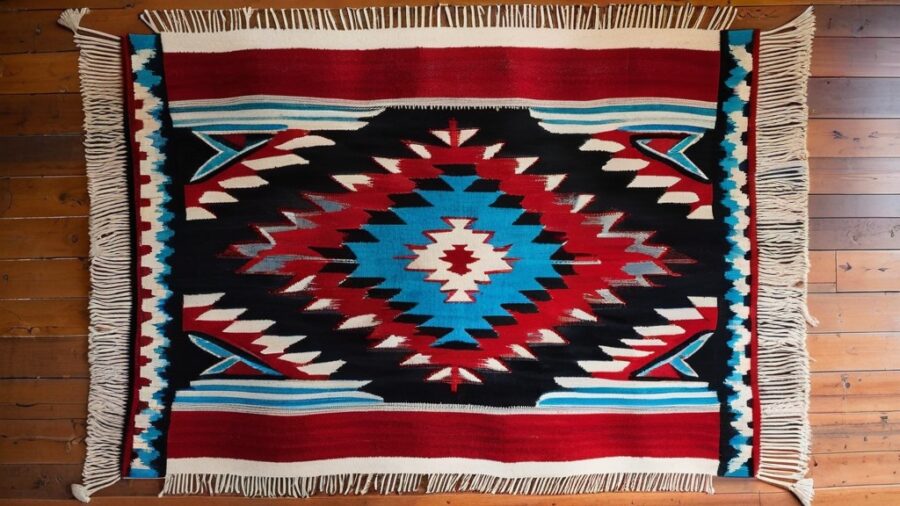
Navajo Weaving Textile Tradition: A Deep Dive
The Navajo weaving textile tradition is a rich and intricate art form that reflects the cultural heritage and identity of the Navajo people. With its origins dating back centuries, this tradition has evolved while maintaining its core techniques and symbolism. As we explore the world of Navajo weaving, we will delve into its historical significance, the techniques and materials used, the meanings behind cultural symbols, and the contemporary revival of this remarkable craft.
This article will take you through the various dimensions of Navajo weaving, showcasing not only the artistry involved but also the stories encapsulated within each textile piece. You will learn about the specific weaving techniques that have been passed down through generations, the distinct patterns that tell tales of Navajo culture, and how this ancient practice is being revitalized in modern times. By the end of this exploration, you will have a deeper appreciation for Navajo textiles and their place in both history and contemporary society.
Join us as we embark on this journey through the vibrant world of Navajo weaving, discovering the artistry, cultural significance, and the ongoing efforts to preserve this unique tradition. Whether you are an art enthusiast, a cultural historian, or simply curious about this craft, there is much to learn and appreciate.
Introduction to Navajo Weaving
Origins of Navajo Weaving
Navajo weaving traces its roots back to the 16th century, when the Navajo people began adopting the craft from the Pueblo tribes. As they migrated to the Southwest United States, they brought with them an arsenal of weaving techniques, which included the use of looms and intricate patterns. The first Navajo weavers were primarily women who learned the craft from their mothers and grandmothers, ensuring that the skills were passed down through generations.
By the late 1800s, Navajo textiles gained recognition beyond tribal borders. The introduction of sheep, a crucial element for wool production, transformed the weaving process. The Navajo people began to create rugs, blankets, and various textiles that were not only functional but also artistic expressions of their heritage. As a result, the tradition became intertwined with their identity, serving both practical and ceremonial purposes.
Tools and Techniques of Weaving
The tools used in Navajo weaving are simple yet effective. The primary tool is the loom, typically a vertical frame that allows for the weaving of textiles in various sizes. Traditional Navajo looms are made from wood and are adjustable, allowing weavers to create pieces of different widths and lengths. Additionally, weavers utilize tools such as shuttles, combs, and shears to manipulate the yarn and achieve precision in their work.
Among the various techniques employed, the most notable is the use of the tapestry technique. This method involves weaving colored yarns to create intricate patterns and images, often depicting elements from nature, mythology, and everyday life. The weaver skillfully intertwines the yarns, resulting in a dense, textured fabric that is both durable and visually striking. The tapestry technique allows for the incorporation of symbolism, which plays a critical role in conveying stories and cultural significance through the woven pieces.
Historical Significance of Navajo Textiles
Cultural Heritage and Identity
Navajo textiles are more than just functional items; they are profound cultural artifacts that embody the history, beliefs, and identity of the Navajo people. Each piece is a reflection of the weaver’s personal experiences and the collective heritage of the tribe. Traditional designs often include motifs that represent elements of nature, such as the mountains, water, and animals, which are integral to Navajo cosmology.
Throughout history, Navajo textiles have played a vital role in various ceremonies and rituals. For instance, woven blankets are often used in significant life events such as weddings and naming ceremonies. The textiles serve as symbols of prosperity and continuity, reinforcing the connections between the past and the present. As such, the art of weaving is not merely a craft but a sacred practice that reinforces the cultural identity of the Navajo people.
Impact of Colonialism on Weaving
The arrival of European settlers in the 19th century had profound effects on Navajo weaving. Initially, the introduction of new materials, such as cotton, influenced the weaving techniques and styles. However, colonial policies and forced assimilation efforts sought to erase indigenous cultures, including the Navajo tradition of weaving. The imposition of Western aesthetics and values threatened the survival of this art form.
Despite these challenges, the Navajo people exhibited resilience. The late 19th and early 20th centuries saw a resurgence in traditional weaving as a form of cultural expression and resistance against colonial influences. The creation of the Navajo Nation in 1868 allowed for the preservation and revitalization of their cultural practices, including weaving, which has continued to evolve while honoring its historical roots.
| Period | Impact on Weaving | Significance |
|---|---|---|
| 16th Century | Adoption of weaving techniques from Pueblo tribes | Foundation of Navajo weaving tradition |
| 19th Century | Introduction of European materials and colonial policies | Threat to traditional practices |
| Late 19th Century | Resurgence of traditional weaving | Symbol of cultural resistance |
Techniques and Materials Used in Weaving
Materials Essential for Navajo Textiles
The primary material used in Navajo weaving is wool, which is prized for its durability and warmth. The wool is typically sourced from Navajo-Churro sheep, a breed that has adapted to the arid environment of the Southwest. This breed not only provides a high-quality fiber but also carries cultural significance, as it is interwoven with the identity of the Navajo people.
In addition to wool, weavers often employ natural dyes derived from plants, minerals, and insects. These dyes create a vibrant color palette that enhances the visual appeal of the textiles. For example, the use of indigo for blue shades, cochineal for reds, and walnut husks for browns showcases the weaver’s knowledge of their environment and the resources available to them.
Innovative Techniques in Weaving
Navajo weavers employ a variety of innovative techniques that reflect both tradition and creativity. One notable method is the use of double-weave, which allows for the creation of two-faced textiles, effectively doubling the complexity and richness of the design. This technique showcases the weaver’s skill and understanding of the loom’s mechanics.
Another significant technique is the incorporation of inlay, where different colored yarns are woven into the fabric to create intricate patterns that stand out. This technique requires precision and planning, as the weaver must envision the final piece before starting the weaving process. The result is a textile that is not only functional but also a work of art that tells a story.
Cultural Symbols and Patterns in Navajo Weaving
Understanding Symbolism in Navajo Textiles
Navajo textiles are rich with symbolism, often incorporating elements that convey deep cultural meanings. Common motifs include geometric shapes, animals, and natural elements, each representing various aspects of Navajo beliefs and traditions. For instance, the spider web symbolizes creativity and the interconnectedness of life, while the lightning bolt represents power and protection.
These symbols are not arbitrary; they are deeply rooted in the cultural narratives of the Navajo people. Weavers often choose specific patterns based on their personal experiences or the stories they wish to convey through their work. This practice not only preserves cultural heritage but also allows contemporary weavers to express their identities through traditional art forms.
Notable Patterns in Navajo Weaving
Several patterns hold particular significance within the Navajo weaving tradition. The Chief’s Blanket, for example, features bold geometric designs and is a symbol of prestige and status within the community. Another well-known pattern is the Storm Pattern, characterized by zigzag lines representing lightning and rain, essential elements for agricultural success.
Additionally, the Four Sacred Mountains pattern reflects the geographical and spiritual landscape of the Navajo people. Each mountain represents a cardinal direction and is associated with specific deities and stories. The use of these patterns in textiles serves to reinforce cultural identity and continuity, connecting the weaver to their ancestors and the land.
- Spider web – symbolizes creativity
- Lightning bolt – represents power and protection
- Chief’s Blanket – symbolizes prestige
- Storm Pattern – associated with rain and agriculture
- Four Sacred Mountains – reflects spirituality and geography
The Contemporary Revival of Navajo Weaving
Challenges Facing Modern Weavers
In recent years, the art of Navajo weaving has faced various challenges, including economic pressures, loss of traditional knowledge, and the impact of globalization. Many contemporary weavers struggle to find a market for their textiles, as mass-produced items flood the market. This situation threatens the livelihood of artisans who rely on weaving as a source of income.
Additionally, the younger generation may feel disconnected from this traditional craft, leading to a decline in the number of skilled weavers. However, efforts are underway to address these challenges and promote the revival of Navajo weaving as a viable and respected art form.
Initiatives for Preservation and Promotion
Several organizations and initiatives have emerged to support the preservation of Navajo weaving. Programs that emphasize cultural education, mentorship, and workshops aim to engage younger generations in the craft. These initiatives not only teach the technical aspects of weaving but also instill a sense of pride in cultural heritage.
Moreover, events such as the Navajo Nation Fair and various art markets provide platforms for weavers to showcase their work and connect with a broader audience. By promoting the artistry and cultural significance of Navajo textiles, these efforts seek to ensure that the tradition continues to thrive in contemporary society.
Conclusion
The Navajo weaving textile tradition is a vibrant and essential aspect of Navajo culture, representing a complex interplay of history, identity, and artistry. From its ancient origins to its modern revival, weaving has remained a significant practice that connects the Navajo people to their past while allowing for contemporary expression. The techniques, materials, and symbols woven into each piece tell stories that resonate with the cultural heritage of the Navajo.
As we move forward, it is crucial to support and promote the preservation of this exquisite craft. By understanding the significance of Navajo textiles and supporting the artisans who create them, we can contribute to the ongoing legacy of this remarkable tradition. In recognizing the artistry and cultural depth of Navajo weaving, we honor not only the weavers but also the rich tapestry of human expression that transcends time and borders.
Frequently Asked Questions
What materials are traditionally used in Navajo weaving?
Traditionally, Navajo weavers use wool obtained from Navajo-Churro sheep, which is known for its durability and warmth. They also utilize natural dyes derived from plants and minerals to create a vibrant color palette for their textiles.
What is the significance of patterns in Navajo textiles?
Patterns in Navajo textiles carry deep cultural meanings, often representing elements of nature, mythology, and personal experiences. They serve as a means of storytelling and reinforce the cultural identity of the Navajo people.
How has colonialism impacted Navajo weaving?
Colonialism introduced new materials and aesthetics that influenced Navajo weaving; however, it also posed threats to traditional practices. Despite these challenges, the Navajo people have shown resilience, revitalizing their weaving traditions as a form of cultural resistance.
Are there initiatives to support contemporary Navajo weavers?
Yes, various organizations and programs aim to support contemporary Navajo weavers through cultural education, mentorship, and market opportunities. These initiatives seek to engage younger generations and promote the artistry of Navajo textiles.
What is the future of Navajo weaving?
The future of Navajo weaving depends on the continued support for artisans and the promotion of this cultural heritage. By nurturing interest and involvement in weaving, there is hope for the preservation and evolution of this remarkable tradition.
- Navajo weaving dates back to the 16th century.
- The craft reflects the cultural heritage and identity of the Navajo people.
- Wool from Navajo-Churro sheep is the primary material used.
- Traditional motifs carry deep cultural meanings.
- Contemporary initiatives aim to support and promote Navajo weaving.
- Colonialism had a significant impact on the practice but also led to a revival.
- Understanding and appreciation of Navajo textiles are crucial for their preservation.
- Navajo weaving continues to evolve while honoring its historical roots.