
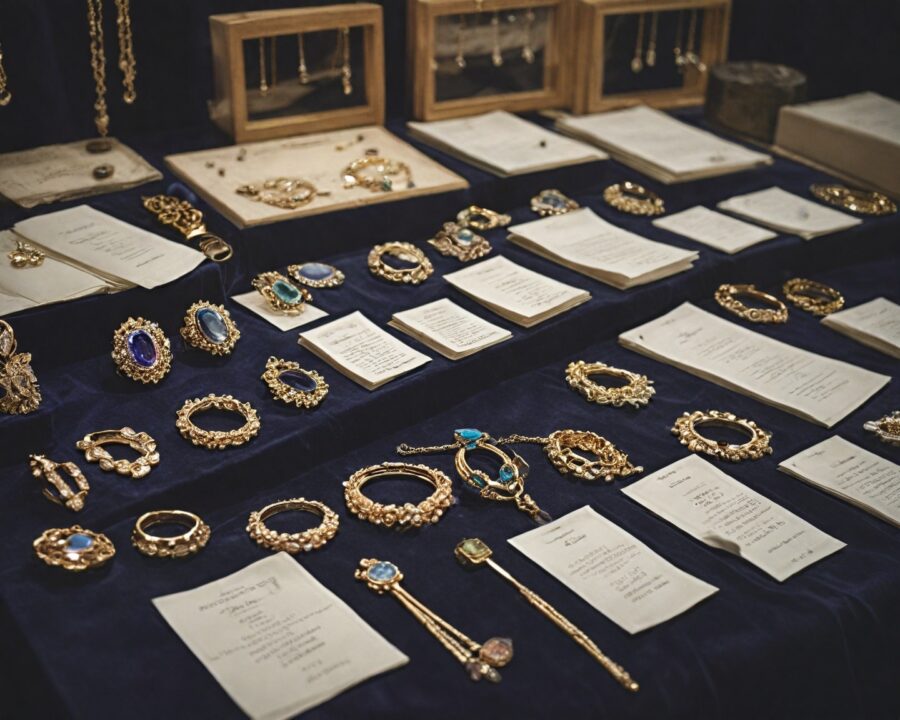
Introduction to Gold and Precious Metals in Fashion
Gold and precious metals have long captured the human imagination with their allure and enduring value. In modern fashion, these materials are more than mere adornments; they are symbols of luxury, status, and personal style. Gold, in particular, plays a multifaceted role in contemporary design, blending timeless elegance with cutting-edge innovation. As fashion evolves, precious metals continue to hold relevance, adapting to new trends while maintaining their classic appeal.
Fashion designers across the globe integrate these materials into their creations, often to emphasize opulence and exclusivity. Whether through statement jewelry pieces or minimalist accents, gold and its metallic counterparts serve as key elements that enhance the aesthetic of any ensemble. Their versatility allows for endless creativity, from high-fashion runway shows to everyday wear, ensuring that these metals remain a staple in the fashion industry.
While the use of gold and other precious metals in fashion is universally recognized today, their roots run deep through centuries of human history. This historical context not only amplifies their cultural significance but also highlights the evolution of their use in personal adornment. Exploring this journey from past to present provides insight into how gold and precious metals have shaped and been shaped by the cultural landscapes in which they exist.
As we delve into the current landscape of these materials in fashion, it is essential to examine not only their aesthetic appeal but also the ethical considerations surrounding their sourcing and production. The demand for sustainable and ethically sourced materials is reshaping the industry, prompting designers and consumers alike to make more informed choices about the origins and impacts of their jewelries. This growing awareness marks a pivotal shift towards responsible fashion, where elegance is not sacrificed for ethics.
Historical Significance of Gold in Jewelry
Gold has been cherished throughout the ages for its beauty, durability, and rarity. Its historical significance in jewelry is evident in virtually every civilization, from the ancient Egyptians to modern times. Gold’s natural luster and resistance to tarnishing made it the ideal material for crafting jewelry that was meant to last generations.
In ancient Egypt, gold was considered the skin of gods, particularly the sun god Ra. It was central to their mythology and cultural expressions, used in everything from funerary masks to intricate amulets. These artifacts not only showcased extraordinary craftsmanship but also underscored the spiritual and social significance of gold. Similarly, in ancient Greece and Rome, gold jewelry was a symbol of power and prestige, worn by both men and women as an expression of status and wealth.
The Middle Ages saw a continuation of gold’s esteemed status, as it became a favored medium for religious artifacts and jewelry among the European nobility. It often featured intricate designs, with settings for precious stones that added color and symbolism. As trade routes expanded during the Renaissance, goldsmiths gained access to new techniques and materials, leading to more elaborate and ornate jewelry designs.
Gold’s allure persisted through the ages, adapting to the changing tastes and technologies of each era. The introduction of gold coins and the development of trade routes facilitated its distribution, making it more accessible yet still highly prized. Today, historical designs influence contemporary styles, showcasing gold’s timeless appeal and its ability to transcend cultural and temporal boundaries.
The Rise of Gold in Contemporary Fashion
In recent years, gold has experienced a resurgence in the fashion world, driven by both nostalgia and a shift towards statement pieces. The resurgence of gold in contemporary fashion can be attributed to its versatility and timelessness. Designers leverage gold’s reflective properties to create stunning visual effects, making it a popular choice for both jewelry and clothing accents.
The minimalist trend in fashion has also contributed to gold’s popularity. Simple gold accessories complement the clean lines and neutral palettes of modern style, offering a touch of elegance without overwhelming the simplicity of an outfit. Rings, necklaces, and earrings in understated designs often become daily staples, elevating everyday fashion.
The embrace of bold and expressive styles also highlights gold’s dynamic role in fashion. Chunky gold chains, oversized earrings, and intricately layered pieces bring a sense of drama and flair, resonating well with younger generations and fashion-forward individuals. Whether paired with casual wear or formal attire, gold makes a statement that is both modern and nostalgic, embodying the dualities of tradition and innovation.
Fashion icons and celebrities further amplify the appeal of gold by frequently showcasing it on red carpets and social media platforms. This visibility reinforces gold’s luxury status and influences consumer trends, driving the demand for gold-centric styles. As digital media continues to shape fashion trends, gold remains at the forefront, celebrated for its ability to enhance personal expression and capture the limelight.
Popular Precious Metals Used in Jewelry
While gold takes center stage in many jewelry collections, other precious metals play significant roles in the evolution of fashion. The diversity of these metals allows for a wide range of aesthetic and functional properties, catering to varying tastes and preferences.
Silver
Silver is one of the most popular alternatives to gold, known for its cool, sleek appearance. Its affordability compared to gold makes it a desirable option for consumers seeking elegance without the high price tag. Silver is also highly versatile, lending itself well to both minimalist designs and more elaborate art pieces.
Platinum
Platinum is prized for its strength and rarity, often associated with luxury and exclusivity. Its naturally white sheen complements diamonds and other gemstones, making it a favorite choice for engagement rings and high-end jewelry. Platinum’s durability ensures that it can withstand daily wear while maintaining its pristine condition.
Palladium
Palladium, a member of the platinum family, is gaining popularity due to its hypoallergenic properties and unique, bright finish. It shares many qualities with platinum but is generally more affordable, offering a premium look without the premium price. Designers appreciate its ability to hold intricate details and resist tarnishing.
Rhodium
Often used as a plating over white gold or silver, rhodium adds a reflective, tarnish-resistant surface that enhances the brilliance of the underlying metal. While not often used in pure form due to its brittleness, rhodium’s shining properties make it a valuable component in fine jewelry.
| Metal | Key Characteristics | Popular Uses | Price Range |
|---|---|---|---|
| Gold | Malleable, durable, traditional | Rings, necklaces, luxury items | High |
| Silver | Lustrous, versatile, affordable | Everyday jewelry, fashion pieces | Moderate |
| Platinum | Strong, rare, hypoallergenic | Engagement rings, high-end jewelry | Very High |
| Palladium | Bright, durable, lightweight | Fashionable rings, modern designs | Moderate to High |
Gold vs. Other Precious Metals: A Comparison
When comparing gold to other precious metals, several factors come into play, including appearance, price, durability, and cultural significance. Each metal has unique qualities that make it suitable for different types of jewelry and styles.
Appearance and Aesthetics
Gold is renowned for its warm, rich glow that adds a touch of luxury to any piece. It comes in various hues, such as yellow, white, and rose gold, each offering distinct visual appeal. By contrast, silver offers a cooler tone, ideal for understated elegance. Platinum and palladium, with their naturally white appearances, are favored for their sleek, modern look.
Cost and Value
Gold’s intrinsic value often makes it more expensive than other metals, a hallmark of its status as a luxury material. Silver, being more abundant, is typically less costly, making it accessible for wider consumer bases. Platinum, due to its rarity and strength, is generally priced higher than gold. Palladium offers a mid-range cost option, affording both luxury and affordability.
Durability and Wearability
When it comes to durability, platinum reigns supreme, known for its enduring strength and ability to withstand everyday wear without losing its shape. Gold, though malleable, is strong and resistant to corrosion and rust. Silver, softer and more prone to tarnishing, requires regular maintenance to retain its shine. Palladium is noted for being light and durable but often used in settings where lightweight and scratch resistance are desired.
Sustainable and Ethical Sourcing of Precious Metals
As the demand for gold and precious metals grows, so does the awareness of the environmental and ethical challenges associated with their extraction and production. Consumers and designers are increasingly seeking sustainable and ethically sourced materials to reduce the impact on communities and ecosystems.
The Impact of Mining
Traditional mining practices have significant environmental footprints, contributing to habitat destruction, water pollution, and greenhouse gas emissions. Ethical concerns also arise from labor practices in some mining communities, including unfair wages and unsafe working conditions. These issues have prompted a movement towards more sustainable and ethical mining practices.
Fair Trade and Eco-Friendly Practices
Fair trade principles aim to ensure that workers in mining communities receive equitable wages and work under safe conditions. Certification schemes, like the Fairmined Standard, assure consumers of ethically sourced gold. Eco-friendly practices, such as recycling precious metals and responsible mining, help minimize the ecological impact.
The Role of Consumers
Consumers play a crucial role in driving the shift towards ethical fashion by making informed purchasing decisions. By choosing brands that prioritize transparency and sustainability, consumers help hold companies accountable and encourage more ethical practices within the industry. Designers and retailers are responding by offering collections that highlight their commitment to sustainability and ethics.
The Influence of Gold on High Fashion and Runway Shows
Gold’s presence on high fashion runways is a testament to its enduring allure and versatility. Designers frequently incorporate gold into their collections, using it to add a touch of glamour and sophistication to their creations.
Iconic Runway Moments
Gold has been instrumental in creating iconic fashion moments, from the shimmering gowns at couture shows to bold gold accessories that define the season’s trends. Designers such as Versace, Balmain, and Chanel have showcased gold in breathtaking forms, pushing the boundaries of creativity and craftsmanship.
Gold as a Symbol of Luxury
In high fashion, gold is synonymous with opulence, often used to convey themes of luxury and extravagance. It serves as a canvas for artistic expression, allowing designers to experiment with texture, shape, and color. Whether through gilded fabrics or intricate beading, gold elevates fashion to an art form that captivates and inspires.
Thematic Inspirations
Gold’s versatility allows it to seamlessly fit into a variety of thematic expressions, from antiquity-inspired collections to futuristic visions. Its ability to evoke a sense of fantasy and ambition makes it a favorite among designers seeking to explore bold concepts and create unforgettable runway spectacles.
How to Incorporate Gold Jewelry into Everyday Style
Incorporating gold jewelry into everyday style doesn’t require a complete wardrobe overhaul. With a few thoughtful additions, anyone can elevate their daily looks with a touch of gold.
Layering and Stacking
One of the most popular ways to wear gold is through layering and stacking. Combining multiple necklaces of varying lengths or stacking rings and bracelets can create a playful yet sophisticated look. Mixing textures and designs, such as pairing a delicate chain with a bold pendant, adds depth and interest.
Matching with Wardrobe
Gold jewelry complements a wide range of colors and styles, making it a versatile choice for everyday wear. Pairing gold accessories with neutral tones like black, white, or beige can highlight their luster, while combining gold with rich colors such as emerald or burgundy creates a striking effect.
Statement Pieces
For those who prefer a more subtle approach, selecting one statement gold piece can be just as impactful. A chunky gold bracelet or a pair of hoop earrings can serve as the focal point of an outfit, drawing attention without overwhelming the overall look. These pieces can be easily dressed up or down, transitioning seamlessly from day to night.
The Future of Gold and Precious Metals in Fashion
As the fashion industry continues to evolve, so does the role of gold and precious metals. Future trends are likely to focus on innovation in design, technology, and sustainability, shaping how these materials are used and perceived in fashion.
Technological Advancements
Advancements in technology are opening new possibilities for incorporating gold and precious metals into fashion. Techniques such as 3D printing and digital modeling allow for more intricate and precise designs, reducing waste and enhancing creative expression. These innovations are paving the way for unique and customizable jewelry pieces that cater to individual tastes.
Emphasis on Sustainability
Sustainability will remain a key focus for the future of gold and precious metals in fashion. As consumers become more conscious of their environmental impact, demand for recycled and responsibly sourced materials is expected to grow. The adoption of sustainable practices not only benefits the environment but also enhances brand reputation and consumer trust.
Cultural and Design Influences
Globalization continues to influence fashion, leading to a fusion of cultures and styles. This trend presents opportunities for designers to draw inspiration from diverse cultural heritages, incorporating symbolic elements and traditional crafting techniques into modern designs. Gold and precious metals will likely serve as bridges between the past and future, allowing designers to honor tradition while creating innovative pieces.
Celebrity Influence on Gold Jewelry Trends
Celebrities play a significant role in shaping jewelry trends, often setting the stage for what becomes popular among the masses. Their influence extends across various platforms, from red carpet events to social media, impacting consumer preferences and market demand.
Red Carpet Glamour
Gold jewelry frequently graces the red carpets of prestigious award shows, where celebrities showcase dazzling pieces that capture the media’s attention. These appearances often dictate upcoming trends, as fans and fashion enthusiasts seek to emulate the styles of their favorite stars. Gold’s elegance and versatility ensure it remains a staple in celebrity fashion.
Social Media Trends
Celebrities also leverage social media to promote their personal styles and collaborations with jewelry brands. Platforms like Instagram provide a space for stars to showcase their favorite pieces and influence their followers’ purchasing decisions. The instant visibility offers brands a powerful marketing tool, making it easier for gold jewelry trends to gain traction quickly.
Endorsements and Collaborations
Collaborations between celebrities and jewelry designers often lead to exclusive collections that drive consumer excitement. These partnerships bring a unique blend of star power and design expertise, resulting in pieces that appeal to a wide audience. Gold’s timeless appeal makes it a frequent choice for such collaborations, further cementing its status in contemporary fashion.
Caring for Gold and Precious Metal Jewelry
Proper care and maintenance of gold and precious metal jewelry are essential to preserve their beauty and value. With the right techniques, these pieces can remain in excellent condition for years to come.
Cleaning and Maintenance
Regular cleaning is key to maintaining the shine of gold and precious metal jewelry. Using a gentle jewelry cleaner or a solution of mild soap and warm water can help remove dirt and oils. Soft cloths and brushes are recommended to avoid scratching delicate surfaces.
Storage Tips
Storing gold jewelry properly can prevent scratches and tarnish. Keeping pieces in individual cloth pouches or lined jewelry boxes minimizes contact with other items and exposure to air. It’s also advisable to store jewelry away from direct sunlight and humidity, which can affect their integrity.
Professional Care
For valuable or intricate pieces, seeking professional cleaning and inspection services can ensure that jewelry remains in pristine condition. Jewelers have specialized tools and knowledge to address issues such as loose settings or dull metal surfaces, extending the life of the jewelry.
Frequently Asked Questions
What Makes Gold So Popular in Fashion?
Gold’s popularity in fashion stems from its timeless appeal, versatility, and cultural significance. It complements a wide range of styles and adds a touch of luxury to any outfit.
How Can I Tell if My Gold Jewelry is Real?
Authentic gold jewelry typically has a hallmark indicating its purity level, such as 14K or 18K. Professional jewelers can also perform tests to verify authenticity.
Are Gold and Precious Metals a Good Investment?
Gold and precious metals can be considered good investments due to their intrinsic value and historical appreciation in worth. However, the investment decision should align with individual financial goals and market conditions.
How Has Technology Impacted Gold Jewelry Design?
Technology, including 3D printing and digital modeling, has revolutionized gold jewelry design by enabling more intricate and personalized creations while reducing material waste.
What Should I Consider When Buying Gold Jewelry?
Consider factors such as purity, design, craftsmanship, and sourcing ethics when buying gold jewelry. Understanding these aspects can help make informed purchasing decisions.
How Do Celebrities Influence Gold Jewelry Trends?
Celebrities influence gold jewelry trends by showcasing pieces in high-profile settings and social media, setting style standards that are often emulated by the public.
What is the Difference Between Yellow, White, and Rose Gold?
The difference lies in their alloy composition. Yellow gold is pure gold mixed with copper and zinc, white gold combines gold with palladium or silver, and rose gold includes copper, which gives it a pinkish hue.
Recap
In this article, we’ve explored the multifaceted role of gold and precious metals in modern fashion and jewelry. We examined their historical significance, contemporary resurgence, and the various types of metals popular in jewelry design. From ethical sourcing to the influence of technology and celebrity trends, these elements all contribute to the enduring allure of gold. Practical tips for incorporating gold into everyday style and maintaining its beauty highlight the timeless nature of these precious materials.
Conclusion
Gold and precious metals remain cornerstones of fashion, celebrated for their beauty, permanence, and symbolic meanings. As fashion trends evolve, these materials continue to adapt, driven by advancements in technology, shifts in consumer consciousness, and cultural influences. The future promises further innovation and sustainability, ensuring that gold and precious metals will keep enchanting and inspiring designers and consumers alike.
In embracing the ethical and aesthetic potential of these materials, the fashion industry takes strides towards responsible luxury, where style and sustainability coexist. This journey not only enhances creativity but also fosters an appreciation for the lasting impact of carefully crafted jewelry that tells stories of tradition, artistry, and innovation.