
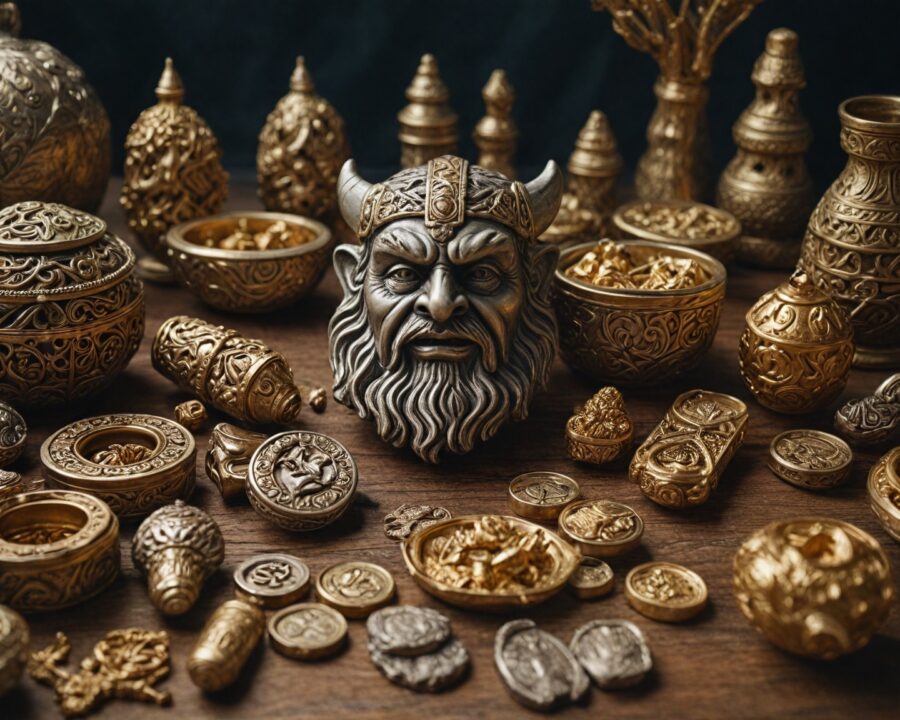
Introduction to Norse Mythology and Its Pantheon
Norse mythology, a rich tapestry of stories and legends, has fascinated scholars and enthusiasts for centuries. Originating from the ancient Norse people, primarily from the regions now known as Scandinavia, these myths offer profound insights into the beliefs, values, and cultures of the pre-Christian North Germanic societies. They are most famously captured in works such as the Poetic Edda and the Prose Edda, which remain the primary sources for understanding these tales. These texts reveal a pantheon of gods and goddesses that were revered by the Norse, each possessing unique attributes and qualities that were worshipped and feared.
Central to Norse mythology is its pantheon, led by Odin, the Allfather, known for his wisdom and association with war and death, but also poetry and knowledge. Thor, the thunder god, known for his incredible strength and fiery temper, protected humanity from giants. Freya, a goddess of love and fertility, was also linked to war and death in a complex duality. Additionally, Loki, the trickster god, often instigated chaos yet played a pivotal role in shaping the myths. Together, these deities and many others form a complex hierarchy and familial web.
Understanding Norse mythology requires exploring the vibrant symbolism that runs throughout its tales. Among various symbols, gold stands out as one of the most potent, representing not only wealth and prosperity but also divine power and mystical energies. In many stories, gold is portrayed as an emblem of beauty and splendor, yet it often bears a cursed or burdensome quality. These dual attributes serve to enhance the narrative tension in Norse stories, highlighting the capricious nature of both fortune and fate.
This article aims to delve into the symbolic role of gold in Norse mythology, examining how it is depicted through various myths and artifacts. By exploring these themes and comparing Norse mythological concepts to other cultures, one can gain a deeper understanding of gold’s perpetual allure and significance. As we journey through the divine treasures and tale-telling gems of the Norse gods, let us embark on an exploration that reflects not only on the past but on its enduring influence in contemporary contexts.
The Symbolic Significance of Gold in Norse Culture
Gold in ancient Norse culture was not merely a valuable metal; it embodied several layers of cultural and spiritual significance. It was a symbol of divine wealth and celestial beauty, often attributed to the gods as both a mark of their power and a tantalizing reminder of the dangers inherent in greed and desire. Unlike contemporary understandings of wealth, where gold stands as a static measure of economic value, its portrayal in Norse mythology carries more complex connotations.
Firstly, gold represented an intrinsic connection to the divine. Norse sagas frequently attribute golden attributes to gods and their possessions, signifying their transcendent status. For instance, the radiant golden tree Yggdrasil, central to the cosmos, illustrates the sanctity and immortality associated with gold. It was believed to be unyielding, much like the perceived eternal nature of the gods’ favors or wrath.
Secondly, gold was often tied to fate and prophecy. The Norns, equivalent to the Fates in Greek mythology, were said to weave the destinies of all beings while seated near a golden pool or well. This imagery reinforced the idea that gold was interwoven with the unchangeable aspects of existence, emanating both allure and peril in its promise of success or ruin.
Additionally, gold served as a stark symbol of envy and rivalry. In tales where gold is sought or hoarded, it often leads to strife and tragedy, illustrating the moral lesson that excessive greed can invite destruction. It is through gold that many of the tragic events in Norse narratives are set into motion, acting as an agent of chaos that tests the mettle of heroes and gods alike.
Famous Norse Myths Involving Gold
Norse mythology teems with stories where gold plays a crucial role, often acting as a catalyst for some of the mythology’s most iconic and dramatic events. These myths capture the dual nature of gold as both a precious asset and a harbinger of doom.
One of the most famous stories involving gold is that of Gullinbursti, the golden-bristled boar crafted by the dwarfs Brokkr and Sindri. Commissioned by Loki, Gullinbursti was not only a work of incredible craftsmanship but also a magical creature that symbolized fertility and prosperity. The boar’s creation involved a wager and trickery, highlighting gold’s recurring theme of being tied to cunning and deceit.
Another celebrated myth is the tale of Fafnir, a dwarf who transformed into a dragon to guard a hoard of cursed gold. This story is intertwined with the saga of the hero Sigurd, who slays the dragon to claim the treasure. Here, gold is portrayed as a corrupting influence, a source of power that brings only sorrow and destruction to those who possess it.
Additionally, the myth of Andvari’s Ring tells of a ring that granted its owner vast wealth but was cursed by its original owner, the dwarf Andvari. The curse brought tragedy and ruin to all who held it. This story again underscores gold’s duality as both a motivator for greed and a harbinger of misfortune.
These myths illustrate the complexity of gold’s role in Norse mythology, portraying it as a symbol intrinsically linked to fate, divinity, and the human condition. Through these tales, the Norse impart moral and ethical lessons about the use and desirability of gold.
The Role of Gold in the Story of the Rhinegold
The Rhinegold is another profound myth within the Norse tradition that exemplifies the powerful and often perilous allure of gold. The story is intricate, involving gods, giants, and mythical beings, ultimately centered around a treasure of immense worth and magical potency.
The myth begins with the dwarf Alberich, who forsakes love to gain power over the Rhinegold, a treasure guarded by maidens of the Rhine River. By forging the gold into a ring, Alberich becomes all-powerful, yet it comes at the cost of his humanity and compassion. This story mirrors the broader Norse theme where gold is won at great personal expense and suffering.
The gods themselves become involved in the tale when they trick Alberich into surrendering the gold. However, the stolen treasure carries a curse, dooming all who possess it. Despite their divine status, the gods are not immune to the corrupting influence of the cursed gold. This illustrates another layer of gold’s symbolism, transcending mortal boundaries to touch even the highest beings.
In this myth, gold represents a deep-rooted desire for control and ascendancy, blinding individuals to the inevitable consequences of their actions. The Rhinegold eventually returns to its underwater sanctuary, symbolizing the transient nature of power attained through corrupt means. Thus, the role of gold in this narrative serves as a potent reminder of the moral and ethical lapses induced by unchecked ambition and greed.
Gold as a Symbol of Power and Wealth Among the Norse Gods
Within the architecture of Norse mythology, gold occupies a significant role as a symbol of both power and divine wealth. The possessions of the gods, often depicted as being made of or adorned with gold, reflect their superior status and the undisputed sovereignty they wield over the cosmos.
Odin, the all-seeing father of the gods, is frequently associated with golden artifacts. His spear, Gungnir, crafted by the sons of Ivaldi, is said to be so perfect that it always hits its mark. The golden attributes of this weapon speak to Odin’s immense influence and capacity for judgment, reinforcing his omnipotence and rightful place as the leader of the Asgardian pantheon.
Similarly, Thor’s hammer, Mjolnir, while primarily known for its destructive power, is depicted in sagas as having a gold sheen, symbolizing the intersection of might and purity. This special aspect underscores Thor’s role not only as a fierce protector but also as a divine figure maintaining cosmic order.
Furthermore, Freya, the goddess of love and beauty, possessed a marvelous necklace called Brísingamen, which was said to have been wrought from gleaming gold. Freya’s jewelry signifies allure and captivating beauty that no mortal can resist, illustrating gold’s role as a symbol of divine enchantment and charm.
These examples illustrate how gold serves as a potent emblem of divine authority and magical elegance in Norse mythology. It enhances the gods’ perceived power, not just through tangible wealth but also through its artistry and intrinsic qualities that transcend mere mortals.
The Creation of the Golden Bristle Boar and Other Treasures
The creation of various divine treasures stands as a central theme in Norse myths, with gold being the quintessential material employed by gifted artisans of the gods, particularly the dwarves. These items, crafted with meticulous skill and infused with magical properties, often define the character and capabilities of the godly owners.
One of the notable treasures is Gullinbursti, the aforementioned golden-bristled boar belonging to the god Freyr. Forged by the dwarves Brokkr and Sindri, Gullinbursti exhibits attributes far beyond those of a normal boar, including immense speed and radiant light that could pierce even the darkest realms. This creation story underscores the ingenuity and unmatched craftsmanship of the dwarves, emphasizing gold’s versatility as a material of both utility and beauty.
Another celebrated treasure is Draupnir, a magical golden ring belonging to Odin. Draupnir had the unique ability to replicate itself, producing eight new rings every ninth night. This property made it a representation of infinite wealth and abundance, symbolically reinforcing Odin’s status as the fountainhead of divine wisdom and prosperity.
Mjölnir, Thor’s mighty hammer, embodies another dimension of this theme. Although primarily known as a weapon of destruction, its golden hue signifies a profound yet subtle connection to purity and righteousness, granting Thor the strength to maintain order in the cosmos.
The creation of these treasures highlights Norse mythology’s emphasis on both the aesthetic and mystical qualities of gold. It serves as a medium through which the gods’ formidable talents and virtues manifest, influencing both divine narratives and mortal behaviors alike.
Gold in the Myth of Fafnir and the Curse of Andvari’s Ring
The myth of Fafnir exemplifies one of the most potent narratives in Norse mythology where gold is intertwined with themes of greed, transformation, and the tragic consequences thereof. The saga intricately weaves together the lives and destinies of multiple characters, including dwarves, heroes, and gods.
Fafnir was initially a dwarf, the son of the dwarf king Hreidmar. He came into possession of a hoard of gold cursed by the dwarf Andvari, including a ring which had been mercilessly taken from Andvari by Loki. Under the curse’s influence, Fafnir’s greed proliferated to such an extent that he killed his father to take sole ownership of the treasure. This overwhelming avarice transformed Fafnir into a dragon, a counterpoint to his lust for wealth that left him isolated and paranoid.
This tale continues with the hero Sigurd, who, under the guidance of the god Odin, slays Fafnir and claims the cursed treasure, including Andvari’s ring. Despite their acquisition, the curse persists, bringing destruction and betrayal within Sigurd’s narrative arc. Illustrating a stark moral message woven through Norse mythos, the material wealth amassed through wrongdoing inevitably leads to ill fate.
Andvari’s ring, in particular, symbolizes the perpetual cycle of desire and ruin. While it promised prosperity, the ring fundamentally exemplified the idea that ultimate power came with unbearable burdens. Thus, this myth encapsulates the duality of wealth and the shadow it casts over its possessors, a reoccurring theme deeply entrenched in Norse mythology.
The Influence of Gold on Norse Art and Craftsmanship
The importance of gold in Norse mythology is mirrored in the tangible art and craftsmanship of the ancient Norse peoples. Artifacts unearthed from Viking-era settlements present a vivid picture of how gold was not just a resource, but a significant cultural and artistic inspiration powering a sophisticated aesthetic.
Golden brooches, arm rings, and necklaces, often adorned with intricate patterns and symbolic motifs, have been found in burial sites, signifying their owner’s status and heritage. These artifacts often feature distinctive knotwork and animal forms, reflecting both the artistic prowess and the spiritual beliefs that permeated Norse culture. Furthermore, gold embellishments elevated many mundane items into symbolic talismans or objects of ceremonial importance.
The craft of smithing gold into ornate tools, weapons, and jewelry highlights the skill and prestige of artisans in Norse society. Dwarven craftsmanship, as depicted in the myths, speaks to this elevation of artistry into a divine domain. Seamlessly combining functionality with aesthetic elegance, these artworks underscored gold’s multifaceted role as a material of both human endeavor and divine narrative.
Moreover, ship burials often contained gold trinkets and adornments, suggesting that the deceased were provided such treasures to assist in their journey to the afterlife. These findings indicate how deeply gold was enmeshed not only in material culture but also in the spiritual life of the Norse.
Indeed, the influence of gold on Norse art and craftsmanship marks a profound legacy wherein artisans balanced sophisticated technique with mythological narrative, weaving their own stories into the rich tapestry of Norse heritage.
Comparative Analysis: Gold in Norse vs. Other Mythologies
While gold serves as a significant symbol in Norse mythology, its presence and meaning extend across various other global mythologies, each with unique interpretations yet remarkably similar themes. A comparative analysis reveals fascinating cross-cultural insights into the universal allure and cautionary tales intertwined with gold.
In Greek mythology, gold similarly symbolizes divine beauty and temptation. The story of the Golden Fleece and King Midas’s touch comments on humanity’s hunger for wealth and the subsequent moral lessons of moderation and wisdom. These themes closely align with Norse narratives which warn against the insatiable pursuit of wealth and power.
Contrastingly, in Hindu mythology, gold is seen as a symbol of purity and good fortune, often associated with the goddess Lakshmi. Here, gold is less of a cautionary tale and more about spiritual prosperity and ethical living. This positive symbolism contrasts with Norse myths that focus on the moral pitfalls accompanying riches.
In Egyptian mythology, gold is a sacred metal believed to be the flesh of the gods, especially the sun god Ra. It signified eternity and was often used in funerary rites due to its perceived ability to grant immortality, a theme also present in Norse mythology wherein gold bridges the mortal and divine realms.
Despite differences in narrative and emphasis, the role of gold as a symbol of power, beauty, and peril remains prevalent across these mythologies. This highlights humanity’s enduring fascination with gold, bound by shared cultural reflections on wealth’s potential and peril.
| Mythology | Gold Symbolism | Cultural Significance | Example Myths |
|---|---|---|---|
| Norse | Power and greed | Divine and cursed | The Rhinegold, Fafnir’s Hoard |
| Greek | Beauty and retribution | Moral lessons and hedonism | Midas, The Golden Fleece |
| Hindu | Purity and prosperity | Good fortune and ethical living | Appearance as a symbol of the goddess Lakshmi |
| Egyptian | Eternal and divine | Immortality and divinity | Associated with Ra, used in funeral rituals |
The Legacy of Gold in Modern Interpretations of Norse Myths
Gold continues to captivate modern audiences, featuring prominently in recent adaptations and interpretations of Norse mythology across various media. Its portrayal often remains faithful to traditional symbolism while allowing room for creative exploration and reimagining.
In contemporary literature, gold often symbolizes the tenuous balance between virtue and vice, much as it did in ancient myths. Popular books and cinematic adaptations, such as those inspired by J.R.R. Tolkien’s lore which drew heavily from Norse mythology, utilize gold as a powerful storytelling device to explore themes of greed, betrayal, and redemption.
Television series like Vikings and superhero franchises that include figures from Norse mythology, such as the Marvel Cinematic Universe, have also highlighted gold’s role as a central motif. These adaptations often use golden artifacts and wealth to depict status and conflict, drawing on the rich narrative fabric of the ancient sagas while introducing contemporary layers of meaning.
In the realm of video games, gold serves as both a literal currency and a symbolic element. Games like God of War reinterpret Norse myths, allowing players to interact with legendary treasure and artifacts, integrating gold’s harvest and use into immersive storytelling.
These modern retellings and adaptations emphasize the timelessness of gold’s symbolic power, affirming its pivotal place in Norse mythology as well as its ongoing cultural and artistic resonance.
Conclusion: The Enduring Allure of Gold in Norse Mythology
Gold, as featured in Norse mythology, is far more than a precious metal; it is a profound symbol of the human condition, reflecting both our greatest aspirations and fears. Through myths suffused with gods, heroes, and magical creatures, gold serves as a dynamic force, shaping destinies and imparting lessons that remain instructive to this day.
The persistent allure of gold lies in its duality, representing wealth and beauty while delivering cautionary messages of caution and the dark depths of avarice. These stories, infused with vibrant symbolism and moral inquiry, invite us to reflect on the value we ascribe to material wealth and the ethical considerations it demands.
In understanding the role of gold in Norse mythology, we uncover not only the socio-cultural layers of the ancient Norse but also enduring truths about human nature. The myths resonate with us today, compelling us to confront the complexities of desire, morality, and destiny—stirring curiosity and introspection as they did centuries past.
Thus, the legacy of gold in Norse mythology endures, carried forward through art, storytelling, and the reinterpretations that shape our collective imagination. It remains a beacon of fascination, inviting us to explore the depths of mythical lores and the reflections they cast on our lives.
FAQ
What role does gold play in Norse mythology?
Gold in Norse mythology primarily symbolizes divine power, wealth, and beauty, but it often also carries a theme of danger and curse. It is commonly linked to stories involving the gods, heroism, and the consequences of greed.
How is gold depicted among the Norse gods?
Gold among the Norse gods is depicted as a mark of their power and celestial authority. Iconic artifacts like Odin’s spear Gungnir and Freya’s necklace Brísingamen demonstrate their status and are often described as being made of or adorned with gold.
What is the significance of the cursed gold in the myth of Fafnir?
The cursed gold in the myth of Fafnir represents how greed can lead to corruption and destruction. The hoard, guarded by Fafnir, was originally cursed by Andvari, damning all who possessed it and leading to tragic narratives such as the transformation of Fafnir into a dragon and Sigurd’s eventual demise.
How does Norse mythology’s view of gold compare to other cultures?
While other mythologies often portray gold as a symbol of prosperity and divinity, Norse mythology emphasizes its dual nature as a source of both divine beauty and ominous power. Similar themes of caution and morality are seen in Greek myths, while Hindu myths typically represent gold in a more positive light.
What modern adaptations explore gold in Norse mythology?
Modern adaptations exploring gold in Norse mythology include literature such as J.R.R. Tolkien’s works, TV series like Vikings, and movies in the Marvel Cinematic Universe. These adaptations often highlight the themes of power, greed, and destiny associated with gold.
Why does gold hold such symbolic power across cultures?
Gold holds symbolic power across cultures due to its enduring beauty, rarity, and resistance to tarnish. Its historical use as currency and marker of status solidified its role as an emblem of power and wealth, deep-rooted in both material and spiritual narratives.
What lessons can we learn from Norse myths involving gold?
Norse myths involving gold teach us about the complexities of human desire and the moral implications of pursuing wealth and power. They offer cautionary tales about the dangers of unchecked greed and the transient nature of material success, urging reflection and ethical conduct.
Recap
Throughout this exploration of gold in Norse mythology, several key points have emerged:
- Gold is a central symbol of divine power, beauty, and potential corruption in Norse myths.
- Famous myths such as those involving Fafnir and Andvari’s ring illustrate gold’s dual role as a source of allure and destruction.
- The Norse gods’ possessions often incorporate gold, highlighting their celestial status and reinforcing narratives of power.
- Norse gold artifacts demonstrate the cultural significance of the metal in art and craftsmanship, linking divine narratives with human creativity.
- Comparative analysis reveals both universally shared and culturally unique views on gold across various mythologies.
- Modern interpretations continue to explore the rich symbolism and themes associated with gold, ensuring its timeless relevance and intrigue.
By understanding these themes, we can gain deeper insight into the values and beliefs of the Norse, reflecting on enduring lessons regarding wealth, morality, and destiny.