
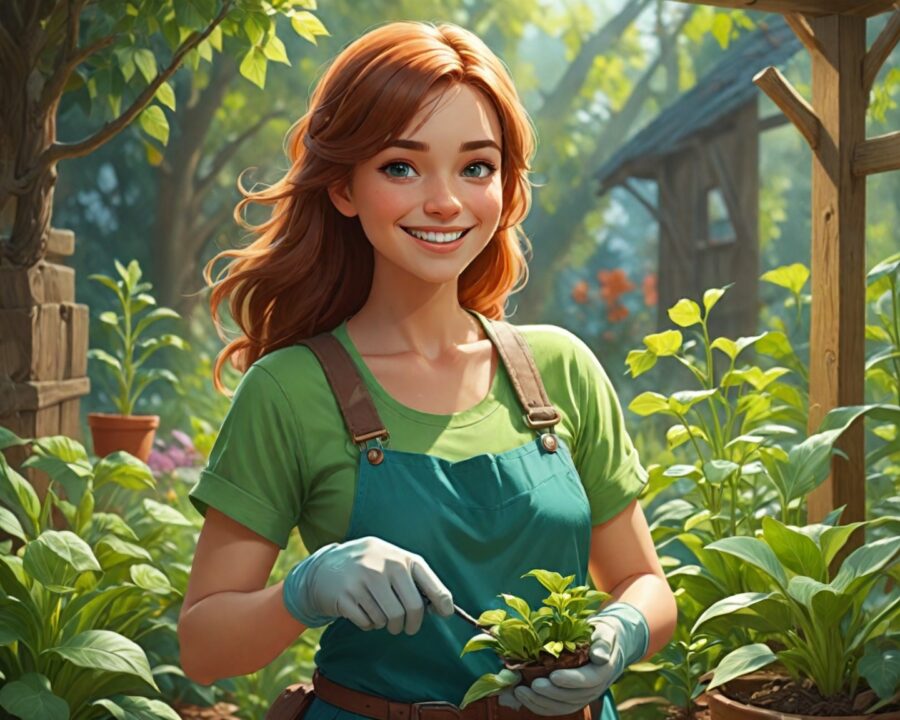
Gardening can seem like a daunting task for those who have never wielded a trowel or pot before. However, it’s a rewarding hobby that not only enhances your living space but also boosts your well-being. Fortunately, starting a garden doesn’t require years of experience or a green thumb. With a little research and the right approach, anyone can cultivate a thriving bed of plants, flowers, or even a vegetable garden. This guide aims to demystify the process and equip beginners with the knowledge they need to grow confidently.
From selecting the right plants to understanding soil types, many foundational steps can make your initial foray into gardening both successful and enjoyable. Beginners often find themselves overwhelmed by the variety of seeds, tools, and information available. This article provides a detailed breakdown of what you need to know to start gardening with ease, ensuring that your first time in the garden is both fruitful and fun.
Understanding the Benefits of Gardening for Beginners
Gardening offers a multitude of benefits that extend beyond the obvious aesthetic enhancements. For those stepping into this world for the first time, understanding these benefits can provide motivation and a deeper connection to the practice. Firstly, gardening is a stress-reliever. Spending time nurturing plants can reduce the levels of cortisol, the stress hormone, allowing you to unwind and relax. There’s something incredibly satisfying about watching seeds you’ve sown grow into thriving plants.
Moreover, gardening encourages physical activity. It involves various tasks such as digging, planting, and weeding, which can improve physical fitness. Regular gardening can increase strength, stamina, and flexibility. This form of low-impact exercise is particularly beneficial for those looking to stay active without over-exerting themselves.
Lastly, gardening can foster a sense of community. Whether you’re growing a communal garden or swapping tips and seeds with fellow gardeners, this hobby can bring people together. Sharing the fruits (quite literally, in some cases) of your labor can be a gratifying way to connect with others and share in the joys of gardening.
Essential Tools and Supplies for First-Time Gardeners
When starting a garden, it’s crucial to have the right tools and supplies to ensure the process is seamless and enjoyable. Beginners often find themselves confused by the plethora of gardening tools available, but you only need a few basics to get started.
First on the list is a good pair of gardening gloves. These protect your hands from dirt, scrapes, and possible encounters with thorns or rough edges. Gloves can also prevent the spread of soil-borne diseases to plants. A durable pair that fits well is a long-term investment.
Next, invest in basic tools such as a trowel, hand fork, and pruners. A trowel is excellent for planting and potting, while a hand fork helps in loosening the soil and removing weeds. Pruners are essential for keeping your plants tidy and cutting back dead growth. A watering can or a garden hose is also necessary to ensure that your plants receive adequate moisture.
Additionally, consider the pots or containers if you are opting for container gardening. Choose containers that have drainage holes to prevent waterlogging. It’s also wise to consider the purchase of organic fertilizers and quality soil, especially if you’re planning to grow vegetables or herbs which prefer nutrient-rich environments.
How to Choose the Right Plants for Your Garden
Selecting the right plants is a crucial step for beginner gardeners. Understanding what plants are best suited to your environment and gardening experience can mean the difference between success and failure.
Evaluate the climate and hardiness zone of your area. These factors will influence what plants can grow successfully in your garden. Review the USDA Plant Hardiness Zone Map to determine your zone and choose plants that are recommended for it. It’s also important to consider the seasonal changes in your area, such as frost dates and rainfall patterns.
Start with easy-to-grow plants. Beginner-friendly plants include herbs like basil, mint, and parsley, flowers such as marigolds and sunflowers, and vegetables like lettuce and tomatoes. These plants are not only forgiving of minor mistakes but are also rewarding to grow.
Consider the sunlight requirements. Some plants need full sun, while others thrive in partial or full shade. Match your plant choices to the conditions of your garden’s available space. Using a mix of perennials and annuals will also ensure that your garden remains vibrant throughout the growing seasons, providing variety and interest.
Step-by-Step Guide to Preparing Your Soil
Good soil health is the foundation of a successful garden. Before you plant anything, you’ll need to prepare your soil to ensure it can support plant growth. Here’s how to get started.
First, test your soil to determine its current condition. You can purchase a simple soil test kit at your local garden center. These kits assess the pH level and nutrient content of your soil. Most plants prefer soil with a pH between 6 and 7, and testing will inform you if you need to make adjustments.
Next, clear the area of debris, such as rocks, weeds, and old plant material. This ensures nothing competes with your plants for nutrients. Once cleared, it’s time to improve the soil’s quality by adding organic matter like compost or well-rotted manure. These enrichments improve the soil structure, drainage, and fertility.
Finally, aerate the soil by turning it with a garden fork or rototiller. This process mixes the organic matter deeply into the soil and allows oxygen to reach plant roots. Once the soil is loosened and well-aerated, you can level the area with a rake, making it ready for planting.
Simple Watering and Maintenance Tips for New Gardeners
Watering is a critical component of plant care and knowing when and how to water can be the key to a flourishing garden. Overwatering and underwatering are common mistakes that can be easily avoided with a little know-how.
Firstly, water deeply but infrequently. This encourages roots to grow deeper into the soil rather than staying at the surface, which happens with frequent shallow watering. Check the soil 2 inches below the surface to determine if your plants need water. If it feels dry, it’s time to water.
Use mulch to retain soil moisture. Applying a 2- to 3-inch layer of organic mulch around your plants can help conserve water, suppress weeds, and maintain soil temperature. Options include straw, bark, and leaf mold.
Regular maintenance includes deadheading flowers, which promotes more blooms and prevents seeding, and keeping an eye out for weeds, which compete for nutrients and water. Check plants regularly for signs of pests or diseases and act promptly if you notice anything unusual.
How to Deal with Common Gardening Challenges
Gardening is not without its challenges, but with a few strategies, beginners can overcome common hurdles encountered early on.
One of the most frequent issues is pest management. Common garden pests like aphids, slugs, and caterpillars can wreak havoc if not controlled. Introducing natural predators, such as ladybugs for aphids, can keep pest populations in check without resorting to chemicals. Handpicking larger pests or setting up barriers can be effective as well.
Dealing with plant diseases requires vigilance. Keep an eye out for yellowing leaves, spots, or wilting. If you identify a diseased plant, remove the affected parts or the entire plant to prevent the disease from spreading. Crop rotation and practicing good sanitation by cleaning tools and debris can also reduce disease risk.
Finally, nutrient deficiencies can hamper growth. Symptoms like poor growth or discolored leaves often indicate a lack of essential nutrients. Regular application of balanced fertilizers can often correct these issues. Keep a schedule to remind you of fertilization times, ensuring your plants remain healthy and vibrant.
The Importance of Sunlight and Placement for Plant Growth
Sunlight plays an essential role in photosynthesis, the process through which plants create their food. Placing your plants in the right spot is crucial for growth and flowering.
Assess your garden’s sunlight exposure throughout the day. Full sun means at least six hours of direct sunlight, partial sun signifies four to six hours, and shade indicates less than four hours. Place sun-loving plants like tomatoes and roses in the sunniest part of your garden, while shade-preferring plants like ferns and hostas should go in less sunny areas.
For indoor gardens, position sun-loving plants near a south-facing window. If natural light is insufficient, consider using grow lights to supplement. Timers can automate light exposure to simulate the natural day-night cycle.
Proper sunlight management ensures that plants get the energy needed for growth and reducing stretching, a common issue when plants reach for more light. By understanding the light requirements of your plants, you can make informed decisions that lead to a thriving garden.
Tips for Creating a Small-Space or Container Garden
Limited space should not deter anyone from gardening. Small-space or container gardening is an excellent solution for urban dwellers or those with restricted outdoor areas.
When selecting containers, ensure they have drainage holes to prevent waterlogging. Materials like terra cotta, ceramic, and plastic are popular choices, though each type has different drainage and moisture retention properties. Group containers together to create a mini garden but make sure they have some space for air circulation.
Choose compact or dwarf plant varieties that suit container growth. This includes herbs, succulents, and small flowering plants. Vertical gardening using shelves, wall-mounted planters, or hanging pots can maximize space and add visual interest.
Watering needs will differ for container gardens, so check moisture levels frequently. Container plants often dry out faster than ground plants, especially in sunny spots. Adjust watering routines accordingly to maintain healthy plants.
How to Track Your Gardening Progress and Learn from Mistakes
Keeping track of your gardening journey is beneficial for improvement and growth. Documenting your progress helps you learn from past mistakes and plan for future successes.
Start a gardening journal, noting the types of plants you’ve grown, planting dates, and maintenance activities like watering and fertilizing. Record observations about growth patterns, successes, and setbacks. These notes will provide insights into what works best in your garden.
Use photographs to supplement your notes. Regularly photograph your garden from different angles to visually track growth over time. This documentation can be especially helpful when trying new plants or procedures.
Finally, set goals for your growth as a gardener. Establish what you want to achieve each growing season, whether it’s trying a new plant variety, improving soil health, or expanding your garden space. Reflect on these goals and adjust your practices to meet them more effectively.
Next Steps: Expanding Your Gardening Skills and Knowledge
Once you’ve mastered the basics, there are many avenues to further your gardening expertise. Diving deeper into the topic can increase both your enjoyment and your harvest.
Consider joining a local gardening club or online community. These platforms offer valuable exchange of tips, experiences, and resources. Engaging with fellow gardeners can also introduce you to new methods and plant varieties you hadn’t yet considered.
Educate yourself through books, online courses, and workshops. Topics like organic gardening, permaculture, or advanced pest management can expand your skill set and open new possibilities for your garden.
Experiment with different gardening styles like hydroponics or aquaponics. Trying new things keeps the hobby fresh and can lead to discovering more sustainable and efficient gardening practices.
Frequently Asked Questions
Is gardening suitable for people with limited outdoor space?
Absolutely! Gardening can be tailored to fit any space, large or small. Container gardening and vertical gardening are excellent choices for those with limited space. These methods allow for a wide range of plant types and can be easily incorporated into balconies, patios, or even indoor spaces.
How often should I water my plants?
The frequency of watering depends on various factors, including plant type, environmental conditions, and soil type. Generally, it’s better to water deeply but less frequently, allowing the top inch of soil to dry out between waterings. Adjust as necessary depending on weather conditions and specific plant needs.
What are the easiest vegetables for beginners to grow?
Some of the easiest vegetables for beginners include radishes, lettuce, and green beans. These plants have simple growing requirements and mature quickly, providing a rewarding experience even for novice gardeners.
How can I prevent pests in my garden?
Preventing pests starts with maintaining plant health through proper care. You can also introduce beneficial insects, such as ladybugs, or use barriers like netting. Keep the garden clean and monitor plants regularly for any signs of pest activity.
Why is sunlight so important for plants?
Sunlight is crucial for photosynthesis, the process plants use to convert light energy into chemical energy. This energy is used for growth and reproduction. Without adequate sunlight, plants may become weak, fail to flower, or die.
Can I start gardening in the fall?
Yes, fall is an excellent time to start certain types of gardening. Many plants benefit from the cooler temperatures and increased rainfall. Bulbs for spring flowers, garlic, and leafy greens like spinach can be planted in the fall for a head start in the growing season.
Recap
In the journey of beginner gardening, starting on the right foot with basic tools and knowledge is vital. Understanding the benefits engages you mentally and physically, while the right selection of plants ensures successful outcomes. Learning to prepare the soil and manage water, sunlight, and space effectively will guarantee a healthy start for any garden. Tackling challenges with strategies for pests and diseases develops perseverance, and consistent documentation aids in growth and resolution of issues. Finally, expanding your skills through community and education keeps the joy of gardening alive and dynamic.
Conclusion
Gardening, even with no prior experience, offers limitless opportunities for pleasure, skill development, and home improvement. For beginners, the key is to start simple, remain patient, and continuously learn. Each plant teaches a unique lesson, making the journey as rewarding as the destination.
As you embark on your gardening adventure, keep an open mind and embrace both the successes and the challenges. Engaging with nature in this hands-on way enhances your connection to your environment, promotes healthier living, and brings beauty and sustenance into your life. The world of gardening is always growing, and as a gardener, you are too.