
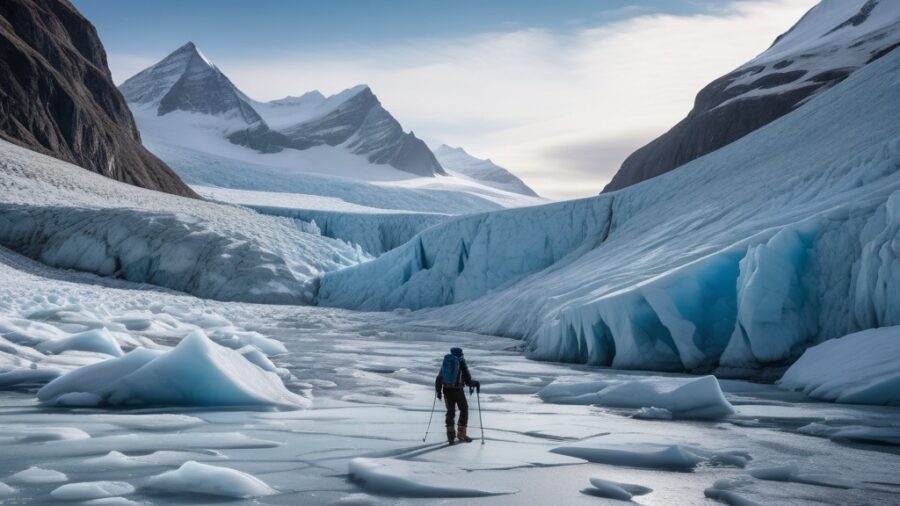
Introduction to Glacier Travel Ice Adventures
Embarking on a glacier travel ice adventure offers an exhilarating experience for those seeking to explore some of nature’s most breathtaking landscapes. Glaciers, with their majestic ice formations and stunning vistas, provide the perfect backdrop for countless outdoor activities. Whether you are an avid climber, a nature photographer, or simply someone looking for a unique travel experience, glacier travel can be both thrilling and rewarding.
This article will delve into everything you need to know about glacier travel, including essential gear, safety precautions, top destinations, and the differences between guided tours and independent exploration. By the end of this guide, you will be well-equipped to plan your own ice adventure, ensuring that you have an unforgettable experience surrounded by the beauty of frozen landscapes.
As we explore the world of glacier travel, you will learn about the wildlife encounters that await you, sustainable practices to follow, and the importance of being well-prepared for the challenges that come with traversing these icy terrains. From the stunning views to the thrill of adventure, glacier travel promises a journey like no other.
Essential Gear for Glacier Travel
When planning a glacier travel ice adventure, having the right gear is crucial for ensuring both safety and enjoyment. The unique conditions of glacier environments demand specialized equipment that can withstand cold temperatures and provide traction on icy surfaces.
Clothing and Footwear
Choosing the right clothing for glacier travel is essential. Layering is key, as it allows you to adjust your clothing based on activity level and temperature fluctuations. Start with a moisture-wicking base layer, followed by an insulating layer, and finish with a waterproof and windproof outer layer. Here are some essential clothing items:
- Insulated jacket
- Waterproof pants
- Wool or synthetic socks
- Gloves and a warm hat
- Gaiters to keep snow out of your boots
Footwear is equally important. Sturdy, insulated, and waterproof boots with good traction are essential for navigating icy terrains. Crampons may also be necessary for additional grip on steep or slippery surfaces.
Technical Equipment
In addition to clothing, certain technical gear is vital for safety during your glacier adventure. Some of the must-have items include:
- Ice axe for climbing and self-arrest
- Rope for securing yourself and others in a group
- Harness for climbing or glacier travel
- Helmet to protect against falling ice
- GPS and map for navigation
Investing in high-quality gear not only enhances your experience but also ensures your safety while exploring the icy wilderness. Remember to familiarize yourself with how to use each piece of equipment before heading out on your adventure.
Safety Precautions in Ice Adventures
Safety is paramount when engaging in a glacier travel ice adventure. The combination of challenging terrain, unpredictable weather, and potential hazards makes it essential to take proper precautions. Understanding the risks and preparing accordingly can help prevent accidents and ensure a safe experience.
Understanding Glacier Hazards
Glaciers present unique hazards that adventurers must be aware of. These include crevasses, which are deep cracks in the ice that can be hidden by snow; icefalls, where ice breaks off and falls; and changing weather conditions that can lead to sudden storms. It is crucial to be vigilant and educated about these hazards to navigate safely.
Before embarking on your adventure, research the specific glacier you plan to visit. Familiarize yourself with its characteristics and any reported hazards. Additionally, consider hiring a knowledgeable guide who can provide insight and help mitigate risks.
Emergency Preparedness
Being prepared for emergencies is a vital aspect of safety during glacier travel. Ensure you have a well-stocked first aid kit, including items specific to cold weather injuries such as frostbite or hypothermia. Carrying a whistle, headlamp, and extra food and water can also be lifesaving in case of an emergency.
Additionally, consider taking a glacier travel safety course that covers essential skills such as self-arrest techniques, navigation, and rescue procedures. Knowing how to react in an emergency can make a significant difference in the outcome of a situation.
Top Destinations for Glacier Travel
There are numerous breathtaking destinations around the world that offer incredible glacier travel experiences. Each location presents unique landscapes, challenges, and opportunities for adventure. Here are some of the top destinations for glacier travel:
1. Alaska, USA
Alaska is renowned for its stunning glaciers, with over 100,000 glaciers found within the state. Notable locations include the Hubbard Glacier, known for its massive calving events, and the Glacier Bay National Park, which offers breathtaking views and diverse wildlife. Visitors can engage in activities such as kayaking, ice climbing, and guided glacier hikes.
2. Iceland
Iceland’s landscape is shaped by its glaciers, featuring stunning ice caps like Vatnajökull, the largest glacier in Europe. The country’s unique geography allows for various glacier activities, including ice caving and glacier hiking. The majestic Jökulsárlón glacier lagoon is a must-visit, where you can witness floating icebergs and vibrant blue ice formations.
Guided Tours vs. Independent Exploration
When planning your glacier travel ice adventure, one of the key decisions you will face is whether to join a guided tour or to explore independently. Each option has its pros and cons, and understanding these can help you make the best choice for your adventure.
Benefits of Guided Tours
Joining a guided tour can enhance your glacier experience in several ways. Guides are typically well-trained and knowledgeable about the area’s geography, weather patterns, and safety precautions. They can lead you to hidden gems and ensure that you avoid potential hazards. Additionally, guided tours often provide necessary equipment, such as crampons and ice axes, which can save you the hassle of bringing your own gear.
Advantages of Independent Exploration
On the other hand, independent exploration offers a sense of freedom and adventure. You can set your own pace, choose your routes, and explore off-the-beaten-path locations. However, this option requires a good understanding of glacier safety and navigation skills. If you choose to go independent, make sure to thoroughly research your route and be prepared for potential challenges.
Wildlife Encounters During Glacier Adventures
One of the most rewarding aspects of engaging in a glacier travel ice adventure is the opportunity to encounter unique wildlife. Glaciers and their surrounding ecosystems provide habitats for various species that have adapted to the harsh conditions.
Animals to Look For
While traversing glaciers, you may have the chance to spot various animals, including:
- Polar bears in Arctic regions
- Mountain goats in the Rockies
- Seals and sea lions near coastal glaciers
- Snowy owls and arctic foxes in tundra areas
Understanding the wildlife in the area can enhance your experience. Each species plays a vital role in the ecosystem, and observing them in their natural habitat can be a memorable part of your adventure.
Responsible Wildlife Viewing
When encountering wildlife, it is important to practice responsible viewing habits. Maintain a safe distance to avoid disturbing the animals and refrain from feeding them. Educate yourself about the specific regulations and guidelines for wildlife viewing in the area you are visiting to ensure a safe and respectful experience.
Sustainable Practices in Glacier Travel
As the impacts of climate change become increasingly evident, practicing sustainability during your glacier travel ice adventure is more important than ever. Adopting eco-friendly practices not only helps preserve these pristine environments but also ensures that future generations can enjoy them as well.
Leave No Trace Principles
One of the best ways to practice sustainability is to adhere to the Leave No Trace principles. This includes:
- Planning ahead to minimize your footprint
- Staying on established trails to protect vegetation
- Properly disposing of waste, including human waste
- Respecting wildlife and their habitats
- Using eco-friendly products and minimizing single-use plastics
By following these guidelines, you can help protect the delicate ecosystems surrounding glaciers while enjoying your adventure.
Support Local Conservation Efforts
Another way to promote sustainability is by supporting local conservation organizations. Many regions with glaciers have non-profits dedicated to preserving these environments and educating visitors on their importance. Consider donating to or volunteering with these organizations to make a positive impact on the places you visit.
Conclusion and Key Takeaways
In conclusion, a glacier travel ice adventure is an extraordinary experience that combines breathtaking landscapes with thrilling activities. By understanding the essential gear needed, safety precautions to take, and the various destinations available, you can ensure a rewarding experience. Whether you opt for a guided tour or independent exploration, being well-prepared will enhance your adventure.
Moreover, encountering wildlife and practicing sustainable travel will allow you to appreciate the beauty of these environments while contributing to their preservation. As climate change continues to threaten glaciers worldwide, making conscious choices during your travels is essential for their future.
FAQ
1. What is the best time of year for glacier travel?
The best time for glacier travel generally falls during the summer months, from late June to early September. During this time, temperatures are milder, and access is usually easier, making it ideal for outdoor activities.
2. Do I need special training for glacier travel?
While some glacier activities can be done with minimal training, it is highly recommended to take a glacier travel safety course. This training will equip you with essential skills for navigating and staying safe on glaciers.
3. Can I go glacier hiking without a guide?
Yes, it is possible to go glacier hiking independently, but it requires a good understanding of glacier safety and navigation. Always research your route thoroughly and be prepared for potential hazards.
4. What types of wildlife can I see on glaciers?
Depending on the region, you may encounter various wildlife, including polar bears, mountain goats, seals, and a variety of bird species. Each glacier environment supports its unique set of wildlife.
5. How can I ensure a sustainable glacier travel experience?
To ensure a sustainable experience, follow the Leave No Trace principles, stay on established trails, and support local conservation efforts. Choosing eco-friendly products and minimizing waste will also contribute to protecting these fragile environments.
Recap
- Glacier travel offers breathtaking experiences and unique landscapes.
- Essential gear includes layered clothing, sturdy footwear, and technical equipment.
- Safety precautions are crucial; understand glacier hazards and prepare for emergencies.
- Top destinations for glacier adventures include Alaska and Iceland.
- Guided tours provide safety and expertise, while independent exploration offers freedom.
- Wildlife encounters add to the experience; practice responsible viewing.
- Sustainability is vital; follow eco-friendly practices and support conservation efforts.
- Being well-prepared enhances the adventure and ensures a memorable glacier experience.