
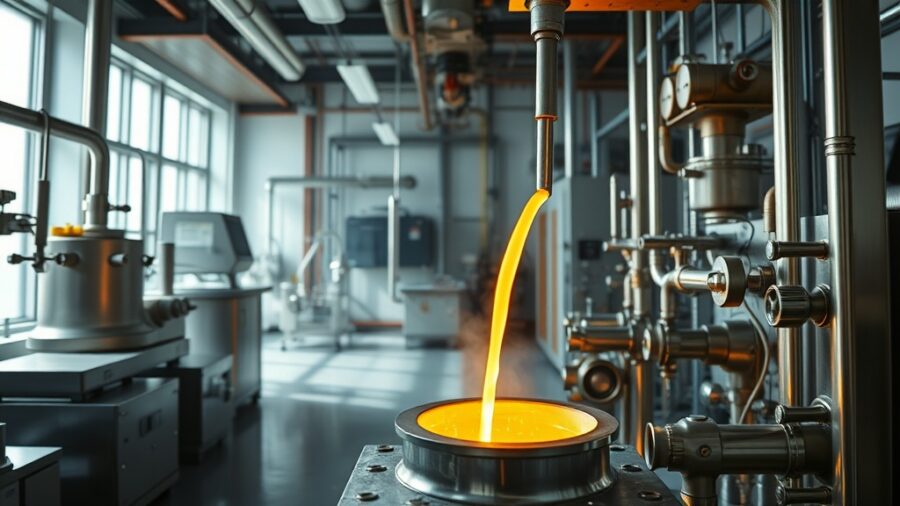
Gold Refinery Process Explained: An In-Depth Overview
The journey of gold from its raw, unrefined state to a gleaming, valuable commodity is not only fascinating but also complex. In this article, we will explore the gold refinery process explained, shedding light on the intricate steps necessary to transform gold ore into pure gold. By understanding this process, readers will gain insight into the value and significance of gold in our economy and the methods used to extract this precious metal from its natural environment.
Gold refining is essential for various industries, including jewelry, electronics, and investment. The refining process ensures that gold meets the purity standards required for these applications. This article will guide you through the various stages of gold refining, the chemical reactions involved, and the environmental implications of these processes.
As we delve into the details, we will also discuss emerging trends and technologies in gold refining, offering a glimpse into the future of this vital industry. Whether you are a professional in the field, an investor, or simply curious about gold, this comprehensive guide will equip you with valuable knowledge.
Introduction to Gold Refining
The Importance of Gold Refining
Gold refining plays a crucial role in the economic landscape. It ensures that the gold extracted from mines is purified and meets the standards set by various industries. The refining process removes impurities and enhances the quality of gold, making it suitable for various applications, including jewelry making, electronics, and investment purposes. The global gold market is vast, with an estimated worth of over $12 trillion as of 2023, highlighting the importance of refining in maintaining gold’s value.
Refining gold is not just about purification; it is also about sustainability. With increasing demand for ethically sourced gold, refiners are implementing practices that minimize environmental impact and promote responsible mining. The need for transparency in sourcing and refining has never been more critical, as consumers become more aware of the implications of their purchases.
Historical Context of Gold Refining
The history of gold refining dates back thousands of years, with ancient civilizations such as the Egyptians and Romans pioneering methods to extract and purify gold. Over time, the techniques have evolved, leading to the development of modern refining processes. Notably, the introduction of chemical methods in the 19th century revolutionized the industry, allowing for higher purity levels and more efficient extraction methods.
Today, gold refining employs a combination of traditional techniques and advanced technologies to achieve optimal results. Understanding this historical context allows us to appreciate the advancements made in the industry and the role of innovation in shaping current practices.
Understanding the Gold Refinery Process
Stages of Gold Refining
The gold refining process consists of several key stages, each designed to enhance the purity of the gold. The primary stages include mining, concentration, smelting, and refining. Each of these stages plays a vital role in ensuring that the final product meets the required specifications for purity and quality.
- Mining: This is the initial stage where gold is extracted from the earth, typically through surface or underground mining methods.
- Concentration: After extraction, the gold ore is crushed and ground to liberate gold particles, which are then concentrated using methods such as gravity separation or flotation.
- Smelting: The concentrated gold is heated in a furnace to separate it from impurities. This process often involves the addition of fluxes that help to remove unwanted materials.
- Refining: Finally, the smelted gold undergoes chemical processing to achieve the desired purity, usually 99.5% or higher.
Key Technologies in Gold Refining
Modern gold refining utilizes various technologies to enhance efficiency and accuracy. One significant advancement is the use of electrolytic refining, which involves passing an electric current through a solution containing gold ions. This method allows for precise control over the purity of the final product and is widely used in commercial refineries.
Another important technology is the use of hydrometallurgical methods, which involve the use of aqueous solutions to extract gold from ores. This approach is particularly beneficial for low-grade ores that may not be economically viable using traditional methods. By employing these advanced techniques, refineries can maximize yield and reduce waste, aligning with sustainability goals.
Key Methods of Gold Refining
Fire Assaying
Fire assaying is one of the oldest and most reliable methods for determining the gold content in ore samples. This technique involves heating the sample to high temperatures to separate gold from other metals and impurities. The process typically includes the addition of fluxes, which assist in the separation of materials.
Fire assaying is known for its accuracy and is often used as a standard for verifying the results of other refining methods. It provides valuable data on the composition of gold ore and helps refiners make informed decisions regarding processing techniques.
Chemical Refining
Chemical refining methods, such as the Aqua Regia process, utilize acids to dissolve gold and separate it from impurities. Aqua Regia, a mixture of hydrochloric and nitric acid, can dissolve gold and is effective for refining electronic waste and scrap gold. This method allows for high purity levels and is widely adopted in various industries.
In addition to Aqua Regia, other chemical methods include the use of cyanide leaching, particularly in large-scale mining operations. Although effective, cyanide poses environmental risks, leading to increased scrutiny and calls for sustainable practices in gold refining.
The Role of Chemical Reactions in Refining
Understanding Chemical Reactions in Gold Refining
Chemical reactions are at the heart of many gold refining processes. For instance, during the Aqua Regia process, gold is oxidized, allowing it to dissolve in the acidic solution. This reaction is crucial for separating gold from other metals, such as silver and copper, which have different solubility properties.
Additionally, chemical reactions are employed in electrolytic refining, where gold ions are reduced at the cathode, leading to the deposition of pure gold. Understanding these reactions is vital for optimizing refining processes and ensuring high-quality output.
Safety Considerations in Chemical Processing
While chemical methods are effective, they also pose safety and environmental challenges. The use of hazardous substances, such as cyanide and strong acids, requires stringent safety protocols to protect workers and minimize environmental impact. Refineries must adhere to regulations and implement best practices to safely manage chemical waste and emissions.
Investing in safety measures and training for employees is essential for maintaining a safe working environment and ensuring compliance with environmental standards.
Environmental Impact of Gold Refining
Assessing Environmental Consequences
The environmental impact of gold refining is a significant concern, particularly in the context of increasing global demand for gold. Traditional mining and refining methods can lead to habitat destruction, water pollution, and soil degradation. The use of toxic chemicals, such as cyanide and mercury, poses risks to local ecosystems and communities.
According to the World Gold Council, the gold mining industry is responsible for approximately 20% of global mercury emissions. This statistic highlights the urgent need for more sustainable practices and technologies in gold refining to mitigate environmental damage.
Implementing Sustainable Practices
In response to these challenges, many gold refiners are adopting sustainable practices to minimize their environmental footprint. This includes the implementation of closed-loop systems, responsible sourcing of raw materials, and investing in technologies that reduce emissions and waste. Initiatives such as the Responsible Gold Mining Principles aim to promote ethical and environmentally conscious practices in the industry.
By prioritizing sustainability, gold refiners can not only reduce their environmental impact but also enhance their reputation and meet the growing demand for ethically sourced gold.
Future Trends in Gold Refining Technology
Innovations in Refining Processes
The future of gold refining is poised for exciting innovations that aim to improve efficiency, reduce environmental impact, and enhance product quality. Advances in technology, such as automation and artificial intelligence, are being integrated into refining processes to optimize operations and reduce costs.
For example, machine learning algorithms can analyze data from refining processes to identify inefficiencies and suggest improvements. This level of technological integration has the potential to revolutionize the industry, making gold refining more efficient and sustainable.
Emerging Sustainable Technologies
As the industry faces increasing pressure to adopt sustainable practices, new technologies are emerging that focus on minimizing environmental impact. Innovations such as bioleaching utilize microorganisms to extract gold from ores, offering a more environmentally friendly alternative to traditional chemical methods.
Furthermore, advancements in recycling technologies are enabling refiners to recover gold from electronic waste more efficiently. This trend aligns with global efforts to promote circular economies and reduce reliance on primary mining.
Conclusion
In conclusion, the gold refinery process explained reveals a complex and multifaceted industry that plays a crucial role in the global economy. From the historical context of gold refining to the latest technological advancements, understanding this process is essential for anyone interested in gold as a commodity. The importance of sustainability and responsible practices cannot be overstated, as the industry faces growing scrutiny regarding its environmental impact.
As we look to the future, the continued innovation in gold refining technologies promises to enhance efficiency and reduce environmental harm. By embracing these advancements, the gold refining industry can ensure a more sustainable future while meeting the demands of a rapidly changing market.
Frequently Asked Questions about Gold Refining
1. What is the primary purpose of gold refining?
The primary purpose of gold refining is to purify gold extracted from ores, ensuring it meets industry standards for quality and purity. This process removes impurities and enhances the value of gold for various applications, including jewelry and electronics.
2. What are the main methods used in gold refining?
The main methods used in gold refining include fire assaying, chemical refining (such as the Aqua Regia process), and electrolytic refining. Each method has its advantages and is chosen based on the specific requirements of the refining process.
3. How does gold refining impact the environment?
Gold refining can have significant environmental impacts, including habitat destruction, water pollution, and emissions of toxic substances. However, many refiners are adopting sustainable practices to minimize these effects and promote responsible sourcing.
4. What is the future of gold refining technology?
The future of gold refining technology is focused on innovation and sustainability. Advances in automation, artificial intelligence, and environmentally friendly extraction methods are expected to shape the industry, making it more efficient and less harmful to the environment.
5. Why is sustainability important in gold refining?
Sustainability is critical in gold refining to address the environmental and social impacts of mining and refining processes. Consumers are increasingly demanding ethically sourced gold, and adopting sustainable practices helps refiners meet this demand while minimizing their ecological footprint.
Recap of Key Points
- Gold refining transforms raw gold ore into a high-purity product.
- The refining process includes mining, concentration, smelting, and refining.
- Fire assaying and chemical refining are key methods used in the industry.
- Chemical reactions play a significant role in achieving gold purity.
- The environmental impact of gold refining necessitates sustainable practices.
- Emerging technologies promise to enhance efficiency and reduce waste.
- Adopting responsible sourcing is crucial for the industry’s future.
- Understanding the gold refining process is essential for stakeholders in the market.