
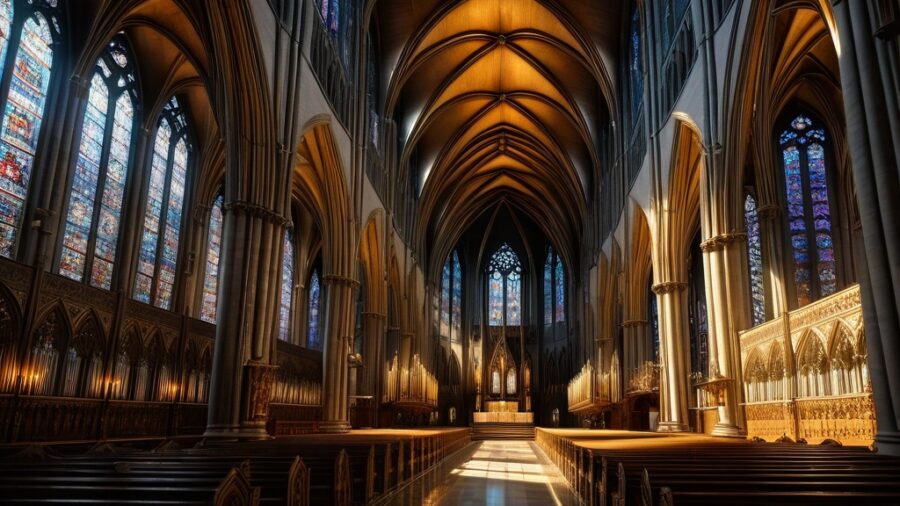
Introduction to Gothic Cathedral Architecture
Gothic cathedral architecture is often regarded as a heavenly expression of faith and artistry. Emerging in the 12th century and flourishing until the 16th century, this architectural style represents a significant evolution in how religious structures were conceived and constructed. Characterized by its pointed arches, ribbed vaults, and flying buttresses, Gothic architecture not only sought to reach new heights in terms of elevation but also aimed to create an ethereal atmosphere within sacred spaces.
In this article, we will delve into the intricacies of Gothic cathedral architecture, exploring its historical context, key features, and the profound impact it has had on modern design. You will learn about some of the most famous Gothic cathedrals around the world, the role of light in these magnificent structures, and ongoing efforts to preserve and restore these architectural wonders.
As we embark on this journey through Gothic architecture, we invite you to discover how these stunning cathedrals continue to inspire awe and reverence, reflecting the spiritual aspirations of their creators. By the end of this article, you will have a deeper appreciation for the artistry and engineering that define Gothic cathedrals as a truly heavenly achievement in architecture.
Historical Overview of Gothic Architecture
The origins of Gothic architecture can be traced back to the mid-12th century in France, where the first examples emerged in the Île-de-France region. The style developed out of Romanesque architecture, characterized by its heavy stone walls and rounded arches, but sought to create a more vertical and luminous space. The term “Gothic” was initially used as a pejorative by Renaissance architects who viewed the style as barbaric compared to the classical forms of ancient Greece and Rome.
One of the earliest and most significant examples of Gothic architecture is the Basilica of Saint-Denis, completed in 1144. This church is often credited with introducing key Gothic elements, such as ribbed vaults and pointed arches, which allowed for greater height and light. Over the following centuries, the Gothic style spread across Europe, adapting to local cultures and traditions.
The Evolution of Gothic Architecture
Gothic architecture is generally divided into three main phases: Early Gothic, High Gothic, and Late Gothic. Each phase reflects advancements in engineering and design techniques:
- Early Gothic (12th-13th centuries): Characterized by the introduction of the pointed arch and ribbed vault, allowing for taller structures.
- High Gothic (13th century): Marked by masterpieces such as Notre-Dame de Paris, featuring intricate facades and expansive stained glass windows.
- Late Gothic (14th-16th centuries): Notable for its elaborate ornamentation, soaring spires, and the introduction of Flamboyant Gothic style in France.
Key Features of Gothic Cathedrals
Gothic cathedrals are renowned for several defining features that contribute to their majestic appearance and structural integrity. Understanding these elements allows us to appreciate the ingenuity behind these architectural marvels.
Pointed Arches and Ribbed Vaults
The pointed arch is one of the most recognizable elements of Gothic architecture. It not only provides aesthetic appeal but also distributes weight more effectively than the semicircular arches of the Romanesque style. This innovation allowed builders to construct higher and more slender structures. Ribbed vaults, which consist of intersecting arches, further enhanced the structural stability while adding visual complexity to the ceiling.
Flying Buttresses
Another hallmark of Gothic architecture is the use of flying buttresses. These external supports transfer the weight of the roof and walls away from the building, allowing for larger windows and more open interiors. This engineering breakthrough was crucial in creating the expansive stained glass windows that are a signature of Gothic cathedrals.
These key features not only showcase the architectural ingenuity of the period but also serve a greater purpose in enhancing the spiritual experience of worshippers by creating a sense of verticality and lightness within the cathedral space.
The Role of Light in Gothic Cathedrals
Light plays a pivotal role in Gothic cathedral architecture, serving both symbolic and aesthetic functions. The design of these cathedrals often aimed to create a heavenly atmosphere that would elevate the spiritual experience of the faithful.
Stained Glass Windows
One of the most iconic features of Gothic cathedrals is their stunning stained glass windows. These intricate artworks not only depict biblical stories but also transform natural light into a mesmerizing spectrum of colors that fill the interior with divine illumination. Cathedrals like Chartres Cathedral in France are celebrated for their extensive collections of stained glass, which date back to the 12th and 13th centuries.
The Symbolism of Light
In Gothic theology, light is often associated with the divine presence. The design of cathedrals was intentionally crafted to channel light in a way that would evoke a sense of awe and reverence. As sunlight streamed through the stained glass, it created an ethereal atmosphere, inviting worshippers to reflect on the spiritual significance of the space. This connection between light and spirituality is a defining characteristic of Gothic cathedral architecture.
Through the interplay of light and architecture, Gothic cathedrals not only serve as places of worship but also as visual representations of the heavenly realm, inspiring generations of architects and artists.
Famous Gothic Cathedrals Around the World
Numerous Gothic cathedrals have left an indelible mark on architectural history, each showcasing the unique characteristics and cultural significance of the Gothic style. Here, we explore some of the most renowned examples from around the globe.
Notre-Dame de Paris
Completed in 1345, Notre-Dame de Paris is perhaps the most famous Gothic cathedral in the world. With its flying buttresses, intricate facade, and magnificent rose windows, this cathedral stands as a testament to the brilliance of Gothic architecture. The cathedral has been a focal point of French culture and history, witnessing significant events such as the coronation of Napoleon Bonaparte.
Chartres Cathedral
Located in Chartres, France, this cathedral is celebrated for its stunning stained glass windows and remarkable preservation. Built between 1194 and 1220, Chartres Cathedral features a unique blend of Romanesque and Gothic elements, making it a pivotal example of the transition between these two styles. Its labyrinth, a feature used for pilgrimages, adds to its historical significance.
| Cathedral Name | Location | Year Completed |
|---|---|---|
| Notre-Dame de Paris | Paris, France | 1345 |
| Chartres Cathedral | Chartres, France | 1220 |
| Salisbury Cathedral | Salisbury, England | 1258 |
| Cologne Cathedral | Cologne, Germany | 1880 |
The Influence of Gothic Architecture on Modern Design
Gothic cathedral architecture has had a lasting impact on modern design, influencing various architectural movements and styles throughout history. Its innovative use of space, light, and structural techniques continues to inspire architects today.
Revival Movements
The Gothic Revival movement of the 19th century saw a resurgence of interest in Gothic architecture. Architects such as Augustus Pugin and G. E. Street sought to recreate the grandeur of Gothic cathedrals in new constructions, leading to the establishment of iconic buildings like the Palace of Westminster in London. This revival highlighted the enduring appeal of Gothic elements, blending them with Victorian aesthetics.
Gothic Elements in Contemporary Architecture
Many contemporary architects incorporate Gothic elements into their designs, utilizing pointed arches, vaulted ceilings, and intricate detailing. Buildings such as the Cathedral of Christ the Light in Oakland, California, and the St. Nicholas Church in New York City showcase how Gothic inspiration can be reinterpreted in modern contexts.
This blend of historical reverence and innovative design underscores the timeless nature of Gothic architecture and its ability to transcend cultural and temporal boundaries.
Preservation and Restoration of Gothic Cathedrals
Preserving Gothic cathedrals poses significant challenges due to their age, the materials used, and environmental factors. Ongoing restoration efforts are crucial in maintaining these architectural treasures for future generations.
Challenges in Preservation
Many Gothic cathedrals have faced deterioration due to pollution, weathering, and structural weaknesses. For example, the restoration of Notre-Dame de Paris following the 2019 fire has highlighted the complexities involved in preserving such historic structures. The use of original materials and techniques is essential to ensure the integrity of the restoration process.
Successful Restoration Projects
Numerous successful restoration projects showcase how dedicated efforts can breathe new life into Gothic cathedrals. The restoration of York Minster in England serves as a prime example, where careful conservation efforts have preserved its intricate stonework and stunning stained glass. These projects not only protect the physical structure but also honor the cultural heritage embedded within these architectural masterpieces.
As we continue to face environmental and societal challenges, the preservation of Gothic cathedrals remains a vital endeavor, ensuring that future generations can experience their beauty and significance.
Conclusion and Summary
Gothic cathedral architecture stands as a monumental achievement in the history of architecture, characterized by its innovative techniques and profound spiritual resonance. From its historical roots in 12th-century France to its lasting influence on modern design, the legacy of Gothic cathedrals continues to inspire awe and reverence.
Through key features such as pointed arches, ribbed vaults, and flying buttresses, these structures exemplify the ingenuity of their creators. The role of light, embodied in stunning stained glass windows, elevates the spiritual experience within these sacred spaces. Moreover, the ongoing efforts in preservation and restoration ensure that these architectural wonders remain a part of our cultural heritage.
In summary, Gothic cathedral architecture not only reflects the artistic and engineering prowess of its time but also serves as a reminder of humanity’s enduring quest for the divine. As we explore the beauty and intricacies of these structures, we are invited to appreciate the heavenly aspirations that inspired their creation.
FAQs About Gothic Cathedral Architecture
1. What is the main characteristic of Gothic architecture?
The main characteristic of Gothic architecture is the pointed arch, which allows for greater height and the use of ribbed vaults, leading to more expansive interiors filled with light.
2. When did Gothic architecture emerge?
Gothic architecture emerged in the mid-12th century in France and continued to evolve until the 16th century, influencing many other architectural styles across Europe.
3. Why are stained glass windows important in Gothic cathedrals?
Stained glass windows are important in Gothic cathedrals as they not only depict biblical stories but also create a vibrant atmosphere by transforming natural light into a spectrum of colors, enhancing the spiritual experience.
4. How do flying buttresses contribute to Gothic cathedrals?
Flying buttresses are external supports that help distribute the weight of the roof and walls, allowing for taller structures and larger windows, which are essential features of Gothic cathedrals.
5. What challenges do Gothic cathedrals face in preservation?
Gothic cathedrals face challenges such as pollution, weathering, and structural weaknesses. Restoration efforts often require the use of original materials and techniques to maintain their historical integrity.
Recap of Key Points
- Gothic cathedral architecture originated in the 12th century in France, evolving from Romanesque styles.
- Key features include pointed arches, ribbed vaults, and flying buttresses that enhance structural integrity.
- Light plays a crucial role, with stained glass windows creating a divine atmosphere within the cathedrals.
- Famous examples include Notre-Dame de Paris and Chartres Cathedral, each highlighting unique Gothic characteristics.
- The influence of Gothic architecture is seen in modern design and revival movements.
- Preservation efforts are vital in maintaining these historic structures for future generations.
- Gothic cathedrals continue to inspire awe, representing humanity’s quest for the divine.