
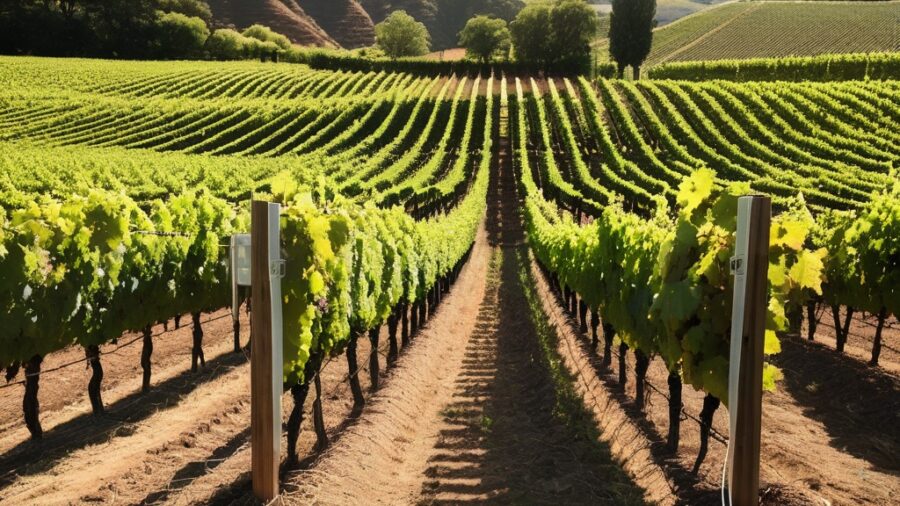
Introduction to Grape Vine Growing Training
Grape vine growing training is an essential practice for any viticulturist aiming to cultivate healthy and productive vines. The techniques used in training grape vines can significantly impact their growth, fruit quality, and overall yield. Whether you are a novice gardener or a seasoned grower, understanding the intricacies of grape vine training is crucial to your success.
In this article, we will explore the importance of proper training techniques, common methods for grape vine training, and the various factors influencing grape vine growth. Additionally, we will provide best practices that will help you achieve optimal results in your grape cultivation efforts. By the end of this guide, you’ll have a comprehensive understanding of how to effectively train your grape vines.
As we delve deeper into the world of grape vine growing, you will discover not only the fundamental practices but also advanced techniques that can elevate your vineyard’s productivity. This knowledge will empower you to make informed decisions that enhance the health and yield of your grapevines.
Importance of Proper Training Techniques
Enhancing Fruit Quality
Proper training techniques are vital for enhancing the quality of grape fruit. When grape vines are trained correctly, they receive optimal sunlight and air circulation, which are essential for photosynthesis and overall plant health. This exposure leads to improved sugar levels, acidity, and flavor compounds in the grapes, resulting in higher quality fruit.
Maximizing Yield
Training your grape vines effectively can also maximize yield. By controlling the growth pattern of the vines, you can ensure that energy is directed towards fruit production rather than excessive foliage. Techniques such as pruning and canopy management help in achieving a balanced growth that favors fruit set and ripening.
Moreover, research indicates that trained grapevines can yield up to 30% more fruit compared to untrained ones. This increase can significantly enhance the profitability of a vineyard. Understanding these benefits can motivate growers to invest time and resources into learning proper training techniques.
Common Methods for Grape Vine Training
Cordon Training
Cordon training is one of the most popular methods used in vineyards worldwide. It involves training the vine to grow along a fixed horizontal structure, typically a wire, which allows for better light exposure and air circulation. This technique is particularly effective for varieties that produce lateral shoots, as it encourages fruitful growth.
Vertical Shoot Positioning (VSP)
Vertical Shoot Positioning (VSP) is another widely adopted method. In this technique, shoots are trained to grow upwards, creating a vertical canopy. This positioning allows for better sunlight penetration and can lead to improved fruit quality. VSP is especially beneficial in regions with high humidity, as it promotes better air circulation and reduces the risk of fungal diseases.
- Cordon Training: Ideal for varieties with high lateral growth.
- VSP: Best for humid climates to enhance air circulation.
- Other Methods: Include Geneva Double Curtain and Lyre systems.
Factors Influencing Grape Vine Growth
Climate and Weather
The climate plays a significant role in grape vine growth. Grapevines thrive in regions with a Mediterranean climate, characterized by warm, dry summers and mild, wet winters. However, extreme weather conditions, such as frost or excessive heat, can adversely affect vine health and productivity. Understanding your local climate is essential for effective grape vine training.
Soil Composition
Soil type and composition are critical factors influencing grapevine growth. Well-drained soils rich in organic matter encourage healthy root development and nutrient uptake. Sandy loam soils are often considered ideal for grape cultivation, while heavy clay soils can hinder growth due to poor drainage. Conducting a soil test can help you determine the best practices for soil management in your vineyard.
| Soil Type | Characteristics | Impact on Growth |
|---|---|---|
| Sandy Loam | Well-drained, rich in nutrients | Promotes healthy root systems |
| Clay | Heavy, poor drainage | Can inhibit root growth |
| Loamy | Balanced texture, good fertility | Supports vigorous vine growth |
Best Practices for Successful Grape Vine Training
Regular Pruning
Regular pruning is essential for maintaining vine health and productivity. Pruning should be done during dormancy, typically in late winter or early spring, before new growth begins. This practice helps to remove dead or diseased wood and encourages the growth of new fruiting canes. Proper pruning techniques can lead to better air circulation and sunlight exposure, which are critical for fruit development.
Monitoring and Adjusting Training Techniques
Continuous monitoring and adjusting your training techniques based on vine growth and environmental conditions are vital for success. Observing how the vines respond to training will help you identify areas for improvement. For example, if you notice that certain shoots are not receiving adequate sunlight, consider adjusting their position or removing excess foliage.
- Prune regularly during dormancy.
- Monitor vine growth and adjust techniques accordingly.
- Document growth patterns to refine practices.
Conclusion
In conclusion, grape vine growing training is a multifaceted process that requires knowledge, skill, and attention to detail. By employing proper training techniques, understanding the factors that influence growth, and adhering to best practices, you can cultivate healthy, productive grape vines. The benefits of effective training are significant, including enhanced fruit quality and increased yield, making it a worthwhile investment for any grape grower.
As you embark on your grape growing journey, remember that continuous learning and adaptation are key. Stay informed about new techniques and research in viticulture to continuously improve your vineyard’s output and sustainability. With dedication and the right approach, you can achieve remarkable results in your grape cultivation endeavors.
FAQ about Grape Vine Growing Training
1. What is the best time for grapevine training?
The best time for grapevine training is during the dormant season, typically in late winter or early spring. This is when vines are not actively growing, making it easier to manage their shape and structure.
2. How often should I prune my grapevines?
Grapevines should be pruned annually during the dormant season. Regular pruning helps maintain vine health, encourages new growth, and optimizes fruit production.
3. Can I train grapevines without a trellis?
While it is possible to grow grapevines without a trellis, using one significantly enhances their growth potential. A trellis provides support, improves air circulation, and allows for better light exposure.
4. What factors should I consider for soil management?
When managing soil for grapevines, consider factors such as drainage, pH levels, nutrient content, and organic matter. Conducting soil tests can help you make informed decisions on amendments and care practices.
5. What are the signs of improper grapevine training?
Signs of improper grapevine training include excessive foliage with little fruit, poor air circulation leading to disease, and uneven growth patterns. Monitoring your vines regularly can help you identify and correct these issues early.
Recap
- Grape vine training is crucial for enhancing fruit quality and maximizing yield.
- Common training methods include cordon training and vertical shoot positioning.
- Climate and soil composition significantly influence grape vine growth.
- Regular pruning and monitoring are essential best practices for successful training.
- Continuous learning and adaptation are key to improving vineyard productivity.