
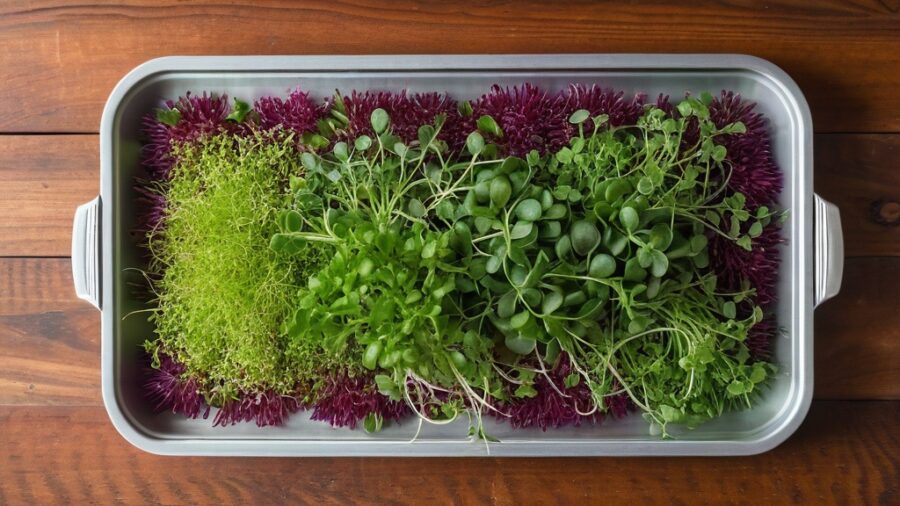
Indoor Microgreens: A Nutritional Powerhouse
Microgreens growing indoor nutrition is rapidly gaining traction among health enthusiasts and culinary professionals alike. These tiny greens, packed with flavor and nutrients, can transform your diet while being easy to grow indoors. In this article, we will explore the essentials of indoor microgreens, from their benefits to the equipment needed for cultivation, as well as a detailed step-by-step guide to ensure your success.
As we delve into this topic, you will discover the best microgreens for nutritional value, tackle common challenges, and analyze the nutrition packed within these miniature plants. Whether you are a beginner or an experienced gardener, this comprehensive guide will provide you with everything you need to know about growing microgreens indoors.
By the end of this article, you will have a clear understanding of the nutritional benefits, practical growing techniques, and how to overcome typical hurdles in indoor microgreens cultivation. Get ready to elevate your indoor gardening game and enjoy the myriad of health benefits that microgreens have to offer.
Benefits of Growing Microgreens Indoors
Rich Source of Nutrients
One of the primary advantages of microgreens growing indoor nutrition is their impressive nutrient density. Research shows that microgreens can contain up to 40 times more nutrients than their mature counterparts. For instance, varieties such as broccoli, kale, and radish offer significant amounts of vitamins A, C, E, and K, as well as essential minerals like iron and magnesium. This nutrient richness makes them an excellent addition to any diet.
Moreover, microgreens are not just nutrient-dense; they also provide a burst of flavor. This makes them a popular choice for chefs looking to enhance dishes without adding excessive calories. They can be incorporated into salads, sandwiches, smoothies, and even as garnishes for various meals. The versatility of microgreens in culinary applications further amplifies their appeal.
Environmental Benefits
Growing microgreens indoors also supports sustainable practices. They can be cultivated year-round, regardless of outdoor weather conditions, which means you can enjoy fresh greens in any season. Additionally, indoor cultivation minimizes the need for pesticides and fertilizers, as these plants are typically less susceptible to pests.
Furthermore, indoor microgreens require significantly less water compared to traditional farming techniques. According to studies, microgreens can grow with up to 90% less water, making them an eco-friendly choice for conscientious consumers. This water efficiency contributes to a smaller environmental footprint, allowing you to enjoy fresh produce while supporting sustainable agricultural practices.
Essential Equipment for Indoor Microgreens
Containers and Trays
When starting your indoor microgreens garden, the first step is selecting suitable containers. Shallow trays or containers are ideal for microgreens, as they provide enough surface area for seed germination and growth without taking up too much space. Look for trays that have drainage holes to prevent overwatering and root rot.
Materials like plastic, recycled materials, or even biodegradable options are available. The choice depends on your personal preferences and sustainability goals. Ensure that the containers are clean and free from contaminants to promote healthy growth.
Growing Medium
The growing medium is another crucial component of microgreens growing indoor nutrition. A high-quality soil mix or specialized growing substrate is essential for successful germination and growth. Many growers opt for pre-packaged mixes, designed specifically for microgreens, which often contain a blend of peat, vermiculite, and compost for optimal drainage and nutrient retention.
- Peat-based Mix: Retains moisture while providing aeration.
- Coconut Coir: An eco-friendly alternative that holds water well.
- Soilless Mix: Lightweight, sterile, and easy to handle.
Best Microgreens for Nutritional Value
Top Nutritional Choices
When it comes to microgreens, some varieties stand out for their exceptional nutritional profiles. For instance, broccoli microgreens are renowned for their high sulforaphane content, a compound linked to cancer prevention. Studies have shown that broccoli microgreens can contain up to 50 times more sulforaphane than mature broccoli heads.
Other nutrient-rich options include:
- Kale: High in vitamins A, C, and K, along with antioxidants.
- Radish: Offers a spicy flavor and is rich in vitamin C and folate.
- Sunflower: Packed with protein, healthy fats, and essential vitamins.
Flavorful Varieties
Aside from their nutritional benefits, the flavor profiles of microgreens can elevate your culinary creations. For example, arugula microgreens provide a peppery kick, while cilantro microgreens add a fresh, herbaceous note to dishes. Here are some flavorful varieties worth considering:
- Basil: Great for Italian dishes and pesto.
- Pea Shoots: Sweet and crunchy, perfect for salads.
- Beet Greens: Earthy flavor with a vibrant color.
Step-by-Step Guide to Growing Microgreens Indoors
Preparation and Planting
To successfully grow microgreens indoors, begin by preparing your workspace and gathering your supplies. Choose a well-lit area, preferably near a window or under grow lights, to ensure your microgreens receive adequate light. Once you have your containers and growing medium ready, follow these steps:
- Fill your trays with the chosen growing medium, leveling it off for even growth.
- Sow your seeds evenly across the surface, following the recommended seeding density for each variety.
- Lightly press the seeds into the growing medium and cover them with a thin layer of soil.
Watering and Maintenance
After planting, it’s crucial to maintain appropriate moisture levels. Water your microgreens gently using a spray bottle or a watering can with a fine nozzle to avoid displacing the seeds. Keep the trays covered with a humidity dome or plastic wrap for the first few days to promote germination.
Once your microgreens have sprouted, remove the cover and place them in a well-lit area. Rotate the trays regularly to ensure even light exposure, and monitor moisture levels closely, ensuring the growing medium remains damp but not soggy.
Common Challenges and Solutions
Pest Issues
One of the common challenges faced by indoor microgreens growers is pest infestations. Although pests are less prevalent indoors, they can still appear. Common pests include aphids and fungus gnats. To combat these issues, maintain cleanliness in your growing area and avoid overwatering.
If pests do appear, consider introducing natural predators like ladybugs or using organic insecticidal soap. Regularly inspecting your microgreens can help you catch any infestations early, allowing for prompt action.
Overwatering and Underwatering
Another frequent problem is managing water levels. Overwatering can lead to root rot, while underwatering can stunt growth. To find the right balance, check the moisture level of your growing medium daily. A good rule of thumb is to water when the top inch of soil feels dry to the touch. By monitoring moisture levels closely, you can ensure your microgreens thrive.
Nutritional Analysis of Popular Microgreens
Comparative Nutritional Values
A nutritional analysis of popular microgreens reveals significant differences in nutrient content. Below is a comparative table showcasing the nutritional values of some common microgreens per 100 grams:
| Microgreen | Vitamin C (mg) | Vitamin K (µg) | Calcium (mg) | Iron (mg) |
|---|---|---|---|---|
| Broccoli | 89.2 | 101.0 | 47 | 0.73 |
| Kale | 120.0 | 254.0 | 150 | 1.50 |
| Radish | 14.8 | 0.3 | 25 | 0.40 |
| Sunflower | 0.0 | 0.0 | 100 | 1.80 |
Health Benefits
Understanding the nutritional profiles of various microgreens allows you to select those that best serve your health goals. For instance, if you are looking to boost your vitamin C intake, broccoli or kale microgreens are excellent choices. On the other hand, if you need more calcium, sunflower microgreens can help fill that gap. Incorporating a variety of microgreens into your diet will provide a broader spectrum of nutrients.
Conclusion
In conclusion, cultivating microgreens indoors is a rewarding and nutritious endeavor. These tiny greens offer numerous health benefits, from their impressive nutrient density to their ability to enhance the flavors of various dishes. With the right equipment and techniques, anyone can successfully grow their own microgreens at home.
By understanding the essential steps in the growing process, the best varieties for nutrition, and how to overcome common challenges, you are well-equipped to embark on your indoor microgreens journey. Whether for personal consumption or culinary applications, indoor microgreens can significantly contribute to a healthier lifestyle.
Frequently Asked Questions about Indoor Microgreens
1. How long does it take to grow microgreens indoors?
Microgreens typically take between 7 to 21 days to grow, depending on the variety. Fast-growing options like radish and mustard can be ready in as little as 7 days, while slower varieties like kale may take up to 21 days.
2. Do I need special lights for indoor microgreens?
While natural light is sufficient, using grow lights can significantly enhance growth, especially in low-light conditions. LED grow lights are an excellent choice, as they provide the necessary spectrum for optimal growth while being energy-efficient.
3. Can I use regular potting soil for microgreens?
While regular potting soil can be used, it is often better to opt for a seed-starting mix or a specialized microgreens mix. These options provide better drainage and aeration, which are crucial for healthy microgreen development.
4. Are microgreens better than sprouts?
Microgreens are generally considered more nutritious than sprouts. They are harvested after the true leaves have developed, allowing them to offer a broader range of nutrients and flavors compared to sprouts, which are harvested at an earlier stage.
5. How can I store harvested microgreens?
Harvested microgreens should be stored in a breathable container in the refrigerator, where they can last for up to a week. Avoid washing them until you are ready to use them to maintain freshness.
Quick Recap of Indoor Microgreens Growing
- Microgreens are nutrient-dense and easy to grow indoors.
- Essential equipment includes shallow trays and quality growing medium.
- Popular nutritional varieties include broccoli, kale, and radish.
- Common challenges include pest management and watering issues.
- Microgreens can be harvested within 7 to 21 days, depending on the variety.
- Proper storage can keep microgreens fresh for up to a week.
- Incorporating a variety of microgreens into your diet enhances overall health.