
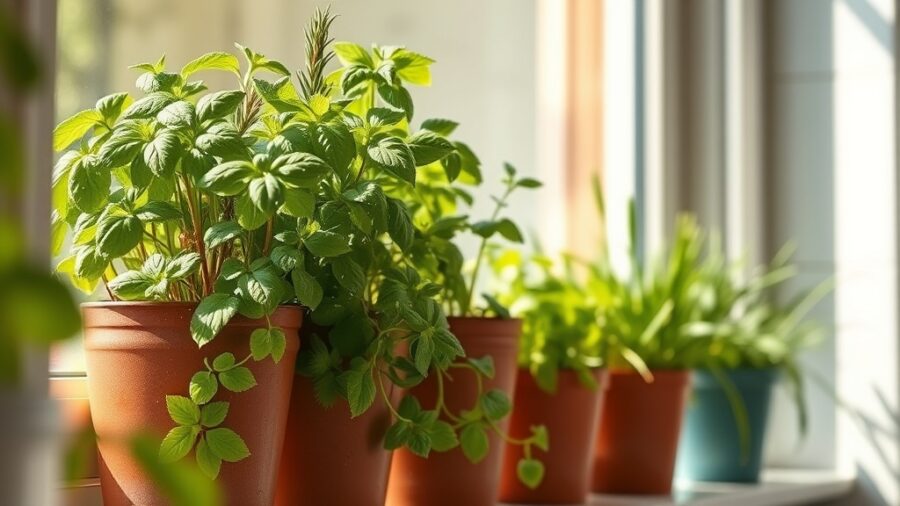
Herb Garden Kitchen Window: Cultivating Freshness at Home
Creating a herb garden kitchen window is an inspiring and practical way to bring freshness into your cooking. Imagine having a variety of aromatic herbs at your fingertips, enhancing your meals with flavors and fragrances that are simply unmatched by store-bought alternatives. This article delves into the essentials of herb gardening, specifically tailored for your kitchen window, allowing you to grow, maintain, and utilize your herbs effectively.
In this guide, you will discover how to choose the right herbs for your culinary needs, the tools and materials required for successful growth, and the optimal conditions for nurturing your plants. We will also cover essential maintenance tips, pest management strategies, and the best practices for harvesting and using your herbs. Whether you’re a seasoned gardener or a newbie, this article aims to equip you with the knowledge to create a thriving herb garden right in your kitchen.
By the end of this comprehensive guide, you will be empowered to transform your kitchen window into a lush, green oasis of flavor. Let’s embark on this journey to herb gardening and unlock the secrets of growing fresh herbs in the comfort of your home.
Introduction to Herb Gardening
The Benefits of Herb Gardening
Herb gardening offers numerous benefits that extend beyond simply having fresh herbs at your disposal. For starters, growing your own herbs can significantly enhance the flavor of your dishes. Herbs such as basil, thyme, and cilantro can elevate a simple recipe into a culinary masterpiece. Additionally, homegrown herbs are often more potent and aromatic compared to store-bought versions, which may have lost their flavor during transport and storage.
Moreover, maintaining a herb garden can lead to improved mental well-being. Engaging with nature has been shown to reduce stress and anxiety levels. The act of nurturing plants and witnessing their growth can be incredibly rewarding, providing a sense of accomplishment and connection with the environment. Furthermore, herbs can also contribute to a healthier diet, as they are low in calories and packed with essential nutrients.
Understanding the Basics of Herb Growth
Before diving into the specifics of starting your herb garden, it’s essential to understand the fundamentals of how herbs grow. Most herbs thrive in well-draining soil, require adequate sunlight, and need regular watering. Knowing the specific needs of different herbs is crucial, as some may prefer drier conditions while others require more moisture.
Additionally, herbs can be categorized into annuals, biennials, and perennials. Annual herbs, like basil, complete their life cycle within a year, while biennials, such as parsley, take two years to flower and produce seeds. Perennial herbs, like rosemary and mint, can live for several years, providing a continuous harvest. Understanding these life cycles will help you plan your herb garden more effectively.
Choosing the Right Herbs for Your Kitchen Window
Herbs Ideal for Indoor Growth
When selecting herbs for your kitchen window, it’s important to choose varieties that thrive in indoor environments. Some of the best options include:
- Basil: A staple in many kitchens, basil prefers warm temperatures and is ideal for window gardening.
- Parsley: This versatile herb can grow in partial sunlight and is perfect for garnishing various dishes.
- Thyme: A hardy herb that requires minimal care and thrives in well-drained soil.
- Cilantro: Known for its bright flavor, cilantro is a popular choice for cooking and easily adapts to indoor conditions.
- Chives: With their mild onion flavor, chives are easy to grow and can be used in salads, soups, and more.
Considerations When Selecting Herbs
While the above herbs are excellent choices for kitchen gardens, there are a few considerations to keep in mind when selecting your plants. Firstly, think about your cooking habits. If you frequently use certain herbs in your recipes, prioritize those for your garden. Secondly, consider the amount of sunlight your kitchen window receives. Most herbs thrive with at least six hours of sunlight per day, so choose accordingly.
Moreover, consider the growth habits of the herbs you select. Some herbs, like mint, can be invasive and may require containment. Others may grow tall and require support. Understanding these factors will help you create a harmonious herb garden that not only looks great but also serves your culinary needs.
Essential Tools and Materials for Your Herb Garden
Basic Gardening Tools
To successfully cultivate your herb garden, you’ll need a few essential tools. Here are the basics:
- Containers: Choose pots with good drainage holes. Terracotta pots are a popular choice due to their breathability.
- Soil: A quality potting mix specifically designed for herbs will provide the necessary nutrients and drainage.
- Watering Can: A small watering can with a spout allows for controlled watering, essential for indoor plants.
- Pruning Shears: These will help you maintain your herbs and encourage healthy growth.
- Labels: Keeping track of your herbs is easy with garden labels, especially if you have multiple varieties.
Additional Materials for Optimal Growth
Beyond basic tools, consider investing in additional materials that can enhance the growth of your herb garden. For instance, a grow light can be beneficial if your kitchen window doesn’t receive sufficient sunlight. This ensures your herbs get the light they need to thrive, regardless of the season.
Fertilizers specifically formulated for herbs can also aid in their growth, providing essential nutrients that might be lacking in potting soil. Additionally, a humidity tray can help maintain moisture levels around your plants, especially in dry indoor conditions. These materials can significantly improve the health and productivity of your herb garden.
Optimal Growing Conditions for Herbs
Light Requirements
Light is one of the most critical factors in growing herbs indoors. Most herbs require at least six hours of direct sunlight daily. If your kitchen window faces north, you may need to supplement with artificial lighting, such as fluorescent or LED grow lights. Placing your herbs on a windowsill that receives ample sunlight can enhance their growth and flavor.
Rotate your herb pots periodically to ensure even light exposure. This practice prevents your herbs from leaning towards the light source, promoting a more balanced growth pattern. The right lighting conditions will not only enhance the flavor of your herbs but also contribute to their overall health.
Temperature and Humidity Considerations
Herbs generally prefer temperatures between 65°F and 75°F (18°C to 24°C). Avoid placing them near drafts or heating vents, as drastic temperature changes can stress the plants. Additionally, many herbs thrive in moderate humidity levels. If your indoor air is particularly dry, consider using a humidifier or placing a tray of water near your plants to increase moisture in the air.
Monitoring these environmental factors will help create a conducive growing environment for your herbs, ensuring they remain healthy and productive.
Watering and Maintenance Tips for Indoor Herbs
Watering Techniques
Proper watering is essential for the health of your indoor herbs. Overwatering is one of the most common mistakes made by new gardeners. Always check the soil moisture before watering. A good rule of thumb is to water when the top inch of soil feels dry to the touch. Ensure that your pots have drainage holes to prevent water from accumulating at the bottom, which can lead to root rot.
When watering, do so thoroughly until you see water draining from the bottom of the pot. This ensures that the roots absorb the moisture they need. Conversely, during hotter months, you may need to water more frequently, as indoor conditions can dry out faster.
Regular Maintenance Practices
In addition to watering, regular maintenance is crucial for a thriving herb garden. Prune your herbs regularly to encourage bushier growth and prevent them from becoming leggy. Remove any dead or yellowing leaves to keep your plants healthy. Fertilizing every 4-6 weeks with a balanced organic fertilizer can also boost growth and flavor.
Finally, keep an eye out for pests and diseases. Common pests include aphids and spider mites. If you notice any infestations, treat your herbs promptly with organic pest control methods to prevent damage.
Pest Management in Herb Gardens
Identifying Common Pests
Indoor herb gardens can be susceptible to various pests, which can hinder plant growth and reduce your harvest. Common pests include:
- Aphids: Small, soft-bodied insects that suck the sap from plants, leading to wilting and stunted growth.
- Spider Mites: Tiny arachnids that create webbing on plants and can cause leaf discoloration and drop.
- Whiteflies: Small white insects that feed on the underside of leaves, causing yellowing and weakening of the plant.
Effective Pest Control Methods
Managing pests effectively requires vigilance and timely action. One of the best preventive measures is to regularly inspect your plants for signs of infestation. If you detect pests, consider using insecticidal soap or neem oil, both of which are organic and safe for indoor use. Applying these treatments according to label instructions can help control pest populations without harming your herbs.
Additionally, introducing beneficial insects, such as ladybugs or lacewings, can help keep pest populations in check. These natural predators feed on common pests, providing an eco-friendly solution to pest management in your herb garden.
Harvesting and Using Your Fresh Herbs
When and How to Harvest
Harvesting your herbs at the right time is crucial for maximizing flavor and encouraging further growth. Most herbs can be harvested once they reach about 6-8 inches in height. When harvesting, use clean, sharp scissors or pruning shears to snip off the leaves or stems, taking care not to remove more than one-third of the plant at a time. This practice ensures that your herbs continue to thrive and produce new growth.
For herbs like basil and cilantro, pinching off the flowering stems can also promote leaf growth instead of allowing the plant to go to seed. Regular harvesting not only keeps your herbs healthy but also encourages bushier growth and prevents them from becoming leggy.
Creative Ways to Use Fresh Herbs
Incorporating fresh herbs into your cooking is one of the best parts of having an herb garden. Here are some creative ways to use your freshly harvested herbs:
- Flavoring Dishes: Add herbs like basil or parsley to pasta dishes, salads, and marinades for a burst of flavor.
- Herbal Teas: Use mint or chamomile to brew refreshing and aromatic teas.
- Garnishing: Fresh herbs can elevate the presentation of your meals when used as a garnish.
- Homemade Sauces: Blend herbs into pesto or chimichurri for a unique twist on traditional sauces.
Exploring new recipes and incorporating herbs into your meals can enhance your culinary skills and make cooking even more enjoyable.
Conclusion and Summary
Creating a herb garden kitchen window is a rewarding endeavor that not only enhances your cooking but also promotes well-being and sustainability. Throughout this guide, we’ve explored the numerous benefits of herb gardening, the process of selecting the right herbs, and the essential tools needed for success. Understanding optimal growing conditions, watering techniques, and pest management will empower you to cultivate a thriving indoor herb garden.
By harvesting and using your fresh herbs creatively, you can elevate your meals and enjoy the fruits of your labor. Remember, patience and care are key to a successful herb garden. With the knowledge gained from this article, you are now equipped to embark on your herb gardening journey and reap the bountiful rewards.
Frequently Asked Questions
1. How much sunlight do herbs need to grow indoors?
Most herbs require at least six hours of direct sunlight each day to thrive. If your kitchen window does not provide adequate light, consider using grow lights to supplement.
2. Can I grow herbs in any type of container?
It is essential to use containers with drainage holes to prevent water from accumulating at the bottom. Terracotta pots are a great option due to their breathability.
3. How often should I water my indoor herbs?
Water your herbs when the top inch of soil feels dry to the touch. Overwatering can lead to root rot, so always check the moisture level before watering.
4. What should I do if my herbs attract pests?
If you notice pests, inspect your plants regularly and use organic pest control methods, such as insecticidal soap or neem oil, to manage infestations effectively.
5. When is the best time to harvest my herbs?
Harvest your herbs once they reach about 6-8 inches in height. Regularly snipping off leaves encourages bushier growth and enhances flavor.
Recap
- Herb gardening enhances cooking with fresh flavors and aromas.
- Choosing the right herbs is crucial for indoor success.
- Essential tools include containers, soil, and pruning shears.
- Optimal growing conditions involve proper light, temperature, and humidity.
- Regular watering and maintenance are key to plant health.
- Pest management should be proactive and can include organic solutions.
- Harvesting encourages growth and allows you to enjoy fresh herbs.
- Incorporate herbs creatively into your cooking for added flavor.