
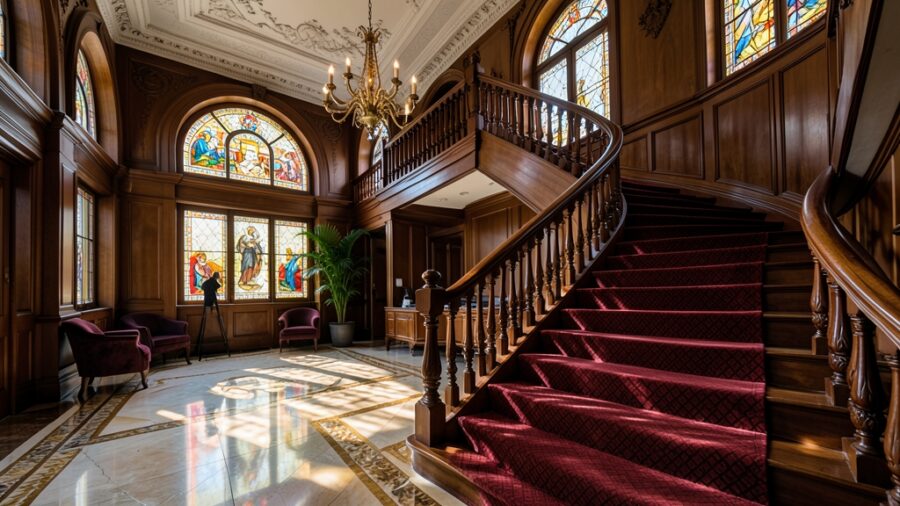
Heritage Hotel Historical Charm: A Timeless Experience
When it comes to travel, few experiences can rival the charm of staying in a heritage hotel. These establishments are not merely places to rest; they are gateways to the past, offering a unique blend of history, culture, and modern amenities. In this article, we will explore the allure of heritage hotels, delve into their historical significance, and uncover the architectural features that define these remarkable buildings. We will also discuss the cultural experiences they offer and the sustainability practices they adopt, ensuring that your stay is not only enjoyable but also responsible.
As we navigate through the world of heritage hotels, you will discover how these historical gems provide an immersive experience that connects you to the local culture and history of the region you are visiting. Whether you are a history buff, an architecture enthusiast, or simply looking for a unique getaway, heritage hotels promise to leave a lasting impression.
Prepare to embark on a journey that reveals the essence of heritage hotels and the rich experiences they offer. From the moment you step into one of these establishments, you will be captivated by their ambiance and stories waiting to be uncovered. Let us dive into the fascinating world of heritage hotels and uncover the secrets behind their enduring appeal.
The Allure of Heritage Hotels
Embracing History and Culture
Heritage hotels are often situated in buildings that date back several decades or even centuries. This historical context adds a layer of authenticity that cannot be replicated. When you enter a heritage hotel, you are stepping into a narrative woven into the fabric of the building itself. Each room, corridor, and common area tells a story, often linked to important events or notable figures from the past.
For instance, the Raffles Hotel in Singapore, which opened in 1887, is a perfect example of a heritage hotel that embraces its rich history. It has hosted famous personalities such as Charlie Chaplin and Rudyard Kipling, making it a living museum of sorts. Guests can not only enjoy luxurious accommodations but also immerse themselves in the legacy of the hotel and its role in the city’s history.
Modern Comforts with Vintage Charm
While heritage hotels are steeped in history, they also offer modern amenities that cater to today’s travelers. This unique combination of old-world charm and contemporary conveniences makes them an attractive option for many. Guests can enjoy well-appointed rooms equipped with the latest technology while still relishing the traditional decor and architecture.
Many heritage hotels have undergone extensive renovations to enhance guest experience without compromising their historical integrity. For example, the Fairmont Chateau Lake Louise in Canada beautifully melds its classic design elements with modern facilities, creating an unforgettable experience for visitors. The breathtaking views of the mountains and the pristine lake, combined with the hotel’s historical significance, make it a must-visit destination.
Historical Significance of Heritage Hotels
Preserving the Past for Future Generations
Heritage hotels play a crucial role in preserving the architectural and cultural history of a region. By maintaining and restoring historical buildings, these hotels contribute to the conservation of local heritage and provide insight into the lifestyles of previous generations. This preservation effort is vital in a world where many historical sites are lost to urban development.
For instance, the Hotel Nacional de Cuba, built in 1930, is a UNESCO World Heritage Site that serves as a symbol of Cuba’s rich history and architectural prowess. It has witnessed significant events in Cuban history and continues to be a prominent landmark today. By staying at such hotels, guests not only enjoy their accommodations but also support the conservation of these important historical sites.
The Socio-Economic Impact of Heritage Hotels
Heritage hotels can have a significant socio-economic impact on their local communities. They often employ local staff, source ingredients from nearby farms, and promote local artisans. This practice helps sustain the local economy and fosters a sense of community pride.
Additionally, heritage hotels attract tourists interested in authentic experiences, which can lead to increased revenue for surrounding businesses, including restaurants, shops, and attractions. A notable example is the Old Cloisters Hotel in Edinburgh, which not only provides accommodations but also supports local cultural events and festivals, enriching the community as a whole.
| Heritage Hotel | Location | Year Established | Significance |
|---|---|---|---|
| Raffles Hotel | Singapore | 1887 | Historical landmark, luxury accommodations |
| Fairmont Chateau Lake Louise | Canada | 1890 | Iconic mountain resort, heritage preservation |
| Hotel Nacional de Cuba | Cuba | 1930 | UNESCO World Heritage Site, cultural landmark |
| Old Cloisters Hotel | Edinburgh, Scotland | 1900 | Supports local culture and community |
Architectural Features that Define Heritage Hotels
Timeless Design Elements
The architectural features of heritage hotels are one of their most defining characteristics. These buildings often showcase unique design elements that reflect the historical period in which they were constructed. From Victorian facades to Art Deco interiors, each heritage hotel has its own distinct personality.
For example, the Hotel Ritz in Paris is renowned for its opulent design, featuring grand chandeliers, intricate moldings, and luxurious fabrics that evoke the glamour of the early 20th century. Such architectural details not only enhance the aesthetic appeal of the hotel but also transport guests back in time, allowing them to experience the elegance of a bygone era.
Restoration and Preservation Techniques
Many heritage hotels invest significant resources into restoration and preservation to maintain their architectural integrity. This process often involves meticulous research and craftsmanship to ensure that any renovations respect the original design. Skilled artisans may be employed to restore intricate woodwork, stained glass, and masonry, preserving the hotel’s historical authenticity.
One exemplary case is the Palace Hotel in San Francisco, which underwent extensive restoration after the 1906 earthquake. The restoration preserved its historic charm while upgrading its facilities, making it a prime example of how heritage hotels can evolve while maintaining their historical significance.
Cultural Experiences Offered by Heritage Hotels
Immersive Local Experiences
Staying in a heritage hotel often provides guests with unique opportunities to engage with the local culture. Many heritage hotels offer guided tours, cooking classes, and workshops that allow visitors to immerse themselves in regional traditions and customs.
For instance, the Umaid Bhawan Palace in Jodhpur, India, offers cooking classes that introduce guests to traditional Rajasthani cuisine. Participants can learn to prepare local dishes using age-old recipes, creating a memorable connection to the culture and heritage of the region.
Art and History Exhibitions
Heritage hotels frequently host art exhibitions, historical displays, and cultural performances, providing guests with a deeper understanding of the local history and artistic expressions. These events can range from showcasing local artisans to hosting lectures on historical topics.
The Windsor Hotel in Yokohama, Japan, often features art exhibitions that highlight the work of local artists, allowing guests to appreciate the cultural landscape of the area. Such initiatives not only enrich the guest experience but also support local talent and foster cultural exchange.
Sustainability Practices in Heritage Hotels
Eco-Friendly Initiatives
As sustainability becomes increasingly important, many heritage hotels are implementing eco-friendly practices to minimize their environmental impact. This includes using sustainable materials in renovations, implementing energy-efficient technologies, and promoting responsible tourism.
For example, the Green Hotel in Thailand is committed to sustainability, utilizing solar energy and rainwater harvesting systems to reduce its carbon footprint. By prioritizing sustainability, heritage hotels can maintain their historical charm while being responsible stewards of the environment.
Community Engagement and Support
Heritage hotels often engage with their local communities to promote sustainable tourism and support local economies. This can include sourcing food from local farmers, employing local staff, and participating in community initiatives.
The Hotel de Russie in Rome is known for its commitment to local sourcing, offering guests dishes made from ingredients sourced from local farms. This practice not only supports the local economy but also provides guests with an authentic culinary experience that reflects the region’s flavors.
Conclusion
In summary, heritage hotels offer a unique blend of historical charm and modern comfort, providing guests with an immersive experience that connects them to the local culture and history. By preserving architectural integrity and engaging with the community, these establishments play a crucial role in maintaining the heritage of their regions. Whether you seek a luxurious escape or an authentic cultural experience, heritage hotels are sure to leave a lasting impression.
As you plan your next getaway, consider the allure of heritage hotels and the many benefits they offer. From their rich historical significance to their commitment to sustainability, these hotels provide a unique opportunity to experience the world in a new light. Immerse yourself in the past while enjoying the comforts of the present at a heritage hotel that speaks to your wanderlust.
Frequently Asked Questions
What is a heritage hotel?
A heritage hotel is a property that has been established in a building of historical significance. These hotels often retain their original architectural features and offer guests a glimpse into the past while providing modern amenities.
How do heritage hotels differ from regular hotels?
Heritage hotels are distinguished by their historical context, unique architectural styles, and cultural significance. Unlike regular hotels, they often offer immersive experiences that connect guests to the local history and traditions of the area.
Are heritage hotels environmentally friendly?
Many heritage hotels are adopting sustainable practices to minimize their environmental impact. This can include using eco-friendly materials, implementing energy-efficient technologies, and supporting local communities.
Can I expect modern amenities in a heritage hotel?
Yes, most heritage hotels offer modern amenities while preserving their historical charm. Guests can enjoy comfortable accommodations, high-speed internet, and other conveniences alongside the unique features of the hotel.
What cultural experiences can I find at heritage hotels?
Heritage hotels often provide cultural experiences such as cooking classes, guided tours, and art exhibitions. These activities allow guests to immerse themselves in the local culture and history during their stay.
- Heritage hotels offer a unique blend of history and modern comfort.
- They play a crucial role in preserving local culture and architecture.
- Guests can enjoy immersive cultural experiences and local cuisine.
- Sustainability practices are increasingly common in these establishments.
- Heritage hotels support local economies and communities.
- Many heritage hotels are located in historically significant buildings.
- They often feature unique architectural designs reflective of their era.
- Staying at a heritage hotel provides a memorable and enriching travel experience.
This content is informative and does not replace medical or psychological evaluation or treatment.