
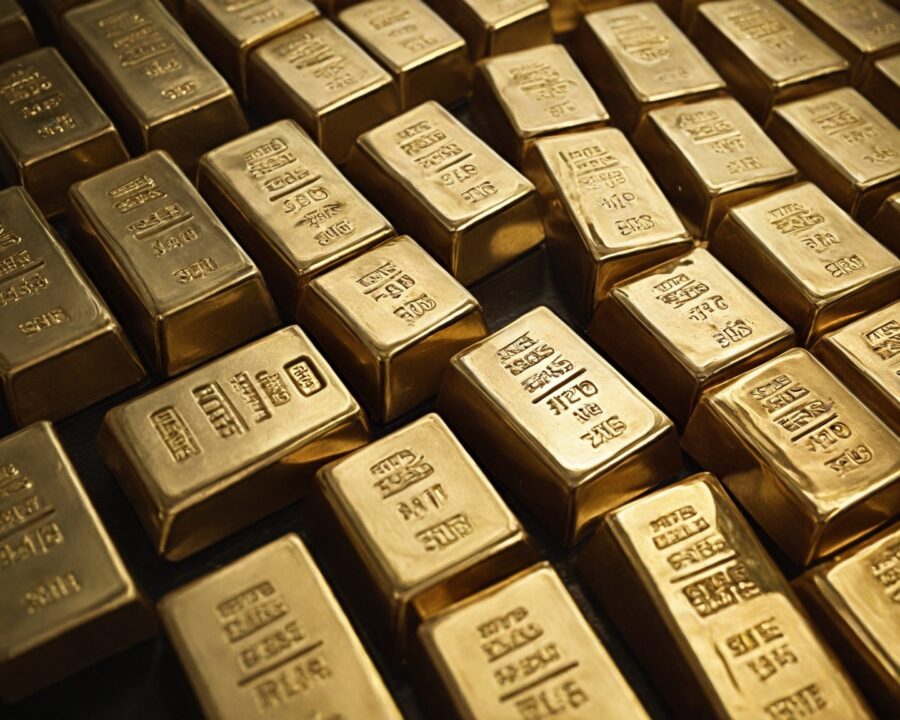
Introduction: The Timeless Allure of Gold
Gold. The word itself conjures images of glistening treasure chests, bejeweled crowns, and extravagant opulence. For thousands of years, this brilliant metal has captured the human imagination like no other substance. Its allure is rooted not only in its physical properties but also in its emotional and cultural significance. Gold is everlasting, unyielding to time or corrosion, and its radiant glow seems almost otherworldly, providing a sense of permanence and perfection that mankind has sought to emulate and possess.
The fascination with gold spans ages, cultures, and societies. Historically, it was treasured as divine, believed to possess magical properties due to its untarnishable surface and bright aura. These attributes have cemented gold as a universal symbol of wealth and power. In every civilization, from the kingdoms of the ancient Egyptians to the empires of the Incas, gold has not only been a currency but also a measure of status and significance, endowing its possessors with an aura of supremacy.
Despite modern advancements and the rise of digital currencies, gold’s position as a symbol of wealth in the modern era remains unchallenged. Its continued relevance stems from both historical precedence and a cultural legacy, acting as a cornerstone in global financial systems and an emblem of safe investment. The glitter of gold resonates today as much as it did millennia ago, drawing an unbroken line of admiration and desire through human history.
In a world where change is constant and landscapes shift relentlessly due to technological and socio-political upheavals, gold remains a bastion of stability and continuity. It stands as a testament to both economic assurance and cultural significance—a timeless symbol still revered and desired across the globe.
Historical Background: Gold as a Symbol of Wealth in Ancient Civilizations
The earliest documented use of gold dates back to around 3000 BC in the cultures along the Mediterranean. Ancient Egypt particularly stands out for its extensive use of gold in its elaborate temples and tombs, reflecting their belief in gold as the “flesh of the gods.” Gold adorned the coffins and death masks of pharaohs, the most famous being the mask of Tutankhamun, which exemplifies the Egyptian effort to immortalize their leaders in resplendent gold.
In Mesopotamia too, from around the same period, artifacts including jewelry and ceremonial objects have been unearthed, suggesting that gold was deeply intertwined with religious significance and social status. The Sumerians and later the Babylonians pioneered the use of gold in commerce and debt settlement, thus laying down a foundation for the metal’s economic role that continues today.
Gold’s significance was not limited to the cradle of civilization; across the globe, from the Mesoamerican civilizations to the classical societies of Greece and Rome, gold’s role was much the same. These cultures linked the material to their deities and kings, using it not only for ornamentation but also to demonstrate their power and influence. This widespread and almost universal valuation across ancient societies set the stage for gold’s continued role as a cornerstone of wealth and power.
The Role of Gold in the Development of Modern Economies
Moving into the modern era, gold’s role in economics has expanded. The creation of the gold standard in the 19th century marked a seminal moment, as currencies worldwide were pegged to the value of a set amount of gold. This alignment helped establish international trade networks and stabilized fluctuating national currencies by providing a concrete benchmark for economic value. Nations with substantial gold reserves were perceived as economically robust and solvent.
By the 20th century, gold had established itself as a strategic reserve for countries to guarantee the back value of their banknotes. The aftermath of World War II saw the establishment of the Bretton Woods system, pegging international currencies to the US dollar, which was in turn linked to gold. This effectively positioned gold as a cornerstone of global economic infrastructure.
Despite the collapse of the Bretton Woods system in the 1970s, gold continued to play a critical role. Nations and private investors alike recognized the metal as a hedge against inflation and currency devaluation. This practice has remained prevalent, with central banks across the globe continuing to hold significant gold reserves—underscoring its continued importance in modern financial systems.
| Era | Role of Gold |
|---|---|
| Ancient Civilizations | Religious and Social Status |
| 19th Century | Standardization of Currency |
| 20th Century | Economic Security Post-WWII |
Cultural Significance of Gold in the 20th and 21st Centuries
In the 20th and 21st centuries, gold’s cultural significance has grown exponentially, transcending beyond economics into vast realms of art, fashion, and ideology. Films and media have portrayed gold as the ultimate prize, an object worth the risk of quests and adventures—a theme deeply embedded in human psyche and storytelling traditions.
With rising global wealth, gold became a symbol of personal and national triumph. Nations flaunted their gold reserves as symbols of economic power, while individuals invested in gold not just for its monetary value, but to display personal prosperity and taste. Jewelry became more lavish, employing advanced techniques to showcase gold’s versatility and beauty.
In the modern age, fashion designers and contemporary artists have incorporated gold into their works to elevate the value and mythos of their creations. Gold leaf and gilding remain popular in high art, pushing works beyond mere aesthetics into the realm of opulence and distinction. This cultural integration highlights gold’s malleability not only as a metal but as a motif in human creativity and desirability.
Gold in Modern Art and Fashion: A Status Symbol
In the world of art and fashion, gold is synonymous with luxury and unmatched status. Designers routinely incorporate gold into their runway shows, using it to highlight exclusivity and scarcity. Gold threads, accents, or jewelry are often featured in haute couture creations, echoing the same eternal shimmer that has been admired since ancient times.
Artists, too, have found gold to be a powerful medium. The practice of gold leafing creates a visual impact that not only adds monetary value to artwork but also an intrinsic depth symbolizing wealth beyond the material. This technique has seen itself manifested in global art movements, from Gustav Klimt’s “Golden Phase” to the ornate iconography of Eastern Orthodox Christianity.
Furthermore, the use of gold in fashion and art serves as a poignant reminder of class distinctions. While gold objects are often accessible only to certain economic echelons, mass market variants have tried to mimic the allure, perpetuating gold as a symbol of aspirational wealth. This duality in accessibility accentuates gold’s role as both a tangible and symbolic marker of affluence and desire.
The Influence of Gold in Global Financial Systems
Gold is often referred to as the “currency of last resort” by financial analysts, its timeless worth making it a core component of central banks’ reserve assets. By holding gold, governments place trust in its ability to provide a safety net against economic instability—a belief borne out time and again during high inflation periods or currency crises.
The term “gold reserves” speaks to a country’s economic prowess. Despite modern currencies not being gold-backed, many nations continue to hoard gold as part of their monetary strategy. The reason is twofold: gold provides financial security, and it holds the historical legacy of being a universally recognized form of payment.
Moreover, gold has power beyond just being a hedge against inflation. It can influence foreign exchange rates and offers leverage over international monetary negotiations. This dual capacity as both a symbol and tool of financial power places gold in a unique position within the global economy, a fixture that continues despite advances in digital finance and the rise of cryptocurrencies.
Gold as a Safe Haven Investment: Economic Perspectives
Investors often flock to gold during times of economic uncertainty, as it has proven to be a reliable store of value when traditional markets falter. Unlike stocks, mutual funds, or even fiat currencies, gold’s tangible nature shields it from inflation and preserves its worth where other investments might lose theirs.
The reasons for this are manifold. Gold’s intrinsic properties make it non-perishable and universally accepted, and its limited supply acts as a safeguard against depreciation. These factors contribute to its reputation as a safe haven, a constant in investor portfolios whether in the form of bars, coins, or increasingly, digital gold certificates.
Economically speaking, gold acts as an insurance policy. When geopolitical tensions arise or economic policies falter, the price of gold typically increases as demand surges. This trend highlights the perpetual humanity-wide belief in gold as a secure asset capable of weathering all storms and retaining its allure through the peaks and valleys of global finance.
The Psychological Impact of Gold as a Status Symbol
The appeal of gold goes beyond economic security—its psychological impact as a status symbol is profound and pervasive. Gold signifies success, stability, and power—traits that are universally admired. People naturally gravitate toward the idea of luxury, and gold epitomizes this concept, having done so across countless epochs.
From a psychological point of view, possessing gold translates into self-assuredness and confidence, reinforcing feelings of achievement and societal validation. The desire to possess gold objects often traces back to cultural conditioning, where gold is showcased in media or ceremonial acts as the pinnacle of wealth and status.
In social circles, the demonstration of gold ownership through jewelry or investments can affect how individuals are perceived, often favorably tilting opinions by associating bearers with the positive traits attributed to gold. This intrinsic belief in the power of gold to elevate status within society reinforces its continued desirability and cultural ethos as a symbol of wealth and prestige.
Gold in Popular Culture: Movies, Music, and Media
Gold’s allure has been a mainstay in popular culture, finding its place in movies, music, and media. It resonates as an icon of success, enshrined in lyrics lauding wealth and abundance or presented dramatically as coveted treasure in cinematic epics.
Cinematic portrayals often depict gold as the ultimate prize—be it pirate booty, a hidden archaeological relic, or the heist target in a modern thriller. Such representations consistently depict themes of adventure, danger, and triumph, intricately linking gold with notions of exoticism and far-reaching ambition.
Musically, artists often reference gold to denote success or elite status, crafting songs that celebrate indulgence and triumph. From iconic music videos showcasing gilded settings and costumes to lyrics espousing the glory of wealth, gold’s representation in music underscores its enduring stature as an emblem of prosperity and luxury.
The Future of Gold: Sustainability and Ethical Considerations
As with many coveted resources, the future of gold lies at the intersection of sustainability and ethical mining practices. Increasing awareness of environmental impacts and labor conditions in gold mining has sparked discussions on improving industry standards and finding sustainable alternatives.
Regulatory bodies and industry leaders are progressively focusing on minimizing the ecological footprint of gold extraction. The introduction of more sustainable mining practices, including the reduction in the use of toxic chemicals like cyanide and mercury, aims to minimize environmental degradation.
Ethical considerations also dominate the conversation around gold, with a growing push for transparency and fair practices within the supply chain. Certification programs and consumer awareness campaigns drive initiatives for conflict-free gold, responding to demands for ethically sourced metals that respect human rights and foster sustainable development.
Conclusion: The Enduring Legacy of Gold as a Symbol of Wealth
The story of gold is one of a timeless allure that has captured human imagination since antiquity. As both a tangible asset and a cultural ideal, gold’s comprehensive history weaves through the development of civilizations, the rise and fall of economies, and the ebb and flow of cultural trends. Its role in ancient religious practices and modern float markets underscores its dual nature as both an object of beauty and a guarantee of value.
Despite the challenges of modern times and the emergence of alternative currencies and assets, gold’s position remains secure. Its allure endures not just through economic necessity but through a deep-seated recognition of its intrinsic beauty and storied past. As humanity progresses, gold’s symbolic status will continue influencing societies in ways both tangible and philosophical, reflecting an eternal quest for wealth, beauty, and permanence.
FAQ
What makes gold a universal symbol of wealth?
Gold has intrinsic qualities, like its durability, rarity, and luster, which have historically been associated with value and power. These cultural and economic attributes make it a universal symbol of wealth across civilizations.
How has gold influenced modern economies?
Gold played a crucial role in setting up the gold standard in the 19th century, stabilizing currencies and international trade. It continues to act as a financial safety net, influencing monetary policies and foreign exchange rates.
Why is gold considered a safe haven investment?
Gold retains its value through economic uncertainties due to its limited supply and universal acceptance. During financial crises, it often increases in value as investors seek stability.
What are the challenges regarding the future of gold mining?
The future challenges include addressing the environmental impacts of mining and ensuring ethical supply chains that respect human rights and promote sustainability.
How is gold used in modern art and fashion?
Gold is used for its aesthetic and perceived value. In art, it adds depth and monetary worth, while in fashion, it signifies luxury and exclusivity.
What are the ethical concerns in gold mining?
Ethical concerns include environmental degradation, use of toxic chemicals, and poor labor conditions. Efforts are underway to promote sustainable practices and ensure conflict-free gold.
Recap
- Gold is a timeless symbol of wealth, deeply embedded in cultural and historical narratives.
- Ancient civilizations revered it for its divine qualities and use in commerce.
- It shaped modern economies through mechanisms like the gold standard.
- Gold maintains cultural significance, featuring prominently in art, fashion, and media.
- Economically, it is a safe haven investment in times of uncertainty.
- The future of gold requires addressing sustainability and ethical mining practices.