
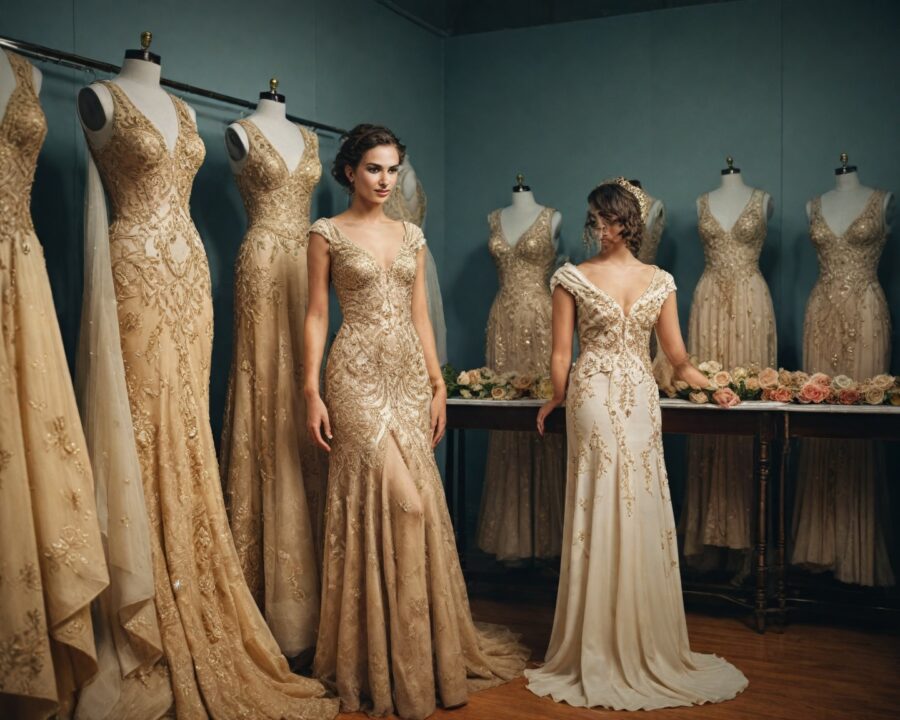
Introduction to Gold in Fashion: A Historical Perspective
Gold has long been a symbol of luxury, wealth, and power. Historically, it’s been a material of choice for monarchs and the elite, with its shimmering appeal enriching garments and adding a distinct sheen to accessories. As early as Ancient Egypt, gold was used in clothing and jewelry, representing the divine nature of pharaohs. It was believed to be the flesh of the gods, encapsulating both spiritual and material wealth.
As time progressed, the allure of gold did not wane. In the Middle Ages, gold threads were woven into tapestries and garments for the church and nobility. These garments signified not only opulence but also the wearer’s closeness to the divine or their elevated social status. The Renaissance saw the integration of gold into fashion as a common practice among the European aristocracy, marking the beginning of a profound relationship between gold and style.
Moving into the 20th century, the usage of gold in fashion became more democratized. As technology advanced, it became possible to produce gold-plated and gold-dipped fibers, making the material more accessible to designers around the world. This wider availability of gold allowed its integration into contemporary fashion, building a bridge between historical opulence and modern design sensibilities.
The Rise of Gold in Contemporary Fashion Design
Today, gold in fashion is seen both on the runway and in high-street stores, symbolizing versatility and modern aesthetics. The use of gold in contemporary fashion design isn’t limited to its traditional glitzy appeal; it has morphed into a medium that can convey both minimalist elegance and extravagant opulence.
Designers are exploring new ways to incorporate gold into fashion, as it’s not just limited to clothing anymore. Accessories, shoes, and even everyday items like handbags and sunglasses are being designed with gold elements. This shift signifies a broader trend where fashion embraces mixed materials and textures, pushing the boundaries of traditional design norms.
The rise of gold in fashion parallels the cultural evolution towards maximalism and individual expression. Gold, with its unique reflective properties, allows designers to play with light and shadow, creating dynamic pieces that change with the environment. This adaptability and timeless appeal make gold an ideal material for expressing modern design narratives.
Innovative Uses of Gold in Modern Fashion Collections
Innovation in fashion often hinges on how designers interpret and manipulate materials. Gold, given its ductility and malleability, offers a unique canvas for experimentation. Designers from various backgrounds are pushing the envelope by using gold in unexpected ways, creating stunning and innovative collections.
-
Textiles and Fabrics: An exciting trend in modern fashion is the use of gold-infused textiles. By integrating metallic threads with traditional fabrics, designers create pieces that shimmer and catch the eye without being overbearing. These textiles are often used in evening wear, bringing a subtle yet impactful brilliance to high fashion.
-
Sustainable practices: Gold’s durability makes it perfect for sustainable fashion. It’s not uncommon for designers to recycle gold from jewelry and accessories, injecting them into new garments. This practice not only adds an element of luxury but also highlights a commitment to environmental responsibility.
-
Functional Fashion: Beyond aesthetics, gold is finding a place in functional fashion. Conductive gold threads are now being used in wearable technology, creating garments that can connect to electronic devices. This intersection of fashion and technology is a burgeoning area where gold plays a pivotal role.
Top Designers Incorporating Gold into Their Creations
Numerous designers have embraced gold for its luxurious qualities, and many collections feature striking uses of this material. Recognized as a testament to sophistication and boldness, gold remains a crucial element in their creative visions.
-
Alexander McQueen: Known for pushing boundaries, Alexander McQueen often uses gold to heighten drama and fantasy in his collections. Whether with ornate embellishments or full golden garments, his work serves as a testament to how gold can craft visionary narratives.
-
Versace: Versace seamlessly incorporates gold into their designs as a staple of luxury. Known for their baroque patterns and bold, vibrant aesthetics, gold becomes an integral part of their style narrative, enhancing garments with both extravagance and elegance.
-
Elie Saab: Elie Saab’s evening gowns frequently feature gold accents, from intricate embroidery to full metallic sheens. These additions highlight the designer’s flair for elegance and detail, creating garments that are both timeless and breathtaking.
These designers, among others, continue to drive trends within the industry, setting a standard for how gold can elevate fashion designs beyond the ordinary.
The Role of Gold in Sustainable Fashion Practices
Gold’s role in sustainable fashion is becoming increasingly notable. With environmental concerns growing, the fashion industry is keenly aware of the need for sustainable practices, and gold, surprisingly, plays a part in this transformation.
Recycling and Upcycling
Gold, especially in the form of jewelry and decorations, is often recycled and upcycled. This practice reduces waste and diminishes the demand for newly mined gold, which can have substantial environmental impacts. By purchasing pre-owned gold items and incorporating them into new designs, designers contribute to a circular economy.
Longevity and Durability
The durability of gold means that items made with this precious metal tend to last longer and withstand the ravages of time. This longevity is a key tenet of sustainable fashion—creating products that do not need frequent replacing. Gold’s resistance to tarnish and decay makes it ideal for this purpose, encouraging its continued use in collections designed to stand the test of time.
Ethical Sourcing
With increased awareness, the industry is moving towards ethically sourced materials. Many designers ensure the gold they use is conflict-free, coming from mines that adhere to standards of environmental and social responsibility. This ethical approach is crucial in aligning luxury with sustainability.
Gold as a Symbol of Luxury and Status in Fashion
Gold’s symbolic status as a marker of luxury and success remains unchallenged. Its prominence in fashion speaks to a cultural obsession with wealth and sophistication, easily making it a focal point in apparel and accessory design.
Historical Context
Historically, gold accessories worn by the wealthy served as a visual declaration of power and influence. The enduring association of gold with prosperity means that even simple elements like gold zippers or buttons can elevate a garment into a luxury item.
Modern Interpretation
In today’s fashion, gold is often used to signify exclusivity and prestige. Designers utilize gold to create statement pieces that project success and influence, whether through intricate detailing on haute couture dresses or statement jewelry pieces that draw attention.
Fashion Branding and Gold
Luxury brands frequently use gold in their logos and packaging, enhancing the perception of prestige. By associating their brand identity with the splendor of gold, these brands reinforce their status as leaders in the luxury market, utilizing gold’s cultural connotations to their advantage.
Technological Advancements in Gold Fabrication for Fashion
Technology has always played a pivotal role in fashion, and advancements in gold fabrication have opened new avenues for its use in the industry. These innovations are redefining how designers integrate this precious metal into their work.
Nanotechnology
The advent of nanotechnology has allowed gold to be used at a microscopic level. Fine gold particles are now woven into fabrics, creating a luminous effect that traditional fabrics cannot achieve. This innovation provides a new depth to designs, making them more vibrant and visually striking.
3D Printing with Gold
3D printing technology has revolutionized various industries, and fashion is no exception. Designers can now “print” gold-plated accessories and components with precision and intricate details. This capability allows for the creation of bespoke designs tailored to specific aesthetic and functional requirements.
Coating and Dipping Techniques
Advanced coating and dipping techniques enable designers to apply a thin layer of gold over various materials, providing the look and feel of solid gold without the excessive weight or cost. This process is particularly beneficial for creating affordable luxury items.
The Impact of Gold Accessories on Fashion Trends
Accessories have always been an integral part of fashion, serving not only a functional purpose but also acting as key influencers of trends. Gold accessories, in particular, play a significant role in setting and transforming fashion trends.
-
Statement Jewelry: Gold statement pieces like oversized necklaces, bold rings, and extravagant earrings have become staples in both casual and formal settings. These pieces are versatile, enhancing any outfit with a touch of sophistication and distinction.
-
Footwear and Belts: Gold accents in footwear and belts bring an unexpected element of luxury. Designers use gold clasps, buckles, and embellishments to transform ordinary shoes and belts into fashion-forward items.
-
Eyewear and Watches: The inclusion of gold in eyewear and watches continues to be a significant trend, offering both a classic and contemporary appeal. Gold frames and accents remain popular, speaking to tastes that favor subtle luxury.
Given their impactful presence, gold accessories drive seasonal trends and often elevate a designer’s collection through their opulent yet versatile nature.
Case Studies: Iconic Gold Fashion Pieces
Several gold-infused fashion pieces have made an indelible mark on the industry, showcasing the material’s dynamic potential in both clothing and accessories.
| Designer | Iconic Gold Piece |
|---|---|
| Yves Saint Laurent | “Gold Map” Dress (1966) |
| Chanel | Gold Chanel No.5 Jewelry (1995) |
| Lanvin | Gold-Lame Dress (1934) |
| Dolce & Gabbana | Gold Corset Dress (Fall/Winter 2006) |
Yves Saint Laurent’s “Gold Map” Dress
In 1966, Yves Saint Laurent debuted the “Gold Map” dress, a stunning piece that turned heads and set a precedent for the use of gold in haute couture. The dress was a testament to the elegance and potential of gold to add dimension and allure to any garment.
Chanel’s Gold Jewelry
In 1995, Chanel reintroduced gold into its jewelry collection, notably with pieces inspired by their iconic No.5 perfume. The collection was met with acclaim, reiterating the timeless appeal of gold in fashion accessories.
Dolce & Gabbana’s Gold Corset Dress
The Fall/Winter 2006 collection from Dolce & Gabbana featured a breathtaking gold corset dress that encapsulated luxury and boldness. It became a standout piece, epitomizing the fusion of classic style with modern flair that gold facilitates.
Consumer Perception of Gold in Fashion
Understanding consumer perception of gold in fashion is crucial to its application and continued evolution within the industry. This perception is shaped by a variety of factors, from cultural significance to personal style preferences.
-
Luxury and Exclusivity: Consumers associate gold with exclusivity and luxury. Gold products often carry a higher price tag, reinforcing their perception as premium items. This allure makes gold highly desirable for those wishing to project affluence and status.
-
Versatility in Fashion: Gold’s versatility makes it appealing to a broad audience. It can be dressed up or down, making it suitable for various occasions. Consumers often value this adaptability, seeing gold pieces as worthy investments that can transition between day and night wear.
-
Emotional Connection: Many consumers have a deep emotional connection to gold, viewing it as timeless and symbolic of personal milestones. Gold items are popular choices for gifts, often marking significant events like anniversaries or achievements.
Consumer perception ultimately influences how gold is utilized and marketed in fashion, providing valuable insight for designers and brands alike.
Future Trends: The Evolution of Gold in the Fashion Industry
The future of gold in fashion is bright, with trends already emerging that will likely continue into the coming decades. As technology and consumer tastes evolve, gold’s application in fashion will likewise adapt and grow.
Minimalist Gold
Despite the luxurious connotations of gold, there is a growing trend towards minimalist designs. Designers are crafting pieces that use gold sparingly, creating clean, elegant aesthetics that speak to contemporary tastes. This move towards simplicity is expected to continue, appealing to consumers seeking understated elegance.
Eco-Friendly Gold
Sustainability is a key concern for modern consumers, and the fashion industry is responding. The demand for eco-friendly, ethically sourced gold is expected to rise, influencing how it is sourced and used within fashion. This push aligns with broader movements towards sustainable practices across industries.
Tech-Integrated Fashion
As technology continues to integrate with daily life, fashion is increasingly embracing tech-enhancements. Wearable tech with gold elements, such as smart jewelry or clothing that interfaces with devices, will likely see growth. This trend speaks to the merging worlds of fashion, functionality, and futuristic innovation.
Frequently Asked Questions
How has gold been historically used in fashion design?
Gold has historically been used as a symbol of luxury and power in fashion design. Beginning in Ancient Egypt and continuing through the Renaissance, gold was integrated into garments and jewelry to signify wealth and divine favor. Its ductility and sheen made it a favored material for garments worn by nobility and religious leaders.
What are some innovative uses of gold in contemporary fashion?
Contemporary fashion incorporates gold through various innovative means, such as gold-infused textiles, sustainable practices using recycled gold, and even in wearable technology. Designers push boundaries by using gold to add depth and brilliance to minimalistic and extravagant pieces alike.
Who are some designers known for incorporating gold into their collections?
Designers like Alexander McQueen, Versace, and Elie Saab are renowned for their use of gold. Each brings unique interpretations — from the dramatic and fantastical in McQueen’s works to the opulent and elegant in Saab’s evening wear.
How does gold contribute to sustainable fashion practices?
Gold contributes to sustainable fashion by being recycled and upcycled, which reduces waste. Its durable nature ensures longer-lasting products, aligning with principles of sustainability. Moreover, many in the industry are committed to sourcing ethically produced gold, supporting environmentally friendly practices.
What future trends might we expect regarding gold in fashion?
Future trends for gold in fashion may include a push towards minimalist gold designs, a rise in eco-friendly practices, and the growth of tech-integrated gold fashion items. These trends reflect ongoing shifts towards sustainability, modern aesthetics, and technological incorporation.
Recap
This article explored the historical use of gold in the fashion industry and its evolution to contemporary applications. We delved into how top designers are creatively incorporating gold into their collections, the role of gold in sustainable fashion practices, and how technological advancements are pushing gold fabrication forward. Gold’s impact on fashion trends and consumer perception was also examined, alongside future trends highlighting its ongoing evolution in fashion.
Conclusion
Gold continues to shine brightly in the world of fashion, an enduring testament to luxury, power, and innovation. From ancient civilizations to the modern runway, its use and symbolism have adapted to changing cultural narratives, consistently maintaining its allure and relevance.
As we move forward, the role of gold in fashion looks set to evolve further, driven by technological advancements and a growing emphasis on sustainability. Its adaptability across different styles and applications ensures that gold will remain integral to designers’ toolkits, allowing them to craft garments and accessories that speak to the desires of both modern and future consumers.
Ultimately, gold in fashion will continue to symbolize more than just wealth and prestige. It will embody the spirit of innovation, the celebration of craftsmanship, and the timeless pursuit of beauty — all of which are deeply embedded in the essence of fashion itself.