
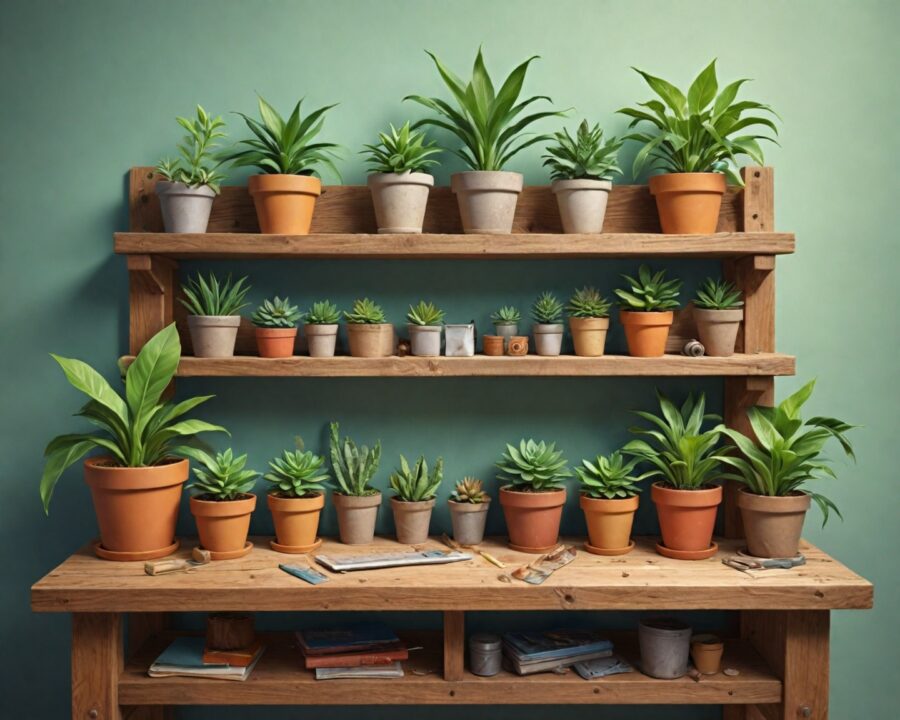
Introduction to DIY Plant Shelves and Their Benefits
The concept of DIY plant shelves has grown in popularity as more individuals seek to incorporate greenery into their living spaces. These shelves not only serve as functional structures to display a variety of plant species, but they also offer aesthetic appeal and creativity to your decor. Creating a plant shelf can be an incredibly rewarding project, allowing you to tailor your display to fit your specific style and needs. DIY plant shelves provide a perfect blend of utility and beauty, making them an excellent addition to any home.
The benefits of building a DIY plant shelf extend beyond just aesthetics. They allow you to optimize space in your home, which is especially valuable in smaller living areas. A plant shelf can help improve air quality by accommodating multiple plants, which are known to purify indoor air. Furthermore, engaging in a DIY project like this can be a therapeutic experience. Constructing something with your hands can reduce stress and offer a sense of accomplishment as you watch your vision come to life. This guide will walk you through the entire process of designing and building a DIY plant shelf, ensuring that you create a beautiful and functional piece for your home.
Materials and Tools Needed for Building a Plant Shelf
Before embarking on your DIY plant shelf project, it’s crucial to gather all the necessary materials and tools. Having everything on hand will streamline the process and prevent unnecessary interruptions. Start by selecting your materials—wood is a popular choice due to its versatility and durability. You can opt for plywood, pine, or even reclaimed wood, depending on the look you desire and your budget.
In addition to wood, you will need a set of tools to facilitate the building process. Essential tools include a measuring tape for precise dimensions, a saw for cutting the wood, a drill for creating pilot holes, sandpaper to smooth out rough edges, and a level to ensure your shelves are even. Don’t forget safety gear like gloves and goggles to protect yourself during construction tasks. Lastly, pick out screws or nails and wood glue for assembly, and consider a wood finish to protect your completed shelf from moisture and wear over time.
Here’s a table summarizing the materials and tools you will need:
| Materials | Tools | Additional Items | Safety Gear |
|---|---|---|---|
| Wood (e.g., pine, plywood) | Measuring Tape | Screws/Nails | Gloves |
| Wood Finish | Saw | Wood Glue | Safety Goggles |
| Sandpaper | Drill | Angle Brackets | |
| Level |
It’s wise to double-check this list before you start to ensure a smooth and uninterrupted construction process.
Step-by-Step Instructions for Designing Your Plant Shelf
Designing your DIY plant shelf is a crucial step that can greatly influence both the final look and functionality of your piece. Start by considering the size and location of your shelf. Measure the area where you wish to place the shelf in order to determine its maximum dimensions. This will help you decide how many shelves you can incorporate, as well as the spacing between them, to accommodate plants of varying heights.
Consider the style of your shelf. Do you want something minimalistic and sleek, or are you aiming for a rustic and charming look? The style will guide your choice of materials and finishes. Also, think about whether you want free-standing shelves that can be moved around easily, or built-in shelves that are secured to the walls. Sketch several designs before settling on the one that best meets your practical needs and aesthetic preferences.
Once you’ve decided on the design, create a detailed plan including measurements. This plan will act as your blueprint during construction and will aid in determining how much material you need. Make sure to factor in additional space for each plant to grow and ensure there’s room for watering without causing a mess.
How to Choose the Right Wood and Finish for Durability
Choosing the right wood and finish is essential to ensure your DIY plant shelf is both durable and aesthetically pleasing. When selecting wood, consider the balance between strength, affordability, and appearance. Pine is a versatile and cost-effective choice. It is easy to work with and takes stain well, allowing you to achieve a range of colors. On the other hand, hardwoods like oak or cedar, although more expensive, provide superior durability and a polished finish.
The finish you choose will affect both the look and the longevity of your shelf. A quality wood finish will protect your shelf from moisture—important if you plan to water plants directly on it. Options include oil-based varnishes, which offer a rich, glossy look and excellent protection, and water-based polyurethanes, which dry quickly and provide a more natural finish. When selecting a finish, consider the amount of light the shelf will be exposed to, as some finishes may fade or yellow over time.
In addition to these considerations, it’s crucial to factor in the weight of the plants you’ll place on the shelf. Ensure the wood you choose is sturdy enough to support them without bowing or breaking. Matching the wood and finish to the intended use and environment will result in a beautiful, long-lasting plant shelf.
Tips for Measuring and Cutting Wood Accurately
Accurate measuring and cutting are the foundation of any successful DIY project. Start by using a reliable measuring tape to take precise measurements of the wood pieces you’ll need for your plant shelf. Double-check your measurements, as small errors can lead to significant issues during assembly. Mark your cutting lines clearly using a pencil and a straightedge to ensure straight cuts.
When it comes to cutting the wood, using the right saw for your needs is essential. A handsaw might be suitable for small cuts, but for larger or more precise cuts, a power saw such as a circular saw will be more efficient. Always cut along the outside of the marked line to account for the width of the saw blade, which ensures that the final dimensions are accurate.
After cutting, use sandpaper to smooth the edges of the wood. This will not only improve the appearance but also ensure a better fit during assembly. Sanding the edges also minimizes the risk of splinters, making your shelf safer to handle. Accuracy in measuring and cutting is key to creating a polished, professional-looking plant shelf.
Assembly Process: Putting the Shelf Together Securely
Once all your wood pieces are cut and prepped, it’s time to assemble your plant shelf. Begin by laying out all the parts according to your design plan. Pre-drilling pilot holes can prevent the wood from splitting and make inserting screws easier. Use a drill bit slightly smaller than your screws for the best fit.
When you’re ready to connect the pieces, apply wood glue to the joints for added strength. Follow up with screws or nails to secure the pieces together, ensuring a tight fit. Use a level throughout the process to make sure everything is aligned correctly and that the shelves are even.
Consider using angle brackets for additional support, especially if your design includes large or heavy shelves. These brackets, attached to the wall, can distribute the weight more evenly and prevent sagging over time. Once assembled, allow the wood glue to fully dry according to the manufacturer’s instructions before introducing weight to the shelves.
Creative Ideas for Customizing Your Plant Shelf
Customization is where you can truly make your DIY plant shelf your own. One idea is to add hooks underneath the shelves to hang smaller plants or decorative items. This adds another layer of dimension and functionality to your shelf. You can also paint or stain the wood in a color that complements your room’s decor, ensuring that your plant shelf becomes a seamless part of the space.
Incorporate materials other than just wood for a unique look. Mixing wood and metal can create a modern industrial vibe, while using reclaimed wood offers a rustic appeal. You can also use decorative trims or molding to give the shelves a more finished appearance.
Finally, consider using plants themselves as a form of customization. By selecting a variety of plant types and containers, you can create an ever-changing display that reflects the seasons or your mood. This approach asks for no permanent changes to the shelf itself, making it easily adaptable over time.
Common Mistakes to Avoid When Building a Plant Shelf
Building a DIY plant shelf is rewarding, but there are common pitfalls to be aware of to ensure a successful project. First, avoid rushing the planning phase. This often results in an inadequate design or the purchase of insufficient materials. Take the time to plot out not just the look but the functionality of your shelf.
Another frequent mistake is neglecting to account for the weight distribution. Ensure that the chosen wood is strong enough and the shelf is mounted securely, especially if you’re planning on placing heavy pots. Improper anchorage to the wall can lead to accidents, so always check for wall studs or use appropriate wall anchors if the shelf is particularly large or heavy.
Finally, watch for inaccuracies in cutting and assembly. Measure twice, cut once, and always use a level during construction. Skipping these essential steps can lead to a wobbly or uneven shelf that detracts from its functionality and aesthetic appeal.
How to Arrange Plants on Your New Shelf for Aesthetics
Arranging plants on your new DIY plant shelf involves understanding both aesthetic principles and plant care needs. Start by considering the types of plants you want to display. Mixing trailing plants with upright ones can create a dynamic visual interest. Arrange plants in groups of odd numbers, which often look more balanced and natural.
Consider the height and depth your plant shelf allows. Place taller plants towards the back and smaller ones in front to ensure each plant receives adequate light. Varying the height of the planters, either through the use of risers or having certain plants hang down, can add additional layers to your display.
Color coordination can also enhance the visual appeal. Consider the colors of the foliage and flowers, and how they correspond to your room’s decor and the style of the containers they are in. This thoughtful arrangement can transform a simple plant shelf into a curated art display that livens up any room.
Maintenance Tips to Keep Your DIY Plant Shelf in Top Shape
Maintaining your DIY plant shelf ensures its beauty and functionality for years to come. Regularly inspect it for signs of wear or damage, especially if it supports heavy plant pots. Tighten any loose screws or fittings to maintain structural integrity.
It’s also important to protect the shelf from excess moisture. Always use plant trays to catch water overflow and wipe down any spills promptly. This prevents water damage to the wood and prolongs the shelf’s life. If your shelf is near a window or an outdoor area, consider applying a new coat of finish every couple of years for added protection against the elements.
Keep your plants healthy by ensuring they aren’t overcrowded. Each plant should have enough space to grow and access light. Re-evaluate your plant arrangement periodically as your plants mature, as this may require repositioning or repotting. Regular maintenance ensures that your plant shelf remains a centerpiece of beauty and function in your home.
FAQ
What is the best type of wood to use for a plant shelf?
The best type of wood depends on your preference for durability, aesthetics, and cost. Pine is versatile and cost-effective, ideal for most DIYers. However, hardwoods like oak or cedar offer greater durability and a polished finish.
Can I build a plant shelf if I don’t have power tools?
Yes, a plant shelf can be built with basic hand tools, though it will require more manual effort. A handsaw can replace a power saw for cutting, and a handheld screwdriver can be used instead of a drill. The results will largely depend on your patience and precision.
How do I secure the shelf to the wall?
To secure the shelf to the wall, find wall studs to ensure strong anchorage, or use appropriate wall anchors if studs aren’t available. Brackets can be screwed into the back of the shelf and then into the wall for stability.
Do I need to finish the wood if it is inside?
Finishing the wood is recommended even indoors to protect against moisture and extend the shelf’s life. A stain or varnish can enhance the wood’s appearance while a sealant offers protection.
How can I incorporate lighting into my plant shelf?
Installing LED strip lights or individual spotlights beneath each shelf can accentuate your plants and provide necessary light for growth. Ensure any lighting used is safe and designed for indoor plants.
What if my plants are too heavy for the shelf?
If your plants prove too heavy, you may need to reinforce the shelf with additional supports or reduce the number of heavy pots. Redistributing weight and using smaller or lighter containers can also help.
How can I hide unattractive plant pots?
To hide unsightly pots, invest in decorative covers that match your decor or use coordinated basketry and fabric wraps. Grouping plants can also help minimize any design inconsistencies.
Is it okay to move the plant shelf once it’s assembled?
Moving the shelf is possible, but care should be taken especially if it’s secured to a wall. When relocating, empty the shelves to prevent damage and ensure structure integrity remains intact.
Recap
Building a DIY plant shelf involves several crucial steps, from initial planning and material selection to precise measuring and careful assembly. Using the right tools and ensuring that the materials are suitable for the weight and location are critical for success. Designs can be customized with unique finishes, added hooks, or even lighting. Regular maintenance and a well-thought-out arrangement of plants will ensure that your shelf remains functionally and aesthetically pleasing over time.
Conclusion
Creating a DIY plant shelf is more than just a home improvement project; it’s an opportunity to enhance your living space with natural beauty. The skills and techniques you develop while customizing your shelf can translate into other DIY endeavors, making you more adept at crafting and creativity. Whether you’re a seasoned DIY enthusiast or a beginner, the experience of building a plant shelf from scratch is both edifying and empowering.
The completed plant shelf will not only be a testament to your hard work but also a versatile structure that can evolve with your home decor and plant collection. By following this comprehensive guide, you’ll be equipped with the knowledge and confidence to tackle the task head-on. As you become immersed in the planning and assembly, remember that the goal is to create a space where functionality meets elegance in a way that uniquely reflects your personal style.
In the ever-growing field of home gardening, integrating a DIY plant shelf allows for better organization and displays the beauty of nature within your reach. Whether nestled by a window, serving as a room divider, or creating a lush corner in your home, a carefully crafted DIY plant shelf can breathe life into any space, celebrate your creativity, and foster a deeper connection with the natural world.