
Introduction
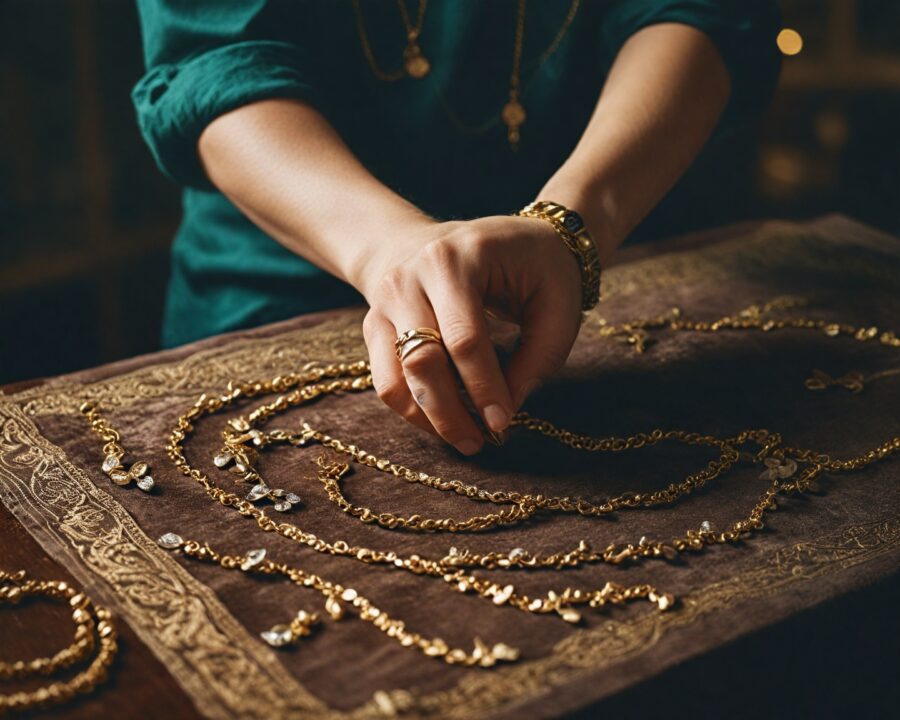
The art of jewelry making has been revered for centuries, a tradition that intricately weaves together craftsmanship and personal expression. Among its many techniques, gold-plating has gained popularity not only for its aesthetic appeal but also for its economic value. Gold-plated jewelry allows individuals to enjoy the luxurious appearance of gold without the steep price tag, making it accessible to a wider audience. With the right tools and knowledge, creating stunning gold-plated jewelry at home is within reach for enthusiasts and hobbyists alike.
While professional jewelers have long held the domain of gold-plating, advancements in technology and accessibility of materials have ushered in a new era for do-it-yourself projects. Home craft enthusiasts now have the opportunity to experiment with gold-plating, crafting unique and personalized pieces from the comfort of their own homes. This burgeoning interest in DIY jewelry making serves as a testament to the versatility and allure of gold-plating.
Embarking on the journey of creating gold-plated jewelry at home requires a solid understanding of the process and materials involved. It’s imperative to approach the craft with precision and care to achieve professional results. This guide provides a comprehensive overview, from understanding the basics of gold-plating to sourcing materials and troubleshooting common issues that may arise.
For those ready to delve into the world of DIY gold-plated jewelry, an exciting venture awaits. Spark your creativity, embrace the allure of gold, and transform ordinary pieces into extraordinary works of art with the guidance offered in this detailed how-to guide.
Introduction to Gold-Plating: Understanding the Basics
Gold-plating is a method of applying a thin layer of gold onto the surface of another metal. This is achieved through a chemical process known as electroplating, which involves transferring gold ions onto the surface of the base metal. The result is a beautiful piece that mimics the look of solid gold jewelry.
Key to understanding gold-plating is recognizing the advantages it provides. First and foremost, it allows for cost-effective creation of jewelry that possesses the appearance and feel of solid gold. This makes it an attractive option for those who wish to enjoy luxurious items without the significant expense. Moreover, gold-plated jewelry is generally more durable than gold-filled or vermeil jewelry, owing to its method of application.
The thickness of the gold layer can vary. For instance, standard gold-plating typically ranges from 0.5 to 2.5 microns, while flash plating is less than 0.175 microns. The thickness of the gold layer impacts both the durability and cost of the piece. Understanding these fundamentals is crucial for those embarking on gold-plating projects to ensure they achieve the desired quality and longevity of their jewelry.
Essential Tools and Materials for Gold-Plating at Home
To create stunning gold-plated jewelry, it’s essential to have the right tools and materials on hand. These will enable you to execute the electroplating process effectively and safely in a home setting. Here’s a breakdown of essential items you’ll need:
- Gold Plating Kit: This typically includes a power supply, leads, and anodes specific for gold-plating.
- Gold Plating Solution: This is a liquid containing dissolved gold ions required for the plating process.
- Base Metal Jewelry: These are the pieces you wish to plate, often made of silver, copper, or brass.
- Cleaning Supplies: Included are ultrasonic cleaners, buffing tools, and degreasing agents to prepare your pieces before plating.
Adequate preparation and setup prior to any plating activity is crucial. Arrange your workspace for ergonomics and safety, ensuring all necessary materials and tools are easily accessible. Additionally, you’ll need protective gear such as gloves and eyewear to safeguard against any chemical exposure.
For those new to gold-plating, sourcing a pre-assembled kit tailored for beginners can be highly beneficial. These kits provide all necessary components and often include detailed instructions to guide you through the plating process.
Safety Precautions When Working with Gold-Plating Chemicals
Handling chemicals necessitates strict adherence to safety protocols to prevent any adverse effects. Gold-plating involves using acids and cyanide solutions, which can pose health risks if mishandled. Understanding and implementing safety measures is non-negotiable for anyone undertaking this process.
Firstly, always work in a well-ventilated area. Adequate airflow reduces the risk of inhaling harmful fumes, thereby protecting your respiratory health. If possible, working outdoors or in a room equipped with an exhaust fan is recommended. Additionally, wearing protective gloves, aprons, and safety goggles is mandatory to protect skin and eyes from potential splashes and spills.
Secondly, ensure that you have access to a comprehensive first aid kit and familiarize yourself with the material safety data sheets (MSDS) for all chemicals used. These sheets provide crucial information on handling emergencies, such as chemical spills or exposure.
Proper disposal of chemicals is another vital aspect of safety. Always dispose of used solutions and chemical residues in accordance with local regulations. Improper disposal can cause environmental harm and legal issues. Consulting with local waste management authorities for specific guidelines ensures compliance and promotes sustainability.
Step-by-Step Process of Gold-Plating Jewelry
The gold-plating process involves several precise steps, each critical to achieving a flawless finish. Here’s a detailed guide to walk you through each phase:
Preparation
Begin by thoroughly cleaning your base metal jewelry. Use an ultrasonic cleaner to remove any dirt and oils that may interfere with the plating process. Follow this with a buffing routine using a soft cloth or a polishing wheel to create a smooth surface.
Activation
Next, immerse your piece in an activating solution. This helps to prepare the metal for successful adhesion of the gold layer during the plating phase. Spend a few minutes in this solution before proceeding to the next step.
Plating
Set up your gold-plating kit according to the manufacturer’s instructions. Connect the jewelry piece to the cathode and submerge it in the gold plating solution bath. With the power supply turned on, allow the current to deposit the gold layer evenly onto the jewelry piece. Depending on the desired thickness, this process can take several minutes to an hour.
Finishing
Once plating is complete, remove the jewelry piece and rinse it thoroughly in distilled water to remove any residual chemicals. Buff the jewelry piece again to enhance its shine and reveal a stunning gold-plated finish.
Adhering to these steps with precision ensures that your DIY jewelry not only looks appealing but also withstands the test of time.
Tips for Achieving a Professional Finish on Your Jewelry
Achieving a professional finish in gold-plating at home requires attention to detail and a few expert tips. These can transform your DIY efforts into showroom-quality results:
- Surface Preparation: The smoother the base metal, the better the plating will adhere. Take your time with initial cleaning and polishing for optimal results.
- Control the Current: Monitor the current setting on your gold-plating kit closely. An inaccurate electrical current can lead to uneven plating or poor adhesion.
- Multiple Platings: For a thicker layer of gold, consider multiple plating sessions. Allow each layer to adhere and dry before applying another.
Patience is key. Rushing any part of the process can compromise the finish and durability of the final product. Devoting the necessary time and care to each step ensures your jewelry echoes the quality of professionally manufactured items.
Common Mistakes to Avoid in DIY Gold-Plating
Even with a detailed guide, there are common pitfalls novices may encounter during gold-plating projects. Being proactive about these potential mistakes can save time and effort:
- Skipping Surface Preparation: A vital mistake is neglecting the initial cleaning process, leading to poor gold adhesion.
- Incorrect Solution Mix: Ensure the solution mix aligns with the composition proportion and recommendations per your kit instructions.
- Overplating: Trying to apply too thick a layer in one session can lead to flaking or uneven coverage.
Learning from these mistakes and understanding the intricacies involved contribute to a better final product and a more satisfying crafting experience.
How to Care for and Maintain Gold-Plated Jewelry
Maintaining the beauty of your gold-plated jewelry involves proper care and upkeep. With the right routine, you can preserve its luster and enjoy your pieces for a long time.
Cleaning should always be gentle. Use a mild soap solution and a soft cloth to wipe away dirt or oils. Avoid using anything abrasive, such as hard brushes or chemicals like ammonia or bleach, that may tarnish the gold layer.
Storage is equally important. Always store gold-plated items individually in a soft pouch or lined jewelry box to prevent scratches. Exposure to direct sunlight, heat, and humidity for prolonged periods should also be avoided.
Occasionally, you may need to have your jewelry replated, especially if the gold begins to fade or wear down. Replating restores the piece, maintaining its original appeal and ensuring that your artistry endures.
Creative Design Ideas for Gold-Plated Jewelry
The versatility of gold-plating opens up numerous design possibilities, from classic to contemporary styles. Here are a few creative ideas to inspire your next jewelry project:
- Mixed Metals: Combine gold-plating with silver or rose gold for pieces that boast a modern and sophisticated look.
- Textured Finishes: Experiment with textured gold finishes such as matte or brushed styles that add depth and visual interest.
- Gemstone Accents: Incorporate gemstones into your designs for a splash of color and added luxury.
Each of these ideas can be adapted to reflect personal tastes and trends, making your jewelry as unique as the individuals who wear them.
Troubleshooting Common Issues in Gold-Plating
Despite your best efforts, issues may arise during gold-plating. Here are some common problems and their solutions:
| Problem | Possible Cause | Solution | Prevention |
|---|---|---|---|
| Uneven Plating | Inconsistent electrical current | Adjust power settings | Maintain stable current throughout |
| Flaking | Excessive thickness or impurities | Re-clean and re-plate | Ensure proper cleaning pre-plating |
| Dull Finish | Improper polishing | Buff with a soft cloth | Use polish paste post-plating |
Regularly consulting these troubleshooting tips ensures smoother experiences and superior results in your gold-plating projects.
Exploring Different Types of Jewelry Suitable for Gold-Plating
Gold-plating can be applied to a wide array of jewelry styles, each with its unique charm and appeal. Here’s a look at common types and their suitability:
- Chains and Necklaces: Often serve as the centerpiece of gold-plating projects due to their visible impact.
- Rings and Bracelets: Offer versatility through varying design options suitable for both men and women.
- Earrings and Pendants: Benefit from intricate gold-plating detailing, enhancing visual appeal on smaller accessories.
These styles illustrate the breadth of possibilities that come with gold-plating, enabling creative and personalized expression.
Where to Source Quality Materials for Gold-Plating Projects
Finding reliable sources for gold-plating materials is essential to ensure the quality and durability of your creations. Here are some options to consider:
- Jeweler Supply Stores: These establishments offer a wide range of tools and solutions, often with professional advice.
- Online Marketplaces: Websites like Amazon or specialized platforms stock gold-plating kits and components.
- Local Workshops: Participate in jewelry-making workshops, which sometimes sell materials and provide hands-on guidance.
Selecting reputable suppliers not only assures material quality but enhances the overall success and satisfaction of your gold-plating projects.
FAQ
What type of base metal is best for gold-plating?
Brass, copper, and silver are the most suitable metals for gold-plating due to their good adherence qualities when it comes to bonding with gold.
How often should gold-plated jewelry be replated?
The frequency depends on wear and care. Typically, gold-plated jewelry should be replated every 12 to 18 months to maintain its appearance.
Can I gold-plate over non-metal materials?
No, the electroplating process requires a conductive material, so only metal items can be effectively gold-plated.
Is gold-plating at home cost-effective?
Yes, gold-plating at home can be more affordable than purchasing professional services, especially when plating multiple or frequently worn items.
How can I make my gold-plated finish last longer?
Avoid exposing your jewelry to chemicals, sweat, and vigorous activity. Proper storage and gentle cleaning also contribute to longevity.
Recap
In summary, creating stunning gold-plated jewelry at home is a gratifying process that, with the right tools and techniques, renders beautiful and durable pieces. Understanding the basics, following a detailed step-by-step process, and employing necessary care and maintenance tips are key. Additionally, creatively experimenting with design ideas and properly sourcing quality materials elevates the gold-plating experience to professional levels.
Conclusion
Gold-plating your own jewelry offers an enriching opportunity to explore creativity and craftsmanship. While it requires attention to detail and adherence to safety measures, the potential to create bespoke, luxurious pieces is well worth the effort. By following this comprehensive guide, hobbyists and jewelry enthusiasts can confidently navigate the world of DIY gold-plating with ease and expertise.
Whether for personal adornment or as handcrafted gifts, mastering gold-plating holds the promise of unlimited artistic expression and satisfaction. Embrace the allure and beauty of gold, and showcase your personal style through this exquisite jewelry-making technique.