
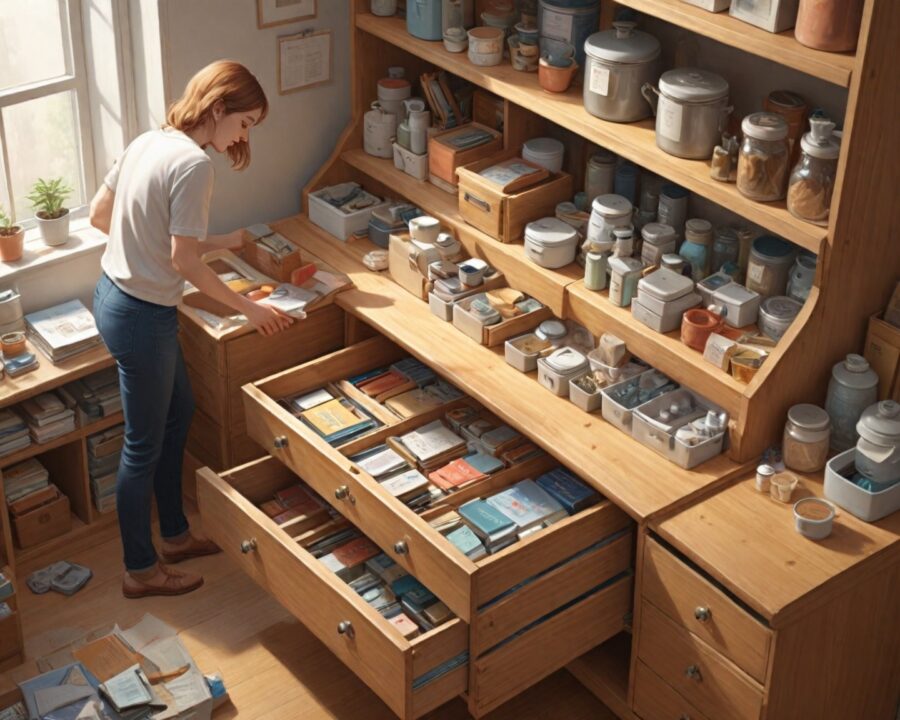
Introduction to Decluttering: Why It Matters
In an era where consumerism thrives and the accumulation of material possessions is the norm, decluttering has emerged as not only a trend but a necessity. The benefits of decluttering go beyond a clean living space—it’s an investment in mental well-being, productivity, and lifestyle quality. A clutter-free home reduces stress, increases focus, and helps in creating an environment conducive to relaxation and creativity. The growing awareness of minimalism underscores the principle that less is often more and emphasizes the joy and contentment of a simplified life.
Decluttering is not merely about tossing items into donation bins; it’s a thoughtful, intentional practice that helps us live more intentionally. If you’re overwhelmed by the state of your home and unsure where to start, tackling it room by room can make this daunting task more manageable. This guide is designed to help you declutter each area methodically and sustainably, ensuring long-term success in maintaining a clutter-free environment.
Preparing for a Decluttering Session: Tools and Mindset
Before diving into the physical act of decluttering, setting the right stage is crucial. Preparation extends beyond gathering materials; it involves cultivating a mindset that allows for efficient decision-making and emotional readiness. Start by identifying the purpose of your decluttering endeavor. Are you seeking a more organized space, or are you looking to transition to a more minimalist lifestyle? Clarifying these objectives can guide you through moments of indecision.
In terms of tools, basic supplies include sturdy trash bags for waste and items to donate, boxes for items you’re uncertain about, a label maker or notepad for categorizing items, and cleaning supplies for immediate area refreshment. These tools help streamline the process, allowing for swift categorization and disposal.
Developing the right mindset involves preparation for letting go of emotional attachment to items. A positive outlook is essential—approach each session with the understanding that you’re creating a space that supports your lifestyle and well-being. Play motivating music or set a timer to work in short, productive bursts. Make it a positive experience by celebrating small victories, such as an organized drawer or a visible floor, to build momentum.
How to Declutter Your Bedroom: Tips for a Restful Space
Bedrooms are sanctuaries for rest and intimacy, yet they often become repositories for random items. To reclaim tranquility, start by removing anything that doesn’t contribute to relaxation or rest. First, clear surfaces like nightstands and dressers. Analyze each item: Is it a deliberate addition to a calming environment, or is it a visual distraction? Keep only essential items like lamps, a clock, or a couple of personal mementos.
Next, tackle clothing and accessories. A clutter-free wardrobe starts by sorting clothes into categories: keep, donate, sell, and seasonal. Reevaluate pieces you haven’t worn over the past year or those that no longer fit your style. Consider adopting the capsule wardrobe concept to limit choices and reduce stress. To keep your closet organized, use matching hangers, drawer dividers, and clear bins for visibility.
Finally, create a bedtime sanctuary by focusing on your bed and surrounding area. Remove gadgets and devices that emit blue light, choose calming colors for bed linens, and incorporate thoughtful storage solutions like under-bed organizers for off-season items. A clean, organized bedroom not only improves sleep quality but also sets a positive tone for the beginning and end of each day.
Organizing Your Kitchen: Maximizing Functionality
The kitchen, often the heart of the home, can easily become a chaotic space as it accommodates cooking, socializing, and sometimes even working. The key to maximizing its functionality lies in strategic organization and accessibility. Begin by emptying all cabinets and drawers to take inventory of what you own. Separate items into categories: keep, discard, and donate.
Utilize a space plan that prioritizes frequently used items. Place pots, pans, and commonly used utensils within arm’s reach of the stove. Store items like spices and oils close to the cooking area, and ensure that dishes and silverware are near the dishwasher or sink for efficient unloading. Consider the use of lazy Susans or pull-out shelves to maximize corner storage efficiently and prevent items from being forgotten.
To maintain your streamlined kitchen, invest in uniform storage containers for foods and dry goods. Labeling these containers aids in easy identification and retrieval, maintaining an orderly pantry. Moreover, evaluate your refrigerator’s organization by positioning items with the first-in, first-out method, ensuring you use perishables well before their expiration dates. This thorough, methodical approach helps maintain a kitchen environment that is both functional and inviting.
Living Room Decluttering: Creating a Welcoming Space
Your living room serves as a central hub for relaxation and gatherings, making it essential for this space to be inviting yet unobtrusive. Start your decluttering process by streamlining what is visible. Evaluate knick-knacks, books, and decorative items. Apply the one-in, two-out rule: introduce a new piece only if two others leave, maintaining balance. Limit decorative pieces to a few that complement the room’s aesthetic.
Functional furniture that supports your lifestyle is key to an organized living room. Consider options like coffee tables with shelving or ottomans with hidden storage to keep remote controls, magazines, or gaming accessories concealed yet accessible. Position furniture to ensure a natural flow; items that hinder movement or dominate space should be reassessed for functionality and emotional value.
Entertainment centers are notorious clutter zones. Organize these areas by eliminating unnecessary electronic accessories, cables, or DVDs that can be replaced with digital versions. Utilize cord organizers and label them for easy differentiation and an untangled existence. Maintaining this space with regular tidying sessions ensures it remains a serene and welcoming environment for both family and guests.
Bathroom Organization: Keeping It Clean and Simple
Bathrooms, though small, house an array of items including toiletries, towels, and cleaning supplies, necessitating a keen eye for organization. Begin with a sweeping cleanout of your medicine cabinet, discarding expired medications or duplicated products. Limit personal care products to your favorites and essentials, transitioning other possessions to travel bags or donation piles.
Create zones for various items. Towels might fit best in a linen closet, while cosmetics belong in a drawer or vanity organizer. Invest in drawer organizers or tiered shelves to maximize vertical space in medicine cabinets or on countertops. Maintain order by assigning specific places for daily essentials, ensuring everything is easy to find in a hurry.
Storage is pivotal in bathrooms, particularly when space is a luxury. Magnetic strips can provide a place for grooming tools like nail clippers and tweezers, while over-the-door racks and under-sink organizers can house cleaning supplies and extra toiletries. This careful orchestration of bathroom elements promotes cleanliness and efficiency, making morning routines a breeze.
Decluttering Kids’ Rooms: Involving the Whole Family
Children’s rooms are where creativity and chaos meet, often resulting in an abundance of items vying for limited space. Involve the little ones in the decluttering process to instill a sense of ownership and responsibility. Begin with toys by sorting them into categories: keep, donate, or discard. Engage your children by asking them which toys they play with most and encouraging them to part with outgrown or broken items.
Next, tackle clothing. Children outgrow attire quickly, making it essential to regularly sort and pare down wardrobes. Use labeled bins or drawers to organize clothing by size and season, facilitating easy identification and access. Implement a rotation system for clothes that are on the verge of fitting smaller kids, keeping closets clutter-free.
Create dedicated zones for play, study, and rest. Use colorful bins, shelving, and under-bed storage to efficiently categorize items. Encourage daily routines where children put away items before bed, maintaining the organization you’ve established. By involving kids in the decluttering process, they learn valuable skills in maintaining their personal environment and adopting organizational habits early on.
Home Office Decluttering: Boosting Productivity
An organized workspace has a significant impact on productivity and focus. Begin clearing clutter by sorting through paperwork, tossing or digitally archiving what is no longer needed. Use vertical file holders and labeled folders to categorize remaining documents, ensuring easy access and retrieval. Consider a digital filing system to reduce paper usage and improve organizational efficiency.
Office supplies can easily overwhelm, so adopt minimalist principles by keeping only essentials within reach. Use drawer organizers to separate items like pens, sticky notes, and cables. Position tools like printers or shredders strategically to avoid obstructing work areas, yet ensuring accessibility. Cable management systems can reduce clutter and prevent frustrating entanglements.
Maintain a work-friendly atmosphere with minimalist decor that inspires without distracting. Limit desk surface items to essentials—computer, a notepad, and personal impacts like a photo or plant. Schedule weekly tidy sessions to ensure the workspace remains conducive to maximum productivity and less stress, supporting your professional endeavors effectively.
Garage and Storage Spaces: Tackling the Toughest Areas
Garages and storage spaces are often treated as catch-all areas, becoming graveyards for forgotten or rarely used items. The large-scale task of decluttering such spaces begins with strategic planning and a willingness to part with unneeded items. Emptying the space allows you to assess what you own. Use sturdy shelving units for storage bins, enabling you to organize items by category, such as holiday decorations, camping gear, or tools.
Implement the pegboard system for hand tools, ensuring they are visible and easily accessible. Invest in clear bins for see-through visibility, labeling them for seasonal gear, sports equipment, or miscellaneous household items that require storage. Consider donating underused items such as furniture, bicycles, or tools that have fallen into disuse.
Garages often suffer from overflow because of insufficient systems to manage items. Regular upkeep through seasonal evaluation and a staunch commitment to discarding or selling things can help. Creating a user-friendly system that easily accommodates items without compromising space is paramount to maintaining an organized appearance.
Maintaining a Clutter-Free Home: Habits and Routines
Achieving a clutter-free home is just the starting point; maintaining it requires building consistent habits and routines. Establish regular intervals for reviewing possessions, ensuring items are neither duplicities nor surplus to your current needs. As events and transitions occur, from holidays to seasonal changes, perform a mini-declutter to keep items from accumulating.
Adopt the habit of returning items to their rightful places immediately after use—this practice prevents clutter from amassing over time. Building family routines, such as nightly tidying sessions, can ensure that each member contributes to maintaining the organization established in shared areas.
Incorporate periodic evaluations into your calendar where each month focuses on a different room, helping you spot items that no longer fit lifestyle or space needs. This regime keeps clutter under control and prevents the accumulation of unwanted items, supporting a balanced, harmonious living environment.
Frequently Asked Questions
How do I get started with decluttering if I’m overwhelmed?
Starting with decluttering can be daunting, especially if your home is cluttered. Begin with a small area or singular task, such as a single drawer or a tabletop. This creates manageable stages, preventing overwhelm while allowing progress.
How often should I declutter my home?
Decluttering is an ongoing process rather than a one-time task. Schedule regular decluttering sessions annually or seasonally, with smaller touch-ups monthly to maintain a clutter-free space.
Should I sell, donate, or throw away unwanted items?
Decide based on the condition and value of the item. Sell items of value or brand-name, donate gently used items to charities, and dispose of broken or irreparable belongings ethically.
How can I motivate myself to declutter regularly?
Set realistic goals and reward yourself after completing tasks. Accountability partners, whether friends or family, can encourage adherence to deadlines. Transform decluttering into a fun activity by incorporating music or podcasts.
What’s the best way to declutter with minimal environmental impact?
Avoid landfill contribution by donating or recycling whenever possible. Opt for eco-friendly disposal, such as e-waste recycling for electronics, and engage in local swaps or sales for reusable items.
How can I make decluttering a habit?
Embed tidying up into your daily routine to form a habit. Consistency is key, so create small, repeatable tasks such as sorting mail every day, which over time results in a clutter-free environment.
What should I do with sentimental items?
Approaching sentimental items requires sensitivity. Allocate a designated space, such as a memory box, for these items to be cherished without overwhelming your space. Occasionally reassess this collection to determine its continued relevance and emotional value.
Recap
Decluttering your home effectively requires a strategic, room-by-room approach that both serves your immediate needs and ensures sustainability. Prioritize tools and mindset readiness, followed by room-specific strategies to eliminate excess and organize remaining essentials. Continuous maintenance and the development of habits are pivotal in maintaining a visually calming, stress-reducing environment. Approaching the task diligently, considering alternatives for item disposal, and engaging the family ensures an efficient, comprehensive decluttering process.
Conclusion
Decluttering your home, room by room, not only enhances your living space but positively affects your well-being. It offers a newfound clarity and focus in environments that support both productivity and relaxation. Moving towards a clutter-free lifestyle encourages intentional living and reduces stress, offering simplicity in a world filled with complexities.
The process is empowering and reflective, enabling you to connect with what truly holds value. As you embark on this journey, embrace the small victories and develop routines that keep your space ever welcoming, organized, and truly yours.