
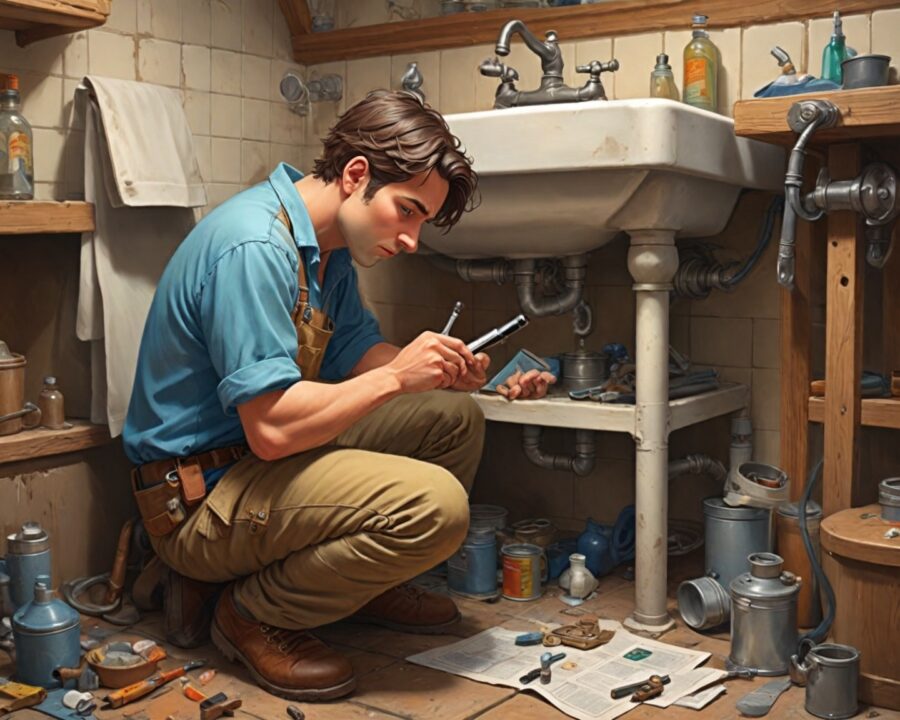
Dealing with plumbing issues in your home can be daunting, especially when the expertise of a professional plumber is required. However, not all plumbing problems necessitate calling in the pros. Many minor issues can be resolved with a bit of DIY knowledge, some essential tools, and a proactive approach. Tackling these problems yourself can save time and money and provide a sense of accomplishment and confidence in handling future challenges. This guide presents practical solutions and step-by-step instructions on addressing common minor plumbing issues at home.
In this comprehensive article, we delve into a broad range of common plumbing problems, from identifying leaks to unclogging drains, to help you become adept at solving them on your own. We’ll also explore the tools necessary for these repairs, tips for maintaining your plumbing system, and precautions to ensure safety during the repair process. Knowing when to call a professional for help is equally important, just as preventing future plumbing issues is vital for long-term system efficiency. Along the way, we’ll highlight common mistakes to avoid and provide valuable resources for expanding your plumbing knowledge.
Introduction to Common Plumbing Issues
Plumbing issues are a common challenge faced by homeowners worldwide. Although many problems can look overwhelming, understanding their nature can demystify the repair process. Recognizing the problem is the first step to finding an effective solution. Common plumbing issues include leaks, clogged drains, running toilets, and low water pressure. Each of these issues, while minor, can escalate if not quickly addressed.
Leaks, for instance, may appear insignificant at first but can lead to more substantial problems like water damage or mold growth if ignored. Similarly, clogged drains are a prevalent issue, often resulting from a buildup of hair, soap residue, or food waste. Running toilets are another frequent concern, typically caused by worn-out flappers or faulty fill valves. These issues, though minor, can lead to wasted water and increased utility costs.
Furthermore, low water pressure could result from sediment buildup in the pipes or a faulty pressure regulator. Tackling these issues with a DIY approach not only helps maintain your home’s plumbing but also enhances your understanding of it. Getting acquainted with these common plumbing issues is the foundation for more in-depth problem-solving.
Essential Tools for DIY Plumbing Repairs
Before tackling any plumbing repair, it’s crucial to have the right tools on hand. While not exhaustive, some essential tools can address many common plumbing challenges and serve as the foundation of your DIY plumbing kit.
First, every DIY plumber should have a set of adjustable wrenches. They are invaluable for loosening and tightening various pipe fittings. Pipe and basin wrenches, specifically designed for working in the tight spaces beneath sinks, are also must-haves. Plungers are vital for clearing simple clogs from toilets and can be used for drains too.
Next, a plumber’s snake or auger can help tackle tougher drain blockages beyond the reach of a plunger. They’re particularly useful for navigating long, winding pipes and removing stubborn obstructions. Additionally, Teflon tape, also known as plumber’s tape, is crucial for sealing pipe threads and preventing leaks at connection points.
Essential tools also comprise slip-joint pliers, useful for numerous plumbing tasks, from tightening nuts to holding pipes steady while you work. For more advanced repairs, owning a pipe cutter can be handy, allowing for precise cutting of copper or plastic pipes to size. These tools provide a solid foundation to address common plumbing issues effectively.
| Tool Name | Function |
|---|---|
| Adjustable Wrench | Tighten/loosen pipe fittings |
| Plumber’s Snake | Remove stubborn drain clogs |
| Plunger | Unclog toilets and drains |
| Pipe Wrench | Turn threaded pipe and fittings |
| Teflon Tape | Seal pipe threads to prevent leaks |
How to Identify and Fix Minor Leaks
Detecting leaks early can save a great deal of water waste and prevent further damage. Small leaks are common in plumbing systems and often occur in areas like sink faucets, toilets, and exposed pipes. Learning to identify these leaks involves being vigilant and sometimes a bit of detective work.
To locate a leak, start by checking your water meter. Note the reading and refrain from using any water in your home for about an hour. Check the meter again; an increase indicates a potential leak somewhere in the system. Common signs of leaks include damp spots on walls, ceilings, or floors and unusually high water bills.
Fixing a leak varies depending on its location and severity. For a leaky faucet, replace worn washers or O-rings to ensure a snug, water-tight fit. For pipes, start by turning off the water supply and using pipe repair clamps or replacing damaged pipe sections. Leaks around showerheads can often be fixed by using Teflon tape to secure loose fittings. Practice proper sealing and installation techniques to avoid repeated leaks.
Step-by-Step Guide to Unclogging Drains
Clogged drains are not only inconvenient but can also become significant problems if left untreated. While commercially available chemical drain cleaners provide a quick solution, they can damage pipes over time. Instead, following a step-by-step, environmentally-friendly method can restore smooth drainage without harsh chemicals.
Begin by using a plunger for minor clogs, creating a tight seal over the drain and plunging up and down vigorously to dislodge the obstruction. If the plunger doesn’t work, a plumber’s snake can be inserted into the drain opening, rotating it to catch and remove the clog.
For stubborn blockages, remove the sink trap, typically a U-shaped pipe section, and manually remove the debris obstructing water flow. Reassemble the trap and test the drain functionality. An alternative method is to create a natural drain cleaner using baking soda and vinegar. Pour a cup of baking soda into the blocked drain, followed by a cup of vinegar. The fizzing reaction can dissolve certain types of buildup, followed by rinsing with boiling water to flush away remnants.
Regular maintenance, such as using drain strainers to prevent debris accumulation and pouring boiling water down the drain weekly, can help prevent future clogs.
Tips for Maintaining Your Plumbing System
Regular maintenance is crucial in extending the life of your plumbing system, reducing the likelihood of emergencies, and promoting water efficiency. Simple habits and periodic checks can help prevent common plumbing issues from becoming costly repairs.
First, regularly inspect exposed pipes and fixtures for signs of wear, leaks, or damage. Early detection of problems allows for prompt intervention, potentially saving significant costs down the line. Monitor water pressure with an inexpensive gauge; pressure levels that are too high can stress your plumbing system.
Keep drains clear by being conscientious about what goes down them. Use sink strainers to catch food and hair, and avoid pouring grease or oil down the sink as they can solidify and cause clogs. Each month, pour a mixture of vinegar and baking soda down the drains to help dissolve minor buildups.
Moreover, ensure all household members know the location of the main water shut-offs. If a major leak occurs, shutting off the water supply can minimize damage until repairs can be made. Finally, have your water heater inspected annually to ensure it operates efficiently.
When to Call a Professional Plumber
Though many plumbing issues can be addressed independently, certain situations demand professional expertise. Understanding when to call a professional is crucial for your safety and the integrity of your plumbing system.
Complex problems, such as those involving the main sewer line or water heater repairs, should be left to professionals. These systems are intricate, and improper repairs can lead to extensive property damage, not to mention health and safety risks. Similarly, if you experience recurring plumbing problems, despite attempts to fix them, it’s advisable to consult an expert.
Moreover, if you notice water pooling under your home or in your yard, this could indicate a significant underground pipe problem. Unresolved, it can undermine foundations or lead to other structural issues. Professional plumbers have specialized tools and knowledge to diagnose and fix these substantial issues efficiently.
Trust your instincts—if a plumbing issue seems beyond your skills, calling a licensed plumber can prevent further complications while providing peace of mind.
How to Prevent Future Plumbing Problems
Preventing plumbing issues before they arise is the best strategy for a hassle-free home. Proactive measures can keep your plumbing system in optimal condition and spare you from costly repairs.
Regular maintenance, including seasonal inspections of piping systems, is vital. Prevent frozen pipes during colder months by insulating exposed pipes and allowing faucets to drip slightly during freezing temperatures to prevent pressure buildup.
Adopt water conservation practices, such as installing low-flow fixtures and avoiding excessive force on faucets and handle mechanisms, prolonging the lifespan of your fixtures.
Educate your family on plumbing-friendly habits, such as not flushing anything other than toilet paper and human waste, to prevent toilet blockages. Routinely check for any leaks and repair them immediately. They only worsen over time if left unaddressed, leading to more significant water wastage and potential mold issues.
Incorporate these preventive measures into your routine to maintain a healthy plumbing system, reducing the frequency of inevitable issues and saving on future repair costs.
Common Mistakes to Avoid in DIY Plumbing
While DIY plumbing can be cost-effective, certain common mistakes can lead to larger problems if not avoided. Learning from these missteps can enhance the success of your work and prevent unnecessary complications.
One frequent error is over-tightening connections, which can damage fittings and pipes. Hand-tightening is usually sufficient in most cases, with tools used sparingly to avoid cranking beyond necessary tension. Another mistake is neglecting to turn off the water before starting repairs, which can lead to unwanted flooding.
Additionally, improper use of chemical drain cleaners can damage pipes, especially in homes with older plumbing systems. These chemicals should be used sparingly and never in combination with other chemicals to prevent hazardous reactions.
Failing to have the correct parts or tools on hand often leads to improvising with inadequate substitutes, leading to leaks or ineffective repairs. Taking the time to research and prepare thoroughly before beginning any DIY repair will save time and reduce frustration in the long run.
Safety Precautions for Plumbing Repairs
Safety should always be a priority when undertaking any plumbing repair. While many plumbing tasks are safe to perform, it’s essential to be aware of potential hazards and how to mitigate them.
Before starting any repair, ensure the water supply is turned off to avoid unintentional flooding. Wearing protective gear, such as gloves and safety goggles, can safeguard against exposure to harmful substances like sewage or chemicals. Proper ventilation is crucial when working with chemical solvents or cleaning agents to prevent inhalation of harmful fumes.
Be mindful of electrical hazards, particularly when working in wet areas like bathrooms and kitchens. Avoid contact with electrical outlets or appliances during plumbing repairs. If a repair involves working near an electrical source, employ a knowledgeable professional to prevent accidents.
Always have a first-aid kit and a fire extinguisher nearby, as even careful work can result in minor injuries. Understanding these safety precautions ensures that plumbing repairs can be conducted confidently and safely.
Resources for Learning More About Plumbing
For those looking to deepen their understanding of plumbing, numerous resources are available. These can extend your knowledge base beyond basic DIY troubleshooting to more advanced plumbing practices.
Online platforms like YouTube offer detailed video tutorials on various plumbing repairs, which can be invaluable for visual learners. Websites such as the Family Handyman provide accessible articles and project guides covering a wide range of topics from simple fixes to comprehensive installations.
Local community colleges often offer adult education courses in plumbing that cover both theoretical knowledge and practical skills. Joining forums and online communities dedicated to DIY plumbing can also be beneficial, allowing you to engage with other enthusiasts, ask questions, and share your experiences.
Books remain an excellent resource; titles like “Plumbing Complete” by R. Dodge Woodson provide comprehensive guides to home plumbing. Using these resources will expand your expertise, making you more self-sufficient in managing your home’s plumbing system.
FAQ
How often should I inspect my plumbing system?
It’s advisable to inspect your plumbing system twice a year. Focus on checking for leaks, corrosion, water pressure, and ensuring fixtures are functioning properly.
What can I do to prevent clogs in my drains?
Use drain strainers to catch hair and food particles, and avoid pouring oil or grease down the sink. Regularly clean drains with a mixture of baking soda and vinegar.
Can I fix a leaky faucet myself?
Yes, leaky faucets are often easy to fix by replacing the washer or O-ring. Ensure the water supply is turned off, and follow the manufacturer’s instructions for dismantling and reassembling the faucet.
Is it safe to use chemical drain cleaners?
Chemical drain cleaners can be effective but may damage pipes if overused. Opt for natural alternatives or mechanical methods like plungers or plumber’s snakes for regular maintenance.
When is it necessary to replace plumbing pipes?
Depending on the material, pipes may need replacement within 20-50 years. Replace them if you notice persistent leaks, corrosion, or significantly decreased water quality.
What do I do if my toilet is constantly running?
A constant running toilet is usually caused by a faulty flapper or flapper chain that needs adjustment. If unresolved, check the fill valve mechanism.
What is the best material for plumbing pipes?
The choice depends on your application; copper pipes are durable and commonly used, while PEX pipes offer easy installation and flexibility. Consult with a plumber for specific recommendations for your home.
How do I know if a plumbing issue is beyond my DIY skills?
If you encounter tasks involving complex systems like sewer lines or water heaters, or if the problem persists despite your efforts, it’s best to consult a professional.
Recap
This article provides a comprehensive overview of how to manage minor plumbing issues at home. From the identification of common plumbing problems to essential tools for repairs and step-by-step guides, this guide is a valuable resource for the budding DIY plumber. It covers methods of maintaining your plumbing, recognizing when professional help is needed, and preventing future issues. The importance of avoiding common mistakes and observing safety precautions is also stressed. We highlighted resources for further learning to support your plumbing journey.
Conclusion
Tackling minor plumbing issues at home can be a rewarding experience that saves money and empowers homeowners. While many repairs are feasible with basic tools and knowledge, always recognize your limits and the benefits of professional expertise when necessary. Proper maintenance and preventative measures are invaluable in keeping your plumbing system running smoothly and efficiently, reducing the possibility of future interruptions or costly repairs.
Ultimately, becoming a savvy DIY plumber requires curiosity, patience, and practice. By understanding the fundamentals laid out in this guide and continuing to build upon this knowledge, you can take control of your home’s plumbing needs with confidence. Empowered with the right information and tools, you stand prepared to address most minor plumbing challenges that come your way.