
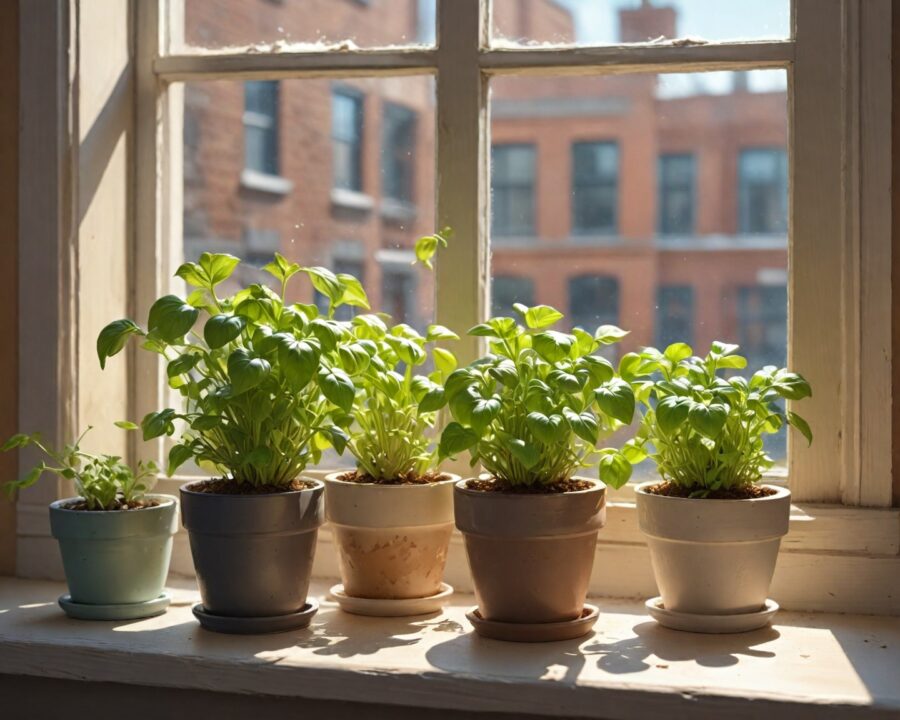
Growing basil indoors from seeds offers garden enthusiasts and culinary aficionados alike a satisfying project that brings the lush aroma and taste of fresh basil into your home year-round. Whether you’re limited by outdoor space or simply want to enjoy the convenience of fresh herbs at arm’s reach, cultivating basil indoors is a practical and rewarding endeavor. Typically associated with warm, sunny climates, basil is remarkably adaptable to indoor conditions when provided with the right care and environment. This guide will walk you through each stage of the growing process — from seed selection and planting to care and harvesting — to ensure a bountiful indoor garden.
Growing your own basil not only guarantees a steady supply of this versatile herb, but it also allows you to gain a deeper understanding of how plants grow and thrive. It’s a journey filled with the fresh scent of potential as you tend to your budding plants. Opting to grow basil from seed rather than purchasing mature plants from a store presents additional benefits, including the ability to choose from a wider variety of basil types, ensuring they are organic and free from pesticides, and witnessing the miracle of growth from the very beginning.
Benefits of Growing Basil from Seed
Growing basil from seed indoors offers several advantages over simply buying mature plants. One of the primary benefits is the vast selection of basil varieties you can experiment with. Unlike purchasing a plant from a nursery, growing from seed allows you to choose from a range of basil types that vary in flavor, scent, and appearance, giving you more control over your garden and culinary choices.
When you grow basil from seed, you also have the assurance of knowing the exact conditions and treatments your plants have received. If you’re seeking to cultivate organic basil, starting from seed means you can avoid chemical treatments and fertilizers commonly used in commercial farming. This provides the satisfaction of knowing that your basil is as natural as possible, enhancing both its flavor and nutritional quality.
Starting from seed can be more economical than buying fully-grown plants. A packet of seeds is generally far less expensive and can yield numerous plants, making it an affordable option for those who wish to grow basil on a larger scale or consecutively throughout the year. It also allows new growers to experiment and learn without considerable financial risk, building their gardening skills along the way.
Choosing the Right Basil Variety for Indoor Growth
Selecting the right variety of basil for indoor gardening is crucial to ensure successful growth and a bountiful harvest. With numerous basil cultivars available, each with unique characteristics, it’s important to consider factors like size, flavor, and growth habit to make the best choice for your indoor space.
Many gardeners favor Genovese basil for its classic sweet flavor and large leaves, making it ideal for culinary uses. It’s a popular choice for growing indoors due to its manageable size and vigorous growth. Other great options include Thai basil, which offers a more anise-like flavor, and bush basil, which is more compact and perfect for small spaces.
Consider the space available for your indoor garden when choosing a variety. Columnar bambo leaves basil, for instance, grows tall rather than wide, making it a good choice for tight spaces where you can utilize vertical room more. Assessing your space and the intended culinary uses for your basil can help you select the best variety for your indoor setup.
Essential Supplies for Starting Basil Seeds Indoors
Setting up your indoor basil garden begins with gathering the right supplies. While basil isn’t exceptionally demanding, specific tools and materials are essential to facilitate successful growth from seeds. Below is a list of essential supplies to consider:
- Seed trays or small pots: Choose shallow trays or pots with good drainage to prevent waterlogging, which is crucial for healthy seed germination.
- Potting soil: Use a high-quality potting mix that retains moisture well yet drains effectively. Look for a soil mix with added perlite or vermiculite to keep the soil light and airy.
- Seeds: Purchase fresh basil seeds from a reputable supplier, ensuring they are viable and suitable for indoor growth.
- Labels or markers: Use these to keep track of different basil varieties you might plant.
- Spray bottle or gentle watering can: This is ideal for maintaining the right level of moisture without disturbing the seeds.
- Plastic wrap or a humidity dome: These help create a mini greenhouse effect, retaining warmth and moisture to encourage seed germination.
- Grow lights: As basil is a sun-loving plant, grow lights will ensure it receives ample light if your indoor space lacks natural sunlight.
Having assembled these supplies, you’ll be equipped to create an ideal environment for your basil seeds to thrive.
Step-by-Step Process for Planting Basil Seeds
Planting basil seeds indoors is a straightforward process when you’re prepared with the right materials and follow the steps methodically. Here’s a step-by-step guide to get your basil garden started:
-
Prepare Your Containers: Fill your seed trays or pots with potting soil, leaving a small gap at the top to accommodate watering. Lightly moisten the soil with a spray bottle.
-
Sow the Seeds: Scatter the basil seeds over the moistened soil. Aim to sow them thinly, as overcrowding can hinder growth. For larger varieties, you may wish to plant three seeds together, spacing clusters about 2 inches apart.
-
Cover the Seeds: Lightly dust the seeds with a thin layer of soil or vermiculite. This layer should be just enough to secure the seeds without burying them too deeply, as they require some light to germinate.
-
Create a Humid Environment: Cover the trays with plastic wrap or a humidity dome to retain moisture and warmth. Position the trays in a warm location around 70°F to 75°F (21°C to 24°C) to encourage germination.
-
Monitor and Water: Check your seeds daily. Use a spray bottle to mist the soil lightly if it begins to dry out. Avoid overwatering, as too much water can lead to fungal issues or seed rot.
-
Remove Coverings: Once seedlings emerge, typically within 7 to 14 days, remove the coverings to allow for air circulation and prevent mold growth.
Following these steps will establish the groundwork for a thriving indoor basil garden. Patience and attentive care during this early stage set the stage for robust future growth.
Optimal Light and Temperature Conditions for Basil
Basil requires specific light and temperature conditions to grow successfully indoors. As a warm-weather plant, basil prefers an environment that mimics its natural habitat. Understanding these needs will help you create an optimal growth environment indoors.
-
Light: Basil needs plenty of light, ideally around 6 to 8 hours of direct sunlight per day. If natural light is insufficient, use full-spectrum grow lights positioned about 2 to 4 inches above the plants. Adjust the height as the basil grows to ensure they receive ample light without causing heat stress.
-
Temperature: Maintaining a consistent temperature between 70°F and 75°F (21°C to 24°C) during the day and not dropping below 50°F (10°C) at night is crucial for healthy growth. Basil is sensitive to cold and drafts, which can stunt growth or even kill the plant.
-
Humidity: Average household humidity levels are generally adequate for basil, though slightly higher humidity (around 40-60%) can be beneficial. Avoid placing plants near heating vents or air conditioners, which can create unfavorable dry conditions.
Utilizing artificial lighting strategically can compensate for less than ideal natural light and helps to keep the growth of basil consistent throughout different seasons.
Watering and Fertilizing Indoor Basil Plants
Proper watering and fertilizing are key to maintaining healthy basil plants. Understanding the plant’s moisture and nutrient requirements can mean the difference between a thriving indoor garden and a struggling one.
-
Watering: Basil prefers soil that is consistently moist but well-drained. Water the plants deeply whenever the top inch of soil feels dry to the touch. It’s better to underwater slightly than to overwater, as soggy conditions can lead to root rot. Use room-temperature water to avoid shocking the plants.
-
Fertilizing: Fertilizer should complement the basil’s growth without overwhelming it. During the growing season, apply a balanced water-soluble fertilizer (such as 10-10-10) every four to six weeks, reducing frequency during slower growth phases in cooler months.
To prevent fertilizer burn, it’s essential to dilate the concentration to about 50% of the package recommendation. Monitor plant growth and adjust feeding as necessary to promote healthy leaf production without encouraging excessive leafiness at the expense of flavor.
Common Problems and How to Solve Them
While basil is a relatively easy herb to grow indoors, a few common issues can arise, challenging gardeners. Recognizing these problems early can save your plants from extensive damage.
-
Pests: Common indoor pests that target basil include aphids, whiteflies, and spider mites. Use insecticidal soap or neem oil spray to treat infestations. It’s also essential to inspect new plants thoroughly before bringing them indoors to prevent pest introduction.
-
Diseases: Fungal diseases such as downy mildew can be problematic, especially if humidity is too high. Ensure adequate air circulation around plants and water the soil directly to keep leaves dry.
-
Leggy Growth: Insufficient lighting can lead to leggy plants with weak stems. Ensure your basil receives enough light by adjusting placement or using supplemental grow lights.
-
Yellowing Leaves: This can signal several issues, including overwatering, nutrient deficiencies, or even temperature stress. Evaluate your care practices and environmental conditions to correct the issue.
By staying vigilant and adjusting care practices promptly, most basil-related problems can be managed effectively, allowing your plants to thrive indoors.
Harvesting Basil Leaves for Maximum Yield
Harvesting basil properly not only helps you enjoy its fresh flavor but also promotes healthier plant growth and improved yield. Here’s how to make the most of your basil harvest:
-
Timing: Harvest leaves once the plant reaches about 6 to 8 inches in height. Begin by plucking the larger leaves and leaving smaller ones to mature.
-
Techniques: Use sharp scissors or garden shears to cut leaves just above a pair of leaves or nodes to encourage branching. This method boosts the plant’s capacity to produce a bushier growth and more leaves.
-
Frequency: Regular harvesting, every few weeks, prevents the plant from bolting and flowering, which can turn the taste bitter. During peak growing season, harvesting about one-third of the plant is ideal.
Proper harvesting maximizes yield and keeps your basil plants healthy, making them an ongoing source of fresh flavor for your kitchen.
Tips for Maintaining Healthy Basil Plants Year-Round
Maintaining healthy basil plants requires attention to their living environment and consistent care. Here are tips to ensure pervasive health throughout the year:
-
Adjust for Seasons: As daylight hours change, shift plants closer to windows or adjust grow light schedules to mimic longer sun exposure during off-peak months.
-
Rotate Plants: Periodically rotate pots to ensure uniform growth, preventing plants from reaching unevenly towards the light source.
-
Monitor for Stress: Keep an eye on signs of stress such as discolored leaves or stunted growth. Adjust watering schedules and ensure temperature stability to alleviate stress.
-
Prune Regularly: Regular pruning encourages healthy growth and helps prevent disease by maintaining good air circulation.
-
Transplant if Necessary: If plants outgrow their containers, transplant them into larger pots to provide adequate room for root expansion.
Following these maintenance tips can ensure robust and productive basil plants that provide year-round satisfaction and flavor.
FAQ
Can basil grow indoors all year round?
Yes, with the right conditions, basil can be grown indoors throughout the year. Maintaining adequate lighting, temperature, and humidity are key to ensuring continuous growth.
What is the best indoor light arrangement for basil?
Using full-spectrum grow lights that provide 6 to 8 hours of light per day is optimal if natural sunlight is insufficient. These lights replicate the sun’s spectrum and help in strong, healthy plant development.
How often should I water my indoor basil plants?
Water basil when the top inch of soil feels dry. Avoid letting the plants completely dry out but refrain from waterlogging the soil, which can lead to root rot.
Which basil variety is best for cooking?
Genovese basil is highly favored for its classic sweet flavor, making it a popular choice for culinary uses such as in pesto or Italian dishes.
How can I ensure my basil plants do not become leggy?
Ensure they receive ample light, either through positioning near a sunny window or using grow lights. Leggy growth is typically due to insufficient lighting.
Are there any specific pests I should watch out for?
Common pests that may affect indoor basil include aphids, spider mites, and whiteflies. Regular inspection and using natural pest control methods can maintain plant health.
Is it necessary to fertilize basil grown indoors?
Yes, to support vigorous growth, especially during the growing season. Use a balanced water-soluble fertilizer diluted to half the suggested concentration every few weeks.
Recap of Main Points
To successfully grow basil indoors from seed, select a suitable variety and ensure you have the necessary supplies and correct planting techniques. Maintaining optimal light, temperature, and humidity conditions are crucial, as is a careful regimen of watering and fertilizing. Address common problems quickly to prevent any significant issues. Frequent and correct harvesting encourages ongoing plant health and productivity, and adhering to maintenance tips helps ensure your basil continues to thrive throughout the year.
Conclusion
Indoor basil gardening is a fulfilling hobby that can provide fresh, aromatic herbs straight to your kitchen regardless of the season. Growing basil from seed not only offers an opportunity to explore various plant varieties but also ensures a purely natural approach to herb gardening. By focusing on the crucial elements of lighting, temperature, and adequate care, you can support strong plant growth and a bountiful harvest.
Creating an indoor environment where basil thrives requires some initial setup and ongoing attention, but the results are rewarding. The convenience of fresh basil, coupled with the pleasure of watching your plants flourish, makes indoor basil gardening a delightful endeavor for both novice and experienced gardeners alike. With patience and the proper guidance outlined in this guide, you’ll enjoy the satisfaction of a thriving indoor herb garden for seasons to come.