
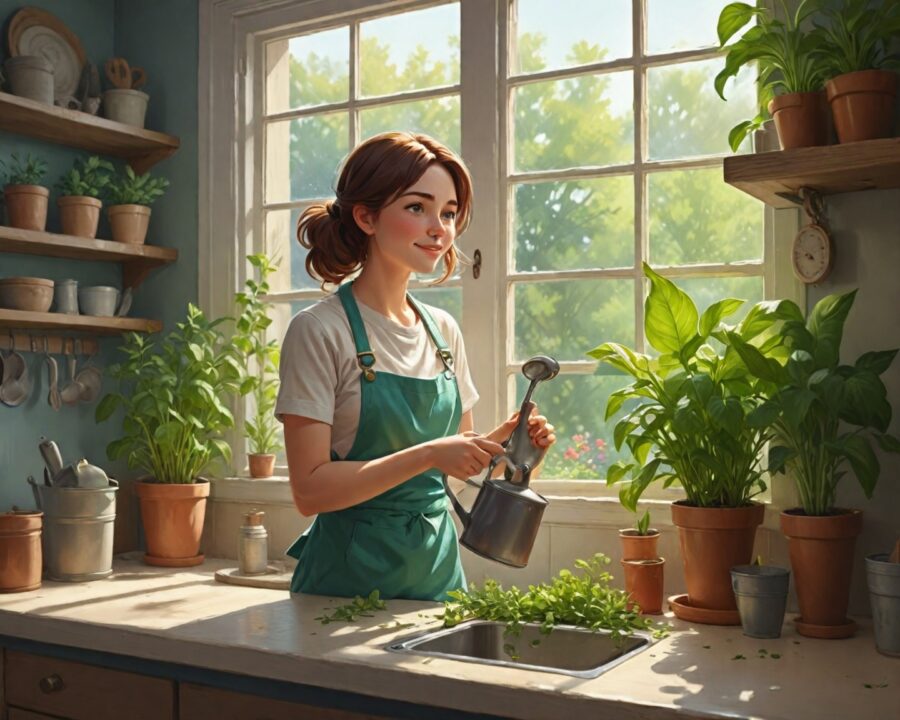
Growing herbs indoors provides a unique and rewarding opportunity to maintain a fresh supply of culinary and medicinal plants year-round. Many who embark on this journey find it can transform their living spaces into vibrant and aromatic retreats. Indoor herb gardening offers not only the chance to enjoy fresh flavors at your fingertips but also a striking way to learn more about sustainable living, connecting with nature in an urban environment, and enhancing your health through the use of freshly harvested plants.
As our living spaces become more compact, the appeal of indoor gardening continues to rise. Not only can you save space by utilizing window sills and shelves, but growing your herbs indoors also allows you to enjoy the benefits of gardening even if you don’t have access to outdoor space. In this guide, we’ll delve into the essentials of indoor herb gardening, offer tips for choosing the right herbs, and provide a comprehensive overview of the tools, care practices, and techniques that ensure a flourishing home garden. Whether you’re a seasoned gardener looking to extend your planting into the colder seasons or a beginner wanting to explore the green-thumb lifestyle, this guide will help set you on the path to success.
Introduction to Indoor Herb Gardening
Transitioning from traditional outdoor gardening to indoor settings requires some adaptations, but the core principles remain the same. Your indoor garden, while compact, can be just as productive and lush as an outdoor one. The primary goal is to recreate the conditions that help plants thrive naturally—light, water, nutrients, and air circulation.
Indoor herb gardens are ideal for beginners due to their manageable size and relatively low maintenance. Many herbs are hardy and can survive in less than ideal conditions, making them forgiving subjects for novice gardeners. Furthermore, herbs grow quickly, offering fast results and the opportunity to harvest regularly, which can be very satisfying and motivational.
The beauty of indoor herb gardening is its versatility. You can cultivate a small selection of culinary herbs for your kitchen countertop or create an elaborate and decorative display in your living room. With the right knowledge and tools, the possibilities for customizing your indoor garden to meet your needs are endless.
Benefits of Growing Herbs Indoors Year-Round
There are numerous advantages to maintaining an indoor herb garden. First and foremost, convenience is a significant factor. With fresh herbs on hand, you can swiftly enhance your cooking without the need for last-minute trips to the grocery store. This accessibility encourages more adventurous cooking and healthier eating habits by incorporating fresh ingredients into your meals regularly.
Growing herbs indoors also provides multiple health and wellness benefits. Many herbs have medicinal properties; basil, for instance, is known for its anti-inflammatory benefits, while mint can aid digestion. By having a ready supply of these plants, you can begin to explore home remedies and natural treatments effortlessly.
Furthermore, indoor herb gardening contributes to improved indoor air quality. Plants are known for their ability to purify the air and boost oxygen levels. Having herbs indoors not only adds freshness to your environment but can significantly enhance the overall atmosphere, promoting relaxation and mental well-being.
Choosing the Best Herbs for Indoor Growth
When selecting herbs for your indoor garden, consider factors such as ease of cultivation, space requirements, and their ability to thrive indoors. Some herbs are particularly suited for indoor environments due to their size and growing conditions.
Several popular choices include:
- Basil: A fast-growing herb great for culinary use, requiring plenty of sunlight.
- Mint: Known for its vigorous growth and pleasant aroma, though it can be invasive if not contained.
- Chives: Ideal for small spaces, needing minimal sunlight and maintenance.
- Parsley: Versatile and forgiving, it does well even with fluctuating light conditions.
Choose herbs based on your culinary preferences. If you enjoy Italian cooking, basil and oregano might be useful. For Asian dishes, consider lemongrass or coriander. By cultivating herbs tailored to your cooking style, you allow your kitchen garden to integrate seamlessly with your daily life.
Understanding the specific needs of each type of herb is crucial. Factors such as light intake, water needs, and temperature thresholds will vary. Therefore, thoroughly research the growth habits of each herb you select to ensure compatibility with the conditions you can provide.
Essential Tools and Supplies for Indoor Herb Gardening
Starting an indoor herb garden is relatively basic in terms of the equipment and materials needed. Here’s a list of the essentials to get you started:
- Containers: Depending on the herbs, you might need various sizes. Pots with drainage holes are crucial to prevent waterlogging.
- Potting Mix: Use a high-quality potting mix that retains moisture while allowing adequate drainage.
- Lighting: If natural sunlight is insufficient, consider LED grow lights, which simulate the spectrum necessary for photosynthesis.
- Watering Can: A small, narrow-spouted watering can will help you water your plants gently and accurately.
- Fertilizer: Select a balanced, water-soluble fertilizer to nourish your plants every few weeks.
- Trimming Scissors: Specialized scissors allow you to prune and harvest herbs without damaging them.
The choice of containers is particularly important. Ensure your pots are appropriate for the size of the plant and provide enough space for roots to expand. Self-watering pots can also be a wise investment, simplifying the watering routine, especially for beginners.
How to Create the Ideal Indoor Environment for Herbs
Creating an indoor environment conducive to herbal growth involves careful consideration of light, temperature, humidity, and air circulation.
Light
Most herbs require between 6-8 hours of sunlight daily. Place plants near south or southwest-facing windows if possible. If natural light is limited, supplement with artificial lighting such as LED grow lights, which should be positioned 12 inches above the plants.
Temperature and Humidity
Herbs generally thrive in temperatures between 65-75°F during the day and slightly cooler at night. It is essential to maintain consistent conditions, as fluctuations can stress plants. Most herbs also prefer moderate humidity levels; using a humidifier can help if your home is dry, especially in winter.
Air Circulation
Good airflow prevents the buildup of excess moisture that can lead to fungal diseases. Ensure there is some circulation around your plants, either by opening windows periodically or using a fan on a low setting to enhance air movement.
Step-by-Step Guide to Planting and Caring for Indoor Herbs
Starting your indoor herb garden can be simple with this step-by-step approach:
- Select Your Herbs: Choose a variety of herbs based on your preference and the conditions you can provide.
- Prepare Containers: Ensure each pot has adequate drainage and fill it with a high-quality potting mix.
- Plant the Seeds or Seedlings: Follow the package instructions for planting depth and spacing.
- Watering: Water sparingly but consistently. Wait until the top inch of soil is dry before watering again.
- Light Management: Position the plants to receive sufficient sunlight or adjust grow lights as necessary.
- Fertilizing: Use fertilizer sparingly; an application every 4-6 weeks should suffice.
- Pruning and Harvesting: Regularly prune your plants to encourage growth and avoid them becoming leggy or sparse.
Care Tips
- Avoid overwatering your herbs, which can lead to root rot.
- Monitor your herbs for signs of distress, such as yellowing leaves or stunted growth, and adjust care accordingly.
- Rotate potted herbs every few days to ensure even growth.
Common Challenges and How to Overcome Them
Despite their relative ease of maintenance, indoor herb gardens can face several challenges:
Insufficient Light
Symptoms like leggy growth suggest inadequate lighting. Consider relocating plants to brighter areas or investing in supplemental lighting solutions.
Overwatering
Signs of overwatering include wilting leaves and soggy soil. Ensure pots have proper drainage, and modify your watering schedule as needed.
Pests and Diseases
Herbs can attract pests like aphids and spider mites. Employ natural pest control methods such as neem oil or soapy water to address infestations.
Understanding these challenges and implementing preventative strategies can reduce setbacks and ensure your indoor garden remains robust and productive.
Tips for Harvesting and Using Your Homegrown Herbs
Knowing how and when to harvest can maximize your yield and prolong plant vitality. Here are some general guidelines:
- Harvesting Time: Early morning is ideal, as herbs are at peak aroma and flavor.
- Cutting Techniques: Use sharp scissors to make clean cuts, encouraging regrowth. Avoid over-harvesting; trimming no more than one-third of the plant ensures continued health.
- Frequent Harvesting: Regular harvesting promotes bushier growth and prevents herbs from going to seed.
When it comes to using your fresh herbs:
- Culinary: Mix herbs into salads, use as garnishes, or infuse oils and vinegars for flavorful dressings.
- Preservation: Dry or freeze excess herbs to preserve their flavors for future use.
- Herbal Remedies: Explore herbal teas and tinctures, tapping into the holistic benefits offered by your garden.
How to Maintain Healthy Herbs Throughout the Year
Ensuring year-round health in your indoor herb garden involves ongoing care and attention. Keep these practices in mind:
- Routine Inspection: Regularly check for signs of poor health or pests, addressing issues promptly.
- Seasonal Adjustments: Alter light exposure and humidity levels based on seasonal changes.
- Soil Refreshment: Refresh potting mix or top-dress pots with new soil annually to replenish nutrients.
Routine maintenance supports sustained growth and increases resistance to diseases and pests, keeping your garden productive throughout the year.
Advanced Tips for Expanding Your Indoor Herb Garden
Once you feel comfortable maintaining a basic indoor herb garden, consider scaling up by incorporating advanced techniques:
- Vertical Gardening: Utilize wall space by installing vertical planters for more herbs with less footprint.
- Hydroponic Systems: Experiment with hydroponics to grow herbs without soil, offering faster growth rates and efficient resource use.
- Herb Companions: Learn about companion planting, creating beneficial plant pairings that enhance growth and flavor.
These techniques provide new opportunities to diversify your herb selection and make the most of limited indoor space.
FAQ
Can all herbs be grown indoors?
Most culinary herbs can be grown indoors, but their success largely depends on the environment you can provide, particularly in terms of light and space. Herbs like basil, chives, and mint are excellent indoor candidates, while others like rosemary can require more care.
What type of soil is best for indoor herbs?
A quality potting mix designed for container gardening works best for indoor herbs. It’s essential for the soil to be loose, well-draining, and rich in organic matter to support healthy root development.
How often should indoor herbs be watered?
Water frequency depends on the herb type, container size, and environment. Generally, herbs should be watered when the top inch of soil feels dry. Overwatering is a common issue, so ensure your pots have good drainage.
How do you prevent indoor herbs from bolting?
A: Bolting is a response to stress, often caused by excessive heat. To prevent it, maintain a stable environment with moderate temperatures. Regularly harvest leaves to encourage continued growth and prevent the plant from going to seed.
Can I grow herbs indoors during the winter?
Absolutely! With proper lighting and temperature control, growing herbs indoors during the winter is entirely feasible. Artificial lights and maintaining a warm indoor climate will help ensure their success.
How can I improve the flavor of my herbs?
The flavor is often at its peak before the plant flowers. Regular harvesting, ensuring optimal growing conditions, and occasionally top-dressing with compost or organic fertilizers can enhance flavor.
Why are my indoor herbs not growing well?
Poor growth can result from several factors such as insufficient light, improper watering, or lack of nutrients. Assess the growing environment and care routine, making adjustments where necessary to correct any deficiencies.
Recap
In this guide, we’ve covered the essentials of starting an indoor herb garden, from selecting the right herbs and maintaining conditions to tackling potential challenges. You now know the tools needed, how to plant and care for your herbs, and methods to ensure they thrive all year. By understanding these components, you’re well-equipped to harvest flavorful herbs at home and enjoy their numerous culinary and health benefits.
Conclusion
Indoor herb gardening opens a world of possibilities for those seeking to bring nature closer to their living spaces and enrich their culinary experiences with fresh flavors. By following the guidelines and tips provided in this guide, anyone can cultivate a thriving indoor garden, regardless of space limitations or skill level.
With continued care and attention, your indoor herb garden will not only serve as a source of fresh ingredients but also as a personal retreat of tranquility and beauty. Whether you’re looking to enhance your culinary endeavors, explore natural remedies, or simply enjoy the act of gardening, growing herbs indoors is a fulfilling and sustainable practice that benefits both you and your environment year-round.