
Introduction to Container Gardening and Its Benefits
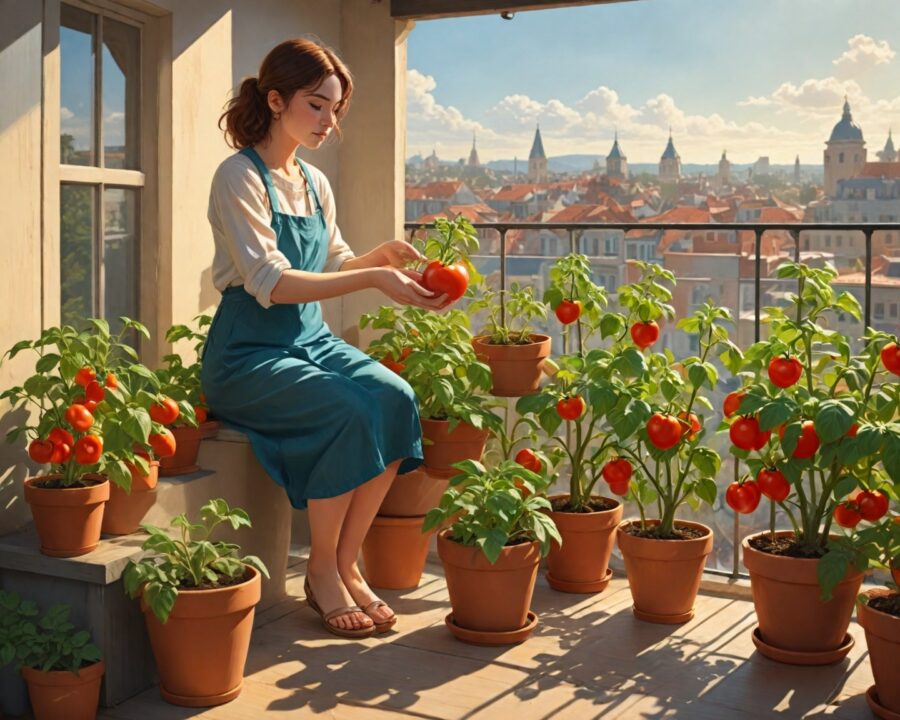
Container gardening is a versatile and practical approach to growing plants, especially for those dealing with limited space or poor soil quality. This gardening method allows you to cultivate a variety of plants in containers instead of traditional garden beds. Container gardening is gaining popularity among urban dwellers and individuals who wish to make the most of their balconies, patios, or small backyards. One of the significant advantages is the ability to move plants to optimize sunlight exposure or protect them from adverse weather conditions.
Growing tomatoes in containers is an excellent choice for both novice and experienced gardeners. Tomatoes are relatively easy to care for and offer rewarding yields. Furthermore, container gardening provides a unique opportunity to control soil composition and drainage, which are critical factors for tomato growth. This article will serve as a step-by-step guide to successfully growing tomatoes in containers, covering everything from choosing the right varieties to harvesting the fruits of your labor.
Choosing the Right Tomato Varieties for Container Gardening
Selecting the right tomato varieties is a crucial first step in container gardening. Not all tomato plants are well-suited for life in a container, so it’s essential to choose varieties that can thrive in confined spaces. Determinate and dwarf tomato varieties are typically the best choices for container gardening. Determinate varieties, often referred to as “bush” tomatoes, grow to a predetermined height and produce fruit all at once, making them manageable within a container.
Some popular determinate tomato varieties ideal for container gardening include ‘Bush Early Girl,’ ‘Patio Choice Yellow,’ and ‘Celebrity.’ These types require less staking or caging compared to indeterminate varieties, which can grow very large and produce fruit continuously throughout the growing season. However, if you have ample space or a large container, some indeterminate varieties like ‘Sweet 100’ or ‘Cherry Cascade’ can be successfully grown with proper support.
It’s also important to consider the climate in your area when choosing a variety. For cooler climates, look for varieties that mature quickly, while heat-tolerant varieties are better for hotter regions. When selecting seeds or seedlings, check the tags or seed packets for information on plant height, fruit size, and any specific care instructions to make the best choice for your container garden.
Selecting the Best Containers and Soil for Tomatoes
Choosing the right container is essential for healthy tomato growth. Tomatoes need a significant amount of space for their root systems, which means you’ll need a container that’s at least 5 gallons in size, though larger is preferable. Containers can be made from a variety of materials including plastic, ceramic, wood, or even fabric. Each material has its pros and cons; for instance, plastic is lightweight and retains moisture well, whereas ceramic can provide better insulation and stability.
When selecting a container, ensure it has adequate drainage. Drainage holes are crucial to prevent water from standing at the bottom of the container, which can lead to root rot. If the container does not have drainage holes, you can easily drill some before use. Using saucers or trays underneath the containers can help avoid water damage to surfaces.
The soil used in container gardening differs from garden soil. A high-quality potting mix is recommended as it provides excellent drainage, aeration, and nutrient retention. Potting mix specifically formulated for vegetables, often enriched with compost or other organic matter, can supply the necessary nutrients for your tomato plants to thrive. Avoid using garden soil in containers as it tends to compact, leading to poor drainage and reduced airflow to the roots.
How to Plant Tomatoes in Containers: Step-by-Step Instructions
Planting tomatoes in containers is a straightforward process, but attention to detail will ensure successful growth. Begin by selecting healthy seedlings or germinating seeds indoors about six to eight weeks before the last frost date in your area. This preparation allows the seedlings to be ready for transplanting once the weather is consistently warm.
-
Prepare the Container: Start by adding your potting mix to the container. Fill it to about an inch below the rim, leaving room for watering. Moisten the soil before planting to ensure it has the right amount of dampness.
-
Transplanting Seedlings: For seedlings, gently remove them from their nursery pot, being mindful of the roots. Dig a hole deep enough in the container’s soil to cover the root ball. For tomato plants, bury a portion of the stem. This encourages additional root growth, leading to a stronger plant.
-
Water Thoroughly: Once the plant is positioned and covered with soil, water it thoroughly. This initial watering helps settle any air pockets around the roots. Add more soil if necessary once settled.
After planting, place the container in a location that receives at least six to eight hours of sunlight daily. Observing these steps helps your tomato plants establish themselves, giving them the best chance as they transition from the nursery to their permanent container home.
Watering and Fertilizing Tips for Healthy Tomato Growth
Proper watering is vital in container gardening, as containers can dry out more quickly than traditional garden beds. Watering needs can vary depending on the climate, container size, and the stage of plant growth. Typically, tomatoes in containers require regular watering to ensure the soil remains consistently moist, but not waterlogged.
Check the soil moisture daily, and water when the top inch of soil feels dry to the touch. During hot weather or when plants are fruiting, you may need to water daily, or even twice a day. It’s important to water thoroughly, allowing excess water to drain from the bottom. This practice encourages deep root growth, essential for strong and healthy tomato plants.
Fertilizing container-grown tomatoes is also crucial as nutrients in the potting mix are depleted over time. A balanced, water-soluble fertilizer with equal parts nitrogen, phosphorus, and potassium can be applied every two weeks. Alternatively, slow-release fertilizers or organic amendments like compost can be mixed into the potting soil at planting time. Monitor your plants for signs of nutrient deficiencies, such as yellowing leaves, and adjust fertilization accordingly.
Managing Pests and Diseases in Container-Grown Tomatoes
Despite the benefits of container gardening, tomato plants can still be susceptible to pests and diseases. Regular monitoring and quick action can help to mitigate these issues, leading to healthier plants and higher yields. Common pests that affect tomatoes include aphids, whiteflies, and spider mites. These pests can often be managed through manual removal or with a spray of insecticidal soap.
Diseases such as blight and wilt can affect container-grown tomatoes just as they do those in the garden. To prevent fungal diseases, ensure good air circulation around your plants by not overcrowding containers, and water at the base of the plant to keep the foliage dry. Cleaning the containers and tools regularly reduces the risk of spreading diseases.
Implementing a schedule of regular plant inspections will help catch any issues early. If diseased plants are identified, isolate them to prevent the spread to other plants. In severe cases, specific chemical treatments may be necessary, but using natural or organic methods first helps to maintain healthy plant ecosystems.
How to Support and Prune Tomato Plants in Containers
Supporting tomato plants is crucial for maintaining health and promoting high yields. Most tomato plants benefit from some form of support, whether they are determinate or indeterminate varieties. Common methods include staking, caging, or using a trellis system, all of which can prevent the plant from sprawling and keep the fruit off the ground.
Stakes can be made from wood or metal and are inserted into the container at planting. As the plant grows, gently tie the main stem to the stake using soft garden ties or cloth strips. Tomato cages can be an excellent choice for container gardening, particularly for more bushy determinate varieties. They envelop the plant, providing support for the main stems and branches loaded with fruit.
Pruning is another important aspect of managing tomato plants. Regularly prune the bottom leaves and suckers — which are the small shoots that form between the main stem and branches. This encourages airflow and directs the plant’s energy towards fruit production. Always prune with clean scissors to prevent disease transmission, and remember that less is more; excessive pruning can stress the plant and reduce yields.
Common Mistakes to Avoid When Growing Tomatoes in Containers
Container gardening with tomatoes can be straightforward, but there are common pitfalls you should watch out for to ensure success. One frequent mistake is selecting a container that’s too small for the plant. Remember, tomatoes need ample space for their root systems, and a container that’s at least 5 gallons is the minimum.
Another common mistake is inconsistent watering practices. Letting your plants dry out too much between waterings can cause problems like blossom end rot or splitting fruit, while overwatering can lead to root rot. Aim for a consistently moist, well-drained environment.
Lastly, not providing enough nutrients is a common error. Tomatoes are heavy feeders and will exhaust the nutrients in container soil quickly. Regularly fertilizing your plants as they grow helps them produce ample, healthy fruit. Monitor your plants for signs of distress; if leaves are yellowing or plants are wilting, it may be time to reassess your fertilization strategy.
Harvesting and Storing Tomatoes from Your Container Garden
Harvesting tomatoes at the right time ensures the best flavor and texture. Tomatoes should be harvested when they are firm yet slightly soft to the touch, and fully colored according to their variety. Gently twist or cut the fruit from the vine to avoid damaging the plant.
Once harvested, store tomatoes at room temperature and away from direct sunlight. For longer shelf-life, avoid refrigerating them, as cold temperatures can affect their texture and flavor. If you have a surplus, consider preserving them through canning, drying, or making sauces, so you can enjoy your tomatoes year-round.
For those interested in seed saving, allow a few of your healthiest tomatoes to remain on the plant until they are overripe. Collect the seeds by squeezing them out and rinsing away the gel. Dry them thoroughly before storing them in a cool, dry place for use in future planting seasons.
Tips for Year-Round Tomato Gardening in Containers
Growing tomatoes year-round is possible with container gardening, especially if you have access to indoor spaces like sunrooms or greenhouses. Start by selecting varieties that grow well indoors or have a shorter growing season, like cherry tomatoes or dwarf varieties.
Indoor gardening requires adequate lighting; if natural light is insufficient, consider investing in grow lights to mimic the sunlight tomatoes need. Temperature control is also critical. Maintaining consistent warmth, particularly at night, will help prevent stress on the plants.
For those without the ability to move plants indoors during colder months, consider extending the growing season with the use of row covers or small greenhouses. These tools can protect from early frosts and provide some warmth, allowing you to enjoy fresh tomatoes straight from your container garden for a longer period.
Frequently Asked Questions
What size container is best for growing tomatoes?
A container that is at least 5 gallons in size is recommended for growing tomatoes, as they need ample space for their roots to expand. Larger containers, such as those that hold 10 to 20 gallons, can support larger plants and result in better yields.
Can I use regular garden soil in my containers?
No, regular garden soil is not recommended for container gardening. It tends to compact over time and does not drain well, which can lead to root rot. Instead, use a high-quality potting mix that is specifically formulated for container gardening.
How often should I water my container-grown tomatoes?
Tomato plants in containers generally need more frequent watering than those in the ground due to faster soil drying. Check the soil moisture daily and water when the top inch feels dry. This may mean watering daily, especially in hot weather.
What are some signs of nutrient deficiencies in tomatoes?
Common signs of nutrient deficiencies include yellowing leaves (often a sign of nitrogen deficiency), poor fruit set, or blossom end rot (often related to calcium deficiency). Regular fertilization and monitoring the plant’s health can prevent these issues.
Can I grow tomatoes indoors?
Yes, tomatoes can be grown indoors in containers provided they receive enough light. Use grow lights if natural sunlight is insufficient. Choose smaller varieties well-suited for indoor growth, such as dwarf or cherry tomato plants.
How do I prevent blight in my container tomatoes?
Prevent blight by ensuring good air circulation between plants and watering at the base to keep leaves dry. Use disease-resistant varieties and rotate plants annually to different locations if possible. Clean containers thoroughly between uses.
What can I do with excess tomatoes from my harvest?
You can preserve your excess tomatoes by canning, drying, or making sauces and salsas. These methods ensure you have access to homegrown tomatoes throughout the year. You can also freeze tomatoes in their whole, sliced, or pureed form.
How can I extend the growing season of my tomatoes?
Extend the growing season by using row covers, small greenhouses, or indoor growing techniques. These methods protect the plants from early frosts and cooler temperatures, allowing for longer production periods.
Recap of Main Points
In this guide, we’ve explored the essentials of growing tomatoes in containers, covering the benefits of container gardening and how to select the right tomato varieties. We discussed the importance of choosing suitable containers and soil, provided step-by-step planting instructions, and offered tips for watering and fertilizing. Managing pests, supporting, and pruning your plants, as well as avoiding common mistakes, are key for successful yields. Lastly, we explored harvesting and storing techniques and shared tips for enjoying container-grown tomatoes year-round.
Conclusion
Container gardening offers a practical and rewarding way to grow tomatoes, even in limited spaces. By following the guidelines provided in this guide, you can enjoy fresh, homegrown tomatoes with relative ease. From selecting the right varieties to managing pests and ensuring proper nutrition, each step is crucial to the health and productivity of your container-grown tomatoes.
With some attention to detail and a bit of patience, your container garden can flourish, providing you with an abundance of delicious tomatoes. Whether you’re a novice or seasoned gardener, the joy of growing your own food is a rewarding experience, one that container gardening makes accessible to all.