
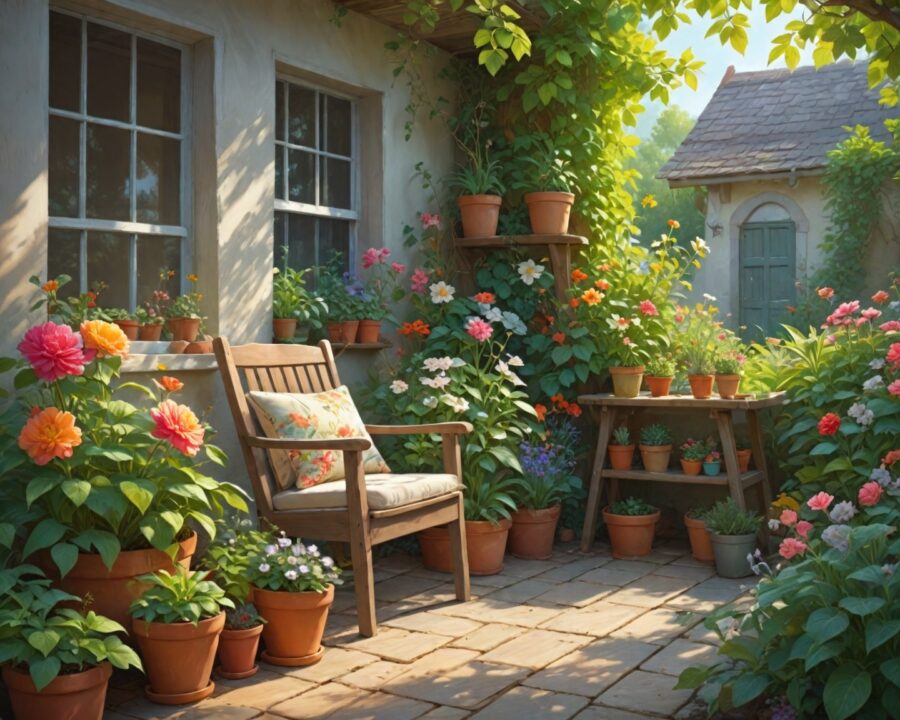
In today’s fast-paced world, having a serene, beautiful space at home is more important than ever. A small garden offers a perfect retreat, whether you live in a bustling city apartment or a cozy suburban house. Although limited by size, even the tiniest garden can reflect your personality and creativity. With the right approach, a compact space can become a lush, inviting haven that rejuvenates your soul.
Creating a beautiful small home garden may seem daunting, but with thoughtful planning and a bit of creativity, it can be done effortlessly. From understanding the basics of small garden design to choosing the right plants, and incorporating unique elements like vertical gardening, the process can be quite enjoyable and rewarding. This article will guide you through all the necessary steps to transform your limited garden space into a spectacular display that offers visual delight throughout the year.
Understanding the Basics of Small Garden Design
The successful design of a small garden starts with understanding the space you have to work with. Begin by assessing the dimensions of your garden, considering both its horizontal area and vertical scope. Pay attention to environmental factors like sunlight, shade, wind, and soil type, as these will play a crucial role in determining the types of plants and features you can incorporate.
Once you have a good grasp of the physical aspects, decide on a theme that aligns with your personal style. A well-designed small garden often follows a specific theme that ties everything together. Whether you prefer a minimalist Japanese Zen garden, a vibrant Mediterranean paradise, or a rustic cottage look, choosing a theme helps in streamlining design choices and creating cohesion.
One of the secrets to designing a small garden is to maintain balance. Balance in this context refers to the proportional use of plants, accessories, and empty space. Crowd control is essential; overloading the garden can make it feel cramped and cluttered. Instead, focus on creating a sense of openness by leaving some space visible, which can provide a canvas to highlight certain garden features.
Choosing the Right Plants for Limited Spaces
Careful plant selection is key when designing a small garden. Look for plants that can thrive in limited spaces and complement your overall design theme. Generally, dwarf and compact varieties are well-suited for smaller gardens as they do not overwhelm the space. Some excellent choices include small shrubs, perennial flowers, or even decorative grasses.
It’s also wise to consider the growth rate and maintenance needs of each plant. Some plants, although beautiful, require extensive care and frequent trimming. Opt for low-maintenance plants if you prefer a garden that’s easy to keep tidy. For instance, succulents and evergreens are excellent options as they require minimal watering and maintenance while still adding color and texture.
Furthermore, consider the seasonal aspects of your plants. By selecting a combination of annuals, perennials, and plants that bloom in different seasons, you can ensure year-round beauty in your garden. A well-planned variety can provide a continuously evolving display and keep the garden visually appealing across different times of the year.
Incorporating Vertical Gardening Techniques
Vertical gardening is a particularly effective strategy in small space design, maximizing the use of vertical space while adding a dynamic visual element. From wall planters to hanging baskets, vertical gardens can accommodate a variety of plants without taking up much floor space.
One popular approach is to use trellises or other vertical structures to support climbing plants like ivy, clematis, or roses. These plants can cover walls or fences, adding texture and color to otherwise flat surfaces. Alternatively, vertical plant stands or tiered shelves allow you to display a mixed arrangement of potted plants, creating depth and layers within your garden.
Another innovative idea is to use vertical gardens as privacy screens or dividers, especially if the garden adjoins public areas or is part of a shared space like a balcony. This not only contributes to the aesthetic but also provides functional benefits by offering privacy and reducing noise pollution.
Using Decorative Pots and Planters Effectively
Decorative pots and planters can elevate the look of a small garden by introducing form, color, and style. These containers are ideal for enhancing a garden’s visual appeal and are instrumental in defining space and structure, especially when ground soil is not an option, like in a paved patio or balcony garden.
Choose pots and planters that complement your garden’s theme. Materials such as terracotta, ceramic, wood, or metal each provide a distinct aesthetic. A sleek, modern garden could benefit from the clean lines of metal or concrete planters, while a rustic space may be enhanced by the warmth of terracotta or wood.
Variety in pot sizes and shapes can create dynamic interest in your garden. Consider grouping pots of different heights or arranging planters in a tiered manner. This not only illuminates the individual characteristics of each plant but also helps maintain the visual flow of the garden.
Adding Lighting to Enhance Garden Aesthetics
Garden lighting is not only functional but can also significantly amplify the aesthetics of your small garden. Proper lighting extends the use of the garden into the evening, creating an inviting ambiance for relaxation or entertainment.
Consider a mix of lighting solutions tailored to your garden’s needs. Solar-powered lights are an economical and environmentally friendly option, come in various styles, and can be staked into the ground or used along pathways. String lights add a whimsical charm to pergolas or across garden borders, while LED spotlights can highlight specific features such as a beautiful plant or sculpture.
Strategically placed lighting can also accentuate the textures and contours of your garden. By focusing light upwards or downwards, you can create shadow patterns that add depth and dimension, making even the simplest garden appear more fascinating and complex.
Creating Focal Points with Garden Ornaments
Garden ornaments can be used to draw the eye and create focal points within a small garden. A well-placed ornament, such as a sculpture, birdbath, or a small fountain, serves as a visual anchor and adds a personal touch to the garden.
Choose ornaments that harmonize with your garden’s theme and spatial constraints. A thematic piece, like a traditional stone lantern in a Japanese garden or a sleek metal sculpture in a contemporary garden, can enhance the overall design and bring cohesion.
The scale of ornaments should be suitable for the space; too large, and they may overwhelm the garden, too small, and they risk being unnoticed. Positioning also matters: placing the ornament at a natural point of interest, such as where pathways intersect or where plants shift height, can enhance its effectiveness as a focal feature.
Maximizing Space with Multi-Functional Garden Furniture
Choosing the right furniture is essential for maximizing the functionality and appeal of a small garden space. Opt for multi-functional pieces that can serve more than one purpose, allowing you to enjoy the garden without sacrificing comfort or utility.
Folding or stacking chairs, extendable tables, or benches with built-in storage are excellent choices. Not only do they save space when not in use, but they also provide additional features such as storage for gardening tools, cushions, or outdoor summer accessories.
Choose materials that withstand the environmental conditions of your garden. Weather-resistant metals, treated wood, or synthetic rattan are durable options for outdoor settings, ensuring longevity without compromising on style.
Addressing Common Challenges in Small Garden Maintenance
Maintaining a small garden efficiently demands a pragmatic approach to common challenges, including weed management, watering, and pest control. By tackling these issues proactively, your garden can remain vibrant and healthy with minimal effort.
To control weeds, consider using mulch around plants, which can suppress weed growth while retaining soil moisture. Organic options like bark or wood chips not only look natural but also enhance soil health as they decompose.
Watering can become a challenge in limited spaces, so consider investing in a drip irrigation system that delivers water directly to the root zone, reducing wastage. If that’s not feasible, consider installing rain barrels to collect natural water for more sustainable irrigation.
Pest control in small gardens often benefits from organic solutions. Introducing beneficial insects like ladybugs or using non-toxic sprays can help manage pests without harming your plants or the environment.
Seasonal Tips for Keeping Your Garden Vibrant Year-Round
Keeping your garden lively and vibrant throughout the year requires understanding seasonal changes and adjusting your gardening practices accordingly. Each season presents unique opportunities and challenges, influencing plant selection and care routines.
Spring: This is the season to refresh and renew. Clean up debris left from winter, prune perennial plants, and sow seeds for summer blooming. It’s a great time to plant both hardy annuals and new perennials that will thrive as the weather warms.
Summer: Focus on maintenance by ensuring consistent watering during hot spells and controlling pests that thrive in warm weather. Deadhead flowering plants to promote fresh blooms and consider introducing drought-tolerant varieties to withstand heat.
Fall: Prepare for winter by planting spring bulbs and perennials that can establish roots before the cold. Trim back plants and collect leaves for composting. It’s also a suitable time for adding mulch to protect plant roots from frosty conditions.
Winter: While growth is minimal, winter is a great time to plan and design for the next gardening season. Protect sensitive plants with frost covers and continue to clear away fallen debris to maintain garden neatness and health.
Practical Steps to Start Beautifying Your Small Garden Today
Transforming your small garden can begin with a few practical steps. Start by decluttering the space and removing anything that doesn’t contribute to the overall design or utility. This paves the way for incorporating new elements and ensures your garden doesn’t feel cramped.
Next, establish a layout that maximizes the flow of the space. Sketch your ideas or use a gardening app that allows you to visualize plant and furniture placement. By solidifying this layout, you can avoid costly mistakes and maximize the impact of your new features.
Finally, prioritize creating a schedule that aligns with your life and the needs of your garden. Whether it’s a weekly watering timetable or monthly plant care, regularity ensures a thriving garden while allowing you to enjoy the process as part of a routine, rather than a chore.
FAQs
What are the best plants for small garden spaces?
The best plants for small gardens are typically compact and low-maintenance varieties. Examples include succulents, which require minimal watering; herbs like basil and rosemary, which are useful and aromatic; and dwarf shrubs that provide foliage and color year-round.
How can I make my small garden look bigger?
Creating an illusion of space can be achieved with several tricks. Use mirrors to reflect light and make the garden appear larger. Opt for vertical gardening and tiered layouts to draw the eye upwards and create depth. Light-colored plants and planters also help expand the space visually.
How do I maintain a small garden efficiently?
Efficient maintenance of a small garden involves regular care routines such as watering, feeding, and pruning. Using automated watering systems or rain barrels can minimize the workload. Selecting low-maintenance plants and practicing integrated pest management further streamline garden upkeep.
Can I grow vegetables in a small garden?
Yes, you can grow a variety of vegetables in a small garden using raised beds, containers, and vertical gardening techniques. Select compact or dwarf varieties of vegetables like cherry tomatoes, lettuce, radishes, and bush beans, which are well-suited for smaller spaces.
What type of lighting is best for small gardens?
The best lighting for small gardens depends on the intended effect and practical needs. Solar-powered stake lights are eco-friendly and good for marking paths. LED spotlights can highlight features, while string lights add a cozy touch for seating areas or patios. Consider versatility in your lighting choices for maximum effect.
Recap
Creating a beautiful small home garden is both an art and a science. By understanding the basics of small garden design, you can effectively utilize limited space. Selecting the right plants, using vertical gardening techniques, and incorporating decorative pots and lighting, significantly enhance the garden’s aesthetics. Addressing maintenance challenges and keeping an eye on seasonal variations ensures a vibrant garden year-round. Practical steps like efficient layout planning and regular care schedules set the foundation for an effortlessly beautiful garden.
Conclusion
Transforming a small garden into a beautiful, welcoming retreat does not have to be a complex or labor-intensive process. With thoughtful planning and consideration of key design principles, a small space can be made to feel expansive and lush. Attention to plant selection, creative use of space, and effective maintenance strategies not only enhance your garden’s appeal but also maximize enjoyment and functionality.
In embarking on your small garden transformation, let personal style lead the way. Embrace creativity, experiment with textures, and cultivate an environment that brings joy and relaxation. With minimal effort and maximum impact, your small garden can become a cherished corner of your home.