
Understanding the causes of cracked tiles in the kitchen is crucial for homeowners seeking to maintain a beautiful and functional space. Tiles play a pivotal role in the kitchen’s aesthetics and practicality, making any damage to them both visible and inconvenient. Cracked tiles not only affect the visual appeal of a kitchen but can also pose safety hazards, such as sharp edges that could lead to injury. Recognizing the root causes of these cracks is the first step towards effective repair and prevention.
Several factors contribute to tile cracking, each stemming from a combination of environmental influences and installation errors. Common causes include improper installation, where inadequate adhesive or incorrect tile laying techniques introduce vulnerabilities. Additionally, natural factors such as temperature fluctuations can cause tiles to expand and contract, leading to stress fractures over time. Other causes might include heavy impacts from dropped objects or a subfloor that is not sufficiently rigid, which can lead to tile movement and eventual cracking.
Understanding these causes allows homeowners to implement solutions and preventive measures aptly. By identifying and addressing the underlying issues that lead to cracked tiles, you can ensure your kitchen remains both stylish and safe. Awareness allows for proactive management, minimizing the necessity for repairs and extending the life of your kitchen tiles.
Essential tools and materials needed for tile repair
Repairing a cracked tile requires a combination of specific tools and materials to achieve a professional finish. Whether you’re conducting a minor touch-up or replacing a tile entirely, having the right supplies on hand is essential for efficiency and quality.
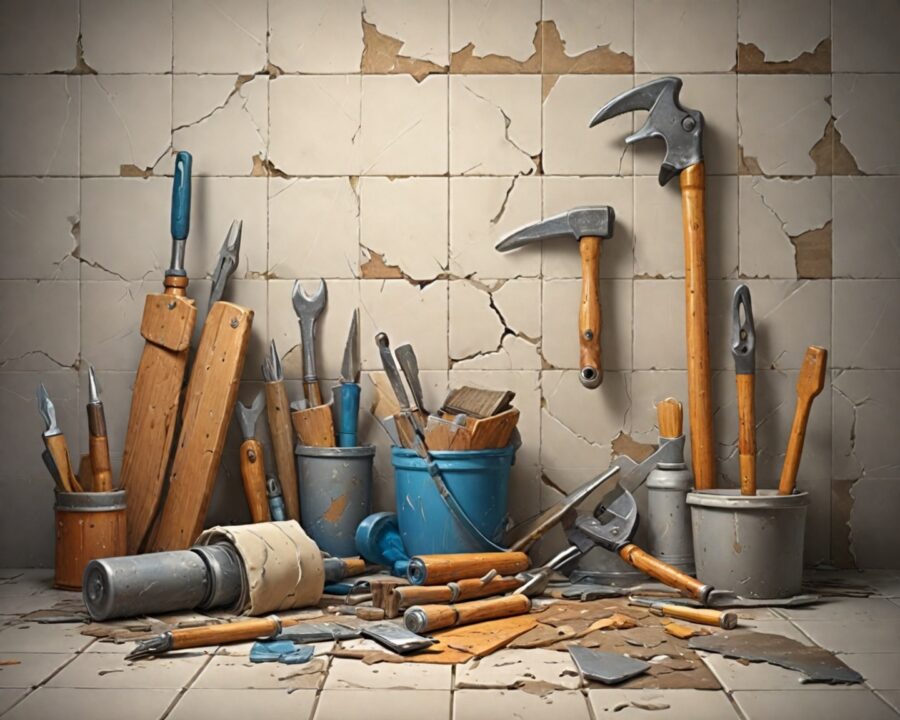
The first group of items you’ll need includes basic tools: a tile cutter or wet saw, a notched trowel, a putty knife, and a hammer and chisel. A tile cutter or wet saw is pivotal for cutting replacement tiles accurately to size, ensuring a snug fit. The notched trowel is crucial for spreading adhesive evenly, while the putty knife is used for precise application of the grout. When removing the damaged tile, the hammer and chisel will aid in detaching it from its adhesive base.
In terms of materials, you’ll need replacement tiles, tile adhesive, and grout. Selecting replacement tiles that match the existing ones is vital for aesthetic continuity. Tile adhesive (or thin-set mortar) acts as the bonding agent for securing the new tile in place. Grout, which seals the spaces between tiles, should match the color of the existing grout to maintain the cohesive appearance of the floor.
Having these tools and materials prepared and at your disposal ensures a smoother repair process. By assembling these essentials before beginning, you eliminate interruptions during the repair, leading to a more efficient and effective renovation effort.
How to prepare the cracked tile area for repair
Preparing the cracked tile area for repair is a fundamental step in ensuring a successful outcome. Proper preparation not only facilitates a smoother repair process but also extends the lifespan of the entire tile installation.
Begin by thoroughly cleaning the area surrounding the cracked tile. This involves sweeping away any loose debris and dirt that could interfere with adhesion. It’s crucial to create a clean and dry workspace to ensure that the new tile or patch adheres properly to the floor. Additionally, cleaning the surface helps you better assess the extent of the damage.
Next, focus on removing the damaged tile. Carefully use a grout saw or rotary tool to remove the grout surrounding the cracked tile. This step will loosen the tile and prevent chipping or damage to adjacent tiles during removal. Follow up with a chisel and hammer to gently pry the cracked tile out of place, taking care to prevent undue stress on nearby tiles. If residual adhesive remains on the floor, remove it using a scraper or putty knife, ensuring a smooth, level surface for the new tile.
Finally, inspect the subfloor for any signs of damage. A stable, undamaged subfloor is critical to the success of your repair. If water exposure or rot is present, these issues should be addressed before proceeding. This thorough preparation lays the groundwork for an effective tile repair that seamlessly integrates with your existing installation.
Step-by-step guide to repairing a cracked tile
Repairing a cracked tile is a structured process that requires attention to detail and patience. Follow these steps to ensure a professional-looking result:
-
Remove the Grout: Start by using a grout saw to carefully cut away the grout surrounding the damaged tile. This reduces pressure on surrounding tiles and prevents additional cracking.
-
Crack and Remove the Tile: Use a hammer and chisel to carefully break the cracked tile into smaller pieces. Begin at the center, moving towards the edges, and gently lift the pieces away from the floor.
-
Clean the Surface: Once the tile pieces are removed, scrape away old adhesive with a putty knife or scraper. The surface beneath should be clean and flat to ensure the new tile lays evenly.
-
Fit the New Tile: Test fit the replacement tile, ensuring it fits flush within the gap left by the old tile. If necessary, use a tile cutter to trim the new tile for a perfect fit.
-
Apply Adhesive: Spread thin-set adhesive over the exposed area with a notched trowel. Place the new tile into the adhesive, pressing firmly to set it in place.
-
Allow for Setting: Let the adhesive cure for at least 24 hours before proceeding with the next step.
-
Grout the Tile: Mix grout according to manufacturer instructions, then apply it between the new tile and its neighbors with a rubber float. Remove excess grout with a damp sponge as you work.
-
Buff the Tiles: Once the grout dries (typically after 24 hours), buff the tiles with a clean cloth to remove any residual haze and ensure a polished finish.
Following these steps ensures a stable tile repair and maintains the aesthetic integrity of your kitchen’s floor.
Tips for matching replacement tiles with existing ones
Matching replacement tiles with existing ones can be a challenging aspect of tile repair, but with a strategic approach, you can achieve seamless results. Here’s how to ensure a perfect match:
-
Identify the Manufacturer: Check for leftover tiles or packaging that might list the manufacturer and model number. This information is invaluable for sourcing identical tiles.
-
Compare Samples: If the original tile’s details are unknown, take a sample of the cracked tile to local tile retailers or home improvement stores. Comparing samples in person allows you to better match size, color, and texture.
-
Use Tile Databases: Some larger manufacturers offer online databases where you can search by characteristics such as color and finish. These resources can help you find an exact or a near-exact match.
-
Consider Old Stock: Older tiles may no longer be in production, but retailers sometimes have remaining stock. Inquire if there might be old stock available for purchase.
-
Professional Assistance: Engage a tile expert who may have access to broader resources for sourcing hard-to-find tiles.
When replacement tiles are matched well, the repaired area will integrate seamlessly with the existing floor, preserving the cohesive look of your kitchen.
How to prevent further damage to kitchen tiles
Preventing further damage to kitchen tiles involves regular maintenance and implementing protective measures against common hazards. With these strategies, you can prolong the life of your tile flooring.
-
Seal Your Grout: Regularly apply grout sealant to create a waterproof barrier, which helps prevent water damage and staining. Grout sealant helps maintain the integrity of your floor over time.
-
Use Mats and Area Rugs: Place mats or rugs in areas of high traffic, such as in front of the sink and stove. This reduces the wear and tear on the tiles below and provides a cushion against dropped objects.
-
Maintain a Rigid Subfloor: Ensure the subfloor is stable and rigid, as movement beneath the tiles can lead to cracking. Reinforcing the subfloor during renovations can prevent future issues.
-
Regular Cleaning: Clean tiles with appropriate cleaning solutions that do not contain harsh chemicals, which can degrade the grout or tile surface.
-
Prompt Repair of Small Issues: Address small chips or cracks immediately, as they can worsen over time. Swift repair can prevent further damage from propagating across the tile installation.
Implementing these practices will preserve the aesthetic and functional value of your kitchen tiles while mitigating potential damage risks.
Common mistakes to avoid when repairing cracked tiles
Tile repair is an intricate process that can easily go awry if not carefully executed. Avoiding common mistakes can save you time, money, and frustration.
-
Incorrect Adhesive Application: It’s crucial to apply adhesive evenly with a notched trowel to avoid air pockets, which can cause future cracking or tile loosening.
-
Improper Tile Removal: Not taking the time to remove grout carefully can damage surrounding tiles. Utilize a grout saw to minimize this risk.
-
Inaccurate Tile Cutting: Tiles that don’t fit precisely can lead to uneven surfaces or gaps. Always measure twice before cutting for accuracy.
-
Skipping the Grout Sealant: Without sealant, grout is vulnerable to moisture and stains. Ensure you complete the grout with a sealing step to enhance durability.
-
Neglecting Cure Times: Rushing the process can compromise tile adhesion. Always allow proper curing times for adhesive and grout as recommended by manufacturers.
-
Ignoring Underlying Problems: Failure to address underlying issues such as a weak subfloor can lead to recurring tile damage. Assess and resolve these problems before installing new tiles.
Awareness of these errors will guide you in executing a flawless tile repair and ensure long-term results.
Addressing grout issues during tile repair
Addressing grout issues during tile repair is integral to achieving a polished finish and durable repair. Grout not only enhances the aesthetics of your tiles but also reinforces their stability.
Initially, assess the condition of existing grout to determine if it requires replacement or repair. Grout that is loose, crumbling, or severely discolored should be replaced. Use a grout saw or utility knife to carefully remove damaged grout from between the tiles, taking care not to scratch adjacent tiles.
When mixing new grout, follow the manufacturer’s instructions for consistency—neither too wet nor too dry—to ensure effective application and seamless integration with existing grout lines. Apply the grout between tiles using a rubber float, working diagonally across tile seams to fully fill the gaps. This technique helps to maximize compactness and endurance.
Finally, after application, allow the grout to set before applying a sealant. Sealing the grout is essential to prevent moisture ingress and staining, significantly extending its lifespan. Regular maintenance of grout, including resealing, will prevent cracks and other issues from developing in the future.
When to call a professional for tile repair
Repairing cracked tiles is a task many homeowners can handle, but there are circumstances when professional help is advisable. Knowing when to call in an expert can save time, reduce stress, and ensure high-quality results.
-
Extensive Damage: If several tiles are damaged or the crack patterns suggest underlying structural issues, professional intervention is necessary. Such scenarios may indicate subfloor damage that requires expert assessment and repair.
-
Complex Tools Required: Situations that require specialized tools beyond the average DIY toolkit, such as advanced tile cutters or leveling systems, often benefit from professional expertise.
-
Matching Complex Patterns: For intricate tile designs or custom patterns, a professional’s eye can ensure seamless tile placement and pattern continuity.
-
Time Constraints: Homeowners with limited time may find it more efficient to hire a professional, ensuring a swift and perfect outcome without personal scheduling conflicts.
-
Personal Limitations: If the physical demands of tile repair exceed one’s capabilities or comfort zone, hiring a professional ensures the task is handled safely and correctly.
Professional tile repair services bring expertise and precision, offering peace of mind and ensuring a flawless kitchen floor.
Maintaining your kitchen tiles to prevent future cracks
Proper maintenance of kitchen tiles is key to preventing future cracks and ensuring the longevity of your flooring. A proactive approach to care preserves both the function and appearance of your tiles.
Begin with regular cleaning to remove dirt and debris that can lead to surface damage over time. Use mild cleaners that are specially formulated for tile surfaces to avoid unnecessary wear. Avoid harsh abrasives that can etch the surface or degrade the grout over time.
Check your tiles and grout periodically for early signs of wear, such as small chips, loose grout, or cracking. Addressing these minor issues promptly can prevent them from developing into larger, more costly repairs. Grout lines should be resealed every few years to maintain their resistance to water and staining.
Seasonal checks of the kitchen’s environment can also help. Ensure ambient humidity levels are balanced, as excessive moisture or dryness can affect tile integrity. Utilizing a dehumidifier or humidifier can address these conditions and protect your flooring.
With ongoing maintenance, your kitchen tiles will remain in excellent condition, complemented by fewer repairs and enhanced durability.
Frequently Asked Questions
What causes tiles to crack in the kitchen?
Tiles can crack due to a variety of reasons including improper installation, such as inadequate adhesive or subfloor preparation. Environmental factors like temperature variations and heavy impacts from dropped objects also contribute to tile cracking.
Can I repair just one cracked tile in my kitchen?
Yes, you can repair a single cracked tile if the damage is isolated and the surrounding tiles are in good condition. Following a step-by-step guide allows for seamless repairs without affecting the entire floor.
How can I match replacement tiles with my existing ones?
Use any leftover tiles from the original installation or check for the manufacturer’s details to order identical replacements. If unavailable, take a sample to compare with in-store options, or consult a professional to find a match through color and texture.
Is it difficult to replace a tile myself?
While replacing a tile requires attention to detail and the right tools, it’s manageable for the average DIY enthusiast. However, in cases of extensive damage or complex patterns, hiring a professional is advisable.
What should I do if my tiles keep cracking?
Repeated cracking may indicate structural issues, such as a weak subfloor or improper installation. It’s wise to consult a professional to assess and resolve underlying problems before proceeding with further repairs.
How often should I seal my grout?
Grout should be sealed every one to two years depending on the level of kitchen use and exposure to moisture. Regular sealing prevents staining and water absorption, extending the lifespan of your tile flooring.
Recap
Repairing cracked tiles effectively requires a good understanding of the causes and a detailed execution of the repair process. Essential tools and precise preparation set the stage for successful results. By carefully matching replacement tiles, addressing grout issues, and avoiding common mistakes, homeowners can ensure their kitchen tiles remain functional and visually pleasing. Regular maintenance and acknowledgment of when professional expertise is needed further sustain the durability of tiles, creating a resilient kitchen environment that withstands wear and time.
Conclusion
Maintaining and repairing cracked tiles in your kitchen demands a balance of proactive care and strategic repair, tailored to the needs and circumstances of each situation. Understanding the root causes of tile damage allows you to implement measures that prevent recurrence while preparing effectively improves the longevity and effectiveness of repairs.
Engaging with professional services when necessary ensures that even the most challenging repairs are executed with precision and competence. Ultimately, diligent care and occasional professional input will keep your kitchen tiles in excellent condition, preserving both the aesthetic appeal and functional standards of your kitchen space.