
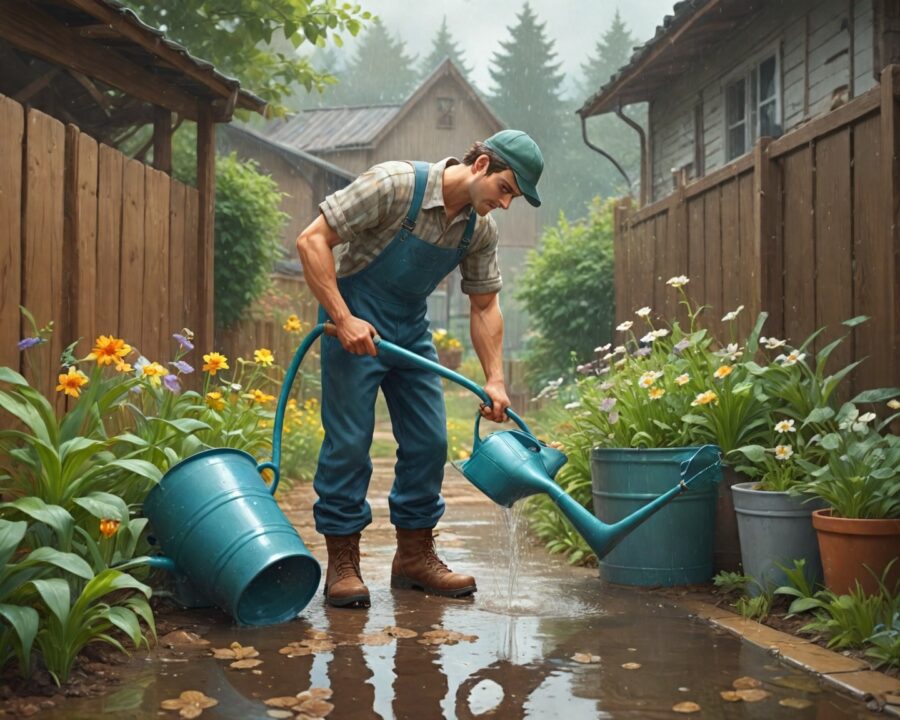
Water conservation in gardening is becoming increasingly important as we face global challenges of water scarcity and environmental sustainability. With the effects of climate change heightening the frequency of droughts and dwindling water supplies, gardeners worldwide are being encouraged to adopt practices that minimize water usage. Cultivating a lush, thriving garden while being mindful of water consumption is not only possible, but essential to our environmental responsibility.
Incorporating water-saving techniques in gardening not only helps in preserving this precious resource but also ensures the sustainability of our gardens. This article explores various methods to conserve water when gardening, offering practical tips and techniques to maintain vibrant plant life responsibly. We will delve deep into each method, from selecting drought-resistant plants to installing sophisticated irrigation systems, and equip gardeners with the knowledge to foster a beautiful and efficient garden.
Why Saving Water is Essential for Sustainable Gardening
Water conservation in gardening is not just about reducing utility bills; it’s about nurturing an environment that thrives on sustainability and balance. With global water resources depleting, it falls upon urban planners, policymakers, and individual gardeners to implement strategies that optimize water use.
Gardens naturally require water to flourish, but excessive water use can deplete local supplies, disrupt ecosystems, and even harm plant health by promoting root rot and diseases. Hence, incorporating water-saving techniques can significantly reduce these issues. Furthermore, conscious water usage can lead to healthier plants that develop deeper roots, making them more resilient to drought and stress.
Sustainable gardening practices that focus on minimizing water waste not only benefit individual gardens but also contribute positively to biodiversity and the larger ecosystem. By adopting water-conservation strategies, gardeners can play a pivotal role in environmental stewardship, demonstrating how human activity can align with ecological preservation.
Choosing Drought-Resistant Plants for Your Garden
One of the most effective strategies for conserving water in gardening is selecting drought-resistant plants. These plants are naturally adapted to withstand periods of low rainfall and require less water than their more traditional counterparts.
Having a palette of drought-resistant plants can significantly cut down your garden’s water needs. Some excellent choices include lavender, succulents like sedums and echeverias, ornamental grasses, and herbs such as rosemary and thyme. These species have evolved specific adaptations, such as fleshy leaves, deep root systems, or minimal foliage, that allow them to retain moisture effectively.
Implementing a xeriscape design, which focuses on landscaping that reduces or eliminates the need for irrigation, is another excellent approach. By grouping plants with similar water needs, gardeners can optimize water use and ensure that each plant receives adequate moisture without unnecessary waste. This thoughtful planning creates a thriving garden that aligns aesthetics with ecological benefits.
Using Mulch to Retain Soil Moisture Effectively
Applying mulch is a tried-and-true technique for effective water conservation in gardening. Mulch serves as a protective barrier on the soil surface, preventing moisture evaporation, suppressing weed growth, and regulating soil temperature.
Organic mulches, such as wood chips, straw, or bark, decompose over time, also enriching the soil with nutrients. This multifaceted approach not only conserves water but enhances soil fertility, promoting vigorous plant growth. Additionally, mulch helps reduce the rate of water runoff and erosion, ensuring that the soil absorbs the available moisture.
To maximize the benefits of mulch, apply a 2- to 3-inch layer around plants and replenish it periodically as it decomposes. Be mindful not to pile mulch against plant stems, as this can encourage rot. By incorporating mulching into your gardening routine, you optimize the garden’s water retention capabilities while simultaneously fostering a healthier plant ecosystem.
Installing a Drip Irrigation System for Efficient Watering
Drip irrigation systems represent an efficient and highly effective method of watering plants with minimal water waste. These systems deliver water directly to the plant’s roots, significantly reducing evaporation and ensuring targeted hydration.
Installing a drip irrigation system allows for precise control over the amount of water each plant receives, tailored to individual needs. This specificity not only conserves water but also promotes deeper root development, which enhances plant resilience. For larger gardens or landscapes, automated timers can further optimize the system, regulating water delivery based on specific schedules or weather conditions.
Drip irrigation systems can be customized with a range of emitters, connectors, and tubing to suit any garden layout or plant type. While the initial setup may require some investment, the long-term benefits in terms of water savings and plant health make it a worthwhile endeavor for sustainable gardeners.
Collecting and Using Rainwater for Your Garden
Harvesting rainwater is a natural and sustainable method to supplement traditional irrigation techniques in gardening. By collecting rainfall, gardeners can utilize this free resource to water plants, conserve municipal water supplies, and reduce water bills.
Setting up a rainwater collection system can be as simple as installing barrels under downspouts to capture roof runoff. These barrels can be fitted with taps or connectors to either manually water plants or integrate with irrigation systems. For those with larger gardens or more complex needs, sophisticated cisterns can be installed to store larger volumes of water.
Rainwater is free of the salts and minerals often found in tap water, which can accumulate in the soil and affect plant health. Therefore, using rainwater not only conserves resources but also benefits plant growth. By investing in rainwater harvesting, gardeners can tap into a resource that is both environmentally friendly and beneficial for garden ecology.
Watering Techniques to Minimize Waste
Adopting efficient watering techniques is crucial to minimizing water waste in gardening. The timing, frequency, and method of watering all play vital roles in ensuring that water is used effectively.
Watering in the early morning or late afternoon reduces evaporation and allows plants to absorb moisture before the heat of the day. This schedule ensures that water penetrates deeply into the soil, encouraging deep root growth. Watering patterns should be adjusted based on plant needs, with some species requiring more frequent hydration than others.
Incorporating techniques such as “soak and cycle,” where water is applied in short intervals to allow absorption, can prevent runoff and soil erosion. Utilizing hoses with adjustable nozzles or soaker hoses can also promote efficient watering, delivering water directly to the base of plants.
Proper watering techniques not only conserve water but also foster healthier plant growth, contributing to a more sustainable gardening practice.
Common Mistakes That Lead to Water Wastage in Gardening
Despite best intentions, certain common mistakes in gardening can lead to unnecessary water waste. Recognizing and avoiding these pitfalls can significantly enhance water conservation efforts.
Overwatering: Perhaps the most common mistake, overwatering not only wastes water but also damages plant health. It is essential to understand each plant’s water requirements and avoid watering on a fixed schedule without considering actual moisture needs.
Incorrect Plant Placement: Positioning plants with differing water needs together can lead to inefficient watering. Grouping plants with similar moisture requirements ensures that irrigation systems can be used effectively without over or under-watering any section.
Neglecting Soil Maintenance: Compacted or poor-quality soil can hinder water absorption and lead to runoff. Regularly amending soil with organic materials and ensuring proper aeration can improve drainage and water uptake.
By addressing these common mistakes, gardeners can greatly enhance the water efficiency of their landscapes and promote healthier growth.
Practical Tools and Gadgets for Water-Saving Gardening
Incorporating specific tools and gadgets can further enhance water conservation efforts in gardening. These innovations provide precision and convenience while supporting sustainable practices.
Soil Moisture Sensors: These tools measure the moisture level in soil to guide watering decisions. By knowing when soil needs water, gardeners can avoid over or under-watering, optimizing water use.
Timers and Automated Systems: Watering timers automate the process, ensuring gardens receive water at the optimal time and amount. Such systems can be integrated with weather data to adjust frequency during rainy periods.
Smart Sprinklers: Advanced sprinklers equipped with sensors that detect weather patterns can adjust watering schedules automatically, minimizing water waste.
| Tool | Function | Benefits | Drawbacks |
|---|---|---|---|
| Soil Moisture Sensor | Measures soil moisture levels | Prevents over/under watering | Initial cost |
| Timers | Automates watering schedules | Reduces manual intervention | Requires initial programming |
| Smart Sprinklers | Adjusts to weather conditions automatically | Maximizes efficiency and resources | Can be expensive to install |
| Rainwater Barrels | Collects and stores rainwater | Free resource usage | Limited to rain availability |
Using these tools smartly can lead to significant improvements in water conservation, resource management, and garden health.
Conclusion: Creating a Water-Efficient Garden for the Future
Creating a water-efficient garden requires an understanding of sustainable gardening practices and a commitment to conservation. By examining the methods and technologies available, gardeners can design landscapes that are not only thriving but also responsible stewards of precious resources.
Drought-resistant plants, efficient soil management, adept irrigation techniques, and innovative tools all play vital roles in establishing a flourishing yet water-conscious garden. Down the line, these practices not only lead to effective water usage but also promote a healthy ecosystem and vibrant community biodiversity.
As we move towards a future facing increasing environmental challenges, the role of individuals in effecting change becomes even more critical. By adopting water-saving strategies in gardening, we can contribute to global sustainability efforts and ensure that our green spaces continue to delight and nourish us for generations to come.
FAQ Section
What are drought-resistant plants?
Drought-resistant plants, also known as xerophytes, are species that have adapted to survive in conditions of low moisture. They typically have features such as deep root systems, reduced leaf surfaces, or waxy leaves, which enable them to conserve water efficiently.
How does mulch conserve water?
Mulch acts as a barrier over the soil, reducing water evaporation and regulating soil temperature. It also helps suppress weeds, which compete for water, and contributes organic matter to the soil as it decomposes.
Can I build my own drip irrigation system?
Yes, homeowners can construct basic drip irrigation systems using components available at most garden supply stores. Kits often include all necessary items such as tubing, emitters, and connectors, and many stores offer guidance on installation.
How do I install a rainwater harvesting system?
A simple rainwater harvesting system can be set up using barrels placed under downspouts to collect runoff. More complex systems involve larger tanks and pumps. It’s important to check local regulations regarding rainwater collection.
Why is overwatering harmful to plants?
Overwatering can lead to root rot, nutrient leaching, and increase susceptibility to fungal diseases. It also wastes water resources and can degrade soil structure over time.
How can soil quality affect water conservation?
Healthy soil with good structure promotes water retention and reduces runoff. Amendments such as compost can improve soil texture, promoting better water absorption and reduced erosion.
Are there any plants that require no irrigation?
While all plants need some water, many native plants that have evolved in specific regions can thrive with minimal irrigation, relying solely on natural rainfall once they are established.
How often should I water my garden to conserve water?
The frequency of watering depends on the climate, soil type, plant species, and time of year. Generally, it’s best to water deeply but infrequently, which encourages plants to develop deep root systems and increases drought tolerance.