
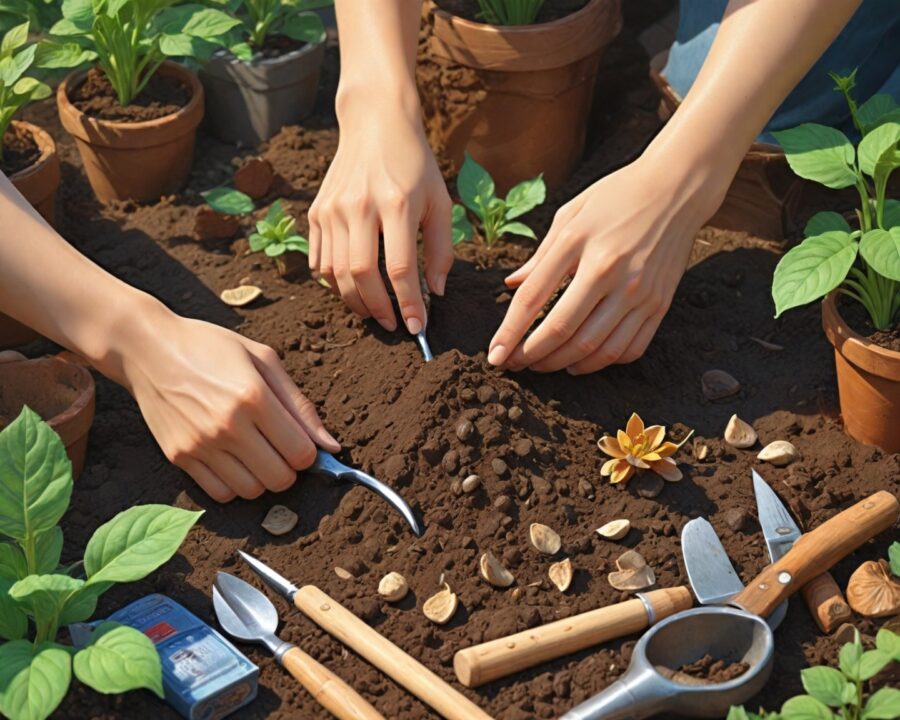
Starting a vegetable garden can be an enriching and fulfilling activity, offering numerous benefits that extend far beyond simply consuming your own produce. The process connects you with nature, enhances your meals, cultivates a sense of responsibility, and provides a rewarding physical outlet. For beginners, stepping into the world of vegetable gardening may seem daunting. However, by understanding a few basic principles and following a step-by-step guide, anyone can transform even the smallest space into a flourishing vegetable haven.
Whether you have a small patio or a vast backyard, initiating a vegetable garden can adapt to your space and schedule. As you embark on this journey, recall the countless rewards: improved health from organic produce, reduced grocery bills, and environmental contributions through sustainable gardening practices. This comprehensive guide is designed to equip you with the essential knowledge and practical steps to help you start a vegetable garden successfully.
Understanding the Benefits of Starting a Vegetable Garden
Beginning a vegetable garden holds several significant benefits, both personal and ecological. First and foremost, it offers access to fresh, nutrient-rich produce, often superior in quality and taste to that found in supermarkets. Growing your own vegetables ensures you know exactly what goes into your food, allowing you to avoid pesticides and other chemicals.
From an economic perspective, a vegetable garden can lead to substantial savings over time. While the initial setup might require an investment in tools and seeds, the ongoing cost of maintaining a garden is relatively low. With time, your garden can become a primary source of produce, reducing dependency on grocery store purchases.
Moreover, vegetable gardening contributes positively to the environment. By practicing sustainable techniques such as composting, water conservation, and organic farming, gardeners can significantly reduce their carbon footprint. Plus, gardens can enhance local biodiversity by providing habitats for pollinators and other beneficial creatures.
Choosing the Right Location for Your Vegetable Garden
Selecting the ideal location for your vegetable garden is crucial for its success. Sunlight is a primary consideration, as most vegetables require at least six hours of direct sunlight per day. Observe your space throughout the day to identify areas that receive consistent sunlight.
Also, consider the proximity of your garden to a water source. Since regular watering is vital, having a convenient source of water nearby will make maintenance easier and more efficient. If your only option is a location far from a water source, consider investing in a long garden hose or a drip irrigation system to ensure your plants can receive adequate moisture.
Another important factor is the soil quality in your chosen location. Ideally, the area should have well-draining soil rich in organic matter. If your site lacks ideal soil, consider raising the soil level with raised beds, which you can fill with a custom soil blend for optimal plant health.
Essential Tools and Materials Needed for Gardening
Equipping yourself with the right tools and materials can make your gardening efforts more efficient and enjoyable. At the most basic level, you’ll need a good pair of gloves to protect your hands from soil and sharp objects. A sturdy shovel or spade is essential for digging and moving soil.
For planting and weeding, invest in a hand trowel and a hoe. These tools are indispensable for everyday gardening tasks such as planting seeds and loosening the soil. Additionally, a watering can or garden hose is necessary to ensure your plants receive enough water.
Here’s a simple list of essential gardening tools to consider:
- Gardening gloves
- Shovel or spade
- Hand trowel
- Hoe
- Watering can or garden hose
- Pruning shears
Investing in quality tools will ultimately save you time and effort, and they can last for years with proper care.
Preparing the Soil for Planting Vegetables
Preparing the soil is a critical step in ensuring your vegetable garden will thrive. Start by testing the pH level of your soil to understand its condition. Vegetables generally prefer a pH range between 6.0 and 7.0. Soil test kits are readily available and can provide valuable insights for amending your soil as needed.
Once you understand the soil’s pH level, focus on enhancing its structure and fertility. This can be done by adding organic matter such as compost or well-rotted manure. These materials improve soil drainage, aeration, and nutrient content, fostering a nurturing environment for your plants.
Finally, consider the soil type and amend it based on its properties. For clay-heavy soil, add sand and organic matter to improve drainage. For sandy soil, increase its nutrient content and water retention by mixing in compost and other organic materials.
Selecting the Best Vegetables for Beginners
Choosing the right vegetables is vital for beginners to experience success early on. Some vegetables are easier to grow and maintain than others and are more forgiving of common mistakes. Consider starting with vegetables that are hardy, have a short growing season, and are commonly enjoyed in your meals.
For instance, lettuce and radishes are excellent options for novice gardeners due to their rapid growth and minimal care requirements. Carrots and peas are also easy to grow, with peas having the added benefit of enriching the soil with nitrogen, improving conditions for future plantings.
Tomatoes are a staple in many gardens and, while they require a bit more care, are incredibly rewarding with ample yields. If you have space for a trellis, consider growing cucumbers or beans, both of which can thrive even in compact gardens with vertical structures.
Here’s a simple table with recommended beginner-friendly vegetables:
| Vegetable | Growing Season |
|---|---|
| Lettuce | Spring/Fall |
| Radishes | Spring/Fall |
| Carrots | Spring/Fall |
| Peas | Spring |
| Tomatoes | Summer |
| Cucumbers | Summer |
Planting Seeds and Seedlings: Step-by-Step Guide
Once you’ve selected your vegetables, it’s time to plant your seeds and seedlings. Start by consulting the seed packet or plant label for specific planting instructions, including depth and spacing. Proper spacing is vital to ensure that plants don’t compete for nutrients and sunlight.
-
Prepare the planting area: Ensure the soil is loose and free of weeds. You may want to rake the surface gently to create a smooth, even surface for planting.
-
Plant the seeds/seedlings: Plant seeds at the recommended depth, usually around two to three times the diameter of the seed. For seedlings, dig a hole large enough to accommodate the root ball, then gently place the seedling in and cover with soil.
-
Provide water: Water the newly planted seeds or seedlings immediately to help them establish. Use a gentle spray to avoid disturbing the seeds or seedlings.
-
Label your rows: As a beginner, keeping track of what you’ve planted is essential. Label rows or pots with the vegetable name and planting date for easy reference.
By following these straightforward steps, you’ll be on your way to a successful start.
Watering and Fertilizing Your Vegetable Garden Effectively
Watering and fertilizing your garden effectively is crucial to maintaining healthy plants. Ensure your garden receives consistent moisture, but be careful not to overwater, which can lead to root rot and other issues. The best time to water is early morning, which allows any excess moisture to evaporate in the day’s warmth.
Consider a drip irrigation system for more efficient water usage, allowing for consistent moisture at the plant’s base without unnecessary evaporation. Remember that newly planted seeds and seedlings require more frequent watering until their root systems are established.
Fertilization is crucial to providing continued nutrients for robust growth. Organic fertilizers, such as compost or bone meal, promote sustainable gardening and environmental conservation. Applying a balanced fertilizer every few weeks during the growing season can greatly enhance plant health and productivity.
Common Mistakes to Avoid When Starting a Vegetable Garden
Starting a vegetable garden involves a learning curve, and avoiding common mistakes can lead to greater success. A frequent error is planting too many varieties too soon. Beginners should focus on a few easy-to-grow vegetables to prevent feeling overwhelmed.
Over or under-watering is another challenge. Monitor moisture levels regularly and adjust your watering schedule according to weather conditions and the specific needs of your plants. Using mulch can help retain moisture and reduce the frequency of watering.
Neglecting pest and disease management is also a common oversight. Regularly inspect your plants for signs of damage or distress. Early detection and intervention are key to preventing infestations and protecting your harvest.
How to Deal with Pests and Diseases in Your Garden
Pests and diseases are inevitable challenges in gardening, but effective management can minimize their impact. Encourage beneficial insects such as ladybugs and spiders that naturally control harmful pests over using chemical pesticides that can harm the ecosystem.
Companion planting is another powerful tool; certain plants can deter pests or attract insects that benefit your vegetables. For example, marigolds can repel nematodes and aphids, making them a great addition to the garden.
For diseases, ensure adequate air circulation and avoid overhead watering to reduce the risk of fungal infections. Remove diseased plants promptly to prevent spreading, and consider organic treatments like neem oil for persistent issues.
Harvesting and Maintaining Your Vegetable Garden for Long-Term Success
The culmination of your hard work is the harvest, but knowing the right time is crucial. Each vegetable has a specific timeline for harvesting, influenced by its growth rate and intended size. Regularly check your plants for maturity indicators, such as size, color, and firmness.
After harvesting, continue caring for your garden by clearing out dead plants and weeds. This maintenance preserves soil health and prevents diseases. Incorporate crop rotation in the next planting season to prevent nutrient depletion and manage pests.
Sustainability is key to long-term success. Regular composting, water conservation, and organic practices ensure your vegetable garden remains productive year after year, providing continuous rewards from your efforts.
FAQ
What vegetables are best for beginners?
Beginners should start with easy-to-grow vegetables such as lettuce, radishes, carrots, peas, and tomatoes. These plants are generally hardy, require minimal care, and produce reliable yields.
How often should I water my vegetable garden?
It’s best to water your vegetable garden early in the morning. The frequency will depend on weather conditions and plant needs, but generally, 1-2 inches of water per week is beneficial.
Can I start a vegetable garden in containers?
Yes, container gardening is a great option for those with limited space. Ensure pots have drainage holes and use high-quality potting soil. Vegetables like tomatoes, peppers, and herbs thrive in containers.
How do I improve poor soil quality for vegetable gardening?
Amending poor soil involves adding organic matter such as compost or well-aged manure. These materials enhance soil fertility, texture, and drainage, creating a healthy environment for plants.
What are some natural ways to control pests?
Encouraging beneficial insects, using companion planting, and applying organic treatments like neem oil are effective natural pest control methods. Avoiding chemical pesticides helps maintain ecological balance.
How can I extend my vegetable garden’s growing season?
Techniques like using row covers, cold frames, and greenhouses can extend the growing season by protecting plants from extreme temperatures. These methods create a controlled environment favorable for plant growth.
When is the best time to plant a vegetable garden?
Spring is the ideal time for most vegetables, but specific timing can vary based on the vegetable type and local climate. Check seed packets and plan according to your region’s planting schedule.
What is companion planting, and how can it help?
Companion planting involves growing certain plants together to achieve benefits like pest control, improved nutrient uptake, and better growth. For example, planting basil with tomatoes can enhance flavor and deter pests.
Recap
This guide provides a comprehensive overview for beginners eager to embark on their vegetable gardening journey. From understanding the benefits and selecting the best location to effective planting and pest management strategies, this article offers practical insights. Remember, choosing beginner-friendly vegetables and avoiding common mistakes are vital first steps. Consistent maintenance, combined with sustainable practices, will ensure the long-term success of your vegetable garden.
Conclusion
Starting a vegetable garden is a rewarding endeavor that combines creativity, sustainability, and practicality. As you immerse yourself in the practice, you’ll discover that the joy of seeing seeds transform into lush, productive plants is incomparable. The tangible benefits of homegrown produce, along with the mental peace that gardening provides, make it a worthwhile pursuit.
While challenges like pests or weather conditions may arise, the key to success lies in preparation and persistence. Embrace each lesson, and treat every setback as an opportunity to learn. Reflect on the progress your garden makes throughout the seasons, and savor the satisfaction of nurturing growth.
By following the steps outlined in this guide, even a novice gardener can cultivate a thriving vegetable garden, transforming their space into an oasis of greenery and a source of nutritional bounty. With time and care, your garden can become a cherished aspect of your lifestyle, yielding benefits for years to come.