
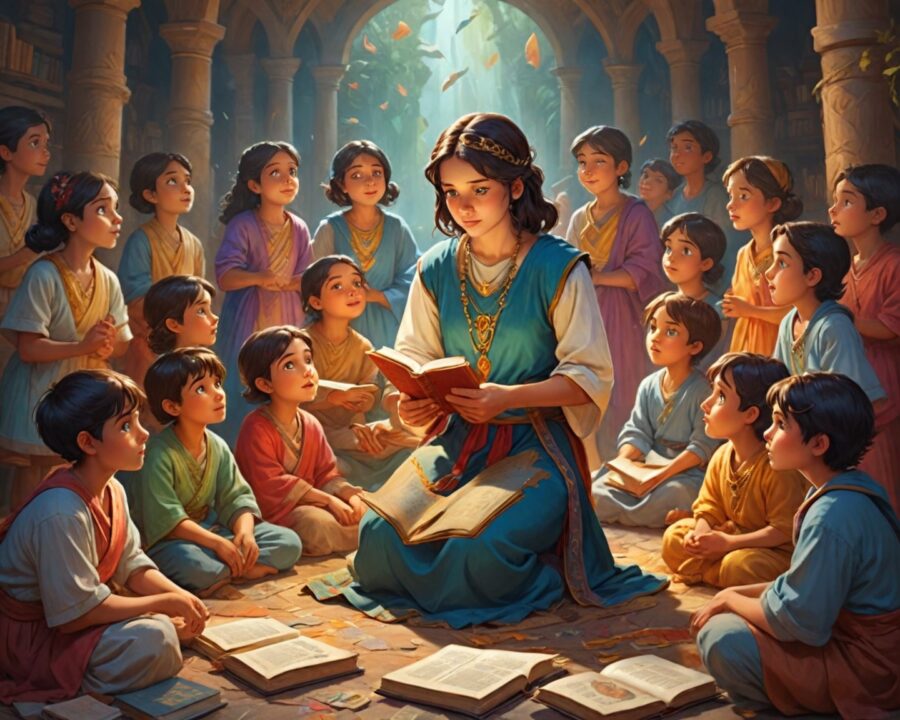
Teaching children about mythology can be a rewarding endeavor that opens them up to a world full of fascinating stories and rich cultural heritage. Mythology spans across different cultures and introduces kids to the intricacies of ancient narratives, heroic quests, and moral dilemmas. Engaging children with mythology from an early age not only broadens their knowledge but also stimulates their imagination and creativity. This adventure into the past provides them with insights into human nature, cultural differences, and timeless themes that are as relevant today as they were centuries ago.
Introducing kids to mythology is not just about sharing old tales. It’s about helping them develop a deep understanding of the values, customs, and beliefs that have shaped societies throughout history. By exploring mythological stories, children gain an appreciation for storytelling as an art form and a means of encoding complex ideas in metaphorical ways. Understanding these stories allows children to see beyond the superficial aspects of myths to their underlying meanings, developing critical thinking skills in the process.
Why Teaching Mythology to Kids is Important
Teaching mythology to kids carries great importance because it connects them to a legacy of stories that transcend time and place. These tales convey fundamental human truths and shared experiences, allowing children to gain a sense of their cultural and historical roots. Moreover, mythology is a fantastic gateway to understanding how societies have evolved and how cultures interact with each other over time.
Another important aspect of teaching mythology to children is that it enhances their literary and language skills. Myths are often filled with rich and varied vocabulary, intricate plots, and complex characters. This complexity challenges children to expand their linguistic abilities and improve their comprehension skills. Additionally, mythology encourages children to explore symbolism and metaphor, developing their ability to interpret deeper meanings within texts.
Furthermore, mythology provides a platform for children to explore moral and ethical questions. Myths often contain lessons about right and wrong, courage, loyalty, and the consequences of actions. By examining these themes, children can engage in meaningful discussions, learn to navigate moral dilemmas, and reflect on their personal values and beliefs. This moral exploration is crucial in helping kids develop empathy and an understanding of the world around them.
Understanding the Basics of Mythology for Children
To effectively teach mythology to children, it’s important to start with the basics and ensure they have a good grasp of what mythology is. Simply put, mythology refers to the collection of traditional stories belonging to a particular culture that explain its worldview, beliefs, and customs. These stories usually involve gods, heroes, and mythical creatures and are often considered sacred or highly significant in the culture they originate from.
Different cultures have different mythologies, such as Greek, Roman, Egyptian, and Norse, to name a few. Each of these cultures has its own unique set of stories and characters. For instance, Greek mythology is known for its gods like Zeus and Athena, while Norse mythology is famous for its tales of Odin and Thor. Introducing children to a broad spectrum of mythologies can give them a well-rounded view of world cultures and perspectives.
When teaching children about mythology, it’s important to highlight the myths as stories that were passed down orally before being recorded in writing. This oral tradition explains why there are often multiple versions of the same myth. By understanding mythology’s role as a storytelling tradition, children can appreciate the dynamic and evolving nature of myths and how they have been adapted over time.
How to Make Mythology Lessons Fun and Engaging
To keep children engaged and excited about learning mythology, it is essential to create lessons that are fun, dynamic, and interactive. Engaging kids with captivating activities can make mythology lessons more enjoyable and memorable for them. Here are some strategies to accomplish this:
-
Use Visual Aids: Incorporate colorful illustrations, comics, and animated videos that depict mythological stories. Visual aids help children better understand and remember the stories, making them more relatable and less abstract.
-
Interactive Discussions: Encourage open discussions where kids can ask questions and share their interpretations of the stories. This interaction allows them to explore different viewpoints and express their thoughts and feelings about the myths.
-
Role-Playing: Organize role-playing activities where children can act out their favorite mythological characters and scenes. This hands-on approach helps kids immerse themselves in the stories and fosters a deeper connection with the material.
Additionally, connecting mythology to the interests of children can make these lessons more appealing. For instance, relating heroic tales to contemporary superheroes or likening legendary quests to popular adventure films can capture the imagination of young minds and make the material more relevant to their world.
Creative Storytelling Techniques for Teaching Mythology
Storytelling is an art that lies at the heart of mythology and is pivotal in how these ancient tales are taught. Using creative storytelling techniques can transform the learning experience and stimulate children’s imagination, enhancing their engagement with the material.
One effective technique is storyboarding, where kids break down a myth into major scenes and illustrate each part on a story board. This helps them understand and retain the sequence of events and the structure of the story. It also encourages creativity as they are free to provide their own interpretations through their drawings.
Personalization is another powerful tool. Encourage children to reimagine a myth from a different character’s perspective or using modern settings. This not only makes the story more engaging but also helps them develop empathy by considering multiple viewpoints. It also encourages critical thinking as they analyze how changes in perspective can alter the narrative.
Finally, voice modulation and sound effects can bring narratives to life. Teachers can use different voices for different characters, incorporating sound effects to illustrate actions like thunder or a dragon’s roar. Such auditory cues make storytelling more vivid and captivating, helping children to visualize the action in their minds.
Using Games and Activities to Teach Mythology
Games and activities provide an excellent avenue for making mythology lessons fun and interactive. They allow children to engage with myths in a playful and memorable way, fostering both learning and enjoyment.
Mythology Bingo
Create a bingo game that features characters, symbols, and places from different mythologies. For example, a bingo card could include spaces for “Zeus,” “Mjölnir (Thor’s hammer),” and “Mount Olympus.” As kids learn about each component, they can mark it on their card, and prizes can be awarded for making lines.
Historical Treasure Hunt
An activity like a treasure hunt can help children explore mythological themes and symbols. Each clue can be linked to a specific myth and require kids to solve puzzles or answer questions to receive the next clue. This encourages problem-solving while reinforcing their knowledge of the myths.
Crafting and Art Projects
Encourage children to create their own versions of mythological artifacts, like Greek vases or Norse shields. Such projects not only provide a tactile experience but help children develop a deeper understanding of the cultural significance of these objects.
By using games and activities, educators can turn mythology lessons into exciting adventures that promote active participation and discovery.
Incorporating Mythology into Everyday Learning
Integrating mythology into everyday learning can make it a continuous and immersive experience for children. By linking myths to other subjects, teachers can highlight their relevance and enrich students’ educational journey.
Literature Connection
Mythology has influenced countless literary works, making it a perfect complement to literature classes. Teachers can point out mythological references in classic and modern literature, helping students see how myths continue to shape storytelling and language.
Science and Nature
Myths often involve elements of nature, such as the Greeks’ explanations of natural phenomena through gods like Poseidon for the sea. This connection provides an opportunity to discuss scientific concepts in a mythological context, enhancing students’ understanding of both subjects.
History and Culture
Studying myths allows children to explore historical contexts and cultural diversity. By examining how myths reflect societal values and worldviews, students gain insights into the beliefs and practices of ancient civilizations.
Integrating mythology into multiple aspects of learning helps children appreciate its wide-reaching significance and promotes a holistic educational approach.
Addressing Common Challenges in Teaching Mythology to Kids
While teaching mythology is rewarding, it also comes with certain challenges. Understanding these difficulties can help educators find effective solutions and ensure that children have a positive learning experience.
One challenge is dealing with the complexity of myths, which can be difficult for young children to understand. To address this, educators should simplify stories and focus on key elements, avoiding overwhelming details. Using age-appropriate language and breaking stories into manageable parts can make them more accessible to young learners.
Another issue is the potential for cultural misunderstandings. Since myths often contain cultural references unfamiliar to children, teachers should provide necessary context and explain the cultural significance behind the stories. This builds cultural sensitivity and appreciation for diversity.
Finally, educators may face difficulty maintaining students’ engagement over time. To combat this, varied teaching methods and resources should be used to keep lessons fresh and exciting. Incorporating technology, interactive activities, and diverse media can sustain children’s interest and eagerness to learn.
Recommended Resources for Teaching Kids Mythology
With the vast amount of mythological content available, finding the right resources for teaching children can be daunting. Here are some recommended resources that simplify the process and enhance the learning experience.
| Resource Type | Description |
|---|---|
| Books | “D’Aulaires’ Book of Greek Myths” by Ingri and Edgar Parin d’Aulaire offers beautifully illustrated and engaging retellings of Greek myths for children. |
| Websites | Mythology for Kids – an online platform providing kid-friendly explanations, games, and quizzes about different mythologies. |
| Apps | Heroes & Myths – Kids Mythology Stories – an interactive app designed to teach children about myths through engaging storytelling and games. |
| Podcasts | “Mythical Monsters” – a podcast that introduces kids to mythical creatures through entertaining stories and fascinating facts. |
Utilizing diverse resources ensures a comprehensive and enjoyable approach to teaching mythology, catering to different learning styles and interests.
Practical Examples of Fun Mythology Lessons
Introducing practical examples of mythology lessons can inspire educators to create engaging activities that captivate children’s interests. Here are a few ideas to consider:
Mythological Mapmaking
Have students create a map of a mythological world they are studying. This includes drawing landmarks mentioned in various myths and crafting a journey based on a specific story they’re learning. This activity helps children visualize the geography of mythological tales and connect different stories.
Interactive Story Circles
Organize a story circle where each child takes turns narrating a part of a chosen myth. Encourage them to incorporate gestures, expressions, and sound effects to enhance the story. This exercise promotes teamwork and creativity while deepening their understanding of the narrative structure.
Designing a Mythical Zoo
Invite kids to design a zoo featuring mythical creatures from various myths. Each child chooses a creature, researches its background, and either draws or creates a small model of it. This project blends creativity with research skills, allowing students to explore different mythologies.
By incorporating these hands-on activities, teachers can create an immersive educational experience that makes mythology both enjoyable and informative.
Next Steps: Encouraging Kids to Explore Mythology Further
As children develop an interest in mythology, it’s important to encourage them to continue exploring these stories independently. Here are some ways to inspire their further engagement with mythology.
Encourage kids to read additional myths or explore new cultures’ mythologies. Providing them with age-appropriate books and resources enables them to independently delve deeper into mythological tales and discover stories that resonate with them personally.
Organize a mythology-themed club or event where children can come together to discuss myths, share their interpretations, and present creative projects or performances. This community setting fosters collaboration and recognition, motivating children to conduct further exploration.
Lastly, ignite curiosity by connecting mythology to current interests, such as movies, video games, or art, highlighting modern adaptations and inspirations from ancient stories. This demonstrates the timeless appeal of mythology and its influence on contemporary culture, encouraging children to seek out mythological themes in their everyday lives.
FAQ
What age is appropriate for introducing children to mythology?
Children can be introduced to mythology as early as preschool with simple stories and age-appropriate adaptations. As they grow older, they can explore more complex myths and themes.
How can I explain unfamiliar cultural references in myths to children?
Provide simple explanations and context for cultural references, and relate them to familiar concepts from the child’s own culture to aid understanding.
What should I do if a child finds certain myths scary or disturbing?
Respect the child’s feelings and offer alternative myths that match their comfort level. Discuss the themes openly and provide reassurance to alleviate fears.
How can mythology help with learning other subjects?
Myths can enhance learning by connecting to literature, history, art, and science, providing a multidisciplinary approach that enriches overall education.
Should educators focus on one culture’s mythology or multiple?
Expose children to multiple cultures’ mythologies to build cultural awareness and recognition of diverse beliefs and narratives.
Can mythology education positively impact a child’s creativity?
Yes, engaging with imaginative stories and characters in mythology stimulates creativity and encourages children to think outside the box.
Are there any concerns about addressing religious themes in mythology?
Approach myths as cultural stories and historical artifacts, emphasizing their role in understanding human cultures and respecting diverse beliefs.
How can parents support their child’s interest in mythology at home?
Parents can read mythological stories with their children, discuss related topics, and encourage activities such as drawing or reenacting scenes from myths.
Recap
In this article, we have discussed the importance of teaching mythology to children and explored various strategies to make it fun and engaging. We touched on the basics of mythology for young learners and offered creative storytelling techniques to spark their interest. Additionally, we highlighted the use of games and activities to make lessons interactive, and discussed the integration of mythology into other areas of learning. Common challenges in teaching mythology were addressed, with solutions provided to overcome them. A selection of recommended resources was reviewed, offering valuable aids for both educators and parents. Several practical lesson ideas were shared, promoting hands-on learning experiences. Lastly, we offered guidance on encouraging children to further explore mythology independently.
Conclusion
Teaching mythology to children can be an enriching and enjoyable experience that opens up a world of wonder, culture, and learning. By creating engaging lessons, utilizing diverse resources, and connecting myths to everyday learning, educators have the tools they need to foster an enduring appreciation for these timeless stories. As children connect with the captivating tales of gods, heroes, and mythical creatures, they’re not just learning about the past—they’re developing skills and insights that will benefit them throughout their lives.
Empowering children to explore mythology further encourages a lifelong curiosity that transcends cultural boundaries, enriching their understanding of the world. By nurturing their interest in these stories, educators and parents alike can inspire a new generation to appreciate the power of storytelling and the wisdom embedded in ancient myths.