
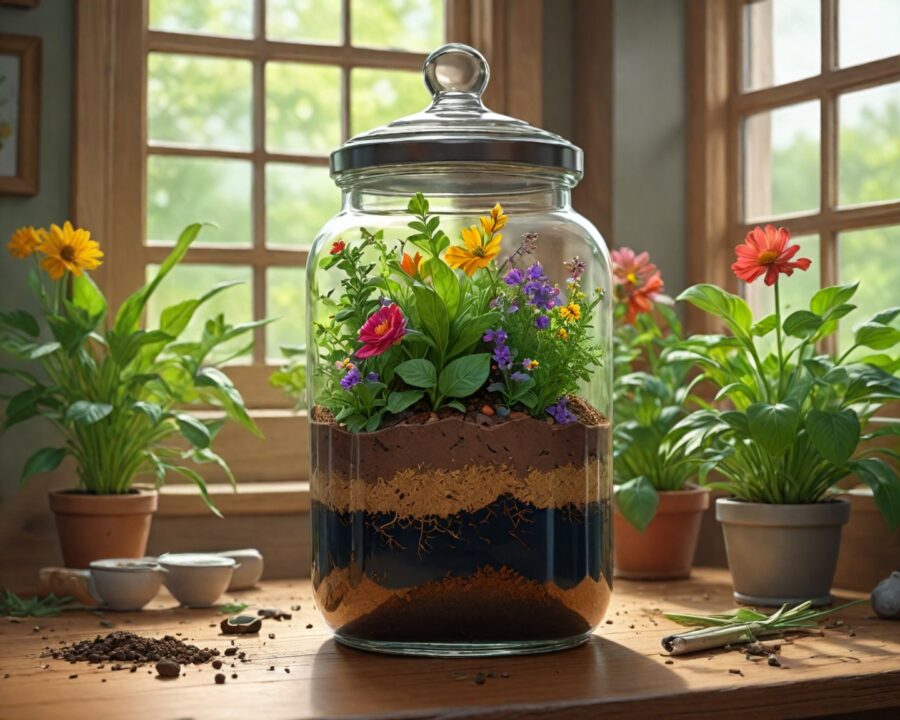
Introduction to Kitchen Scraps as Fertilizer
In an era where sustainability and environmental consciousness are more important than ever, using kitchen scraps as fertilizer presents a fantastic opportunity to reduce waste and enrich your garden naturally. Many people are beginning to recognize the potential of kitchen waste, not only in minimizing landfill contributions but also in enhancing soil quality for better plant growth. This ingenious method is not only cost-effective but also aligns beautifully with efforts to recycle and reuse what we have, turning potential waste into a valued resource.
The concept of kitchen scraps composting is straightforward but can significantly impact the vitality of your garden. By breaking down organic waste made up of vegetable peels, fruit skins, coffee grounds, and more, you can create a rich, nutrient-dense fertilizer ideal for nourishing your outdoor spaces. This process taps into the natural decomposition cycle, providing a sustainable method for recycled gardening. With increasing concerns about chemical fertilizers’ environmental impact, composting has emerged as a powerful alternative, making it a practical choice for gardeners looking to reduce their carbon footprint while enhancing plant growth.
Benefits of Using Kitchen Scraps for Gardening
Turning kitchen scraps into fertilizer offers numerous benefits that extend beyond waste reduction. First and foremost, it results in nutrient-rich soil, crucial for the growth and health of plants. The organic matter from kitchen scraps decomposes into humus, the building block of fertile soil, which aids in improving soil structure, water retention, and nutrient availability. This, in turn, leads to more robust plant growth and healthier yields in vegetables and flowers alike.
Another significant benefit is cost savings. Utilizing kitchen scraps reduces the need to purchase commercial fertilizers, which can be expensive and filled with synthetic chemicals. By investing in composting, you leverage materials you already have, which reduces garden expenses in the long run. Moreover, it’s an enriching hobby that personalizes the gardening experience, offering satisfaction from using homemade compost to nurture your plants.
Beyond the garden, composting has broader environmental benefits. It helps divert significant amounts of waste from landfills. Organic waste in landfills is problematic because it produces methane, a potent greenhouse gas. By composting your kitchen scraps, you contribute to reducing these emissions, supporting global efforts to combat climate change. By embracing composting, you actively contribute to creating a more sustainable ecosystem in your community.
Types of Kitchen Scraps Suitable for Composting
When starting your composting journey, understanding which kitchen scraps are suitable is crucial for effective decomposition and soil enrichment. Not all kitchen waste is created equal, so knowing what to include can enhance your composting success.
-
Fruits and Vegetables: Most fruit and vegetable scraps are excellent for composting. This includes apple cores, banana peels, citrus rinds, potato skins, leafy greens, and even overripe produce. These materials are rich in nitrogen, which is essential for the microbial processes that break down compost.
-
Coffee Grounds and Tea Bags: Coffee grounds are a fantastic addition, providing nutrients like nitrogen, magnesium, and potassium. Used tea bags (avoid those with synthetic fibers) contribute similarly and are often biodegradable.
-
Eggshells: While they break down slowly, eggshells add calcium to the compost, which is essential for plant cell wall development. Crushing them before adding to the pile speeds up decomposition.
On the other hand, some items should be avoided to prevent attracting pests or slowing the composting process. These include:
- Meat and Dairy Products: These items can cause odor issues and attract animals.
- Greasy and Oily Foods: These take longer to break down and can create odors that attract pests.
- Diseased Plants and Weeds with Seeds: These can introduce pests or seeds back into your garden if not thoroughly composted.
Step-by-Step Guide to Composting Kitchen Scraps
Embarking on a composting journey might seem daunting, but breaking it down into manageable steps makes the process straightforward and rewarding. Here’s a comprehensive guide to get you started:
-
Choose Your Composting Method: Determine whether you want to go with traditional outdoor composting bins or a more contained method like vermicomposting. Bin systems are great for larger yards, while indoor methods like worm bins are ideal for those with less space.
-
Collect Your Scraps: Designate a small bin in your kitchen for scraps. Make sure it’s easy to access while cooking. Remember to include the right scraps: fruit peels, vegetable clippings, eggshells, coffee grounds, and tea bags.
-
Balance Greens and Browns: Successful composting relies on balancing nitrogen-rich “greens” (like vegetable scraps) and carbon-rich “browns” (such as dry leaves, paper, and straw). A good rule of thumb is to aim for one part greens to two or three parts browns.
Greens (Nitrogen) Browns (Carbon) Ratio Recommendation Fruit scraps Dry leaves 1 part greens Vegetables Straw 2-3 parts browns Coffee grounds Paper Balance accordingly -
Turn Your Pile: Regularly turning your compost pile enhances aeration, speeding up the decomposition process. Aim to turn the compost every week or two.
-
Monitor Moisture Levels: Keep your compost at the consistency of a damp sponge. Too wet, and it’ll become anaerobic; too dry, and decomposition will slow.
-
Patience and Harvest: Nature takes time to transform your scraps into valuable humus. Typically, compost takes 3-6 months to mature, depending on environmental factors.
Common Mistakes to Avoid When Composting
Even seasoned composters can fall prey to common pitfalls that hinder the decomposition process or result in poor-quality compost. Avoid these mistakes to ensure your composting efforts are fruitful:
-
Ignoring the Balance: Overloading your pile with one type of material — particularly too many greens — can result in an off odor. Maintaining the right green-to-brown ratio helps control this.
-
Overlooking Aeration: Failing to aerate your pile allows anaerobic bacteria to take over, slowing decomposition and causing foul smells. Turning your pile regularly prevents this problem.
-
Too Much or Too Little Moisture: Compost is a living ecosystem needing balanced moisture. Too little moisture stalls bacterial activity, while excess moisture can create anaerobic conditions.
-
Adding the Wrong Items: Meat, dairy, and fats can bring unwanted visitors and odors. Similarly, glossy papers or treated wood shavings should stay out as they may contain harmful chemicals.
-
Letting the Pile Settle: Without regular stirring, compost layers compact, limiting oxygen supply. Stirring the pile frequently throughout the composting process ensures steady decomposition.
How to Speed Up the Composting Process
While composting naturally takes time, several strategies can accelerate the process, allowing you to enjoy your nutrient-rich soil more quickly. Here’s how you can speed things up:
-
Shred and Chop Materials: Breaking down larger scraps into smaller pieces increases the surface area exposed to microbial activity, hastening decomposition. Blending or chopping scraps before composting makes a significant difference.
-
Maintain Optimal Conditions: Keep your compost at the right moisture level and ensure it’s receiving adequate air. Proper positioning in a sunny spot can also help maintain warmth, quickening microbial activity.
-
Add Compost Activators: You can introduce commercial compost starters or natural activators like garden soil or manure to boost the microbial community’s presence, effectively jumpstarting the decomposition process.
-
Turn Frequently: Frequent aeration through turning the compost pile is crucial. Aim to turn at least once a week to ensure the compost is well-oxygenated, facilitating faster breakdown.
-
Manage Size and Volume: Larger piles naturally retain heat better, which accelerates breakdown. Aim for at least a 3x3x3 foot volume for ideal heat and microbial activity retention.
Using Composted Kitchen Scraps in Your Garden
Once your kitchen scraps have fully composted, you have a nutrient-rich treasure trove ready to benefit your garden. Composted material, often referred to as “black gold,” offers substantial advantages when integrated into garden soil.
-
Revitalize Garden Beds: Mix the compost into existing garden beds to improve soil structure, water retention, and nutrient availability. Doing so prepares your garden for planting, fostering healthier and more productive growth.
-
Mulch for Protection: Apply a layer of compost around plant bases as mulch. This practice reduces soil erosion, conserves moisture, and inhibits weed growth, all while slowly releasing nutrients into the soil.
-
Seed Starting Mix: Enhancing seed starting mixtures with compost adds essential nutrients that give seedlings a strong start. Combine it with sand or coco coir for a balanced, fertile seed mix.
-
Container Gardening: Enrich potting soil with compost to boost nutrients and improve aeration and water retention. Use it as an amendment to refresh container gardens at the start of each growing season.
Addressing Common Concerns About Composting at Home
Despite its benefits, home composting can seem daunting due to various misconceptions and concerns. Addressing these fears helps demystify the process, encouraging more gardeners to embrace kitchen scrap composting.
Will my compost pile smell bad?
A well-managed compost pile should not have a strong odor. Odorous compost results from improper aeration or an imbalance between green (nitrogen-rich) and brown (carbon-rich) materials. Regularly turning your pile and ensuring proper ratios mitigates this issue.
Does composting attract pests?
Properly maintained compost piles generally don’t attract pests like rodents or insects. Avoid adding meat, dairy, fats, or other prohibited items, as these attract unwanted creatures. Also, a closed bin can help keep animals at bay.
Is composting complicated?
Though the details may appear complex, composting is guided by simple principles. Understanding the basics of what to add, balance, and turn the pile takes much of the complication out of composting. Many find it quickly becomes second nature.
Can I compost year-round?
Yes, composting can continue throughout the year, although decomposition may slow during cold months. Insulating your compost bin or using kitchen scraps ensures you can keep adding to the pile even during winter months.
Is composting time-consuming?
While composting does require some attention, it need not be very time-consuming. Setting up the appropriate system for your lifestyle—whether it’s a simple outdoor bin or vermicomposting—is key to maintaining a low-maintenance composting regimen.
Tips for Maintaining a Sustainable Composting System
As you refine your composting practice, maintaining a sustainable system becomes central. Sustainability ensures your efforts benefit both your garden and the broader environment, minimizing waste while creating nutrient-rich outputs.
-
Continue Educating Yourself: Learning about composting techniques and troubleshooting enhances your approach and ensures you’re getting the most viable results. Keep up with gardening forums, blogs, and community groups.
-
Involve Your Community: Encourage others in your neighborhood or gardeners’ community to start their composting journey. Collective efforts amplify benefits, foster shared learning, and build a collaborative environment.
-
Monitor and Adjust: Adaptation is key to sustainability. Regularly assess your compost system, paying attention to what’s working and what’s not. A flexible approach ensures your system evolves with changing needs.
-
Integrate with Other Sustainable Practices: Combine composting with other eco-friendly gardening practices, such as rainwater collection, permaculture layouts, and organic pest management, for a holistic approach to sustainability.
Next Steps: Expanding Your Composting Efforts
Once comfortable with kitchen scraps composting, you might consider expanding your efforts for greater environmental impact and garden gain. There are ample opportunities for growth in this respect.
-
Compost on a Larger Scale: Explore options to compost neighborhood yard scraps or connect with local schools or community groups to manage larger composting projects that benefit a broader community.
-
Explore Vermicomposting: Vermicomposting (worm composting) is a fantastic way to process food waste that may not work with traditional systems, such as small amounts of dairy or bread.
-
Establish a Compost Exchange: Organize a system for exchanging compostable materials with neighbors, ensuring garden waste gets utilized efficiently and everyone benefits from a communal compost supply.
FAQ Section
What are the best kitchen scraps for composting?
The best kitchen scraps include fruit and vegetable peels, eggshells, coffee grounds, and tea bags. These items decompose efficiently and contribute nutrients necessary for developing rich compost.
Is it safe to compost at home?
Yes, home composting is safe as long as you follow proper guidelines. Avoid composting meat, dairy, and oily foods to reduce the risk of attracting pests or producing odors.
How long does it take for kitchen scraps to become compost?
Typically, it takes between 3 to 6 months for kitchen scraps to fully decompose into useable compost, depending on factors like pile size, material balance, aeration, and temperature.
Can I compost citrus peels?
Yes, citrus peels can be composted but should be added in moderation to prevent pH imbalances in your pile. Cutting them into smaller pieces helps speed up decomposition.
How can I tell when my compost is ready?
Your compost is ready to use when it has turned into a dark, crumbly, soil-like substance with no recognizable food remnants, and it has an earthy smell. This signals that decomposition is complete.
Recap
We’ve explored the transformative potential of kitchen scraps composting, a method that turns everyday waste into a powerful tool for nurturing your garden. By using the right scraps, balancing compost ingredients, and avoiding common mistakes, you can create a nutrient-rich product, benefiting both plants and the environment. Composting provides cost savings, ecological benefits, and ultimately a more sustainable way to manage organic waste in your household.
Conclusion
Composting with kitchen scraps offers an accessible, practical approach to achieving sustainability in your everyday life. As we discussed, it transforms food waste into a valuable resource, enriching your garden and reducing landfill contributions. This aligns with broader environmental goals while personally benefiting your garden through improved soil and plant health.
Beyond its practical implications, composting is an empowering practice, granting gardeners greater control over the materials that nourish their gardens. Whether using traditional outdoor composting bins or innovative methods like vermicomposting, this process is versatile and adaptable to diverse living situations, making it suitable for anyone interested in a greener practice.
Finally, as you advance in your composting journey, consider expanding your efforts to involve community and explore new composting methods. By taking these steps, you not only enhance your garden but also contribute to wider sustainability efforts, fostering a culture of environmental responsibility. Composting not only regenerates the earth but also reinforces our commitment to living sustainably and sustainably managing resources.