
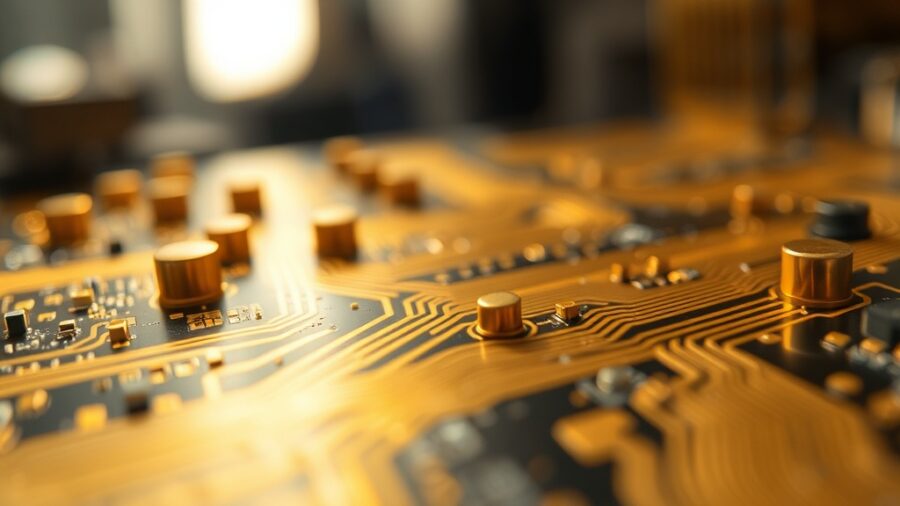
Gold Electroplating Industrial Use: An Overview
Gold electroplating industrial use has become increasingly significant in various sectors, due to its unique properties and advantages. This process involves the deposition of a thin layer of gold onto a substrate, which can be made from different materials. The primary reason for using gold in electroplating is its excellent conductivity, corrosion resistance, and aesthetic appeal. As industries evolve, understanding the intricacies of gold electroplating becomes essential for manufacturers and engineers alike.
This article delves into the gold electroplating process, its applications across various industries, and the advantages and challenges it presents. By the end of this piece, readers will gain a comprehensive understanding of how gold electroplating contributes to modern manufacturing and technology, along with insights into future trends. We will also explore frequently asked questions to clarify common doubts regarding this fascinating topic.
The Importance of Gold in Electroplating
The choice of gold as a material for electroplating stems from its unique properties that enhance the performance of various products. Gold’s ability to resist tarnishing and corrosion makes it an ideal choice for electronic components, ensuring longevity and reliability. Furthermore, its excellent electrical conductivity is crucial for applications in the electronics industry.
Beyond functionality, gold also adds an aesthetic value to products, particularly in the luxury goods sector, such as jewelry and high-end watches. This dual role of gold—both functional and decorative—underlines its importance in industrial use, making it a material of choice across multiple industries.
Gold Electroplating Process Overview
The gold electroplating process involves several key steps that ensure the successful deposition of gold onto a substrate. It typically begins with surface preparation, where the substrate is cleaned to remove any contaminants that could interfere with adhesion. Following this, the substrate is immersed in an electrolyte solution containing gold ions.
Once immersed, an electric current is passed through the solution, causing gold ions to be reduced and deposited onto the substrate. The thickness of the gold layer can be controlled by adjusting the duration of the plating process. This precision allows manufacturers to achieve the desired specifications for their products, whether they require a thin layer for aesthetic purposes or a thicker layer for enhanced conductivity.
Applications of Gold Electroplating in Electronics
Key Uses in Electronic Components
One of the most prominent applications of gold electroplating is in the electronics industry. Gold is used to plate connectors, pins, and circuit boards due to its superior electrical conductivity. For instance, gold-plated connectors provide reliable connections in high-performance electronic devices, such as smartphones and computers.
Additionally, gold electroplating is often employed in critical components like semiconductor devices, where even the smallest amount of contamination can lead to failure. The gold layer protects these components, ensuring their functionality and durability over time.
Enhancing Performance and Reliability
The use of gold electroplating in electronics significantly enhances performance and reliability. Gold’s resistance to oxidation and corrosion ensures that electrical connections remain intact, even in harsh environments. This is particularly important in aerospace and automotive applications, where equipment is exposed to extreme temperatures and conditions.
Moreover, gold’s biocompatibility makes it suitable for medical devices, where reliability is paramount. For example, in implants and sensors, gold electroplating ensures that the devices function effectively without causing adverse reactions in the body.
Gold Electroplating in Jewelry Manufacturing
Creating Luxurious Finishes
In the jewelry industry, gold electroplating is widely used to create luxurious finishes on various pieces. This process allows manufacturers to coat less expensive metals with a thin layer of gold, providing the appearance of solid gold jewelry at a lower cost. The technique is particularly popular for fashion jewelry, where trends change rapidly, and affordability is key.
Gold electroplating offers versatility in design, enabling jewelers to create intricate patterns and styles that appeal to a broad audience. The aesthetic qualities of gold, combined with the possibility of layering different colors and finishes, make it a favorite in modern jewelry design.
Durability and Maintenance of Gold-Plated Jewelry
While gold electroplating enhances the beauty of jewelry, it is essential to consider the durability of the electroplated layer. Typically, gold-plated items require careful maintenance to preserve their appearance. The thickness of the gold layer plays a significant role in how long the jewelry retains its luster.
To maintain gold-plated jewelry, it is advisable to avoid exposure to harsh chemicals and abrasive materials. Regular cleaning using mild soaps and soft cloths can help ensure the longevity of the electroplated layer. Understanding these maintenance practices is crucial for consumers who wish to keep their jewelry looking new for an extended period.
The Role of Gold Electroplating in Aerospace
Critical Applications in Aerospace Components
The aerospace industry heavily relies on gold electroplating for various critical components. Gold plating is utilized in connectors, electrical contacts, and other components that require high reliability and performance under extreme conditions. The outstanding properties of gold, such as its resistance to corrosion and excellent conductivity, make it indispensable in this field.
In aerospace applications, components often face harsh environments, including extreme temperatures and exposure to various chemicals. Gold electroplating ensures that these components maintain their integrity, reducing the likelihood of failure during critical operations. For instance, components used in satellite technology often undergo rigorous testing to ensure they can withstand the conditions of space, where gold plating plays a vital role.
Regulatory Standards and Compliance
Gold electroplating in aerospace must adhere to strict regulatory standards and compliance guidelines. Organizations such as the Federal Aviation Administration (FAA) and the European Union Aviation Safety Agency (EASA) set stringent requirements for materials used in aircraft components. This includes certifications for the quality and thickness of gold plating.
Manufacturers must ensure that their processes meet these standards to maintain safety and reliability in aerospace applications. Regular audits and inspections are conducted to verify compliance, ensuring that only the highest quality components are used in aerospace systems.
Comparative Analysis: Gold vs. Other Electroplating Materials
Benefits of Gold Over Alternatives
When comparing gold electroplating to other materials, such as silver or nickel, several advantages emerge. Gold’s superior conductivity and resistance to tarnish make it a preferred choice in many high-tech applications. For instance, while silver may offer good conductivity, it lacks the durability and corrosion resistance that gold provides, making gold a more reliable option in critical applications.
Furthermore, gold’s biocompatibility makes it ideal for medical applications. Unlike other metals that may cause allergic reactions or corrosion, gold is safe for use in biomedical devices, enhancing its appeal in this sector. The long-term performance and reliability of gold often outweigh the initial cost of using this precious metal.
Cost Considerations in Material Selection
Despite the advantages of gold, cost considerations play a significant role in material selection for electroplating. Gold is considerably more expensive than alternatives such as nickel or copper, which can impact overall production costs. However, when factoring in the long-term benefits, such as reduced maintenance and increased product lifespan, gold can be a cost-effective choice in many scenarios.
Manufacturers must conduct a thorough cost-benefit analysis when selecting materials for electroplating. This involves assessing not only the initial costs but also the potential savings associated with enhanced performance and reduced failures over time.
Advantages of Gold Electroplating Over Other Methods
Durability and Longevity
One of the primary advantages of gold electroplating is its durability and longevity. Gold-plated items are less prone to wear and tear, maintaining their appearance and functionality over extended periods. This is especially crucial in industries where reliability is paramount, such as aerospace and electronics.
Moreover, gold’s resistance to corrosion and tarnishing ensures that products retain their quality even when exposed to harsh environments. This durability reduces the need for frequent replacements, leading to cost savings in the long run.
Aesthetic Appeal and Customization
Gold electroplating also offers significant aesthetic appeal, allowing manufacturers to create visually stunning products. The ability to customize gold plating in terms of thickness, color, and finish opens up a world of possibilities for designers. This flexibility is particularly valuable in the jewelry industry, where trends and consumer preferences are constantly evolving.
The aesthetic qualities of gold can elevate the perceived value of products, making them more attractive to consumers. In sectors such as luxury goods and fashion, gold electroplating can significantly enhance marketability.
Challenges and Limitations of Gold Electroplating
Environmental Concerns and Regulations
Despite its advantages, gold electroplating faces several challenges and limitations, particularly concerning environmental concerns. The electroplating process often involves the use of hazardous chemicals that can pose risks to both human health and the environment. As regulations around chemical usage become stricter, manufacturers must adapt their processes to comply with these standards.
Additionally, the disposal of waste materials generated during the electroplating process must be managed carefully to avoid environmental contamination. This requires investment in proper waste treatment systems, which can add to operational costs.
Cost Implications and Material Availability
The cost of gold continues to rise, influenced by market demand and availability. This can pose challenges for manufacturers looking to incorporate gold electroplating into their processes. The volatility of gold prices makes budgeting for projects more complex, often leading companies to explore alternative materials.
Furthermore, the availability of gold can be a limiting factor, particularly for smaller manufacturers. As global reserves deplete, sourcing gold for electroplating may become increasingly difficult, potentially impacting the supply chain.
Future Trends in Gold Electroplating Technology
Innovations in Electroplating Techniques
As industries continue to evolve, so too does the technology behind gold electroplating. Innovations are being made in electroplating techniques that enhance efficiency and reduce costs. For instance, advancements in pulse electroplating have shown promise in improving the quality of gold deposits, resulting in smoother finishes and increased adhesion.
Additionally, the development of eco-friendly electroplating solutions is gaining traction. These alternatives aim to minimize the use of harmful chemicals while maintaining the performance and quality of gold electroplating. This trend aligns with the growing emphasis on sustainability across industries.
Increased Automation and Industry 4.0 Integration
The integration of automation and Industry 4.0 principles into gold electroplating processes is expected to rise. Automation can enhance production efficiency, reduce labor costs, and improve consistency in plating quality. Smart manufacturing technologies, including IoT and data analytics, will enable real-time monitoring and optimization of electroplating processes.
This shift towards automation and digitization will likely lead to more precise and efficient gold electroplating, paving the way for new applications and markets.
Conclusion
In conclusion, gold electroplating industrial use is a multifaceted process with wide-ranging applications across various industries. From electronics to aerospace and jewelry manufacturing, the benefits of gold electroplating are evident in its durability, aesthetic appeal, and reliability. As challenges related to environmental concerns and costs persist, innovations in technology and automation promise a bright future for gold electroplating.
Understanding the intricacies of this process is essential for manufacturers and consumers alike, as it impacts product quality and longevity. As we move forward, staying informed about advancements in gold electroplating will be crucial for leveraging its benefits effectively.
Frequently Asked Questions about Gold Electroplating
What is gold electroplating?
Gold electroplating is a process that involves depositing a thin layer of gold onto a substrate using an electrochemical method. This technique enhances the substrate’s properties, providing benefits such as improved conductivity, corrosion resistance, and aesthetic appeal.
How long does gold electroplating last?
The longevity of gold electroplating depends on several factors, including the thickness of the gold layer and the conditions in which the item is used. Generally, thicker layers last longer, but proper maintenance is also essential for preserving the appearance and functionality of gold-plated items.
Is gold electroplating environmentally friendly?
Gold electroplating can present environmental challenges due to the use of hazardous chemicals. However, advancements in eco-friendly electroplating techniques aim to reduce the environmental impact while maintaining the quality of the gold plating process.
Can gold electroplating be applied to any material?
Gold electroplating can be applied to various materials, including metals and plastics. However, the substrate must be properly prepared to ensure good adhesion and performance of the gold layer.
What are the alternatives to gold electroplating?
Alternatives to gold electroplating include silver, nickel, and copper plating. While these materials may offer lower costs, they often lack the same level of conductivity and corrosion resistance that gold provides, making them less suitable for critical applications.
Key Takeaways
- Gold electroplating is widely used across various industries, including electronics, jewelry, and aerospace.
- The process enhances product performance, durability, and aesthetic appeal.
- Gold’s superior conductivity and corrosion resistance make it a preferred choice for critical applications.
- Environmental concerns and costs are challenges that the industry must navigate.
- Future trends include innovations in electroplating techniques and increased automation.
- Understanding the intricacies of gold electroplating is crucial for manufacturers and consumers.
- Maintaining gold-plated items is essential for preserving their appearance and functionality.
- Alternatives to gold plating exist, but they may not offer the same benefits in terms of performance and reliability.