
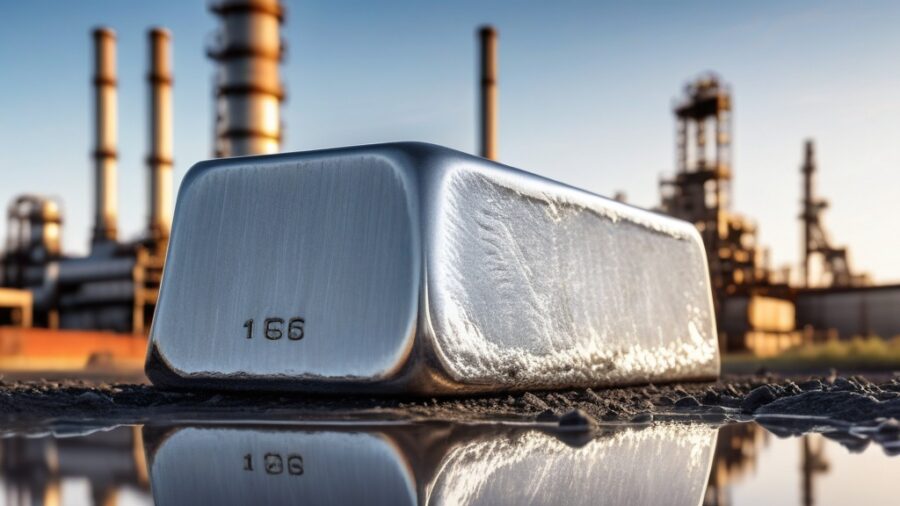
Understanding Palladium and Its Industrial Applications
Palladium, a rare precious metal, has seen a surge in demand due to its diverse industrial applications. The demand for palladium industrial uses is linked to its unique properties, including excellent corrosion resistance and catalytic capabilities. This metal is not only essential in the automotive industry but also plays critical roles in electronics, dentistry, and more. Throughout this article, we will explore the multifaceted uses of palladium and how its significance might evolve in the coming years.
As global industries continue to innovate and expand, the reliance on palladium is becoming more pronounced. The automotive sector predominantly utilizes palladium for catalytic converters, which are vital for reducing harmful emissions. However, its applications extend far beyond this singular use. The growing emphasis on sustainability and environmental responsibility is also driving interest in palladium’s role in various industrial processes.
This exploration of palladium will delve into its key industrial applications, the factors influencing its demand, and the future outlook for this precious metal. By the end of this article, readers will gain a comprehensive understanding of why palladium is a cornerstone in multiple industries and what trends may shape its future.
The Role of Palladium in Catalysis
Palladium’s most renowned application lies in catalysis, particularly in automotive exhaust systems. Catalytic converters, which are essential in modern vehicles, utilize palladium to convert toxic gases into less harmful emissions. This process is vital for meeting stringent environmental regulations worldwide.
Palladium in Catalytic Converters
In 2020, approximately 80% of the global palladium demand stemmed from the automotive sector. The metal facilitates critical reactions that convert carbon monoxide and hydrocarbons into carbon dioxide and water. As governments implement stricter emissions standards, the demand for palladium in catalytic converters is expected to rise further.
Industrial Catalysis Beyond Automotive
Beyond automotive applications, palladium is instrumental in various industrial processes, including hydrogenation and oxidation reactions. These processes are crucial in the production of fine chemicals, pharmaceuticals, and agrochemicals. The versatility of palladium as a catalyst makes it an invaluable resource in these industries, contributing to cleaner production methods and efficient chemical transformations.
Palladium in Electronics and Electrical Components
The electronics industry increasingly relies on palladium due to its excellent conductivity and resistance to oxidation. This precious metal is used in the manufacturing of components such as connectors, capacitors, and circuit boards, where reliability and performance are paramount.
Palladium in Connectors and Capacitors
Palladium’s unique properties allow it to enhance the performance of electronic components. For instance, connectors made with palladium-plated materials offer superior conductivity, reducing energy loss and ensuring efficient operation. Additionally, the use of palladium in capacitors contributes to better energy storage and performance in electronic devices.
The Growing Demand for Palladium in Consumer Electronics
With the rise of smart devices and advanced electronics, the demand for palladium is expected to escalate. For example, the global consumer electronics market is projected to reach $2 trillion by 2025, driving the need for high-quality components that often incorporate palladium. As technology continues to advance, palladium’s role in this sector will likely expand, further solidifying its importance.
Palladium’s Importance in Dentistry
Palladium is not only significant in industrial applications but also plays a crucial role in dentistry. Its biocompatibility and resistance to corrosion make it an ideal material for dental alloys used in crowns, bridges, and other dental restorations.
Palladium in Dental Alloys
Dental alloys containing palladium offer exceptional strength and durability, making them suitable for long-lasting dental solutions. These alloys are often favored over gold due to their lower cost while still providing similar aesthetic and functional benefits. The use of palladium in dentistry has become increasingly common, with a notable rise in demand for dental restorations made from palladium-based alloys.
The Shift Towards More Sustainable Dental Practices
As the dental industry evolves, there is a growing emphasis on sustainability. Palladium, being a precious metal, is often recycled from dental waste, contributing to a more sustainable practice. This trend is expected to continue as dental professionals become more aware of the environmental impact of their material choices, leading to increased demand for palladium in dental applications.
The Future Demand for Palladium: Trends and Projections
The future of palladium demand is shaped by several key factors, including evolving technologies and regulatory frameworks. As industries adapt to new environmental standards and consumer preferences, the demand for palladium is likely to fluctuate.
Emerging Technologies Impacting Palladium Demand
Innovations in electric vehicles (EVs) and hydrogen fuel cells present both challenges and opportunities for palladium. While the rise of EVs may decrease the demand for palladium in traditional catalytic converters, the potential for hydrogen fuel cells could drive new applications for palladium in these technologies.
Regulatory Trends Influencing Market Dynamics
Governments worldwide are tightening emissions standards, which will likely bolster palladium’s role in catalysis. The European Union, for instance, has set ambitious targets for reducing greenhouse gas emissions, directly impacting the automotive industry’s reliance on palladium. As these regulations evolve, industries will need to adapt, further influencing palladium demand.
Environmental Impact of Palladium Extraction
While palladium is invaluable in various industries, its extraction and processing can have significant environmental implications. Understanding these impacts is crucial for developing sustainable practices in palladium usage.
Environmental Concerns in Palladium Mining
Palladium is primarily mined as a byproduct of platinum and nickel extraction. The mining process can lead to habitat destruction, water contamination, and increased carbon emissions. In regions like South Africa and Russia, where most palladium is sourced, the environmental impact of mining operations raises concerns among environmentalists and local communities.
Efforts Towards Sustainable Palladium Practices
In response to these challenges, mining companies and industries are increasingly focusing on sustainable practices. This includes improving extraction methods to minimize environmental damage and investing in recycling programs to recover palladium from end-of-life products. As awareness grows, the industry is working towards balancing the demand for palladium with responsible environmental stewardship.
Conclusion: The Significance of Palladium in Industry
Palladium’s multifaceted applications across various industries underscore its significance in the modern world. From its crucial role in reducing automotive emissions to its importance in electronics and dentistry, the demand for palladium is expected to continue growing. Understanding the dynamics of palladium’s industrial uses helps stakeholders make informed decisions as they navigate the complexities of this precious metal.
As we look towards the future, it is essential to consider both the opportunities and challenges associated with palladium. The development of sustainable extraction and recycling practices will be vital in ensuring that palladium remains a valuable resource without compromising environmental integrity. By embracing these practices, industries can harness the benefits of palladium while contributing to a more sustainable future.
FAQ about Palladium Industrial Uses
What are the primary industrial applications of palladium?
Palladium is primarily used in catalytic converters for vehicles, electronics, and dental alloys. Its unique properties make it invaluable for reducing emissions and enhancing electronic component performance.
How does palladium contribute to environmental sustainability?
Palladium contributes to environmental sustainability by enabling cleaner production methods in industries and being recyclable from end-of-life products. This reduces the need for mining and minimizes environmental impacts.
What is the future outlook for palladium demand?
The future demand for palladium is expected to rise, driven by stricter emissions regulations and emerging technologies like hydrogen fuel cells. However, the shift towards electric vehicles may also influence its market dynamics.
Why is palladium preferred over other metals in dental applications?
Palladium is preferred in dental applications due to its biocompatibility, strength, and corrosion resistance. These properties ensure long-lasting and aesthetically pleasing dental restorations.
What environmental concerns are associated with palladium mining?
Environmental concerns related to palladium mining include habitat destruction, water contamination, and increased carbon emissions. Sustainable practices are essential to mitigate these impacts.
- Palladium is crucial in catalytic converters, accounting for around 80% of its demand.
- The electronics industry is increasingly utilizing palladium for connectors and capacitors.
- Palladium is significant in dental alloys due to its strength and biocompatibility.
- The future demand for palladium may fluctuate with the rise of electric vehicles.
- Environmental impacts of palladium mining necessitate sustainable extraction practices.
- Palladium’s recycling from end-of-life products contributes to sustainability.
- Regulatory trends are shaping the future dynamics of palladium demand.
- Awareness of palladium’s environmental impact is growing among stakeholders.