
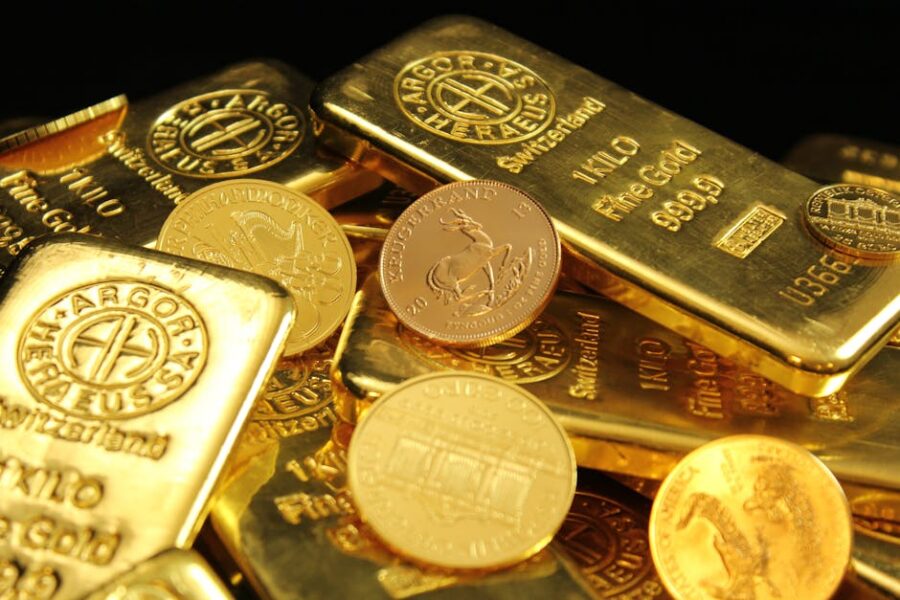
Investing in precious metals has long been considered a strategy for securing wealth and achieving financial stability. Unlike stocks or bonds, precious metals are tangible assets whose value often increases during periods of economic instability. Even though the market for metals such as gold, silver, platinum, and palladium fluctuates, their intrinsic value is less volatile compared to other investment avenues. This makes them an attractive option for individuals seeking to protect and grow their wealth over the long term.
In recent years, the appeal of precious metals investments has surged, thanks in part to global economic uncertainties and inflation concerns. Investors are looking for reliable ways to diversify their portfolios and hedge against inflation and currency depreciations. As a result, understanding the potential and strategies for investing in precious metals has become more important than ever. This article will guide you through the advantages and considerations of precious metals investments, offering insights on how to effectively integrate these assets into your financial strategy for lasting security.
Introduction to Precious Metals as an Investment
Precious metals have been valued throughout human history for their rarity, beauty, and industrial uses. The allure of these metals stems not only from their aesthetic appeal but also from their physical properties, which make them invaluable in various industries. Gold, for instance, is both a universal monetary standard and a key component in electronics, while silver is utilized in everything from jewelry to solar panels.
Investment in precious metals can take many forms. Whether it’s purchasing physical bullion, acquiring coins, or investing in exchange-traded funds (ETFs) that track metal prices, there are numerous ways to add these assets to your portfolio. The market for precious metals is global, meaning that prices tend to respond to worldwide economic events rather than localized issues, providing a level of protection against regional economic fluctuations.
For many investors, precious metals represent a safe haven during financial uncertainty. While their prices can be subject to short-term volatility, they often retain value over the long term, acting as a protective hedge against inflation and currency devaluation. Thus, they are frequently considered a prudent addition to any diversified investment strategy, offering a balance between risk and security.
Benefits of Investing in Gold, Silver, and Other Metals
Precious metals offer several benefits as part of a diversified investment strategy. One of the primary advantages is their ability to serve as a hedge against inflation. Unlike fiat currency, which can lose value as governments print more money, precious metals tend to hold their value or even appreciate when inflation rates rise, preserving purchasing power.
Another benefit of investing in precious metals is their role in diversification. When stock markets experience volatility, precious metals often move inversely to stocks. This characteristic helps stabilize investment portfolios, reducing overall risk. For instance, during economic downturns or geopolitical tensions, the demand for gold and silver usually increases as investors seek safe-haven assets, thereby increasing their prices.
Moreover, precious metals have intrinsic value, making them a unique asset class. Whether it’s gold’s historical significance in coinage and jewelry or silver’s industrial applications, these metals are valuable beyond their monetary worth. This intrinsic value ensures that precious metals remain desirable, protecting their appeal in the global market.
How Precious Metals Provide Long-term Financial Security
The long-term financial security offered by precious metals lies in their enduring value and global demand. Historically, gold and silver have been seen as reliable stores of value. In times of political instability or economic crisis, they retain purchasing power, even when paper currencies falter.
Furthermore, precious metals are not directly tied to any single currency or economy, providing a buffer against local economic disruptions. In a diversified investment portfolio, they reduce exposure to specific market segments while offering stability and growth potential over the long haul. For those concerned about currency risk or potential financial system disruptions, precious metals offer a robust safeguard.
The scarcity of these resources also contributes to their long-term value. As mining becomes more challenging and environmental regulations tighten, the cost and difficulty of extracting these metals increase. This scarcity ensures that their value remains buoyant, providing assurance to long-term investors about their capital’s protection and growth.
Different Types of Precious Metals Investments
Investors have a variety of options when it comes to investing in precious metals, each with its own set of advantages and potential risks. Understanding these options can help in choosing the right type of investment to meet specific financial goals.
Bullion
Gold, silver, platinum, and palladium bullion are physical forms of precious metals that investors can purchase by weight. This pure metal is typically sold in bars or ingots and is favored by those who want direct ownership of their investment.
Coins
Coins made from precious metals offer both investment potential and numismatic value. Popular options include the American Gold Eagle and Canadian Maple Leaf series. Coins can be a more affordable entry point for investors and are often easier to sell than bars due to their standardized weight and purity.
Exchange-Traded Funds (ETFs)
For those interested in precious metals without wanting to handle physical gold or silver, ETFs offer a convenient investment vehicle. These funds allow investors to buy and sell precious metal assets on stock exchanges similarly to shares. ETFs provide liquidity and diversification, but investors do not hold the metal physically.
Table: Comparing Precious Metals Investments
| Investment Type | Physical Ownership | Market Liquidity | Ease of Storage | Typical Audience |
|---|---|---|---|---|
| Bullion | Yes | Moderate | Requires Storage | Long-term holders |
| Coins | Yes | High | Easy | Collectors & Investors |
| ETFs | No | High | Not Required | Traders & Investors |
| Mining Stocks | No | High | Not Required | High-risk investors |
Risks and Challenges of Investing in Precious Metals
While precious metals investing offers numerous advantages, there are also risks and challenges that investors should consider. Price volatility is one such risk. Although metals like gold and silver are known for stability, their prices can still fluctuate significantly due to changes in market demand or macroeconomic factors.
Another challenge is the potential for legal and geopolitical influences. Government policies can affect mining operations and export tariffs, impacting the availability and pricing of precious metals. Moreover, in terms of physical storage, safeguarding bullion and coins can pose security risks and incur additional costs.
Lastly, market liquidity can be a concern, especially for larger physical holdings. Selling significant amounts of bullion or rare coins quickly might be difficult without affecting their market price. Thus, a thorough understanding of these risks and establishing a sound strategy can help mitigate potential downsides while maintaining the benefits of precious metals investments.
How to Start Investing in Precious Metals: A Step-by-Step Guide
Investing in precious metals can be a rewarding venture when approached with the right knowledge and preparations. Below is a step-by-step guide to help you start your precious metals investment journey.
Step 1: Educate Yourself
Begin by understanding the basics of precious metals, their market dynamics, and investment options. Consider reading books, attending seminars, or consulting with financial advisors specializing in these assets.
Step 2: Set Your Investment Goals
Identify your investment objectives, whether it’s protecting against inflation, diversifying your portfolio, or generating long-term gains. Your goals will guide your choices in selecting the types and quantities of metals to invest in.
Step 3: Determine Your Budget
Decide how much of your portfolio you want to allocate to precious metals. A common strategy is to allocate about 5-10% of your investment portfolio to these assets, depending on your risk tolerance.
Step 4: Choose Your Investment Type
Select the form of investment that aligns with your goals, whether it’s physical bullion, coins, ETFs, or mining stocks. Analyze the pros and cons of each option based on liquidity, storage, and transaction ease.
Step 5: Purchase from Reputable Sources
Ensure you buy from reputable dealers or brokerage firms to avoid fraud. Verify market prices and authentication details before completing any purchase to safeguard against counterfeit products.
Step 6: Plan for Storage and Insurance
If investing in physical forms, consider how and where you will store your metals safely. Consider using bank safety deposit boxes or secure vaults, and opt for insurance coverage to protect against theft or loss.
Common Myths and Misconceptions About Precious Metals Investing
Despite their longstanding history as reliable investments, several myths and misconceptions surround precious metals. Clarifying these can aid in making informed investment decisions.
Myth 1: Precious Metals Only Rise in Value During Crises
While it’s true that metals often gain attention during economic turmoil, their value does not solely depend on crises. Factors such as supply-demand dynamics, currency changes, and industrial usage greatly influence their prices.
Myth 2: Investing in Precious Metals is Only For Large Capital Investors
Contrary to popular belief, you don’t need to be wealthy to invest in precious metals. With the variety of investment options available, including fractional purchases and ETFs, individuals with smaller budgets can also participate.
Myth 3: Physical Metal Ownership is the Only “Real” Investment
Although many advocate for owning physical metals for security, ETFs and mining stocks can also offer exposure to metal values while providing liquidity and often greater diversification within a portfolio.
Comparing Precious Metals to Other Investment Options
Precious metals stand unique among investment options, but it’s crucial to compare them with other asset classes to grasp their position in a diversified portfolio.
Firstly, unlike stocks, which represent ownership in companies, precious metals are tangible assets that can offer security even if the stock market declines. While stocks have historically offered higher returns over long periods, they come with greater volatility and risk.
Bonds present another juxtaposition: they offer fixed income and typically lower risk but are vulnerable to inflation, reducing real returns over time. Precious metals, on the other hand, maintain purchasing power and can act as a counterbalance to inflationary pressures.
Real estate is similar to precious metals in that it’s a physical asset, providing potential appreciation and income. Yet, real estate requires significant capital investment and active management, whereas precious metals offer a more passive investment opportunity. These comparisons reinforce precious metals’ role as both a stabilizing force and a growth component within an investment portfolio.
Tips for Diversifying Your Portfolio with Precious Metals
Diversification is a crucial strategy in risk management and achieving consistent returns. Here are a few tips to effectively incorporate precious metals into your investment portfolio:
-
Balance with Equities and Bonds: Complement your stocks and bonds with a calculated allocation in precious metals. This can stabilize your portfolio’s overall performance, especially during market downturns.
-
Choose Multiple Metals: Instead of focusing on a single metal like gold, diversify within the metals category by including silver, platinum, or palladium. Each metal responds differently to market changes and can buffer your risk exposure more effectively.
-
Utilize Various Investment Vehicles: Balance your physical holdings with ETFs or mining stocks. This provides a blend of stability, liquidity, and potential capital appreciation.
By following these steps, you ensure that your investments are not overly concentrated in one asset type, leveraging the benefits that precious metals bring to an investment strategy.
Practical Steps to Store and Secure Your Precious Metals Investments
Once you’ve invested in physical precious metals, their safekeeping becomes a top priority. Here are practical measures to ensure their security:
1. Use a Safe Deposit Box
Banks offer safe deposit boxes as a secure option to store valuable items, including precious metals. Ensure the vault has insurance coverage, should any unforeseen events occur.
2. Home Safes
Invest in a high-quality safe with a robust locking mechanism. Opt for those with fireproof and water-resistant properties and install it discreetly in your home to minimize theft risk.
3. Professional Storage Facilities
For larger holdings, consider using specialized storage facilities. These vaults cater to precious metals and offer maximum security, insurance, and climate control.
Adding security measures like alarms, surveillance, and restricted access will further protect your investments. By proactively securing them, you preserve their value and safeguard your financial future.
FAQ
What are precious metals?
Precious metals are rare, naturally occurring metallic elements that possess high economic value. They include gold, silver, platinum, and palladium, often used for investment, adornment, and industrial applications.
Why is gold considered a safe investment?
Gold is considered a safe investment due to its historical preservation of wealth in times of economic uncertainty, inflation protection, and near-universal acceptance as a store of value.
How can I purchase precious metals?
You can buy precious metals from recognized dealers, banks, and online platforms. Purchasing options include physical bars and coins, ETFs, or investing in mining stocks.
Is it possible to invest small amounts in precious metals?
Yes, you can invest in precious metals with even small capital. Options like fractional metal purchases, ETFs, and coins enable smaller investment amounts.
What factors affect the price of precious metals?
The price of precious metals is influenced by supply and demand dynamics, inflation, currency shifts, geopolitical events, and industrial demand.
Are precious metals taxable?
Yes, gains from the sale of precious metals are subject to capital gains tax, varying by country or state regulations. It’s advisable to consult a tax professional for specific guidance.
Recap
Investing in precious metals provides a hedge against inflation, portfolio diversification, and enduring value. Options range from physical bullion and coins to ETFs and mining stocks. While these investments come with risks, such as market volatility and storage challenges, a structured strategy can mitigate them. Precise execution, including understanding myths, comparative analysis, and safe storage measures, fortifies investments in these valuable resources.
Conclusion
Investing in precious metals remains a prudent strategy for long-term financial security, offering unique benefits and a safeguard against economic turbulence. These investments can enhance portfolio diversification, balancing risks while providing stability amidst market fluctuations.
As global economies continue to face uncertainties, precious metals will likely remain a coveted asset class for investors seeking refuge and growth in one. By embracing informed and strategic approaches to precious metals investing, you can secure and propel your financial future with confidence.