
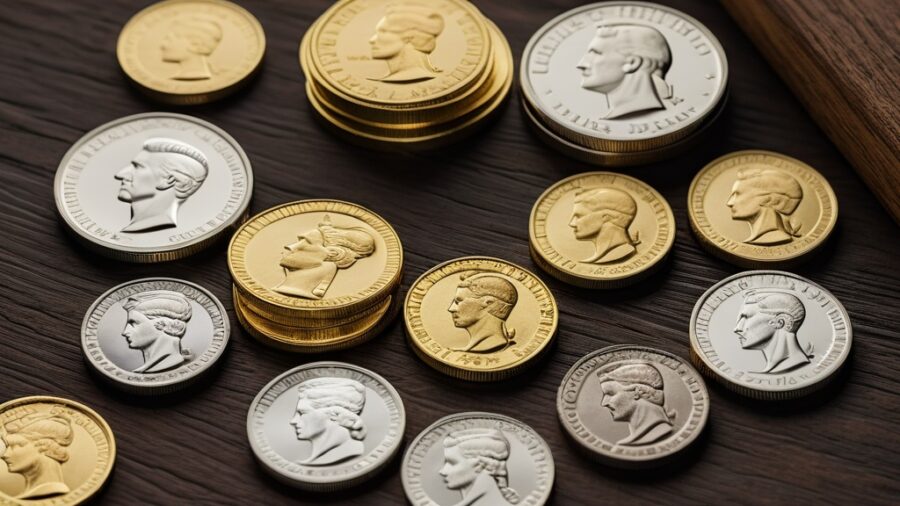
Introduction to Precious Metals Retirement IRA
In today’s financial landscape, the precious metals retirement IRA has emerged as a robust option for individuals seeking to secure their future. As traditional retirement accounts face volatility, the inclusion of precious metals such as gold, silver, platinum, and palladium offers a hedge against economic uncertainty. This article will delve into the intricacies of establishing and managing a precious metals IRA, ensuring that your retirement savings are protected and potentially enhanced.
Investing in precious metals is not just a trend; it is a strategic move that has been validated through decades of financial history. With rising inflation rates and unpredictable market conditions, many investors are turning to physical assets to safeguard their wealth. By the end of this article, you will understand the benefits, the setup process, and important regulations surrounding precious metals IRAs.
Throughout this comprehensive guide, we will explore various facets of precious metals IRAs, including the types of metals you can include in your portfolio, the legal requirements for compliance, and the potential risks involved in this investment strategy. Whether you are new to investing or an experienced individual looking to diversify your retirement funds, this article will serve as a valuable resource.
Benefits of Precious Metals in Retirement Planning
Investing in precious metals for retirement offers numerous advantages that can enhance your overall financial security. Here, we will examine some of the key benefits that make precious metals an attractive option for your retirement portfolio.
Inflation Hedge
One of the primary benefits of precious metals is their ability to serve as an effective hedge against inflation. Historically, as inflation rises, the value of fiat currencies tends to decline, while precious metals often appreciate. For instance, during the 1970s, gold prices surged as inflation rates reached double digits, providing investors with a safe haven. This characteristic makes precious metals a reliable asset, especially in times of economic instability.
Portfolio Diversification
Another significant advantage of including precious metals in your retirement IRA is the diversification it brings to your investment strategy. By allocating a portion of your portfolio to physical assets, you reduce your exposure to market volatility associated with stocks and bonds. This diversification can help stabilize your overall returns, ensuring a more balanced financial outlook as you approach retirement.
How to Set Up a Precious Metals IRA
Setting up a precious metals IRA involves several steps that are essential for ensuring compliance with IRS regulations and maximizing your investment. Below, we outline the key steps to successfully establishing your IRA.
Choosing a Custodian
The first step in setting up a precious metals IRA is selecting a qualified custodian. The IRS mandates that all retirement accounts must be held by an approved custodian, which can include banks, credit unions, or specialized companies that focus on precious metals. It is crucial to choose a custodian with a strong reputation and experience in handling precious metals IRAs. Look for custodians with transparent fee structures and excellent customer support.
Funding Your IRA
Once you have selected a custodian, the next step is to fund your IRA. You can do this through various methods, such as rolling over funds from an existing retirement account or making a direct contribution. If you choose to roll over funds, ensure that the transfer is done correctly to avoid tax penalties. The IRS allows individuals to contribute up to $6,000 annually to their IRAs, or $7,000 if you are over 50, which can include investments in precious metals.
Types of Precious Metals for Your IRA
When considering a precious metals IRA, knowing which types of metals are eligible for inclusion is crucial. The IRS has specific guidelines regarding the types of metals that can be held in a retirement account, ensuring that they meet certain purity standards.
Gold and Silver
Gold and silver are the most commonly invested precious metals in retirement IRAs. To qualify, gold must have a minimum purity of 99.5%, while silver must be at least 99.9% pure. Popular choices include American Gold Eagles, Canadian Maple Leafs, and silver bars from reputable mints. Investing in these metals provides both intrinsic value and liquidity, making them desirable assets for retirement planning.
Platinum and Palladium
In addition to gold and silver, platinum and palladium can also be included in your precious metals IRA. Both metals must meet the minimum purity requirement of 99.95%. Platinum is often favored for its industrial applications, while palladium has gained popularity due to its crucial role in automotive catalysts. Including these metals in your portfolio can offer additional diversification and potential for growth.
| Metal | Minimum Purity | Common Forms |
|---|---|---|
| Gold | 99.5% | Coins, Bars |
| Silver | 99.9% | Coins, Bars |
| Platinum | 99.95% | Coins, Bars |
| Palladium | 99.95% | Coins, Bars |
Regulations and Compliance for Precious Metals IRAs
When investing in a precious metals retirement IRA, it is vital to adhere to IRS regulations to avoid penalties and ensure the tax advantages of your account remain intact. Understanding the legal framework surrounding these investments is essential for a successful IRA strategy.
IRS Guidelines
The IRS has established clear regulations regarding the types of metals that can be included in a retirement account, as mentioned earlier. Additionally, all transactions involving precious metals must be documented and reported to ensure compliance. Investors should work closely with their custodians to maintain accurate records of purchases, sales, and transfers.
Tax Implications
Investing in a precious metals IRA can offer significant tax benefits. Contributions to traditional IRAs are often tax-deductible, while Roth IRAs allow for tax-free withdrawals in retirement. However, it is essential to understand that selling precious metals within an IRA may incur taxes if the account is not managed correctly. Consulting a tax professional can help navigate these complexities and optimize your investment strategy.
Risks and Considerations in Precious Metals Investment
While investing in precious metals can be a sound strategy for retirement planning, it is essential to be aware of the inherent risks and considerations associated with these investments.
Market Volatility
One of the primary risks of investing in precious metals is market volatility. Prices can fluctuate significantly based on various factors, including geopolitical events, changes in supply and demand, and economic indicators. For instance, during economic downturns, gold prices may soar, while silver may lag behind. Understanding these market dynamics is crucial for making informed investment decisions.
Storage and Insurance
Another consideration when investing in precious metals is the need for safe storage and insurance. Precious metals must be stored in an IRS-approved depository, which incurs additional costs. Additionally, insuring your physical assets is advisable to protect against theft or damage. Investors should factor these costs into their overall investment strategy to ensure financial viability.
Conclusion: Securing Your Future with Precious Metals
In conclusion, a precious metals retirement IRA can be a powerful tool for securing your financial future. By understanding the benefits, setup process, and regulatory landscape, you can make informed decisions that align with your long-term retirement goals. Investing in precious metals not only provides a hedge against inflation and market volatility but also offers diversification that can enhance your overall financial stability.
As you consider incorporating precious metals into your retirement strategy, it is essential to conduct thorough research and consult with financial professionals. This approach will ensure that your investments are well-informed and positioned for success. By taking these steps, you can confidently navigate the complexities of precious metals IRAs and work towards a secure and prosperous retirement.
FAQ about Precious Metals Retirement IRA
1. What is a Precious Metals IRA?
A Precious Metals IRA is a type of self-directed retirement account that allows individuals to invest in physical precious metals, such as gold, silver, platinum, and palladium. This account provides the same tax advantages as traditional IRAs while offering a hedge against inflation and market volatility.
2. Can I hold physical metals in my Precious Metals IRA?
Yes, you can hold physical metals in your Precious Metals IRA, provided they meet the IRS’s purity standards. The metals must be stored in an approved depository to comply with IRS regulations.
3. What are the tax implications of a Precious Metals IRA?
Contributions to a Precious Metals IRA can be tax-deductible, depending on the type of account. However, selling metals within the IRA may incur taxes if not managed correctly. Consulting a tax professional can help clarify these implications.
4. How do I choose a custodian for my Precious Metals IRA?
When selecting a custodian, look for a reputable firm with experience in handling Precious Metals IRAs. Consider factors such as fees, customer service, and the range of services offered to ensure a good fit for your investment needs.
5. What are the risks associated with investing in precious metals?
Investing in precious metals carries risks such as market volatility, storage costs, and potential tax implications. Understanding these risks and conducting thorough research can help mitigate them and lead to successful investment outcomes.
- Precious metals provide a hedge against inflation.
- Investing in precious metals offers portfolio diversification.
- Setting up a Precious Metals IRA involves selecting a custodian and funding the account.
- Eligible metals must meet minimum purity standards established by the IRS.
- Compliance with IRS regulations is crucial to avoid penalties.
- Market volatility is a significant risk when investing in precious metals.
- Safe storage and insurance are necessary considerations for physical assets.
- Consulting financial professionals can enhance investment strategies.