
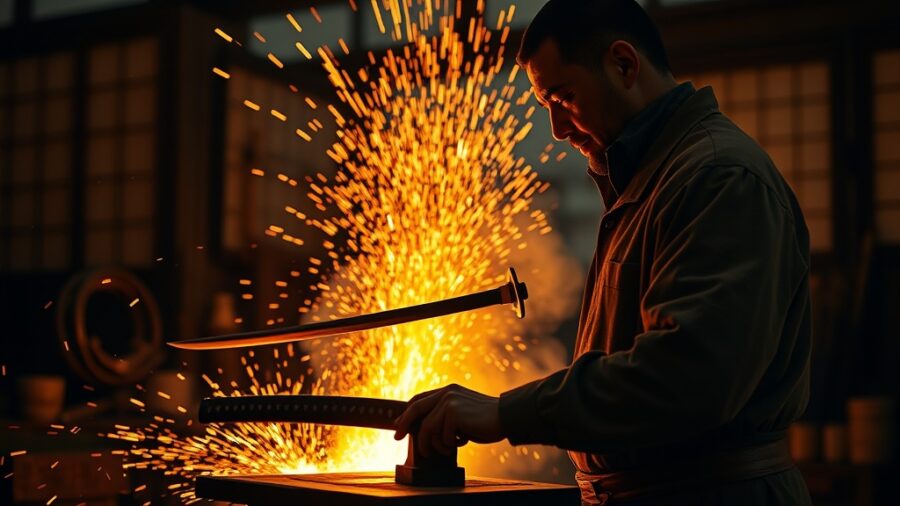
Samurai Sword Katana Craftsmanship: A Testament to Tradition
The art of samurai sword katana craftsmanship is a profound and intricate discipline that dates back centuries in Japanese history. This exquisite craft not only symbolizes the warrior spirit of the samurai but also represents a unique blend of artistry and functionality. In this article, we will delve deep into the fascinating world of katana craftsmanship, exploring its historical significance, the materials used, the meticulous crafting process, and much more.
As we navigate through the rich heritage of the katana, you will discover how the techniques and tools employed by skilled artisans contribute to the creation of these legendary swords. Additionally, we will highlight the importance of maintaining and preserving these masterpieces to ensure their longevity for future generations. By the end of this article, you will have a comprehensive understanding of what makes katana craftsmanship so unique and revered.
Join us as we embark on this journey through time, exploring the evolution of the katana and its role in shaping Japanese culture and identity. Whether you are a sword enthusiast, a history buff, or simply curious about this remarkable craft, there is much to learn and appreciate in the world of samurai sword katana craftsmanship.
The Historical Significance of the Katana
The Origins of the Katana
The katana emerged during the Kamakura period (1185-1333) as the primary weapon of the samurai class. This era marked a significant transformation in Japanese warfare, where the need for a more effective and versatile sword became apparent. The katana’s design allowed for a swift draw and cut, making it ideal for the combat style of the samurai. Its curved blade, typically ranging from 60 to 80 centimeters, provided a balance of strength and agility.
Throughout the centuries, the katana became more than just a weapon; it evolved into a symbol of status and honor among the samurai. The sword was often seen as an extension of the samurai’s soul, reflecting their values of loyalty, courage, and discipline. The phrase “the soul of the samurai” encapsulates this profound connection between the warrior and their sword.
Katana in Japanese Culture
The katana holds a revered place in Japanese culture, serving as a vital element in various traditional practices and ceremonies. For instance, the art of kenjutsu, the traditional Japanese martial art of swordsmanship, emphasizes the importance of the katana not only as a weapon but also as a tool for spiritual development. Furthermore, katana often appear in historical narratives, literature, and art, cementing their status as cultural icons.
Moreover, the katana has transcended its original purpose, influencing modern media, including films, anime, and video games. This continued fascination with the katana speaks to its enduring legacy, ensuring that the craftsmanship behind it remains a topic of interest and admiration.
Materials Used in Katana Production
High-Carbon Steel: The Foundation of a Great Blade
The primary material used in katana production is high-carbon steel, which is essential for creating a blade that is both durable and capable of achieving a sharp edge. The most common types of steel used include tamahagane, a traditional Japanese steel produced from iron sand. Tamahagane is prized for its unique properties, allowing for the creation of blades with superior strength and flexibility.
During the forging process, the steel is folded multiple times, typically around 12 to 16 times, which removes impurities and creates layers. This folding technique also enhances the blade’s toughness and allows for the desired curvature. The resulting katana boasts a distinctive grain pattern known as hamon, which is not only aesthetically pleasing but also indicative of the blade’s heat treatment and tempering process.
Other Essential Materials
In addition to high-carbon steel, several other materials play a crucial role in katana craftsmanship:
- Iron and Copper: Used for the tsuba (handguard) and other fittings, these materials provide both aesthetic appeal and functional strength.
- Ray Skin: Known as same, this material is often used for wrapping the handle, providing a comfortable grip and a unique texture.
- Lacquer and Wood: These materials are used for the saya (scabbard) to protect the blade and enhance its visual beauty.
Each material contributes to the overall quality and functionality of the katana, emphasizing the importance of selecting the finest components for crafting a true masterpiece.
The Craftsmanship Process: From Concept to Creation
The Initial Design and Planning
The journey of crafting a katana begins with meticulous planning and design. Master swordsmiths often draw inspiration from traditional styles and personal experiences, creating a blueprint that outlines the sword’s specifications, including blade length, curvature, and overall aesthetics. This phase is crucial, as it sets the foundation for the entire crafting process.
Once the design is finalized, the swordsmith gathers the necessary materials, ensuring that each component meets the highest standards of quality. The selection of steel, in particular, is critical, as it directly influences the blade’s performance and longevity.
The Forging Process
The forging of the katana is a labor-intensive process that requires years of training and experience. The swordsmith begins by heating the steel in a forge, reaching temperatures of approximately 1,300 degrees Celsius. Once the steel is malleable, it is shaped using traditional tools, including hammers and anvils.
The folding technique, as mentioned earlier, is essential in creating the blade. Through each fold, the swordsmith removes impurities and creates a layered structure that enhances the blade’s strength. This process can take several days, requiring immense skill and patience.
| Step | Description | Time Required |
|---|---|---|
| Design | Blueprint creation and material selection. | 1-2 days |
| Forging | Heating, folding, and shaping the steel. | 3-5 days |
| Tempering | Heat treatment to achieve desired hardness. | 1 day |
| Polishing | Final finishing and sharpening of the blade. | 2-3 days |
After forging, the blade undergoes a tempering process, which involves reheating and cooling the steel to achieve the optimal balance of hardness and flexibility. This stage is crucial for ensuring that the katana can withstand the rigors of use while maintaining a sharp edge.
Techniques and Tools of the Trade
Traditional Techniques
Katana craftsmanship is steeped in tradition, with techniques passed down through generations of artisans. One of the most notable methods is shaping, which involves carefully curving the blade to create the iconic katana silhouette. This process requires a keen eye and steady hand, as even the slightest miscalculation can impact the sword’s balance and effectiveness.
Another vital technique is polishing, which is essential for achieving the blade’s final sharpness and aesthetic appeal. Expert polishers use a series of grinding stones, progressing from coarse to fine, to refine the blade’s surface and highlight its unique hamon pattern. This meticulous process can take days to complete, showcasing the artisan’s dedication to perfection.
Modern Tools Enhancing Traditional Craft
While traditional techniques remain at the heart of katana craftsmanship, modern tools have emerged to enhance the process. For instance, electric grinders and digital measuring devices can improve efficiency and accuracy during the forging and polishing stages. However, many artisans choose to limit their use of modern equipment to preserve the authenticity of their work.
Despite the advancements in technology, the core principles of katana craftsmanship remain unchanged. The balance between tradition and innovation is a delicate dance that many swordsmiths navigate to produce exceptional blades while honoring their heritage.
Caring for Your Katana: Maintenance and Preservation
Regular Maintenance Practices
To ensure the longevity and performance of a katana, regular maintenance is essential. Owners should clean their blades after each use to remove dirt, moisture, and fingerprints that can lead to corrosion. A soft cloth and a light coat of oil specifically designed for swords, such as choji oil, can help protect the blade from rust.
Additionally, the saya (scabbard) should be maintained to prevent moisture buildup, which can damage the blade. Regularly inspecting the fittings and ensuring that the handle is secure will also contribute to the katana’s overall durability.
Storage Guidelines
Proper storage is crucial for preserving the quality of a katana. Swords should be stored in a dry, cool environment, away from direct sunlight and humidity. Many collectors opt for custom display cases that provide both protection and a beautiful showcase for their swords.
When not in use, it is advisable to keep the katana sheathed in its saya, as this helps prevent accidental damage and keeps the blade protected from dust and debris. Additionally, using a sword stand can enhance the display while ensuring that the blade remains secure.
Modern Interpretations and Trends in Katana Craftsmanship
Contemporary Designs and Innovations
In recent years, there has been a resurgence of interest in katana craftsmanship, leading to innovative designs and interpretations. Modern swordsmiths are experimenting with new materials and techniques, blending traditional craftsmanship with contemporary aesthetics. This has resulted in unique creations that appeal to both collectors and martial artists alike.
For instance, some artisans are incorporating modern alloys or experimenting with carbon fiber for the handle, enhancing the katana’s performance while reducing weight. Others are exploring innovative blade shapes that retain the essence of the katana while offering improved functionality.
The Role of Technology in Craftsmanship
The integration of technology into katana craftsmanship is also becoming increasingly prevalent. Computer-aided design (CAD) software allows artisans to create precise models and prototypes, streamlining the design process. Furthermore, advancements in manufacturing techniques, such as laser cutting, enable greater precision and efficiency in production.
Despite these modern advancements, many purists advocate for preserving traditional methods, emphasizing that the soul of katana craftsmanship lies in the hands of skilled artisans. This ongoing debate highlights the dynamic nature of sword making, as craftsmen strive to balance innovation with tradition.
Conclusion
In conclusion, samurai sword katana craftsmanship is a rich and intricate art form that reflects the cultural heritage and values of Japan. From its historical significance to the meticulous craftsmanship process, each katana tells a story of dedication, skill, and tradition. Understanding the materials, techniques, and care required for these magnificent swords allows us to appreciate them on a deeper level.
The evolution of katana craftsmanship, influenced by modern trends and technology, ensures that this timeless art continues to thrive. Whether you are a seasoned collector or a curious enthusiast, the world of katana craftsmanship offers endless opportunities for exploration and admiration.
Frequently Asked Questions
What is the difference between a katana and other Japanese swords?
The katana is characterized by its curved, single-edged blade, which distinguishes it from other Japanese swords like the wakizashi (short sword) and tanto (dagger). The katana’s design allows for quick draws and cuts, making it well-suited for the samurai’s combat style.
How long does it take to make a katana?
The process of crafting a katana can take anywhere from several weeks to months, depending on the complexity of the design and the skill of the swordsmith. Each stage, from forging to polishing, requires meticulous attention to detail and significant time investment.
Are modern katanas made using the same techniques as traditional ones?
While some modern katanas are crafted using traditional techniques, others incorporate contemporary materials and technologies. Many artisans strive to maintain the essence of traditional craftsmanship while adapting to modern demands and preferences.
How should I store my katana?
To store a katana properly, keep it in a dry, cool environment, ideally in its saya (scabbard). Using a custom display case can protect the sword from dust and damage while allowing for an attractive showcase.
What are the common maintenance practices for a katana?
Common maintenance practices for a katana include cleaning the blade after each use, applying a light coat of oil to prevent rust, and regularly inspecting the handle and fittings for security. Proper care ensures the sword remains in optimal condition for years to come.
Recap
- The katana is a symbol of samurai culture, representing honor and tradition.
- Craftsmanship involves meticulous processes, from design to forging and polishing.
- High-carbon steel and traditional techniques are key to creating a quality katana.
- Regular maintenance is essential for preserving the blade’s integrity and performance.
- Modern innovations are influencing katana craftsmanship while honoring tradition.
- Understanding the history and care of katanas enhances appreciation for this art form.
- Contemporary trends are reshaping the landscape of katana production.
- Each katana is a unique masterpiece that tells a story of craftsmanship and heritage.