
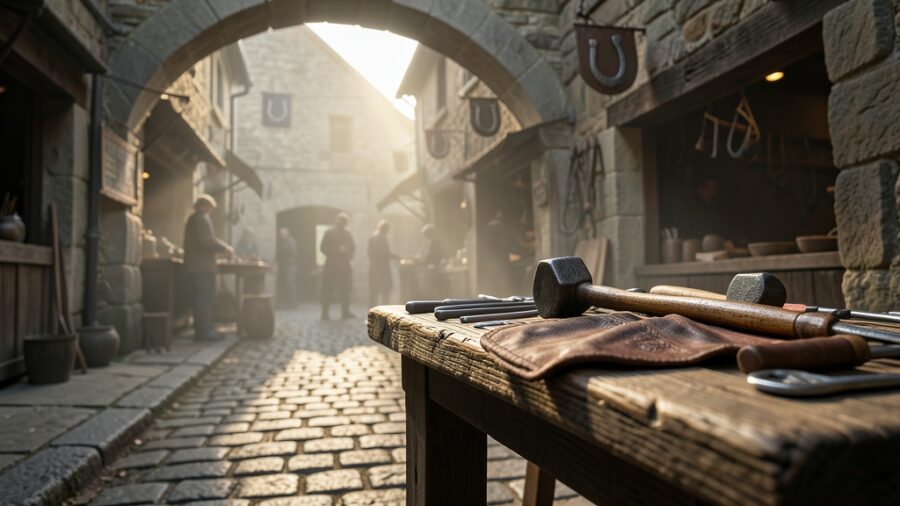
The world of medieval guilds offers a fascinating glimpse into the trade crafts of the past, illuminating how artisans came together to shape economies, societies, and even cultures. These organizations not only provided structure and support for craftsmen but also played a pivotal role in the economic development of towns and cities throughout Europe during the Middle Ages. In this article, we will delve into the intricate world of medieval guilds, exploring their structure, their economic impact, the training and apprenticeship systems they employed, and how their influence persists in modern crafts.
As we embark on this journey, we’ll uncover the dynamics of guild life, from the hierarchical organization to the camaraderie among artisans. We will analyze how the decline of these guilds coincided with the rise of capitalism, fundamentally altering the landscape of trade and craft. By the end of this comprehensive exploration, readers will gain a nuanced understanding of the significance of medieval guilds and their enduring legacy in contemporary society.
Join us as we unravel the complexities of medieval guilds and their trade crafts, examining how they contributed to the socio-economic fabric of their time and laid the groundwork for future generations of artisans and businesses alike.
Introduction to Medieval Guilds
Medieval guilds emerged in the 12th and 13th centuries as powerful organizations that united craftsmen and merchants in various trades. Their primary purpose was to protect the interests of their members while regulating trade practices, ensuring quality standards, and enhancing the economic stability of their communities. Guilds comprised skilled artisans, including blacksmiths, weavers, bakers, and masons, each group specializing in specific crafts. This specialization allowed for increased expertise and the establishment of high standards within their respective trades.
The Origins of Guilds
The origins of guilds can be traced back to the growing urbanization of Europe during the Middle Ages, particularly following the decline of feudalism. As towns and cities began to flourish, a need arose for organized groups that could represent the interests of local craftsmen. The first guilds were primarily formed to protect trade secrets and regulate competition, ensuring that all members adhered to set standards and practices.
The Role of Guilds in Society
Guilds played a multifaceted role in their communities, acting as both economic and social institutions. They provided a sense of identity and belonging among members, fostering collaboration rather than competition. Additionally, guilds were often involved in local governance, influencing policies that affected trade and craft practices. They also contributed to the welfare of their members through various social services, including support for the families of deceased artisans and assistance for the elderly.
The Structure and Organization of Guilds
The structure of medieval guilds was hierarchical, with a clear chain of command that included masters, journeymen, and apprentices. This organization ensured that knowledge and skills were passed down from experienced artisans to the next generation, maintaining the quality and integrity of their crafts.
At the top of the guild hierarchy were the masters, who were skilled artisans that had completed their training and demonstrated their expertise. They had the authority to run workshops and take on apprentices. Below them were the journeymen, who had completed their apprenticeships and were skilled but not yet masters. They worked under the supervision of masters and often traveled to gain experience. Lastly, there were apprentices, young individuals who learned the trade under the guidance of a master, typically for several years before becoming journeymen themselves.
Guilds held regular meetings to discuss matters related to trade and craft, establish regulations, and address disputes among members. These meetings were crucial for maintaining order within the guild and ensuring that all members complied with the established rules. Additionally, guilds enforced strict quality control measures, conducted inspections, and imposed penalties for those who violated the standards set forth by the organization.
| Guild Hierarchy | Role | Responsibilities |
|---|---|---|
| Master | Head of the guild | Supervises journeymen and apprentices, runs workshops, and ensures quality standards |
| Journeyman | Skilled artisan | Works under a master, gains experience, and may travel for additional training |
| Apprentice | Novice | Learns the trade from a master, typically for several years |
Economic Impact of Medieval Guilds
The economic impact of medieval guilds was profound, significantly influencing trade practices, market dynamics, and local economies. By regulating prices, ensuring quality, and fostering competition among members, guilds contributed to the overall stability and growth of urban economies.
One of the primary functions of guilds was to regulate prices within their respective trades. By establishing price lists and controlling the supply of goods, guilds sought to protect their members from unfair competition and market fluctuations. This regulation helped maintain a stable market environment, which was essential for the economic health of towns and cities.
Guilds also played a crucial role in job creation and economic growth. By providing a framework for training and apprenticeship, guilds ensured a steady supply of skilled artisans in various trades. This workforce was essential for the development of local industries, leading to increased production and trade. The presence of guilds often attracted merchants and consumers, further stimulating economic activity within cities.
Training and Apprenticeship within Guilds
The apprenticeship system was a cornerstone of guild operations, ensuring that skills and knowledge were passed down through generations. This system not only equipped apprentices with technical skills but also instilled the values and ethics of the trade.
Typically, an apprenticeship could last anywhere from three to seven years, depending on the complexity of the trade. During this time, apprentices would live with their masters, learning not only the technical aspects of the craft but also the business practices and ethics necessary for success. Apprentices were often required to complete specific tasks and projects to demonstrate their proficiency before being promoted to journeymen.
Achieving mastery was a significant milestone for any artisan. To become a master, a journeyman had to create a “masterpiece,” a work that showcased their skills and understanding of the craft. This masterpiece was evaluated by a panel of masters, and successful candidates were granted the title of master, allowing them to establish their workshops and take on apprentices themselves.
- Training ensured a high level of craftsmanship.
- Apprentices learned both technical skills and trade ethics.
- Masterpieces served as a rite of passage for journeymen.
Guilds and Their Influence on Modern Crafts
The legacy of medieval guilds can still be seen in contemporary craft practices and trade organizations. Many modern artisans and craftsmen draw inspiration from the principles and practices established by these historic guilds.
Today, various craft organizations and trade unions exist that mirror the functions of medieval guilds. These organizations provide support, training, and advocacy for artisans, helping to promote craftsmanship and protect the interests of their members. For example, organizations like the American Craft Council and the Craft and Hobby Association work to elevate the status of artisans and provide resources for skill development.
Modern education programs often incorporate the principles of apprenticeship, emphasizing hands-on training and mentorship. Many institutions now offer programs that blend traditional techniques with contemporary practices, ensuring that the skills of the past are preserved and adapted for future generations. This continuation of the apprenticeship model highlights the enduring influence of medieval guilds on current craft education.
The Decline of Guilds and the Rise of Capitalism
The decline of medieval guilds began in the late 16th century, coinciding with the rise of capitalism and the Industrial Revolution. This economic shift fundamentally altered the landscape of trade and craft.
As industrialization took hold, the need for mass production and efficiency increased, leading to the decline of the traditional guild structure. Factories emerged, employing large numbers of workers under different conditions than those found in guilds. This change resulted in a loss of job security and the erosion of the skills that guilds had protected for centuries.
Many governments began to dismantle the regulatory powers of guilds, viewing them as obstacles to free trade and economic growth. Laws were enacted to promote competition and reduce restrictions on trade, further diminishing the influence of guilds. By the 19th century, most guilds had either disbanded or transformed into professional associations with a different focus.
Conclusion
In summary, medieval guilds played a vital role in shaping the trade crafts of their time, influencing economic practices, and establishing standards that have persisted through the centuries. Their hierarchical structure, apprenticeship systems, and regulations not only fostered a sense of community among artisans but also contributed significantly to local economies.
The decline of guilds marked a pivotal moment in economic history, paving the way for capitalism and the modern industrial landscape. However, the influence of these organizations can still be seen today in contemporary craft practices and trade organizations that continue to advocate for artisans and their skills. Understanding the history of medieval guilds enriches our appreciation for the craftsmanship and trade practices that remain a fundamental part of our society.
FAQ about Medieval Guilds
What were the main functions of medieval guilds?
Medieval guilds primarily aimed to protect the interests of their members, regulate trade practices, ensure quality standards, and foster a sense of community among artisans. They also played a role in local governance and provided social services to their members.
How did one become a member of a guild?
To become a member of a guild, an individual typically began as an apprentice, where they learned the craft under a master. Following the completion of their apprenticeship, they could become journeymen and eventually apply to become masters by creating a masterpiece.
What led to the decline of guilds?
The decline of guilds was primarily due to the rise of capitalism and industrialization, which shifted the focus from skilled craftsmanship to mass production. Additionally, regulatory changes reduced the power of guilds, leading to their disbandment or transformation into different types of organizations.
How do modern craft organizations relate to medieval guilds?
Modern craft organizations often mirror the functions of medieval guilds by providing support, training, and advocacy for artisans. They emphasize the promotion of craftsmanship and offer resources for skill development, continuing the legacy of guilds.
What was the apprenticeship system in guilds?
The apprenticeship system in guilds involved a structured training process where apprentices learned their trade from masters over several years. This system ensured the transmission of skills and trade ethics, culminating in the apprentice’s transition to journeyman and potentially master artisan.
Recap of Key Points
- Medieval guilds emerged to protect and regulate trade practices.
- Guild structures were hierarchical, consisting of masters, journeymen, and apprentices.
- They had a significant economic impact by stabilizing markets and creating jobs.
- The apprenticeship system was crucial for skill transmission and craftsmanship quality.
- Guilds influenced modern craft organizations and education systems.
- The decline of guilds was linked to the rise of capitalism and industrialization.
- Guilds contributed to the socio-economic fabric of their time.
- Their legacy continues to shape contemporary trade and craftsmanship.