
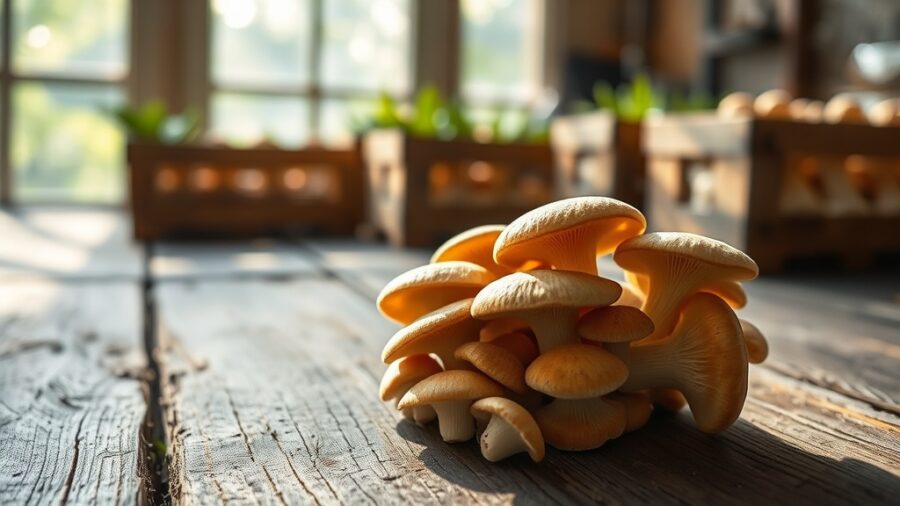
Mushroom Growing Home Garden: A Comprehensive Guide
In recent years, the trend of creating a mushroom growing home garden has gained immense popularity among gardening enthusiasts and culinary aficionados alike. This fascinating hobby not only provides a sustainable source of food but also offers an engaging activity that connects individuals with nature. In this article, we will explore the essential aspects of cultivating mushrooms at home, from selecting the right species to harvesting techniques. Whether you are a seasoned gardener or a novice, this guide will equip you with the knowledge to successfully grow mushrooms in your backyard.
As we delve into the world of mushrooms, we will highlight the various species available for home cultivation, including their unique flavors and growth requirements. You will learn how to set up the ideal growing environment, understand different cultivation techniques, and navigate common challenges that may arise during the process. By the end of this guide, you will be well-prepared to embark on your mushroom growing journey.
Furthermore, we will address frequently asked questions to clarify any uncertainties and provide practical tips to enhance your mushroom gardening experience. The growing interest in home gardening has made it essential to understand the nuances of mushroom cultivation, as they can offer a nutritious and delicious addition to meals. Let’s get started!
Introduction to Mushroom Growing
The Importance of Mushrooms in Gardening
Mushrooms play a crucial role in both ecological systems and culinary traditions. They are not only a source of nutrition but also contribute to soil health by breaking down organic matter. The act of growing mushrooms at home can enhance your gardening experience, providing a unique opportunity to cultivate a diverse range of flavors and textures. By integrating mushrooms into your garden, you can improve biodiversity and contribute to a healthier ecosystem.
The practice of mushroom cultivation dates back thousands of years, with evidence suggesting that ancient Egyptians were among the first to cultivate mushrooms for food. Fast forward to today, and the global market for edible mushrooms is booming, with an estimated value of over $50 billion as of 2022. This surge in popularity can be attributed to the growing awareness of the health benefits associated with mushrooms, including their rich antioxidant properties and potential health benefits.
Health Benefits of Mushrooms
Mushrooms are not only delicious but also packed with nutrients. They are low in calories and high in essential vitamins and minerals. Some of the notable health benefits include:
- Rich in Antioxidants: Mushrooms contain compounds like ergothioneine and selenium, which help combat oxidative stress.
- Source of Vitamin D: Certain mushrooms, when exposed to sunlight, can provide a significant amount of vitamin D, essential for bone health.
- Boost Immune Function: Certain species, such as shiitake and reishi, are known for their immune-boosting properties.
As you begin your journey into mushroom cultivation, it is important to recognize these health benefits, which can motivate you to grow a variety of mushrooms in your home garden.
Choosing the Right Mushroom Species
Popular Mushroom Varieties for Home Cultivation
When considering which mushrooms to grow, it is essential to choose varieties that are not only suitable for your growing conditions but also aligned with your culinary preferences. Some of the most popular species for home cultivation include:
- Button Mushrooms (Agaricus bisporus): These are the most common type of mushrooms found in grocery stores. They are easy to grow and have a mild flavor.
- Shiitake Mushrooms (Lentinula edodes): Known for their rich, savory flavor, shiitakes are a favorite in Asian cuisine and can be cultivated on logs or sawdust.
- Oyster Mushrooms (Pleurotus ostreatus): With a delicate flavor and unique shapes, oyster mushrooms are versatile and can be grown on a variety of substrates.
Each of these species has specific requirements for growth, including temperature, humidity, and substrate preference. Therefore, it is crucial to research the conditions needed for your chosen species to ensure successful cultivation.
How to Select the Right Species for Your Garden
When selecting mushrooms for your home garden, consider the following factors:
- Climate: Some mushrooms thrive in warmer temperatures, while others prefer cooler conditions.
- Available Space: Consider whether you have enough room for outdoor cultivation or if you need to opt for indoor growing.
- Personal Preference: Choose species that you enjoy eating, as this will make the cultivation process more rewarding.
By taking the time to select the right species, you will set the foundation for a successful mushroom-growing venture, ensuring that your home garden flourishes with delicious fungi.
Setting Up Your Growing Environment
Understanding Growing Conditions
Creating the ideal environment for mushroom growth is essential to achieving a bountiful harvest. Mushrooms thrive in conditions that mimic their natural habitats, which typically include high humidity, moderate temperatures, and limited light exposure. Here are key factors to consider:
- Temperature: Most edible mushrooms prefer temperatures ranging from 60°F to 75°F (15°C to 24°C) during their growth phase.
- Humidity: Maintaining a humidity level of around 80-90% is crucial for successful mushroom cultivation, as it prevents the substrate from drying out.
- Airflow: Proper ventilation is necessary to ensure fresh air circulation, which helps prevent contamination and supports healthy growth.
By understanding and controlling these environmental factors, you will create a conducive setting for your mushrooms to thrive, leading to a successful harvest.
Setting Up Your Growing Space
There are various options for setting up your mushroom growing environment, depending on your available space and resources. Here are some popular methods:
- Outdoor Beds: For those with sufficient outdoor space, creating a mushroom bed using straw or wood chips is a natural and effective method.
- Indoor Growing Kits: Many companies offer pre-packaged mushroom growing kits that come with everything you need to get started indoors.
- Greenhouses: If you are serious about mushroom cultivation, investing in a greenhouse can provide the ideal conditions for year-round growing.
Regardless of your chosen method, ensure that your growing area is clean and free from contaminants, as mushrooms are susceptible to various pests and diseases.
Growing Techniques for Home Gardens
Substrate Preparation
The substrate is the material on which mushrooms grow, and its preparation is a critical step in the cultivation process. Different mushroom species require specific substrates to thrive. For instance, button mushrooms prefer composted manure, while shiitakes grow well on hardwood sawdust or logs. Here are steps to prepare your substrate:
- Choose the Right Material: Select a substrate suitable for your chosen mushroom variety.
- Pasteurization: This step involves heating the substrate to eliminate competing organisms. You can pasteurize using steam or boiling water.
- Inoculation: Introduce mushroom spawn into the prepared substrate, mixing it thoroughly to ensure even distribution.
Monitoring Growth
Once your substrate is inoculated, it’s essential to monitor the growing conditions closely. Regularly check the temperature and humidity levels, making adjustments as necessary. Additionally, observe the growth progress:
- Mycelium Development: Initially, you will see white mycelium spreading through the substrate, indicating healthy growth.
- Fruiting Bodies: After a certain period, typically 2-4 weeks, small mushroom pins will start to form, signaling that fruiting is underway.
Maintaining consistent environmental conditions during this phase is crucial for ensuring a successful harvest of healthy, flavorful mushrooms.
Harvesting and Storing Your Mushrooms
When to Harvest
Knowing the right time to harvest your mushrooms is vital for ensuring optimal flavor and texture. Each species has its own indicators for harvest readiness. For example:
- Button Mushrooms: Harvest when the caps are still closed and firm.
- Shiitake Mushrooms: These should be harvested when the caps start to flatten out but before they fully open.
- Oyster Mushrooms: Look for a gentle curve in the cap; this indicates they are ready for picking.
To harvest, use a sharp knife to cut the mushrooms at the base, avoiding damage to the mycelium, which can lead to further growth.
Storing Your Harvest
After harvesting, proper storage is essential to maintain the freshness and quality of your mushrooms. Here are some effective storage methods:
- Refrigeration: Store fresh mushrooms in a paper bag in the refrigerator, which helps to regulate moisture and airflow.
- Freezing: For long-term storage, sauté mushrooms first, then freeze them in airtight containers.
- Dried Mushrooms: Dehydrating mushrooms can extend their shelf life significantly; simply slice and dry them using a food dehydrator.
By following these storage techniques, you can enjoy your homegrown mushrooms well beyond the harvest season.
Common Challenges and Solutions
Identifying Pests and Diseases
Mushroom cultivation, like any agricultural endeavor, can encounter challenges. Pests and diseases are common threats that can affect your mushroom crop. Some of the most prevalent issues include:
- Contamination: This can occur from bacteria or mold, leading to crop failure. Ensure cleanliness during substrate preparation.
- Insect Pests: Fungus gnats and mushroom flies can infest the growing area. Use sticky traps to monitor and control their populations.
- Environmental Stress: Fluctuations in temperature and humidity can lead to poor growth. Regular monitoring is crucial.
Solutions to Common Problems
To combat these challenges, consider implementing the following solutions:
- Maintain Hygiene: Regularly clean your growing area and tools to prevent contamination.
- Adjust Conditions: If you notice signs of environmental stress, take immediate action to stabilize temperature and humidity levels.
- Seek Expert Advice: Join local mushroom clubs or online forums to connect with experienced growers who can offer guidance.
By being proactive and informed, you can navigate the common challenges of mushroom cultivation and enjoy a successful growing season.
Conclusion
In conclusion, embarking on a mushroom growing home garden can be a rewarding and enriching experience. From selecting the right species to understanding their growing conditions, each step is crucial for achieving a fruitful harvest. Throughout this guide, we have covered essential topics, including species selection, substrate preparation, and overcoming common challenges, all designed to empower you as a mushroom cultivator.
As you embark on your mushroom-growing journey, remember to maintain a clean environment, monitor growth closely, and enjoy the process of nurturing these fascinating organisms. With patience and practice, you will soon find yourself reaping the benefits of fresh, homegrown mushrooms, enhancing your culinary creations and contributing to sustainable gardening practices.
FAQ about Mushroom Growing
1. What is the easiest mushroom to grow at home?
Button mushrooms are typically considered the easiest variety for beginners due to their forgiving growing conditions and widespread availability of supplies. They can be cultivated indoors or outdoors with minimal effort.
2. How long does it take for mushrooms to grow?
The growth time varies by species, but most mushrooms can be harvested within 2 to 8 weeks after inoculation, depending on the growing conditions and type of mushroom.
3. Can I grow mushrooms in my kitchen?
Yes, many home growers successfully cultivate mushrooms in kitchens using small kits designed for indoor use. Ensure there is adequate humidity and airflow to support growth.
4. What should I do if I find mold on my substrate?
If you find mold, it is best to remove the contaminated section carefully. If the mold is widespread, you may need to discard the entire batch to prevent further issues.
5. How can I tell if mushrooms are safe to eat?
Always purchase or grow mushrooms that are known to be edible. If you are foraging, it is crucial to consult a reliable guide or expert, as some mushrooms can be toxic.
Recap
- Mushroom cultivation offers numerous health benefits and enhances gardening biodiversity.
- Selecting the right mushroom species is essential for successful growth.
- The growing environment must be controlled for temperature, humidity, and airflow.
- Monitoring growth and knowing when to harvest are key to enjoying fresh mushrooms.
- Common challenges include pests and diseases, but effective solutions are available.
- Proper storage techniques can prolong the freshness of your harvest.
- Engaging with the mushroom-growing community can provide valuable insights and support.
- Enjoy the journey of mushroom cultivation and the delicious rewards it brings!