
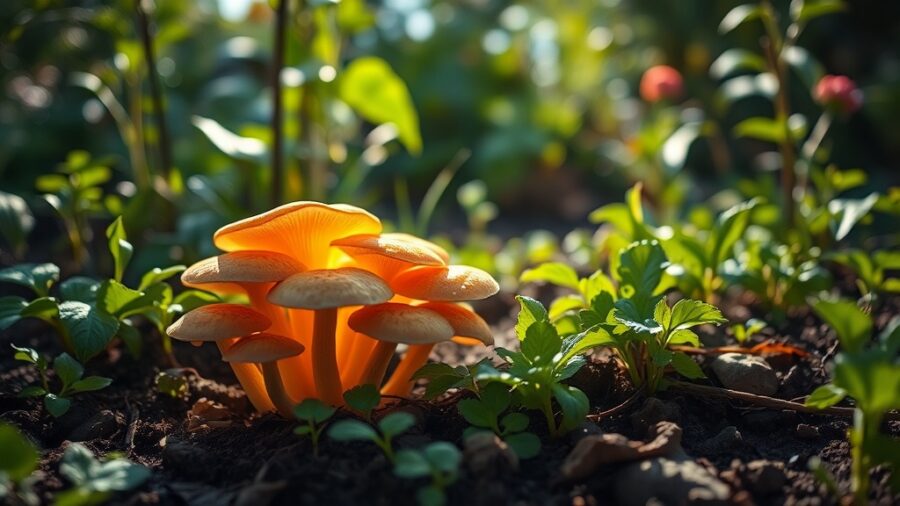
Mushroom Growing Home Garden: Your Comprehensive Guide
Growing mushrooms in a home garden can be an incredibly rewarding experience, offering both culinary delights and numerous health benefits. As more people turn to sustainable practices and home gardening, understanding the essentials of mushroom cultivation becomes increasingly important. In this article, we will explore the various aspects of mushroom growing home garden, from selecting the right varieties to harvesting your produce. By the end, you will have a thorough understanding of how to successfully cultivate mushrooms at home.
The world of mushrooms is vast and varied, with hundreds of species available for cultivation. Each type of mushroom has its unique flavor, texture, and growth requirements, making it essential to choose the right variety for your home garden. As you dive deeper into this guide, you’ll learn about the different types of mushrooms suitable for beginners, their specific growing conditions, and how to create an optimal environment for their growth.
This comprehensive guide will cover everything you need to know about mushroom cultivation. We will discuss the essential equipment and materials required for the process, the mushroom growth cycle, and how to maintain optimal conditions for your plants. Additionally, we will address common challenges and provide solutions, ensuring you have the knowledge to overcome any obstacles you may encounter on your mushroom-growing journey.
Whether you’re looking to grow mushrooms for personal consumption, culinary experimentation, or even for sale, this article will equip you with the necessary tools and insights. Join us as we embark on this exciting journey into the world of mushroom growing home garden.
Choosing the Right Mushroom Varieties
Popular Mushroom Varieties for Home Gardens
When starting your journey into mushroom cultivation, choosing the right varieties is crucial. Some popular options for home gardeners include:
- Oyster Mushrooms: Known for their delicate flavor and quick growth, oyster mushrooms can be cultivated on various substrates, making them an excellent choice for beginners.
- Shiitake Mushrooms: These mushrooms are celebrated for their rich and savory taste. They require hardwood logs or sawdust for cultivation, which can be a bit more complex but rewarding.
- Button Mushrooms: The most commonly consumed mushrooms worldwide, button mushrooms are relatively easy to grow indoors or in shaded outdoor areas.
Factors to Consider When Choosing Varieties
When selecting mushroom varieties for your home garden, consider the following factors:
- Climate: Different mushroom species thrive in varying temperature and humidity levels. Ensure the chosen varieties can adapt to your local climate conditions.
- Growing Space: Some mushrooms can be grown in small spaces, while others require more room. Evaluate your available space before making your selection.
- Personal Preferences: Consider the flavors and textures you enjoy. Choosing varieties you love will make the growing process more enjoyable and rewarding.
Setting Up Your Home Garden for Mushrooms
Choosing the Right Location
Setting up a successful mushroom garden begins with selecting the right location. Mushrooms thrive in cool, dark, and humid environments, making certain areas of your home more suitable than others. Look for spaces such as:
- Basements: These often provide the perfect conditions for mushroom growth due to their natural coolness and humidity.
- Garages: If insulated and kept dark, garages can be transformed into ideal mushroom cultivation spaces.
- Outdoor Shade: If you prefer outdoor cultivation, choose shaded areas with adequate moisture and protection from direct sunlight.
Preparing the Growing Medium
The growing medium is critical to the success of your mushroom garden. Different mushrooms require specific substrates, such as:
- Sawdust: Ideal for shiitake and oyster mushrooms, sawdust can be sterilized and inoculated with mushroom spores.
- Straw: A common substrate for oyster mushrooms, straw should be chopped and pasteurized to eliminate unwanted organisms.
- Compost: Button mushrooms thrive on compost, which should be well-aerated and nutrient-rich.
Essential Equipment and Materials for Mushroom Cultivation
Tools and Supplies You Will Need
To successfully cultivate mushrooms at home, you’ll need some essential tools and materials. The following list outlines the key items to consider:
- Containers: Plastic bags, trays, or jars can be used to hold your growing medium and mushroom spores.
- Thermometers and Hygrometers: Monitoring temperature and humidity is crucial for optimal growth conditions.
- Spray Bottles: Keeping the growing medium moist is essential, so a spray bottle will help maintain humidity levels.
Investing in Quality Spores or Spawn
The quality of mushroom spores or spawn significantly impacts your cultivation success. Look for reputable suppliers who provide:
- Certified Organic Spores: Organic spores ensure you’re growing mushrooms free from harmful chemicals.
- Freshness: Ensure the spawn is fresh, as older spawn may result in lower yields.
- Variety Suitability: Choose spawn that is compatible with your chosen substrate and growing conditions.
Understanding the Mushroom Growth Cycle
Phases of Mushroom Development
The mushroom growth cycle consists of several distinct phases, each requiring specific conditions for success. Understanding these phases will help you monitor and care for your mushrooms effectively:
- Inoculation: This is the initial phase where spores or spawn are introduced to the growing medium.
- Colonization: During this phase, the mycelium (fungal network) spreads throughout the substrate, usually taking 1 to 3 weeks.
- Fruiting: After colonization, conditions are adjusted to promote fruiting bodies (mushrooms) to develop, typically occurring within a few days to weeks.
Timeframes for Different Varieties
The time it takes for mushrooms to grow can vary significantly among species. For instance:
| Mushroom Variety | Time to Harvest |
|---|---|
| Oyster Mushrooms | 3-4 weeks |
| Shiitake Mushrooms | 6-12 weeks |
| Button Mushrooms | 4-6 weeks |
Maintaining Optimal Conditions for Growth
Temperature and Humidity Control
Maintaining the right temperature and humidity levels is crucial for successful mushroom cultivation. Generally, mushrooms prefer:
- Temperature: Most varieties thrive between 60°F to 75°F (15°C to 24°C).
- Humidity: A humidity level of 80-90% is ideal to prevent drying out, especially during the colonization phase.
Light Requirements
Mushrooms also have specific light requirements that vary by species. For instance:
- Oyster Mushrooms: Require indirect light to promote healthy growth.
- Shiitake Mushrooms: Prefer darkness during colonization but benefit from light exposure during fruiting.
Harvesting Your Homegrown Mushrooms
When to Harvest
Knowing when to harvest your mushrooms is essential for optimal flavor and texture. Signs that your mushrooms are ready for harvesting include:
- Cap Shape: For species like oyster and shiitake, the cap should be fully formed and slightly curled.
- Size: Harvest when mushrooms reach the desired size but before they begin to release spores.
Harvesting Techniques
To ensure the best quality, follow these harvesting techniques:
- Twist and Pull: Gently twist the mushroom at the base and pull to detach it from the substrate.
- Use a Knife: For larger mushrooms, using a clean knife to cut at the base may be more effective.
Common Challenges and Solutions in Mushroom Cultivation
Identifying Common Problems
Despite careful planning, mushroom cultivation can present challenges. Common issues include:
- Pests: Insects such as flies can infest mushroom gardens, requiring preventive measures.
- Mold: Contamination can occur, particularly if hygiene is not maintained.
Solutions and Preventative Measures
To mitigate these challenges, consider the following solutions:
- Hygiene: Ensure all equipment and surfaces are sanitized before use.
- Pest Control: Utilize organic pest control methods to manage infestations without harmful chemicals.
Nutritional Benefits of Homegrown Mushrooms
Health Benefits of Mushrooms
Growing your own mushrooms not only provides delicious flavors for your dishes but also offers various health benefits. Some of the key nutritional advantages include:
- Rich in Nutrients: Mushrooms are a great source of vitamins (such as B vitamins), minerals (like selenium), and antioxidants.
- Low in Calories: They are low-calorie food options, making them an excellent addition to diets focused on weight management.
Boosting Immune Health
Research indicates that certain types of mushrooms, such as shiitake and maitake, can enhance immune function. Their polysaccharides stimulate the immune system, which can help the body defend against infections.
Conclusion and Key Takeaways
In conclusion, cultivating mushrooms in a home garden is a fulfilling venture that can enhance both your culinary repertoire and your health. By understanding the different mushroom varieties, their growth cycles, and the conditions necessary for successful cultivation, you can enjoy a bountiful harvest. Remember to maintain hygiene, monitor environmental conditions, and choose the right equipment to optimize your growing experience.
Ultimately, the journey of growing mushrooms is not just about the end product; it’s about the learning process, the satisfaction of nurturing living organisms, and the joy of enjoying fresh, homegrown ingredients in your meals. With the knowledge gained from this guide, you are now equipped to embark on your mushroom-growing adventure.
Frequently Asked Questions about Mushroom Growing
1. How long does it take to grow mushrooms at home?
The time it takes to grow mushrooms varies by species. Generally, most mushrooms take between 3 to 12 weeks from inoculation to harvest, depending on the variety and growing conditions.
2. Can I grow mushrooms indoors?
Yes, many mushroom varieties, such as oyster and button mushrooms, can be successfully cultivated indoors as long as you provide the right conditions, including controlled temperature, humidity, and light.
3. What substrates are best for growing mushrooms?
Common substrates for mushroom cultivation include sawdust, straw, and compost. The choice of substrate often depends on the mushroom species being grown.
4. Do I need special equipment to grow mushrooms?
While some basic tools and materials are helpful, such as containers and humidity monitors, you don’t need extensive equipment to grow mushrooms. Many home growers start with simple supplies.
5. Are homegrown mushrooms safe to eat?
Yes, homegrown mushrooms are safe to eat if you grow edible varieties and follow proper cultivation practices. Always ensure you are cultivating the correct species to avoid any toxic varieties.
Recap
- Choosing the right mushroom varieties is crucial for successful cultivation.
- Setting up an optimal growing environment involves selecting the right location and preparing the substrate.
- Maintaining temperature, humidity, and light conditions is essential for healthy mushroom growth.
- Harvesting techniques can impact the quality and flavor of your mushrooms.
- Understanding common challenges can help you prevent issues in your mushroom garden.
- Homegrown mushrooms offer numerous nutritional benefits, making them a valuable addition to your diet.
- With the right knowledge and tools, anyone can successfully grow mushrooms at home.