
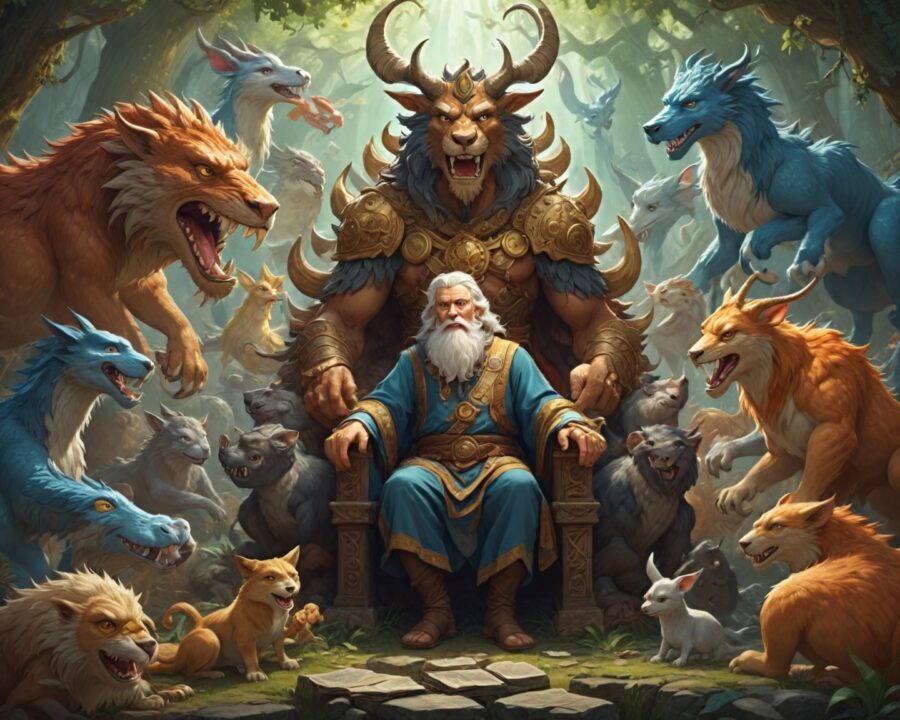
Introduction to Mythology and Its Cultural Significance
Mythology is far more than a collection of ancient tales about enigmatic gods and legendary heroes. It represents a pivotal element of human culture, embedded in the spiritual, moral, and social fabric of civilizations across the globe. Each mythological narrative weaves together symbolic stories that strive to explain the mysteries of the universe, our origins, and the chaotic nature of life itself. Through the timeless lens of mythology, cultures both ancient and modern can examine their core beliefs, norms, and aspirations, offering us insight into the human condition in its varied forms.
Cultural mythology serves as a mirror, reflecting not only the values and ideologies of its people but also chronicling the evolution of these concepts through various historical epochs. In its essence, mythology acts as a lens through which societies understand the world and their place within it. It influences a myriad of societal facets including language, literature, law, and art. By exploring mythology, we delve into the cultural psyche, uncovering the foundation upon which societal norms and traditions are built.
How Mythology Reflects Societal Values and Beliefs
Mythology is a vibrant tapestry imbued with the values and ideals of the societies that created them. Stories from different mythologies often serve as allegories for ethical and moral questions that challenge individuals and collectivities. Through epic tales, societies communicated complex ideas about duty, justice, honor, and love, thereby embedding these values into the cultural consciousness.
Greek mythology, for instance, is filled with narratives that highlight the tenets of heroism, bravery, and a quest for glory. Figures such as Achilles and Odysseus are not only celebrated for their martial prowess but also for the introspective struggles they face, reflecting the Greek admiration for strength combined with intellect. Simultaneously, myths about Pandora and Prometheus explore themes of curiosity, disobedience, and the consequences they entail, mirroring contemporary societal debates on knowledge, innovation, and ethical boundaries.
Moreover, mythology often shapes and is shaped by the religious and political structures of its time. In Hindu mythology, the stories of gods like Vishnu and Shiva reflect dharma and karma, which are deeply embedded within the Indian ethos. These narratives continue to influence modern Indian life through rituals, religious festivals, and popular art. This process of reflection and reinforcement ensures that mythology remains a living, breathing element of contemporary culture, providing a continuous link between the past and present.
Famous Mythology Stories That Influenced Civilizations
Throughout history, certain mythology stories have transcended their origins, leaving a profound impact on world civilizations. The tale of the Epic of Gilgamesh, one of the oldest recorded stories, is a prime example. Originating from ancient Mesopotamia, this epic not only influenced subsequent epic literature, notably influencing Homer’s “Odyssey” and the Biblical tales, but also offered profound insight into the early human quest for immortality and understanding of life and death.
Another exemplary mythological narrative is the tale of King Arthur and the Knights of the Round Table. Emerging from the Celtic mythology fused with medieval romance, this mythology has shaped the cultural and historical ethos of Western Europe. It symbolizes the ideals of chivalry, justice, and national identity and has inspired countless adaptations in literature, film, and the arts.
In Asia, the Ramayana and the Mahabharata have been pivotal in shaping Indian culture and moral outlook. These epics not only narrate rich stories of heroism and adventure but are considered guidebooks for dharma, illustrating the ideal ways of living and governing. Their influence extends beyond religious contexts, impacting Indian art, theater, and public discourse to this day.
The Role of Mythology in Shaping Traditions and Rituals
Mythological stories do not dwell solely within the pages of ancient texts; they animate the customs and rituals of cultures around the world. Many traditional practices derive their form and significance from mythological tales that bring communities together to celebrate shared histories and values. These stories continue to underpin rituals that mark key life stages and communal events.
For instance, the ancient myth of Demeter and Persephone in Greek mythology is closely intertwined with the Eleusinian Mysteries, seasonal rites celebrating the cyclical nature of agriculture and life. These rites not only honored the goddess Demeter but also fostered a sense of unity and continuity within the community, highlighting the connection between mythology and agriculture-based societies.
In Native American cultures, oral storytelling traditions imparted mythological tales that were crucial in maintaining cultural identity and conveying spiritual values. These stories were often performed during seasonal festivals and ceremonies, such as the Corn Dance, which revered the mythic origins of maize, a staple crop, and thus reinforced the community’s connection to nature and spirituality.
The Dia de los Muertos, or Day of the Dead, in Mexico, also demonstrates the powerful influence of mythology on ritual. This vibrant celebration of life and death incorporates Aztec beliefs that are rooted in mythology, showcasing how traditional practices continually resonate with mythological themes.
Comparing Mythology Across Different Cultures
While each culture boasts its own unique mythology, many myths share common themes and motifs, reflecting universal human experiences and concerns. By comparing mythology across different cultures, we can identify these shared elements and appreciate the diversity and interconnectedness of human thought and culture.
One notable example is the flood myth, which appears in various forms across multiple cultures. The story of Noah’s Ark in Judeo-Christian texts, Manu in the Hindu scriptures, and the Sumerian tale of Utnapishtim from the Epic of Gilgamesh all feature gods who decide to flood the earth as a form of divine judgment. These narratives not only highlight humanity’s fear of divine retribution but also emphasize themes of redemption and renewal.
Similarly, themes of creation, heroism, and the afterlife appear repeatedly, reflecting fundamental questions about existence and morality. The Norse gods’ battles in Ragnarök are akin to the apocalyptic visions found in other belief systems, each with its own unique interpretation yet similar in scope and consequence.
| Mythology Theme | Example Stories |
|---|---|
| Creation | Genesis, Rigveda, Enuma Elish |
| Flood | Noah’s Ark, Epic of Gilgamesh, Matsya Purana |
| Afterlife | Egyptian Book of the Dead, Hades in Greek mythology, Valhalla in Norse mythology |
How Mythology Has Influenced Modern Literature and Media
Contemporary literature and media owe much of their narrative depth and imaginative scope to mythology. Modern storytelling, whether in books, films, or video games, frequently draws from mythological sources, reimagining ancient tales for new audiences. This cross-tempo dialogue enriches cultural mythology by breathing new life into ancient stories.
The influence of Greek and Roman mythology, for example, is evident in modern works such as Rick Riordan’s “Percy Jackson” series, which recasts ancient gods as dynamic characters navigating contemporary settings. Similarly, J.K. Rowling’s “Harry Potter” series is replete with mythological references, from characters like Cerberus to the Phoenix, underscoring mythology’s thriving role in popular culture.
Cinema and television also provide fertile ground for mythological inspiration. Films like Disney’s “Hercules” and Marvel’s “Thor” not only entertain but educate audiences about classical myths, albeit with modern twists. This creative interplay ensures that mythology remains accessible and engaging, bridging the old with the new.
Common Themes in Mythology and Their Universal Appeal
Mythology teems with recurring themes that resonate across different cultures and epochs, demonstrating their universal appeal. These themes often revolve around the human experience, grappling with existential questions that have captivated minds throughout history.
The hero’s journey, popularized by Joseph Campbell, is one such theme. This narrative arc describes a hero who embarks on an epic quest, faces trials, and eventually returns transformed. The universality of this theme underscores its deep resonance with the human experience, reflecting our own life journeys filled with challenges, growth, and triumph.
Transformation and metamorphosis are also prevalent themes in mythological tales, seen in stories like “The Metamorphoses” by Ovid and the numerous shapeshifters in global folklore. These narratives explore identity, change, and the interconnectedness of life, offering profound reflections on the human condition and our capacity for self-discovery.
Another prevalent theme is the interplay between good and evil, encapsulated in the eternal struggle between gods and chaos beings. This theme reflects humanity’s desire to understand moral complexities and supports cultural cosmologies that balance order and chaos within the universe.
Debunking Myths: Separating Fact from Fiction
Although mythology plays a crucial role in shaping cultural identity and understanding, it is essential to differentiate between mythological narratives and historical fact. Mythology often encompasses fantastical elements and moral allegories rather than accurately recounting historical events. Thus, distinguishing between the two aids in appreciating mythology’s poetic and symbolic value without conflating it with factual history.
While mythological tales can sometimes contain kernels of truth about historical events or figures, their primary aim is to convey cultural ideals and moral principles. For instance, the Greek myth of the Trojan War, while possibly based on historical conflicts, is largely a dramatized narrative meant to illustrate themes of heroism and fate.
Another common misconception is interpreting mythological creatures and deities as historical realities. Characters like mermaids, unicorns, and gods often symbolize natural phenomena, human emotions, or societal ideals rather than actual entities. Acknowledging these symbols’ metaphorical nature enhances our understanding of their cultural significance without misattributing them to real history.
Practical Ways to Explore Mythology in Daily Life
Incorporating mythology into daily life can provide valuable insights and enrich our understanding of cultural heritage. Here are practical ways to engage with mythology and explore its enduring relevance:
-
Reading and Research: Delve into classic texts like “The Iliad,” “The Mahabharata,” or “The Tale of Genji” to gain a deep understanding of specific mythologies. Online courses and lectures can also provide broader perspectives on mythology’s impact on culture.
-
Art and Museums: Visit museums that feature exhibits on ancient civilizations, such as the British Museum or the Louvre. Artworks depicting mythological scenes allow us to witness how ancient cultures visualized their myths.
-
Cultural Festivals: Participate in cultural festivals or events that celebrate mythological themes, such as the Chinese New Year or Celtic Beltane. These experiences offer immersive insights into the rituals and stories that have shaped cultural identities.
-
Documentaries and Films: Watch documentaries and movies based on mythological stories to visualize the dramatic narratives and their adaptations over time. Films like “Troy” and series like “American Gods” provide engaging ways to experience mythology.
-
Discussion Groups: Join book clubs or discussion groups dedicated to mythology. Sharing interpretations and insights with others leads to a deeper appreciation of mythology’s richness and complexity.
Conclusion: Why Mythology Remains Relevant Today
In the digital age, mythology holds a unique place in our cultural landscape. Its ability to address timeless human concerns and reflect societal values ensures its continued relevance and appeal. By exploring mythology, we gain not only a deeper understanding of our ancestors’ beliefs but also a profound insight into the collective human psyche. Whether through literature, art, or media, mythological narratives continue to inspire and challenge us, serving as a powerful testament to the enduring power of storytelling.
Moreover, mythology encourages us to reflect on our lives and societies through symbolic narratives that transcend the limitations of history and fact. By engaging with mythology, we foster a deeper appreciation for the cultural tapestry that binds humanity together, celebrating the diversity and shared experiences that unite us across time and space.
FAQs
What is cultural mythology and why is it important?
Cultural mythology refers to the collection of mythological stories and beliefs that shape a culture’s understanding of the world and their place in it. It is important because it offers insight into the values, traditions, and social norms of a society, helping to define its identity and historical consciousness.
How does mythology influence modern society?
Mythology influences modern society by shaping literature, art, and popular media. It provides narrative frameworks that explore human experiences and embody universal themes such as heroism, transformation, and morality. These elements continue to inspire creators and resonate with audiences worldwide.
Are mythological stories based on real events?
While some mythological stories contain elements inspired by historical events or figures, they are primarily allegorical and symbolic. Their purpose is to convey moral and cultural values, and as such, they often incorporate fantastical elements that are not meant to be taken as literal history.
Can mythology from different cultures have common themes?
Yes, mythology from different cultures often shares common themes, reflecting universal human experiences. Themes such as creation, the hero’s journey, transformation, and the battle between good and evil are prevalent across various mythologies, highlighting the interconnectedness of human thought and culture.
How can engaging with mythology enhance everyday life?
Engaging with mythology can enhance everyday life by offering insights into cultural heritage, encouraging imaginative thinking, and providing moral guidance. Through reading, art, festivals, films, and discussions, individuals can explore mythological narratives that deepen their understanding of cultural identity and human nature.
Recap
This article explored the significance and impact of cultural mythology across history and society. We examined how mythology reflects societal values, with famous tales like the Epic of Gilgamesh and King Arthur influencing civilizations. Mythological stories have shaped traditions, rituals, and continue to inspire modern literature and media. Common themes, such as the hero’s journey and transformation, underscore mythology’s universal appeal, while practical engagement with mythology can enrich daily life.
Conclusion
Cultural mythology remains a vital and dynamic component of human culture, resonating across time to perpetuate the narrative of humanity’s collective consciousness. Its stories and characters, though ancient, speak to fundamental human inquiries and provide valuable insight into the complexities of life, identity, and morality. By appreciating mythology, we not only honor the wisdom of past cultures but also enrich our understanding of ourselves and the world around us. In a rapidly changing world, mythology offers continuity, fostering connection, and understanding through the timeless art of storytelling.