
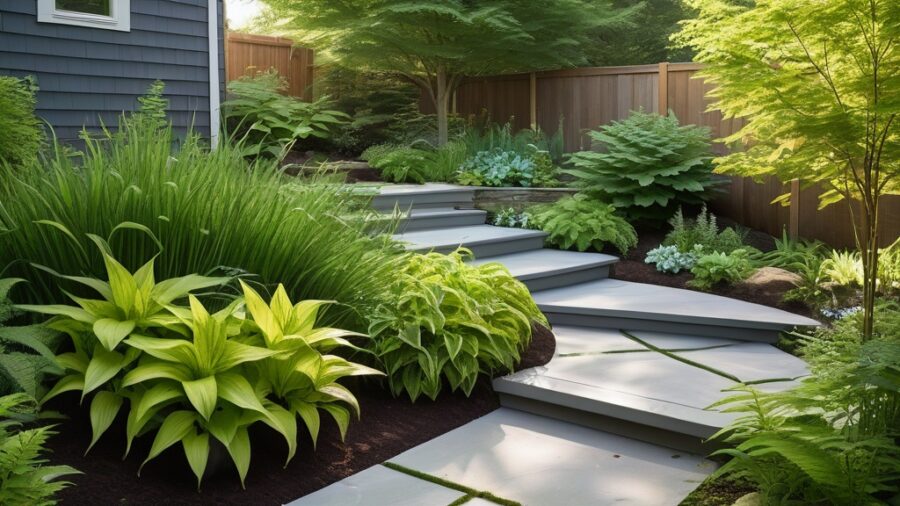
Rain Garden Water Management: A Sustainable Solution for Stormwater Control
Rain gardens are an innovative and effective approach to rain garden water management, addressing the increasing challenge of stormwater runoff in urban areas. As cities expand and impervious surfaces like roads and buildings increase, natural absorption of rainwater diminishes, leading to flooding, water pollution, and habitat destruction. Understanding how to design and implement a rain garden not only provides aesthetic benefits but also contributes significantly to environmental sustainability.
This article will explore the various aspects of rain garden water management, from its numerous benefits to effective design strategies. We’ll delve into suitable plant selections, maintenance practices, and common challenges faced in creating rain gardens. By the end of this article, you will have a comprehensive understanding of how to incorporate rain gardens into your landscape while improving water management practices.
Moreover, we will address frequently asked questions about rain gardens, providing you with practical insights and actionable strategies to implement in your own garden or community. Join us as we uncover the potential of rain gardens in transforming urban landscapes and enhancing water management practices.
Benefits of Rain Gardens
Environmental Impact
Rain gardens offer significant environmental benefits by promoting groundwater recharge and reducing the amount of stormwater runoff. According to the U.S. Environmental Protection Agency (EPA), urban areas can experience a reduction in stormwater runoff by up to 90% when properly designed rain gardens are implemented. This reduction is crucial in protecting local water bodies from pollutants that wash off impervious surfaces.
Additionally, rain gardens serve as habitats for various species, including birds, insects, and beneficial microorganisms. By creating a diverse ecosystem, rain gardens contribute to biodiversity conservation and provide essential services that support urban wildlife.
Economic Advantages
The economic benefits of rain gardens are also noteworthy. By mitigating stormwater runoff, municipalities can reduce the need for expensive stormwater management infrastructure, such as retention basins and treatment facilities. The cost savings associated with these improvements can be substantial, allowing funds to be reallocated to other critical community projects.
Furthermore, rain gardens can enhance property values. A well-maintained landscape contributes to the overall attractiveness of a neighborhood, making it a desirable location for potential homebuyers. Studies have shown that properties with eco-friendly features, such as rain gardens, often command higher prices in the real estate market.
Designing an Effective Rain Garden
Site Selection and Assessment
The first step in designing an effective rain garden is selecting an appropriate site. Factors to consider include soil type, drainage patterns, and proximity to existing structures and utilities. A well-drained area that receives direct rainfall is ideal for rain gardens. Conducting a soil percolation test can help determine the soil’s drainage rate, which is crucial for selecting the right plants and ensuring proper water management.
It’s also essential to assess the surrounding landscape. A rain garden should be located at least 10 feet away from buildings to prevent water intrusion into basements and foundations. Additionally, ensure that the garden does not interfere with any underground utilities.
Design Specifications
Once the site is selected, the next step is to design the rain garden. A typical rain garden is designed to be 20-30% of the size of the contributing drainage area. This principle ensures that the garden can adequately handle the volume of runoff it receives. The depth of the garden should also be considered, with a range of 6-12 inches being optimal for effective water retention.
- Shape: Rain gardens can be circular, rectangular, or free-form, depending on the landscape and aesthetic preferences.
- Soil Mix: A well-draining soil mix, often composed of sandy loam and organic matter, is essential for optimal plant growth and water absorption.
- Overflow Mechanisms: Incorporating an overflow mechanism ensures that excess water can drain away without flooding adjacent areas.
Plants Suitable for Rain Gardens
Native Plant Selection
Selecting the right plants is crucial for the success of a rain garden. Native plants are often the best choice because they are adapted to the local climate and soil conditions. They require less maintenance, are more resistant to pests, and provide habitat for local wildlife.
Examples of suitable native plants include:
- Wild Bergamot (Monarda fistulosa): Attracts pollinators and thrives in wet conditions.
- Black-eyed Susan (Rudbeckia hirta): A hardy perennial that tolerates drought and wet conditions.
- Blue Flag Iris (Iris versicolor): Ideal for wet areas, providing stunning blooms and attracting butterflies.
Considerations for Aesthetic Appeal
In addition to functionality, aesthetic appeal should also be a consideration when selecting plants for a rain garden. A diverse mix of flowering plants, grasses, and shrubs can create a visually appealing landscape. Incorporating plants with varying heights and bloom times will ensure that the garden remains attractive throughout the seasons.
For instance, combining early bloomers like Spring Beauty (Claytonia virginica) with late summer bloomers such as Goldenrod (Solidago spp.) can provide continuous color and interest in the garden.
Maintenance Practices for Rain Gardens
Regular Upkeep
Maintaining a rain garden is essential for its long-term success and functionality. Regular upkeep includes monitoring the health of plants, removing weeds, and ensuring proper drainage. Weeds can compete with native plants for nutrients and water, so they should be removed regularly.
During the growing season, it is crucial to observe how the plants respond to rainfall and adjust maintenance practices accordingly. For instance, if certain plants appear stressed, it may indicate improper drainage or the need for additional soil amendments.
Seasonal Care
Seasonal tasks are also an essential part of rain garden maintenance. In the spring, it is beneficial to cut back any dead plant material from the previous year and check for erosion or sediment buildup. In the fall, adding a layer of mulch can help retain moisture and prevent weeds during the winter months.
Furthermore, conducting an annual soil test can provide valuable insights into soil health and nutrient levels, allowing for targeted amendments to support plant growth.
Common Challenges and Solutions
Identifying and Addressing Drainage Issues
One of the most common challenges faced in rain garden management is drainage problems. If water is not draining properly, it can lead to plant stress and even death. Identifying the cause of poor drainage is crucial. It may be due to compacted soil or insufficient depth in the rain garden.
To address these issues, consider amending the soil with organic material to improve its structure and drainage capabilities. Additionally, ensuring the rain garden is designed to the appropriate size, as mentioned earlier, can help prevent these problems.
Pest Management Strategies
Pests can also pose a challenge in maintaining a healthy rain garden. While native plants are generally more resistant to pests, occasional outbreaks can occur. Implementing integrated pest management (IPM) strategies is an effective way to manage pests while minimizing harm to beneficial insects.
Some strategies include:
- Encouraging natural predators, such as ladybugs and lacewings.
- Using organic pesticides as a last resort.
- Rotating plant species annually to disrupt pest life cycles.
Conclusion and Key Takeaways
Rain garden water management presents a viable solution to mitigate stormwater runoff while enhancing the urban landscape. By understanding the benefits, design principles, plant selection, and maintenance practices, individuals and communities can effectively implement rain gardens that contribute to environmental sustainability.
In summary, rain gardens not only improve water quality but also provide economic benefits, enhance biodiversity, and create attractive green spaces. By incorporating native plants and ensuring regular maintenance, rain gardens can thrive and serve their purpose effectively.
FAQ about Rain Garden Water Management
What is a rain garden?
A rain garden is a planted depression designed to collect and absorb stormwater runoff from impervious surfaces. It helps manage water and improve local water quality by filtering pollutants and promoting groundwater recharge.
How do I choose the right location for a rain garden?
When selecting a location for a rain garden, consider areas that receive direct rainfall and have well-drained soil. Ensure it is at least 10 feet away from buildings and does not interfere with underground utilities.
What types of plants are best for rain gardens?
Native plants are often the best choice for rain gardens as they are adapted to local conditions, require less maintenance, and support local wildlife. Examples include Wild Bergamot, Black-eyed Susan, and Blue Flag Iris.
How often should a rain garden be maintained?
Regular maintenance is essential for a rain garden’s health. This includes removing weeds, monitoring plant health, and checking drainage. Seasonal tasks, such as cutting back dead plants and adding mulch, should also be performed.
What are common challenges associated with rain gardens?
Common challenges include drainage issues and pest management. Identifying the cause of poor drainage and implementing integrated pest management strategies can help address these challenges effectively.
Recap
- Rain gardens effectively manage stormwater runoff and improve water quality.
- They provide environmental, economic, and aesthetic benefits.
- Proper site selection and design are crucial for rain garden success.
- Native plants are ideal for rain gardens due to their adaptability and low maintenance needs.
- Regular maintenance ensures the health and functionality of rain gardens.
- Common challenges can be mitigated through proactive management strategies.