
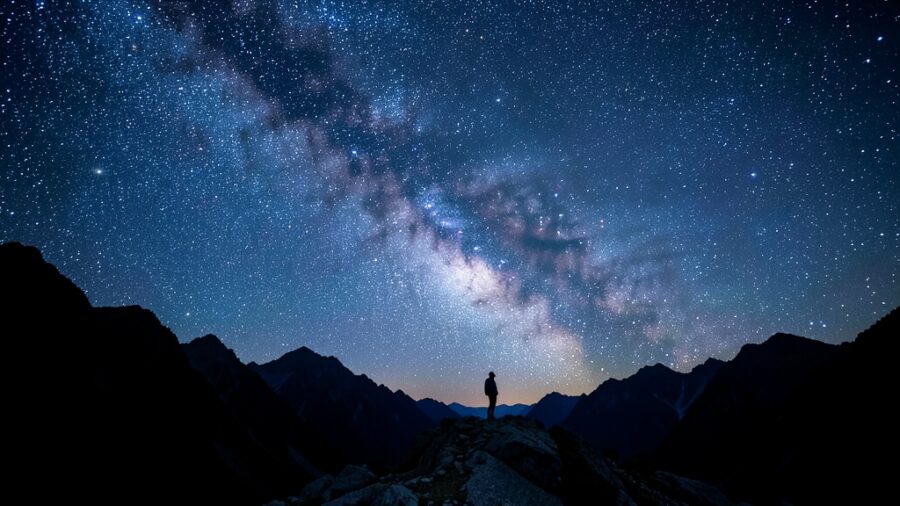
Stargazing Travel: Exploring the Beauty of Dark Skies
Stargazing travel is an increasingly popular pursuit among nature lovers and astronomy enthusiasts. The experience of looking up at the night sky, free from the interference of artificial light, can be breathtaking and transformative. Dark skies are essential for this experience, allowing us to witness the cosmos in all its glory. In this comprehensive guide, we will explore the importance of dark skies for stargazing, highlight top destinations for stargazing travel, and discuss best practices for maximizing your experience.
As urbanization continues to rise, the prevalence of light pollution has become a significant barrier to stargazing. This article will delve into the impact of light pollution on our ability to observe celestial wonders and offer solutions for planning your stargazing trip effectively. Whether you’re a seasoned astronomer or a curious beginner, there is something valuable here for everyone. Prepare to embark on a journey that will deepen your appreciation for the night sky.
Throughout this article, we will provide practical tips, concrete data, and insights that will enhance your stargazing travel experience. By the end, you will be equipped with the knowledge to choose the best locations, understand the significance of dark skies, and plan an unforgettable adventure under the stars.
The Importance of Dark Skies for Stargazing
Understanding Dark Skies
Dark skies refer to areas that are free from significant light pollution, allowing for optimal visibility of celestial bodies. The Milky Way galaxy, countless stars, and various astronomical phenomena can only be truly appreciated in such conditions. The International Dark-Sky Association (IDA) advocates for the preservation of dark skies, which are crucial for both environmental and astronomical purposes.
Dark skies not only enhance the visibility of stars and planets but also play a vital role in scientific research. Observatories located in remote, dark locations yield data that is invaluable for studying the universe. The clearer the sky, the more information astronomers can gather about celestial events, star formations, and the structure of galaxies.
The Benefits of Stargazing
Stargazing offers numerous benefits beyond just the visual spectacle. Engaging with the night sky can foster a deeper connection with nature and the universe. Here are some key advantages:
- Stress Relief: Spending time outdoors, especially under a starlit sky, has been shown to reduce stress levels and promote relaxation.
- Educational Opportunities: Stargazing provides a hands-on learning experience about astronomy, physics, and the natural world.
- Community Building: Stargazing events and clubs foster social connections among enthusiasts, creating a sense of community.
Top Destinations for Stargazing Travel
National Parks with Dark Skies
Many national parks across the globe are renowned for their dark sky initiatives. They offer pristine environments, minimal light pollution, and organized stargazing events. Here are a few notable destinations:
- Big Bend National Park, Texas: This park is one of the darkest places in the contiguous United States, making it perfect for observing the Milky Way.
- Joshua Tree National Park, California: Known for its unique Joshua trees and stunning night skies, this park is a favorite among stargazers.
- Banff National Park, Canada: With its breathtaking landscapes and dark skies, Banff is a prime location for both day and night adventures.
International Dark Sky Reserves
In addition to national parks, several locations around the world have been designated as International Dark Sky Reserves. These areas are recognized for their exceptional quality of starry nights. Notable examples include:
- Galloway Forest Park, Scotland: The first Dark Sky Park in the UK, offering spectacular views of the night sky.
- Aoraki Mackenzie International Dark Sky Reserve, New Zealand: Known for its high altitude and low light pollution, it’s an astronomer’s dream.
- Starry Night Park, South Africa: A reserve that promotes stargazing and astronomy education in an unpolluted environment.
Best Practices for Stargazing
Preparing for Your Stargazing Experience
Preparation is key to a successful stargazing trip. Here are some tips to ensure you have the best experience possible:
- Check the Weather: Clear skies are essential for stargazing. Use reliable weather apps and websites to monitor conditions ahead of time.
- Choose the Right Time: New moon phases are ideal for stargazing, as there is less natural light interfering with your view.
- Bring the Right Gear: Depending on your level of interest, consider bringing binoculars or a telescope for a closer look at celestial objects.
Stargazing Etiquette
When stargazing in public locations, it’s essential to practice good etiquette to enhance everyone’s experience. Here are some guidelines to follow:
- Minimize Light Pollution: Use red LED flashlights instead of white lights to preserve night vision.
- Be Respectful of Others: Keep noise levels down and avoid using bright screens, which can distract fellow stargazers.
- Leave No Trace: Always clean up after yourself and respect the natural environment to preserve it for future visitors.
The Impact of Light Pollution
Understanding Light Pollution
Light pollution is the excessive or misdirected artificial light that brightens the night sky, significantly hindering our ability to observe celestial phenomena. It has various forms, including skyglow, glare, and light trespass. Urban areas are particularly affected, with bright city lights overshadowing the stars.
The effects of light pollution extend beyond just stargazing; it disrupts ecosystems, affects wildlife behavior, and can even impact human health. For instance, artificial lighting can interfere with circadian rhythms, leading to sleep disturbances and other health issues.
Combating Light Pollution
Addressing light pollution requires collective efforts from individuals, communities, and policymakers. Here are some effective strategies:
- Use Shielded Lighting: Opt for outdoor lighting that directs light downward, reducing skyglow and glare.
- Advocate for Dark Sky Policies: Support local initiatives that promote dark sky preservation and responsible lighting practices.
- Educate Others: Raise awareness in your community about the importance of dark skies and the effects of light pollution.
Planning Your Stargazing Trip
Choosing the Right Location
When planning your stargazing trip, the location plays a crucial role. Research areas that are known for their dark skies and minimal light pollution. Consider factors such as accessibility, safety, and available amenities. Some popular options include national parks, state parks, and designated dark sky reserves.
Take note of local astronomy clubs or events that might coincide with your visit, as these can provide valuable resources and guided experiences.
Essential Gear for Stargazing
To enhance your stargazing experience, consider packing the following gear:
- Telescope or Binoculars: For a closer look at celestial objects.
- Star Maps or Apps: Use star charts or mobile apps to identify constellations and planets.
- Warm Clothing and Blankets: Stay comfortable and warm while lying on the ground for extended periods.
Conclusion
Stargazing travel offers a unique opportunity to connect with the universe and experience the beauty of dark skies. Understanding the importance of dark skies, identifying top destinations, and practicing best methods can transform your experience and deepen your appreciation for the night sky. By being mindful of light pollution and planning your trips effectively, you can ensure that you have memorable stargazing adventures.
As we continue to explore the cosmos, it is essential to advocate for the preservation of dark skies for future generations. With the right knowledge and preparation, anyone can embark on a stargazing journey that will leave a lasting impression.
FAQ
What are the best times for stargazing?
The best times for stargazing are during new moon phases, when the sky is darkest, and on clear nights with minimal atmospheric disturbances. Late evenings and early mornings also tend to offer better visibility.
How can I avoid light pollution while stargazing?
To avoid light pollution, seek out designated dark sky areas or national parks. Use red LED lights instead of white lights and try to stargaze away from urban environments where artificial light is prevalent.
What equipment do I need for stargazing?
While the naked eye is sufficient for basic stargazing, binoculars or a telescope can enhance your experience. Additionally, star charts or astronomy apps can help you identify constellations and celestial events.
Can stargazing be done in urban areas?
While more challenging due to light pollution, stargazing in urban areas is possible. Locations with less light, such as parks or rooftops away from streetlights, can still provide glimpses of stars and planets.
What is the Milky Way, and when can I see it?
The Milky Way is our galaxy, containing billions of stars. It is best viewed during the summer months in the Northern Hemisphere and during winter in the Southern Hemisphere when the sky is darkest and clearest.
Recap
- Stargazing travel is enriched by the experience of dark skies.
- Dark skies enhance visibility of celestial bodies and are vital for scientific research.
- Top destinations for stargazing include national parks and international dark sky reserves.
- Preparation, etiquette, and gear are essential for a successful stargazing experience.
- Light pollution impacts both stargazing and the environment, requiring collective action to combat it.
- Planning your trip carefully can lead to memorable experiences under the stars.
- Engaging with astronomy can foster community and enhance personal well-being.
- Advocating for dark skies is important for future generations of stargazers.