
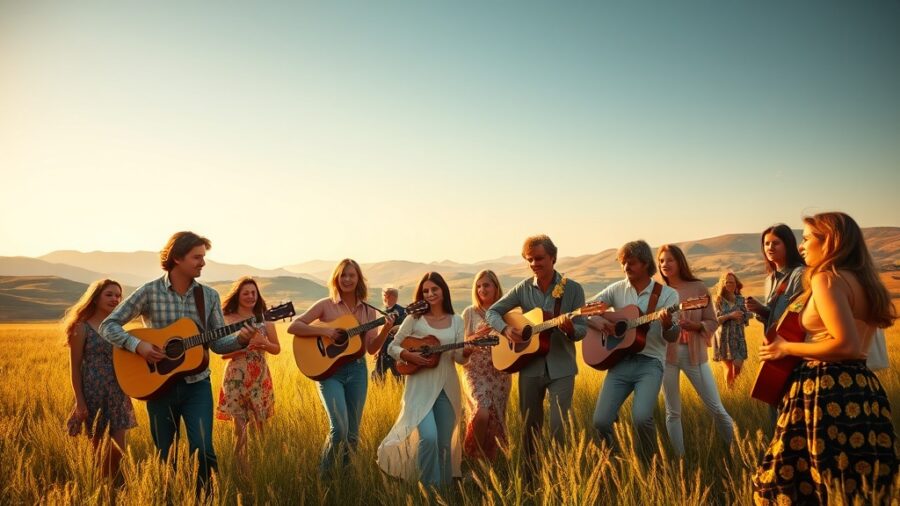
Hippie Movement Counterculture Peace: A Deep Dive
The hippie movement, a significant counterculture phenomenon of the 1960s and 1970s, emerged as a response to the tumultuous socio-political climate of the time. This movement championed ideals of love, peace, and community, promoting a lifestyle that profoundly influenced art, music, and social norms. In this article, we will explore the historical context of the hippie movement, its key figures, the role of music in promoting peace, and the lasting legacy it has left on modern society.
Through this exploration, readers will gain insights into how the hippie movement not only challenged the status quo but also paved the way for future social movements advocating for peace and equality. The richness of this counterculture is encapsulated in its vibrant music, colorful fashion, and profound philosophies that continue to resonate today. Join us as we delve deeper into this pivotal moment in history and examine how the quest for peace remains relevant in contemporary society.
By the end of this article, you will have a comprehensive understanding of the hippie movement, its cultural significance, and its enduring impact on our world. Whether you are familiar with the movement or are discovering it for the first time, this exploration promises to enlighten and inspire.
Introduction to the Hippie Movement
Origins and Early Influences
The hippie movement began in the early 1960s, primarily in the United States, as a reaction against the conventional values of mainstream society. Its roots can be traced back to various social movements of the time, including the civil rights movement and the anti-war protests against the Vietnam War. Young people, disillusioned with rampant consumerism and militarism, sought an alternative lifestyle that emphasized personal freedom and collective harmony.
Key to understanding the origins of the hippie movement is the Beat Generation, a group of writers and poets in the 1950s who challenged societal norms and explored consciousness through literature and experimentation with drugs. Figures such as Jack Kerouac and Allen Ginsberg laid the groundwork for the hippies, advocating for spiritual exploration and a rejection of materialism.
The 1960s: A Decade of Change
The 1960s were marked by significant cultural and political upheavals that shaped the hippie movement. The assassination of President John F. Kennedy in 1963, the civil rights struggles led by Martin Luther King Jr., and the escalation of the Vietnam War served as catalysts for a youth-driven revolution. The counterculture began to flourish in urban centers like San Francisco, where the Haight-Ashbury district became synonymous with hippie culture.
Major events such as the Summer of Love in 1967 and the Woodstock Music Festival in 1969 exemplified the hippie ethos of peace and love. These gatherings attracted thousands of young people, creating a sense of community and solidarity among those who rejected the prevailing societal norms. The counterculture movement was characterized by a vibrant explosion of art, music, and fashion that celebrated individual expression and communal living.
Historical Context of the Hippie Counterculture
The Political Landscape of the 1960s
The political climate of the 1960s was fraught with tension and conflict, acting as a backdrop to the rise of the hippie movement. The civil rights movement sought to dismantle systemic racism and promote equality, while the Vietnam War generated widespread protests and a profound sense of disillusionment among the youth. This discontent fueled a desire for change and prompted many to embrace the ideals of the hippie counterculture.
As the United States became increasingly involved in the Vietnam War, anti-war protests gained momentum. Organizations like Students for a Democratic Society (SDS) mobilized thousands of students to voice their opposition to the war, advocating for peace and social justice. The larger countercultural movement, of which the hippies were a part, emerged as a response to these societal conflicts, advocating for love, understanding, and an end to violence.
Social Movements and Their Impact
The hippie movement did not exist in isolation; it was deeply intertwined with various social movements that sought to challenge the status quo. The feminist movement, for instance, gained traction during this period, advocating for women’s rights and questioning traditional gender roles. Many hippies embraced feminist ideals, promoting equality and liberation for all individuals.
The environmental movement also began to take shape during the 1960s, with hippies often at the forefront of advocating for sustainable living and a connection to nature. The first Earth Day was celebrated in 1970, marking a significant milestone in environmental activism. The hippies’ emphasis on peace and love extended to their relationship with the planet, promoting a lifestyle that respected nature and sought to protect it.
| Social Movements | Key Focus | Impact on Hippie Movement |
|---|---|---|
| Civil Rights Movement | Racial equality and justice | Influenced ideals of equality and community |
| Feminist Movement | Women’s rights and liberation | Promoted gender equality and challenged norms |
| Environmental Movement | Sustainability and nature conservation | Encouraged eco-friendly lifestyles and awareness |
Key Figures in the Hippie Movement
Influential Leaders and Activists
Throughout the hippie movement, several key figures emerged as leaders, inspiring countless individuals to embrace the ideals of peace, love, and community. One of the most iconic figures was Timothy Leary, a psychologist and advocate for the use of psychedelic drugs. Leary’s famous mantra, “Turn on, tune in, drop out,” encouraged individuals to explore their consciousness and reject societal norms.
Another notable figure was Abbie Hoffman, a political activist and co-founder of the Youth International Party (Yippies). Hoffman played a crucial role in organizing protests against the Vietnam War and was known for his flamboyant style and theatrical tactics. He sought to raise awareness about social injustices and challenge the political establishment, embodying the spirit of the counterculture.
Musicians Who Shaped the Movement
Music was a vital component of the hippie movement, acting as a powerful tool for promoting peace and social change. Artists such as Bob Dylan, Joan Baez, and The Grateful Dead created songs that resonated with the ideals of the counterculture. Bob Dylan’s “Blowin’ in the Wind” became an anthem for the civil rights movement, while songs like “San Francisco” by Scott McKenzie captured the essence of the hippie lifestyle.
Woodstock, the iconic music festival held in August 1969, epitomized the musical explosion of the era. Attracting over 400,000 attendees, it featured performances from legendary artists such as Jimi Hendrix and Janis Joplin. The festival became a symbol of peace and unity, showcasing the hippie movement’s commitment to love and harmony.
The Role of Music in Promoting Peace
Soundtracks of the Counterculture
Music played a transformative role in the hippie movement, serving as a soundtrack for the counterculture’s ideals. The genres of folk, rock, and psychedelic music flourished during this period, with artists using their platforms to address social issues and promote messages of peace. Songs often articulated the frustrations of a generation disillusioned by war and inequality, fostering a sense of solidarity among listeners.
Folk music, in particular, became a medium for political expression. Artists like Pete Seeger and Joan Baez used their music to advocate for civil rights and anti-war sentiments, drawing large audiences to their messages of hope and change. The integration of political themes in music created a powerful connection between the artists and the movement, encouraging activism among fans.
Festivals as Catalysts for Change
Music festivals played a pivotal role in uniting individuals within the hippie movement, providing spaces for communal experiences and collective action. Events like the Monterey Pop Festival in 1967 and Woodstock in 1969 not only showcased musical talent but also served as platforms for social activism. These festivals attracted diverse audiences, fostering discussions around peace, love, and resistance against war.
At Woodstock, the message of peace was palpable, with attendees coming together to celebrate love and unity amidst a backdrop of social turmoil. The festival’s impact extended beyond music, inspiring future generations to embrace activism and advocate for social justice. The legacy of these festivals continues to influence modern music events that prioritize messages of peace and community.
| Iconic Festivals | Date | Significance |
|---|---|---|
| Monterey Pop Festival | June 1967 | First major rock festival, spotlight on counterculture |
| Woodstock | August 1969 | Symbol of peace, love, and music |
| Altamont Free Concert | December 1969 | Marked the end of the peace era, violence at the event |
Hippie Ideals: Love, Peace, and Community
Core Philosophies of the Movement
The fundamental ideals of the hippie movement revolved around love, peace, and communal living. Hippies rejected materialism and consumer culture, advocating for a lifestyle that emphasized connection with others and the environment. The mantra “Make love, not war” encapsulated their philosophy, promoting non-violence and understanding as alternatives to conflict.
Many hippies embraced Eastern philosophies, such as Buddhism and Hinduism, which emphasized mindfulness and spiritual growth. This exploration of spirituality influenced practices like yoga and meditation, which became integral to the hippie ethos. By seeking inner peace, hippies believed they could contribute to a more harmonious world.
Communal Living and Alternative Lifestyles
Communal living became a hallmark of the hippie movement, with many individuals choosing to reside in intentional communities that fostered collaboration and shared values. These communities, often referred to as “communes,” aimed to create environments free from societal constraints, where individuals could express themselves authentically.
Communes such as The Farm in Tennessee and the Hog Farm in California exemplified this lifestyle, focusing on agriculture, sustainability, and mutual support. Residents practiced organic farming, held communal meals, and engaged in collective decision-making. This emphasis on community and cooperation reflected the hippie ideal of living in harmony with one another and the earth.
The Legacy of the Hippie Movement Today
Enduring Influence on Modern Culture
The hippie movement’s impact on modern culture is undeniable, with its ideals continuing to resonate in various aspects of society. The emphasis on peace, love, and social justice has inspired subsequent generations to engage in activism and advocate for change. Movements such as environmentalism, LGBTQ+ rights, and social justice can trace their roots back to the principles established by the hippies.
Fashion trends from the hippie era, characterized by tie-dye fabrics, bell-bottom jeans, and bohemian styles, have experienced resurgences in contemporary clothing. Festivals celebrating music and counterculture, like Coachella and Burning Man, draw heavily from the spirit of the hippie movement, promoting creativity, self-expression, and community.
Modern Activism and Peace Movements
The quest for peace remains a central theme in contemporary activism, echoing the values of the hippie movement. Global movements advocating for climate action, racial equality, and social justice continue to be fueled by the same spirit of resistance and hope. Organizations like Greenpeace and Amnesty International embody the commitment to non-violence and advocacy for human rights that the hippies championed.
Moreover, the rise of social media has transformed the way activists communicate and mobilize. Online platforms allow for the rapid dissemination of information and collective organizing, echoing the community-driven efforts of the hippies. The principles of love and peace continue to inspire individuals worldwide, reminding us of the importance of unity in the face of adversity.
Conclusion: Reflections on Peace and Counterculture
The hippie movement, with its emphasis on love, peace, and community, represents a pivotal chapter in the history of social change. By challenging societal norms and advocating for a more inclusive and harmonious world, the movement has left an indelible mark on contemporary culture. As we reflect on the legacy of the hippies, it becomes evident that their quest for peace and understanding remains as relevant today as it was during the turbulent 1960s.
In an age marked by division and conflict, the ideals espoused by the hippie movement serve as a powerful reminder of the potential for positive change through collective action and compassion. By embracing the principles of love and peace, we can continue to build a more just and equitable world for future generations.
FAQ about the Hippie Movement
What was the main goal of the hippie movement?
The primary goal of the hippie movement was to promote peace, love, and social justice. Hippies sought to challenge conventional societal norms and advocate for a lifestyle that emphasized communal living, environmental awareness, and non-violence.
How did music influence the hippie movement?
Music played a crucial role in the hippie movement, acting as a catalyst for change and a means of expressing the ideals of peace and love. Artists like Bob Dylan and Jimi Hendrix used their music to address social issues, inspire activism, and bring people together in a shared celebration of culture.
What were some key events associated with the hippie movement?
Significant events associated with the hippie movement include the Summer of Love in 1967 and the Woodstock Music Festival in 1969. These gatherings exemplified the spirit of the counterculture, promoting messages of peace and community among attendees.
How did the hippie movement impact women’s rights?
The hippie movement contributed to the women’s rights movement by promoting ideals of gender equality and challenging traditional roles. Many women within the counterculture advocated for their rights and autonomy, influencing the broader feminist movement of the time.
Is the hippie movement still relevant today?
Yes, the hippie movement’s ideals of peace, love, and social justice continue to resonate in contemporary society. Modern movements advocating for environmental sustainability, racial equality, and human rights draw inspiration from the principles established by the hippies.
- The hippie movement emerged in the 1960s as a response to social and political unrest.
- Key figures included Timothy Leary and Abbie Hoffman, who inspired activism.
- Music played a vital role, with festivals like Woodstock promoting peace.
- The movement emphasized communal living and alternative lifestyles.
- Its legacy is evident today in various social movements and cultural trends.
- Hippies advocated for love, peace, and a connection to nature.
- Modern activism continues to embody the spirit of the hippie movement.
- The quest for peace remains relevant in addressing contemporary challenges.