
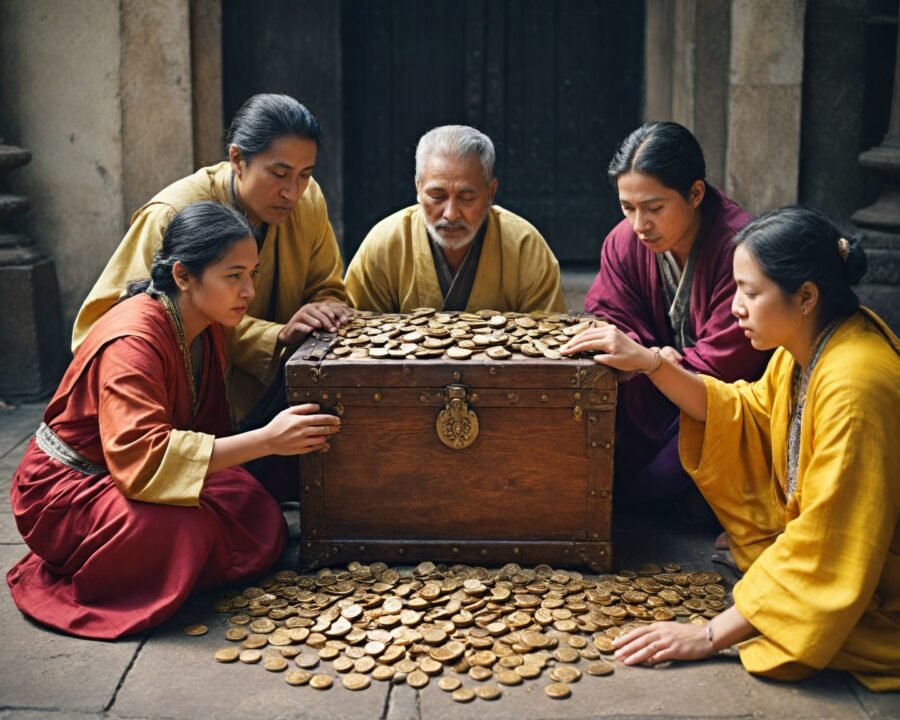
Introduction to Gold’s Historical Significance
Gold has long captivated the human imagination, forging a legacy that is as rich as its illustrious hue. This precious metal has been intricately woven into the fabric of human history, being a symbol of beauty, power, and immortality. From ancient times, gold has held significant importance across various cultures and economies around the world, leaving an indelible mark on diverse civilizations. Its rarity and unique physical properties made it a prized possession, sought after and cherished by many.
Historians trace the allure of gold back to its earliest discovery by humans. Its natural beauty and luster caught the attention of our ancestors, leading to its use in artifacts and adornments that signified status and divine connection. Gold’s non-reactive property, which prevents it from tarnishing or corroding, added to its perceived elemental purity and value, making it a preferred choice for preserving treasures that transcended generations.
Emerging economies and established civilizations alike have utilized gold not only as a central aspect of wealth but as a medium of exchange. The creation of coinage allowed for more sophisticated trade practices and the establishment of stable governments. This laid the foundations for modern economic systems that rely on currency, demonstrating the pivotal role gold played in the development of economic structures over time.
Today, gold continues to hold a unique position, its significance expanding beyond mere economic value to cultural and symbolic realms. As societies evolve and new technologies emerge, the uses of gold have diversified, impacting industries and individuals globally. This article delves into the multifaceted role of gold, exploring its historical influence, cultural importance, economic implications, and its enduring legacy.
Gold as a Symbol of Wealth and Power
For centuries, gold has been synonymous with wealth and power, representing status and authority within societies around the world. It serves as a universal symbol of wealth, prominent in financial, personal, and cultural expressions. The connotations of gold go beyond material worth; it’s the embodiment of opulence and success.
The accumulation of gold over the years has been a demonstration of power for individuals and nations alike. Monuments and palaces adorned with gold speak to the material and symbolic capital possessed by emperors and kings. In many cultures, gifting gold signifies honor and reverence, reflecting the esteem in which both the giver and recipient are held.
Modern times see gold continuing to play a crucial role in signifying wealth. For instance, gold bars and coins are standard holdings for governments and central banks as part of their financial reserves. Its liquidity and enduring value make it a preferred asset during times of economic uncertainty, reinforcing its status as a safe haven for investors. Despite fluctuations in its pricing, gold remains a critical element in diversifying investment portfolios worldwide.
The Role of Gold in Ancient Civilizations
The significance of gold in ancient civilizations is well-documented, with its presence evident in various archaeological finds across continents. Each civilization had its unique relationship with this precious metal, valuing it for its beauty, rarity, and purported mystical properties.
In Ancient Egypt, gold was considered the flesh of gods, mainly associated with the sun god Ra. Pharaonic tombs, like that of Tutankhamun, illustrate the splendor and abundance of gold crafted into jewelry, chariots, and coffins, intended to ensure a prosperous afterlife for royal figures. This reliance on gold birthed an intricate mining and trade network that sustained their society for centuries.
Similarly, the Mesopotamian and the Indus Valley civilizations also held gold in high regard. These societies used gold primarily in the production of jewelry and religious artifacts. Texts from these periods describe gift exchanges involving gold, emphasizing its role as a medium of diplomacy and a marker of alliances between influential entities.
The Inca and Aztec empires revered gold, not merely as currency but as a substance filled with divine essence. Spanish explorers were awed by the splendor of gold artifacts found in these lands, motivating them to conquest and leading to the extensive exchange of gold between the New World and Europe. This exchange profoundly influenced the global economy, establishing gold as a cornerstone of wealth that spurred further exploration and conquest.
Gold in Modern Financial Systems
Today, gold retains its prominence in the global financial system, serving multiple roles ranging from physical assets held by central banks to components within modern investment vehicles. Understanding gold’s financial significance requires examining its integration into monetary systems and investment strategies.
Gold reserves are integral to national financial stability, as many countries hold significant quantities of gold to underpin their currencies. The value of gold reserves can affect monetary policy decisions, although direct pegging of currencies to gold (as in the historical Gold Standard) is no longer practiced. Nonetheless, gold reserves continue to be seen as a hedge against inflation and currency depreciation.
In finance, gold is a popular commodity for speculation and trading on global markets. As a liquid asset with intrinsic value, gold is traded on various exchanges worldwide. Investors often include gold in their portfolios as a diversification tool and a hedge against market volatility, given its historical performance during economic downturns.
Moreover, gold plays a crucial role in the proliferation of digital financial products, including exchange-traded funds (ETFs) and derivatives. These products offer investors exposure to gold’s price movements without the need for physical possession, broadening access and enhancing liquidity. Innovations in financial markets continue to evolve, reflecting gold’s enduring appeal and adaptability.
Cultural and Religious Significance of Gold
Beyond economic functions, gold is embedded deeply within cultural practices and religious beliefs, manifesting its importance across various rituals and traditions. The universal appeal of gold transcends geographical boundaries, showcasing its significance as a symbol of the divine, purity, and celebration.
In Hinduism, gold is considered auspicious and is integral to religious ceremonies and festivals. It is often used to craft idols and temple ornaments, symbolizing Goddess Lakshmi, the deity of wealth and prosperity. Similarly, Islamic traditions view gold with reverence, often gifting it during significant life events such as weddings and births.
Christianity also recognizes the spiritual value of gold. The Bible speaks of gold being one of the gifts presented by the Wise Men to Jesus, symbolizing kingship and divinity. Gold decorates churches, illuminating spaces with its resplendent luster as a reflection of heavenly light, reinforcing its role in worship and faith.
In many Asian cultures, the use of gold in bridal jewelry and family heirlooms signifies prosperity and familial bonds. Gold is believed to attract luck and fortune when worn, marking life milestones and rites of passage with its lustrous presence. These cultural and religious expressions of gold highlight its timeless influence and its ability to convey profound human sentiments.
Gold Mining and Environmental Impact
The pursuit of gold has historically led to exploration and exploitation worldwide, driving economic growth and development. However, gold mining also poses significant environmental and socio-economic challenges, raising questions about sustainability and responsibility.
Gold mining operations vary widely, from small artisan practices to large-scale industrial processes. Regardless of scale, mining has significant ecological footprints, including deforestation, soil erosion, and water pollution. Toxic substances like cyanide and mercury, commonly used in gold extraction, pose severe threats to ecosystems and human health when not managed properly.
Artisanal and small-scale gold mining (ASGM) is prevalent in many developing regions, providing livelihoods to millions but often lacking environmental safeguards. Efforts are underway to promote responsible mining practices through initiatives like the Fairmined and Fairtrade Gold standards, which aim to reduce environmental impact and improve working conditions for miners.
Ultimately, addressing the environmental impact of gold mining necessitates a balance between economic benefits and ecological preservation. Increasingly, consumers and investors are demanding more transparency and accountability in the supply chain, sparking innovations in sustainable mining practices and investments in green technologies.
Gold as a Safe Haven Investment
Investors often regard gold as a safe haven asset, particularly during times of economic instability. Its intrinsic value and historical resilience against inflation make it a popular choice for those seeking to protect their wealth against uncertainties.
During periods of financial turmoil or geopolitical tensions, gold typically sees increases in demand as investors gravitate towards it as a reliable store of value. This phenomenon is driven by gold’s enduring appeal and its perceived stability compared to more volatile assets.
Several factors contribute to gold’s safe haven status:
-
Historical Performance: Gold has consistently performed well during periods of market volatility, offering a hedge against inflation and currency depreciation.
-
Intrinsic Value: Unlike paper currencies, which can be inflated away, gold retains its value due to its finite supply and universal desirability.
-
Liquidity: Gold is highly liquid and can be easily bought or sold, providing flexibility to investors when reallocating assets.
Despite these attributes, investing in gold also involves risks and considerations. Prices can be influenced by economic indicators, interest rates, and currency movements. Consequently, while gold remains a valuable component in diversified portfolios, investors must weigh potential gains against inherent market risks.
The Influence of Gold on Global Trade
Gold’s role in facilitating trade is a testament to its standing as a universal medium of exchange and a driver of international commerce. Over millennia, gold has been intertwined with the expansion of global trade networks, shaping economic relationships and forging connections between civilizations.
Historically, gold coins served as a common currency in trade across different cultures, simplifying transactions and enabling the exchange of goods over vast distances. This development allowed for increased commerce and interaction, as varied societies adopted gold to gain trust and legitimacy in exchanges.
In modern times, gold’s liquidity and global acceptance continue to make it an integral part of international trade. It plays a crucial role in foreign exchange markets, supporting bilateral trade agreements where traditional currencies may not suffice. Gold’s fluctuation due to geopolitical events or shifts in supply and demand directly influences its value, thereby affecting trade balances and economic strategies of nations involved.
Gold’s impact on global trade is further amplified by its role in investment and consumption, especially in regions where it predominates as a cultural asset. Countries like China and India, major consumers due to cultural significance, influence global supply chains and pricing dynamics, highlighting gold’s complex relationship with economic trends and cultural practices.
Gold in Art and Jewelry
Gold has been a favored material in art and jewelry for centuries, celebrated for its intrinsic beauty and versatility. Its distinct luster and ductility allow artisans to create intricate and enduring pieces that serve both aesthetic and symbolic purposes.
Artists throughout history have used gold in decorative objects and sacred artifacts. Gold leafing, for instance, is a meticulous art technique employed to embellish works of art, from icons to frescoes, elevating their spiritual and cultural significance. Gold’s enduring allure ensures its presence in art continues to captivate creators and audiences alike.
In jewelry design, gold plays a paramount role, prized for its malleability and resistance to tarnishing. Gold adornments transcend mere decoration; they often signify personal milestones, cultural heritage, and familial bonds. The craftsmanship involved in creating gold jewelry varies across cultures, encompassing styles from intricate filigree work to modern minimalist designs.
The demand for gold in art and jewelry remains robust, driven by tradition and innovation. Modern interpretations embrace both classic styles and avant-garde creations, highlighting gold’s timeless appeal and potential for creative expression. As cultural narratives evolve, gold continues to be a conduit of heritage and identity, reflecting its artistry and significance.
Future Trends in Gold Utilization
As global dynamics shift and technological advancements progress, the future utilization of gold is poised for transformation. Emerging trends reflect changes in economic conditions, technological innovations, and consumer preferences, which continue to shape gold’s relevance in modern society.
One pivotal trend is the expansion of gold’s use in technology and industry. The electronics sector, in particular, benefits from gold’s superior conductivity and resistance to corrosion, essential in high-performance components. Innovations in nanotechnology and medical fields are also harnessing gold’s properties, revealing new potential applications in diagnostics and therapeutics.
Consumer attitudes toward sustainability are influencing demand for responsibly sourced gold products. Ethical and sustainable practices in mining and production are becoming increasingly important to consumers and investors. As a result, the industry is witnessing a heightened focus on transparency and environmental stewardship, with stakeholders seeking solutions to minimize ecological impact.
Digital transformation in the financial sector opens avenues for novel gold investments and transactions. Blockchain technology and digital assets are redefining how gold can be valued, traded, and accounted for, paving the way for more accessible and secure methods of investment. These innovations continue to highlight gold’s adaptability and enduring significance.
Conclusion: The Enduring Legacy of Gold
Gold’s legacy spanning history, economy, culture, and technology underscores its multifaceted role in human society. From ancient Egypt to modern financial systems, gold has been a constant influence, representing wealth and power while adapting to new contexts and demands.
Despite challenges such as environmental concerns and market volatility, gold’s timeless allure and intrinsic value maintain its relevance across generations. Its ability to transcend cultural barriers and geographic boundaries ensures that gold will continue to be cherished and utilized in both traditional and innovative ways.
As societies evolve and global challenges emerge, gold will remain a pivotal element influencing economic stability, cultural expressions, and technological advancements. Its enduring legacy is a testament to human ingenuity and the universal pursuit of prosperity and beauty, ensuring that gold’s story continues to gleam brightly into the future.
FAQ
What makes gold valuable in the economy?
Gold’s value in the economy is attributed to its rarity, intrinsic properties, historical significance, and universal desirability. Its application in financial stability, investment, and consumer goods underscores its economic role.
How does gold influence currency and monetary systems?
Gold influences currency and monetary systems by serving as a reserve asset that underpins financial stability. Countries maintain gold reserves to hedge against inflation, currency fluctuations, and economic uncertainties.
Why is gold considered a safe haven investment?
Gold is considered a safe haven investment due to its historical performance during market volatility, intrinsic value, and liquidity. It offers protection against economic uncertainties, inflation, and geopolitical tensions.
What is the environmental impact of gold mining?
Gold mining can significantly impact the environment, leading to deforestation, water pollution, and habitat loss. Toxic chemicals used in extraction processes, like cyanide, pose ecological and health risks. Responsible mining practices are crucial to mitigating these impacts.
How does gold hold cultural and religious importance?
Gold holds cultural and religious importance as a symbol of purity, divinity, and prosperity. It is used in rituals, ceremonies, and art, often representing spiritual beliefs and cultural heritage.
What role does gold play in modern technology?
In modern technology, gold is used for its excellent conductivity and resistance to corrosion, essential for electronics, telecommunications, and medical applications. Innovations continue to expand its usage in cutting-edge technologies.
How is the demand for sustainable gold shaping the industry?
Demand for sustainable gold is shaping the industry by increasing emphasis on ethical sourcing, environmental responsibility, and transparency in supply chains. It encourages innovations and standard improvements to reduce ecological footprints.
What are the emerging trends in gold investment?
Emerging trends in gold investment include increased use of digital platforms, blockchain technology for secure transactions, and novel financial products like gold-backed cryptocurrencies and ETFs that enhance accessibility and liquidity.
Recap
- Gold has profound historical significance, shaping economies and cultures over millennia.
- It symbolizes wealth and power, historically and in modern financial systems.
- Gold mining impacts the environment, necessitating sustainable practices.
- Its diversification role in investments highlights its safe haven status.
- Cultural and religious contexts showcase gold’s long-standing symbolic importance.
- Technological advancements and sustainable practices are influencing future trends in gold utilization.